Is renting a campervan in New Zealand worth it?
The car vs campervan debate, and a few of the best campervan rental companies
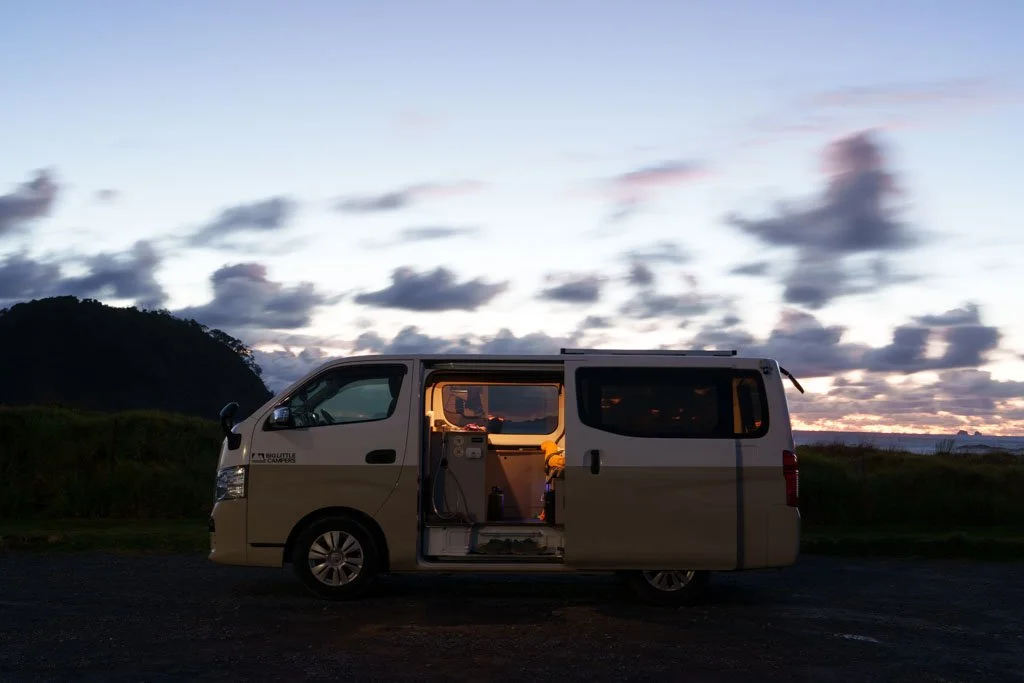
Waking up to beach sunrises in a Big Little Camper
Disclosure: This page contains affiliate links, which means I may earn a commission if you book via those links, at no extra cost to you. Thanks for your support.
Most of New Zealand is either sprawling farmland or rugged wilderness. Towns are few and far between, and even when they crop up they often aren’t destinations in their own right. You can drive for hours without passing a hotel. Camping lets you stay closer to the places you've actually come to see; the national parks, the beaches, the hiking trails.
Whether it’s camping in Aoraki/Mount Cook and falling asleep to the sounds of rock and ice falls on the mountain peaks surrounding the campground, or camping at a beach at the end of a long gravel road where there’s no one else around, van life in New Zealand makes a lot of sense.
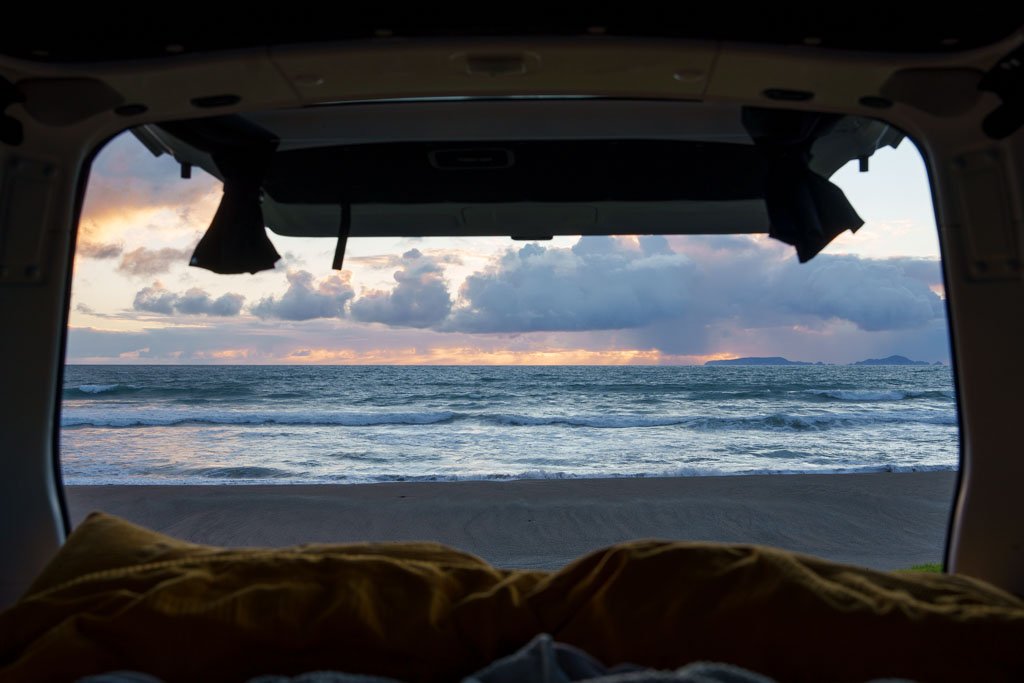
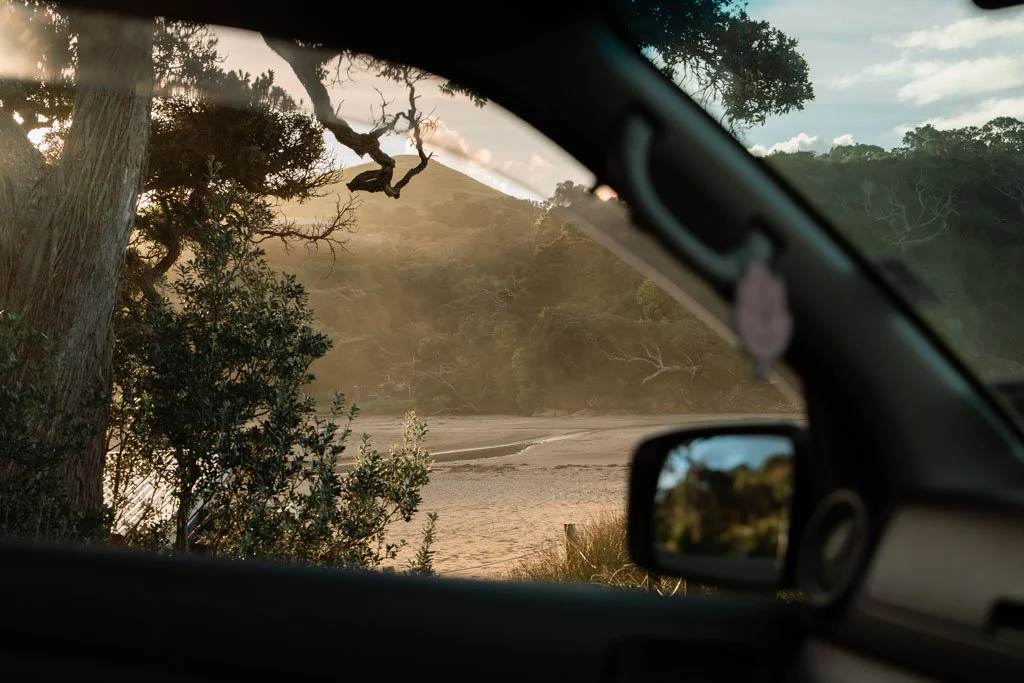
I had my own campervan for a while, which is when I fell in love with the lifestyle. I don’t mind skipping showers if it means spending more time camped out in national parks, closer to the trails and the beaches.
Somewhere along the line I sold my campervan and I have yet to pick up another one — mostly because the cost is so high. These days, I get more excited about booking unique cabins and glamping places. I still stay in campgrounds, but I just drop the seats in my station wagon and sleep in the back, on a hiking mattress. It works just fine, and I can stay at the many DOC campsites and even occasional freedom camping sites that allow non self-contained vehicles.
There is a strong allure in the campervan lifestyle in New Zealand, and it drives a thriving industry in campervan and motorhome rentals. If you’re thinking about renting a campervan, there’s a good chance you’re doing the maths on the daily rates and seeing that you could rent a car and stay in budget accommodation for the same price.
So, is it all worth it? This is my take, with a few recommendations for the best campervan rentals in New Zealand.
The short version
Waking up to sunrise right by the beach — what campervan life in New Zealand is all about
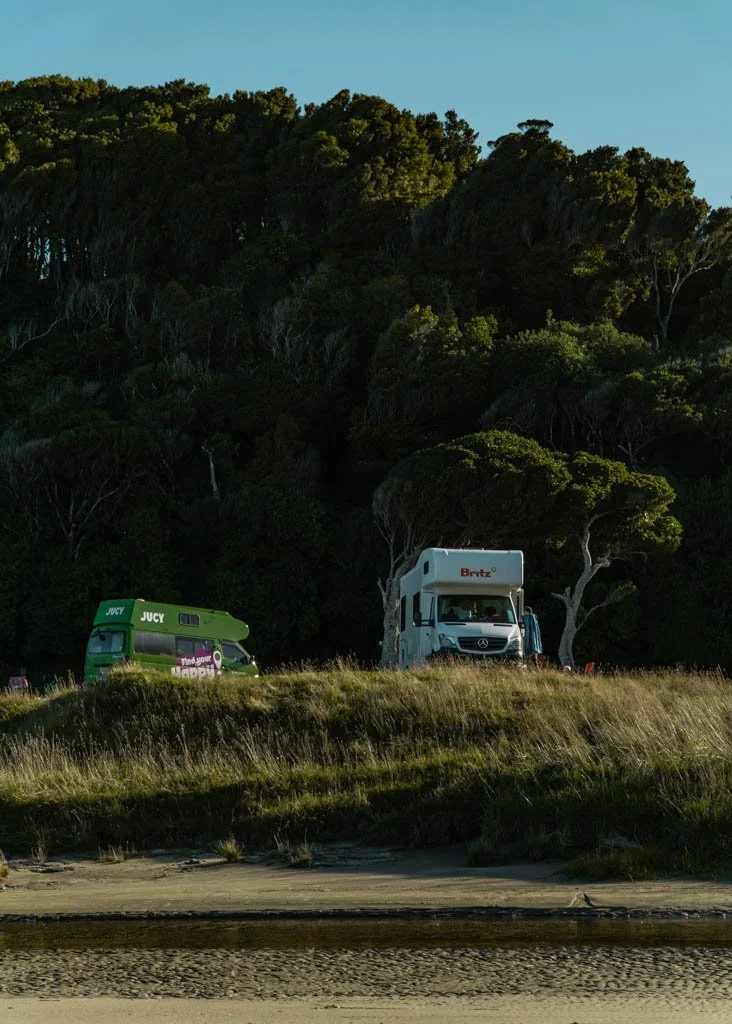
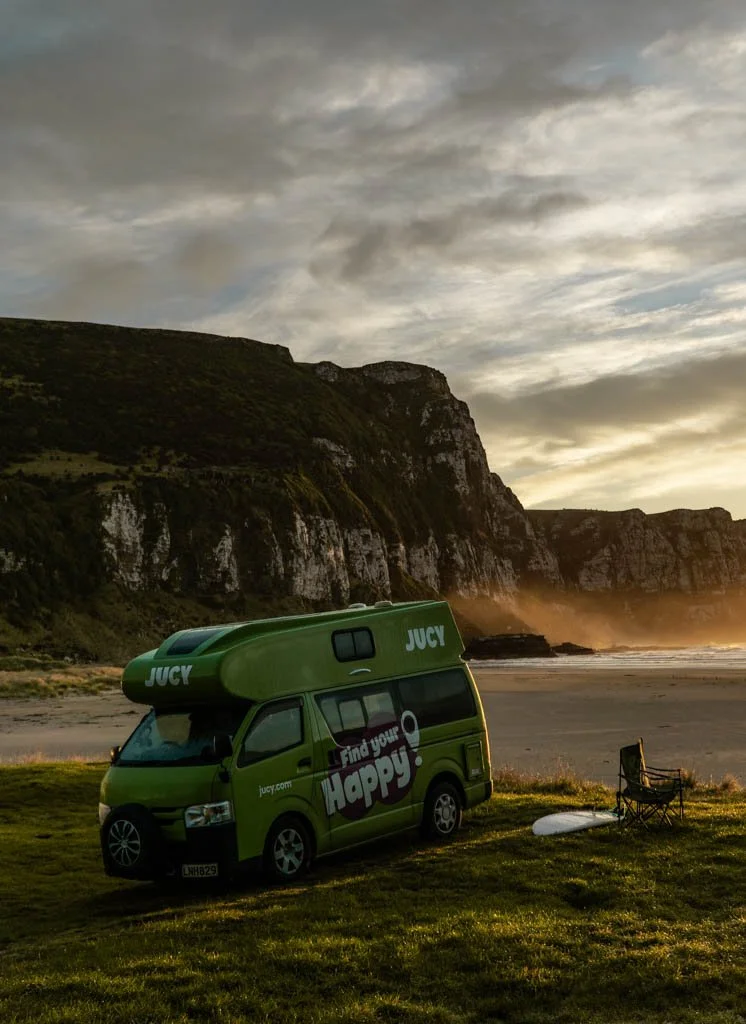
Do I think renting a campervan is worth it if you’re paying more than $600 a day for a ‘budget’ campervan (looking at JUCY here)?
Honestly, not really. High prices are worth it if you’re in a motorhome and get to travel with luxuries like a toilet and shower on board, but if you’re in a JUCY campervan, it’s hard for me to think of that as a good deal.
I’m a frequent traveller and don’t mind roughing it, though (I now just camp in the back of my car because buying a campervan has become so expensive).
It’s different if this is your once-in-a-lifetime trip, and if the price tag isn’t a deal breaker. If money wasn’t an object, I would be out there on the roads in a campervan every weekend, it’s that much fun.
If you’re somewhere in the middle, and have a reasonable budget but want to feel like you’re not paying a premium to be unwashed for weeks at a time, it helps if you can be flexible. Those mega high prices are really only for two months of the year, in the peak summer season.
I do think a campervan trip is worthwhile at a slightly lower price point.
Rent a campervan from mid-March onwards and you can still have an epic time, with beautiful weather, for as little as a third of the price.
Top campervan rental companies
Motorhome Republic is the easiest place to compare campervan prices across rental companies
For smaller campervans, Big Little Campers is an awesome, locally owned company with comfortable van designs.
JUCY Rentals have a range of vehicles and more flexible drop off points, but you will stick out like a sore thumb everywhere you go (and renting with JUCY can be very hit or miss. More on what that means below).
If you want a larger vehicle, Wilderness Motorhomes is the premier motorhome company.
Is renting a campervan actually cheaper than a rental car and hotels?
When I owned a campervan, van life was a cheap way of travelling. I could cook all my own meals out of the tiny kitchen in the back, stay at free or cheap campgrounds, and embrace the grit and dirt with a truly budget lifestyle. People still travel New Zealand on a tight budget in campervans, by buying their own vehicle; often clapped out vans that have been passed from traveller to traveller.
It’s a different story if you’re renting a campervan. Hiring a campervan for two or three weeks can easily cost several thousand dollars before you've even paid for fuel or campgrounds. In many cases, renting a car and staying in hotels or motels can work out to be the cheaper option.
It might save you a little in the long run, but renting a campervan in New Zealand isn’t about travelling on a shoestring, but travelling in an outdoorsy, adventurous way.
Campervan prices vary enormously depending on the time of year. During summer (roughly November to March), availability is lower and prices are much higher. Budget campervans often start around NZ$100 per day, while larger, fully equipped motorhomes can cost NZ$500+ per day. If you're travelling over summer, it's worth booking as far in advance as possible.
The same does apply to accommodation though; the cost of both rental cars and hotels soars over the summer season, so you could end up paying close to $100 a day for a rental car, and around $400 a night on average for a hotel.
Outside the main tourist season—from around May until October—you'll usually find much lower prices, sometimes closer to NZ$50 per day for a basic campervan. The trade-off is that you'll have colder, wetter weather, shorter days, and you may find yourself staying in holiday parks more often just to enjoy hot showers and powered sites.
One other thing to keep in mind is that the bigger the vehicle, the more you’ll spend on petrol or diesel. Even a small campervan guzzles gas like there is no tomorrow; your overall fuel bill will be much higher than a rental car.
What you’ll actually end up spending on campgrounds (you won’t spend the whole time freedom camping)
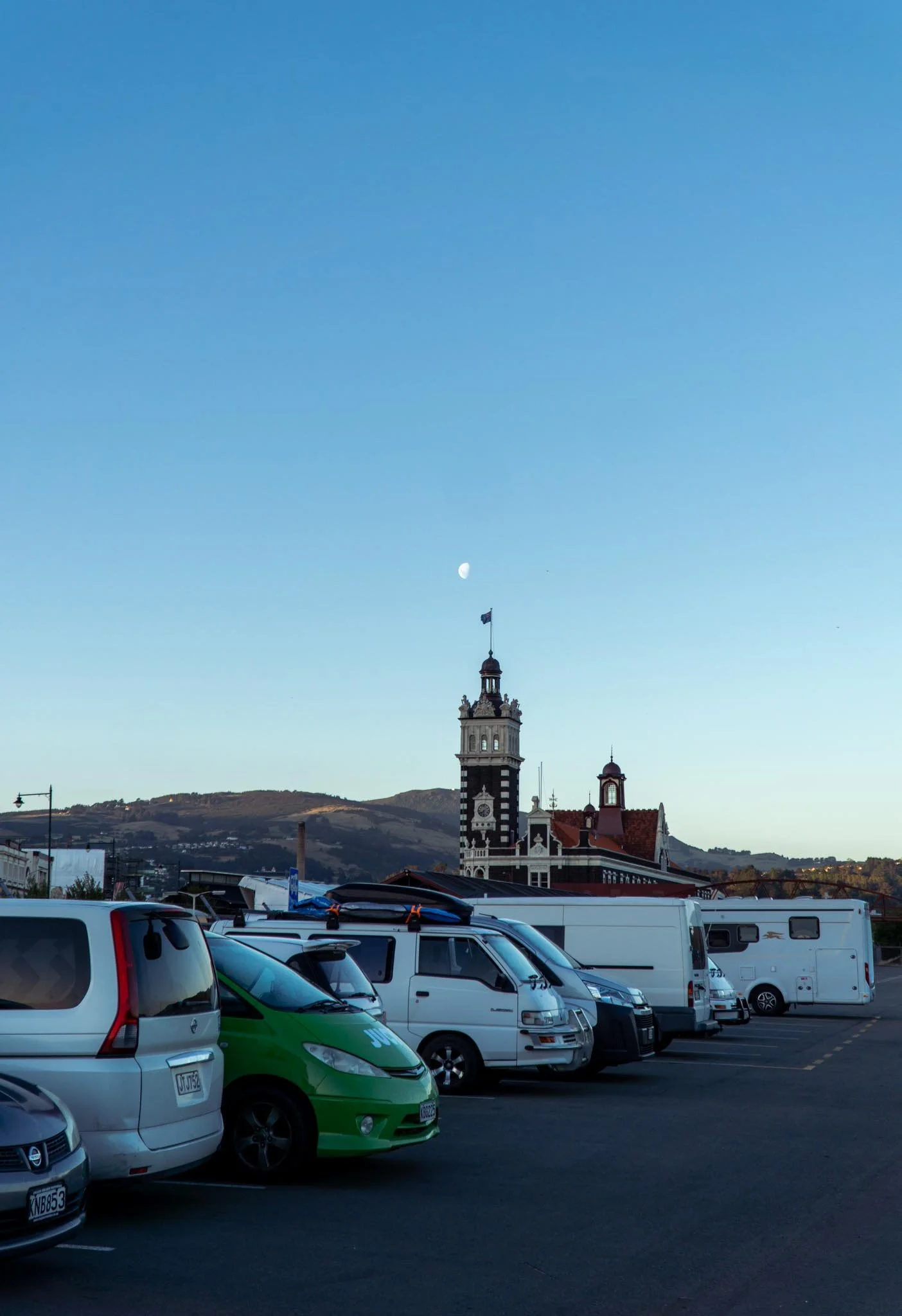
A freedom campsite in Dunedin (it’s just a carpark by the train station)
One misconception you may have, is that once you’ve rented a campervan, your accommodation costs are taken care of. That is only partly true; freedom camping sites exist, but for several reasons, you should expect to only freedom camp some of the time. In practice, most campervan travellers use an equal mix of freedom camps, DOC campgrounds and holiday parks.
A few reasons why you might not want to freedom camp:
Wanting a hot shower
Needing to refill fresh water, empty wastewater and get rid of any rubbish
Using a powered site to charge your house battery, plug in a heater, or use other onboard appliances
Simply wanting a guaranteed parking spot after a long day
There are no freedom camping spots available — particularly likely in popular destinations like Queenstown
For the most part, freedom camping in New Zealand means staying in authorised free-of-charge camping areas designated by local councils. They can range from grassy reserves to a few parking spaces in a car park; following tightening restrictions on freedom camping in recent years, it more often seems like the latter option, with a limited number of spaces in a car park by the beach, or close to the centre of town. Parking outside of designated freedom camping spots (even just one space over from those allocated for campervans) means risking a fine of $400 or more, with the rules enforced by local council officers who do the rounds in the early morning, issuing tickets to anyone parked illegally.
Most freedom camping sites require that vehicles are self-contained (with a toilet, water, and rubbish facilities on board) but there are some that allow non-self-contained vehicles, and others even allow tents. However even the most permissive sites have other restrictions, such as not allowing freedom camping in the peak summer months, or for a limit of one night only. In other spots you might need to arrive after 5pm and leave before 9am.
Limited spots in each designated area means that in the busy summer months, you’ll need to arrive early to secure your spot in a freedom camp. Some places only have a few parks available for campervans and they fill up quickly. You can’t reserve your spot — if you want to pop out in the evening to explore, you might lose your park. This competition for spaces is most intense around popular destinations like Queenstown. Oddly enough, having a campsite booked can actually mean more peace of mind, knowing you’ll actually have a place to park that night.
Because freedom camping comes down to bylaws set by local councils, rules vary from place to place. In Christchurch city, for example, freedom camping is fairly ‘free’ – aside from certain areas, self-contained vehicles can camp overnight more or less anywhere. Freedom camping used to be a lot more like that, with a real freedom to park overnight anywhere, but due to an increasing moral panic about travellers crapping in bushes, rules have tightened significantly over the years. Queenstown used to have a similar rule, where people could camp overnight more or less anywhere but on 1 December 2025 new laws came into effect.
It sounds like a lot to keep track of, but the app Campermate typically lists any restrictions for each freedom camping site, and reviews from other campers often note any key details (like whether spots fill up early in the afternoon, or whether or not drinking water is available). When you arrive at the freedom camping site, there are usually signs clearly marking where you can legally camp, and any restrictions.
These tighter rules mean freedom camping isn’t always going to be a reliable option when travelling, especially in more popular areas. Expect to use the odd freedom camp – maybe one every three nights or so – but I wouldn’t rely on having a free overnight park every night. In any case, freedom camps often don’t have a supply of drinking water, or facilities like rubbish bins (if you’re lucky, there will be a toilet. Don’t expect it to be in perfect condition). You’ll want to stay at a holiday park every now and again anyway, to make the most of hot showers, rubbish and recycling facilities, laundry, and other amenities. In between, you can throw in stays at DOC campgrounds, which are usually a mid ground between free camps and holiday parks, with basic toilets and a water supply, but rarely showers.
The bottom line is that hiring a campervan doesn't mean you won’t have additional accommodation costs. You'll almost certainly mix free camps with DOC campsites and holiday parks, so it's worth including campground fees in your travel budget from the outset.