My guide to the best things to do in Queenstown.
Disclosure: This article contains affiliate links, which means I may make a small commission if you book through those links. Thanks for your support.
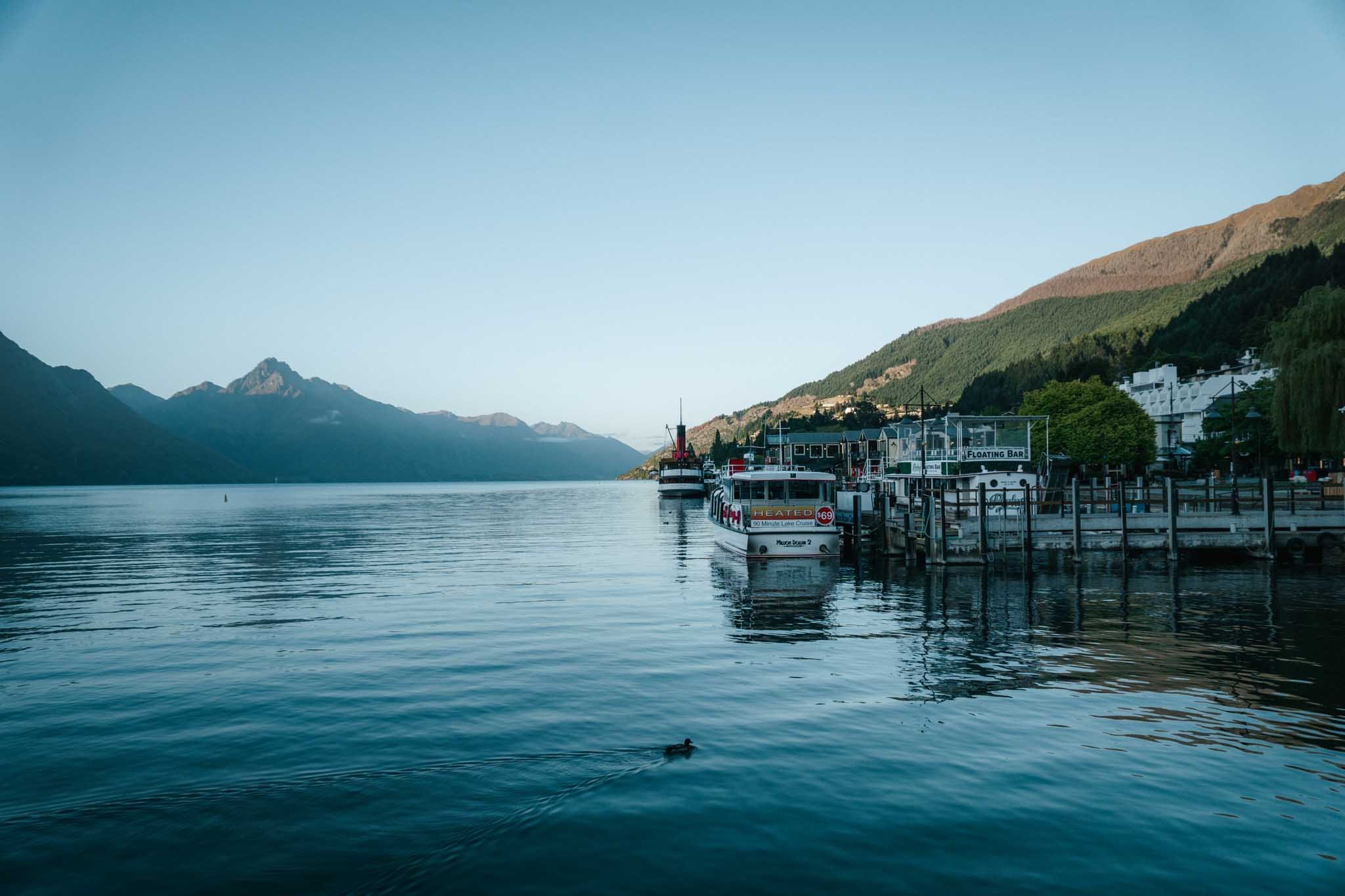
Queenstown is New Zealand distilled; an absurd amount of beauty and energy concentrated into one place.
Lying at the eastern crook of Lake Wakatipu, looking up at a razor sharp ridge of mountains, Queenstown is a playground for people looking to jump, fall, swing, or dive off things. Many Queenstown activities purport to be some kind of superlative – the highest bungy jump in New Zealand, the biggest rope swing, the longest commercially rafted rapid.
There are many things to do in Queenstown, many of which involve hefty doses of adrenaline.
But, despite the crowds, the commercialism, and the reputation as a place for thrill seekers, Queenstown has a quieter side. It’s the ideal starting point for many wonderful hikes, there are fantastic wineries within easy reach, and thanks to a new floating sauna and bathhouse, there is space to relax as well.
My Queenstown highlights
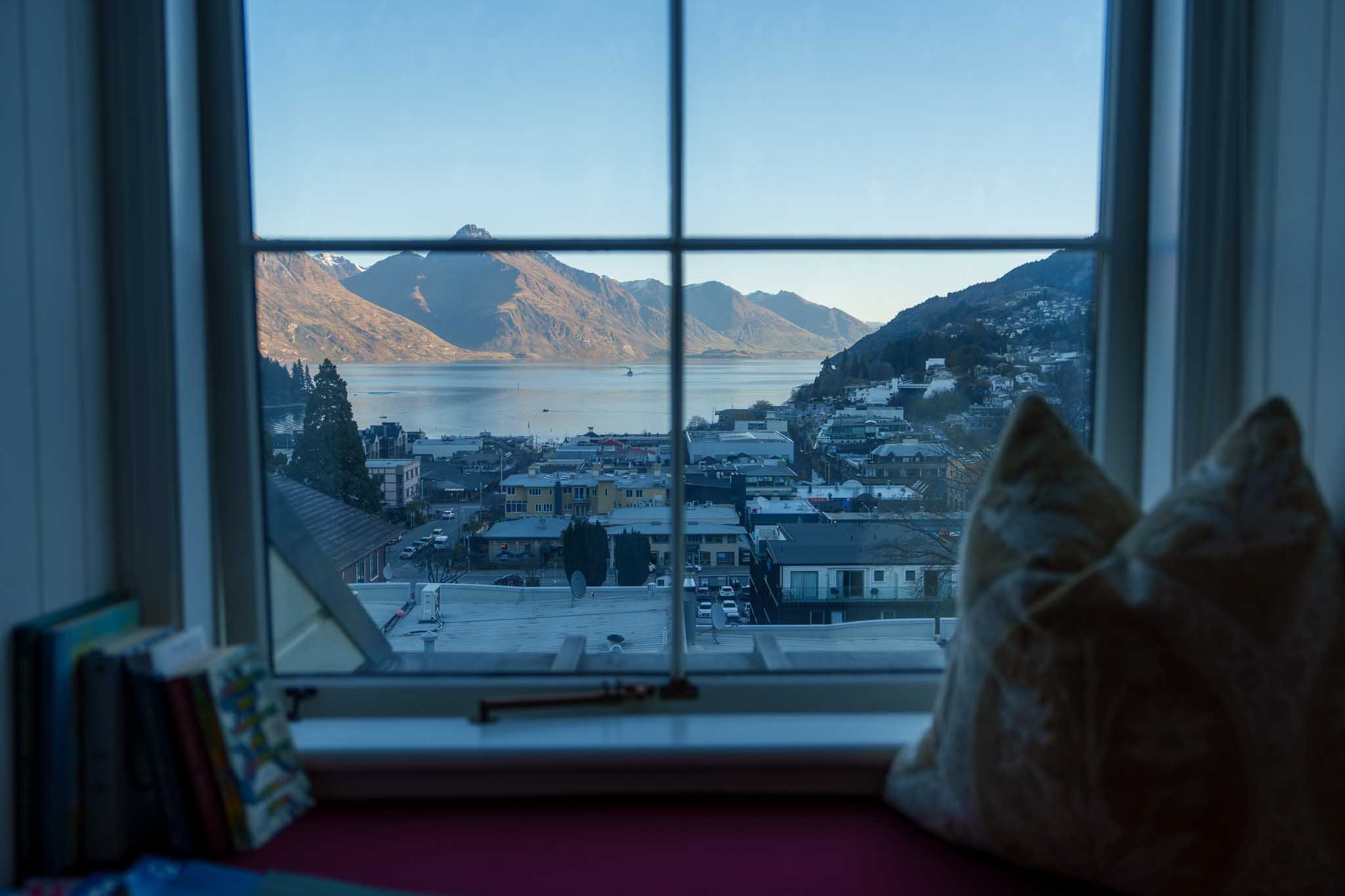
The cosiest reading nook, with the best view, at Hulbert House
Although not in Queenstown itself, the overnight cruise in Doubtful Sound is easily the best thing I have done in the region, if not all of New Zealand.
You can start the hike up Ben Lomond from the centre of Queenstown (although I recommend the gondola). The views at the top are astounding.
A funyaking trip in Glenorchy takes you into stunning Mount Aspiring National Park.
The Central Otago wine region is the best in the country, in my mind, bringing together mountain views with stellar Pinot Noir.
The TSS Earnslaw cruise to Walter Peak combines the best of history, lake views, food, and farming.
The Watershed Sauna is one of Queenstown’s newest wellness additions; with spectacular views and cold plunging in the lake, it’s the perfect way to unwind after outdoor adventures.
Where to stay
Scenic Suites: Conveniently located a 10 minute walk from the centre of town, I loved the lake view and amenities like a washer and dryer in the suite. The breakfast at the hotel was average at best, but that’s not an issue when cafes are so close by.
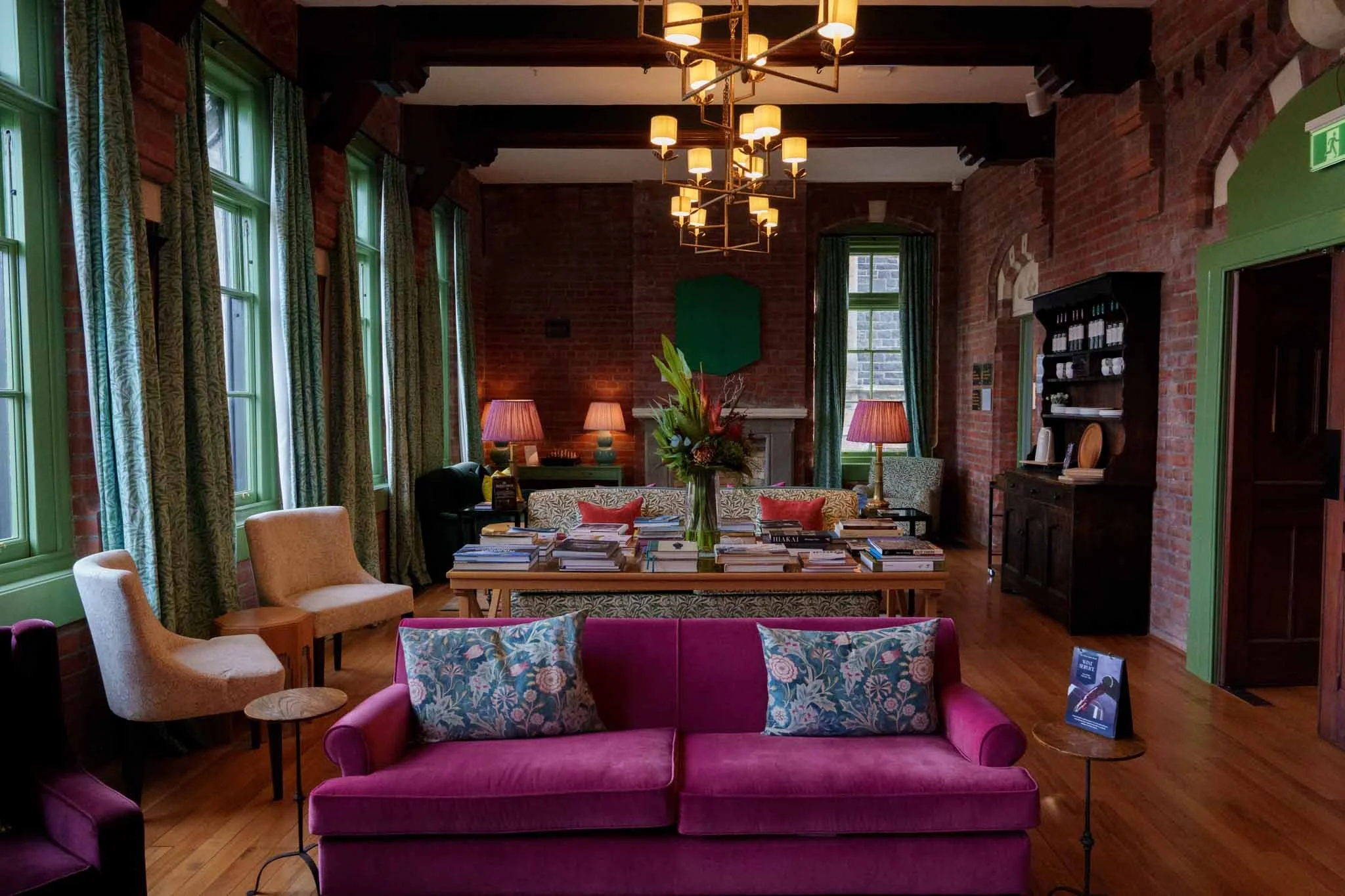
Hulbert House is possibly the best place to stay in all of Queenstown, hitting every beat perfectly; a heritage building, spectacular views, outstanding hosts, and delightful extras like complimentary local wine in the evening.
Where to eat
Toast and Oak had the most original menu I tried
SUNDAYS has the best vibe and pizzas.
How long to stay in Queenstown
Queenstown itself has enough activities to keep you busy for 1-2 full days, but day trips are generally more rewarding than spending your time in the town.
If you’re willing to stretch the definition of close to around 2 hours of driving, then Queenstown is close to Glenorchy and Mount Aspiring National Park and Central Otago and all its glorious vineyards.
Three days is the bare minimum for Queenstown, with 5 days giving you more time for day trips with breathing space.
It is possible to visit Milford Sound and Fiordland National Park on a day trip as well, but only if you are very squeezed for time.
You’re better off allotting 2-3 nights in Te Anau for visiting Fiordland, or going for an overnight boat trip on Doubtful Sound, which at the very least gives you a night in the wilds.
Get my full Queenstown travel guide
An ebook with all my best Queenstown recommendations, plus practical advice for planning your trip.
The best things to do in Queenstown
The TSS Earnslaw


The historic TSS Earnslaw chugs into the harbour by the lakefront several times a day, announcing her presence with loud blasts and clouds of coal smoke. At full speed, the boat burns one tonne of coal an hour.
The old lady of the lake was launched in 1912, the same year as the Titanic, and she’s still going strong, powered in the same way as she was more than 100 years ago; coal, shovelled into her guts by men in overalls streaked in black dust.
I took the 5pm cruise and we were gliding across the lake in the golden light of the late afternoon sun.
I also opted for the gourmet BBQ option at Walter Peak; if you have the time, do this. The food was superb, even as a vegetarian.
Better than dinner, though, was the farm show that is also included if you disembark at Walter Peak. There is a sheep shearing demonstration, and then a sheep dog show, which is easily the highlight of the whole experience.
The details
Jet boating
A farmer by the name of Bill Hamilton introduced high speed jet boats to the rivers around Queenstown. With an inventive mind and a love of speed, Hamilton took water jet technology and designed craft that could plane across the shallow, interweaving channels of Otago’s braided rivers where propeller-driven craft couldn’t go.
That was in the early 1950s.
Since then, the rivers around Queenstown have become a whole new playground for thrill seekers. Whipping through 360 degree turns and skimming across water only 10 centimeters (four inches) deep continues to be one of the most popular ways to get a thrill in Queenstown. There are several different jet boats – each a different, bright colour – running up and down the waterways in the area.
Dart River Jet
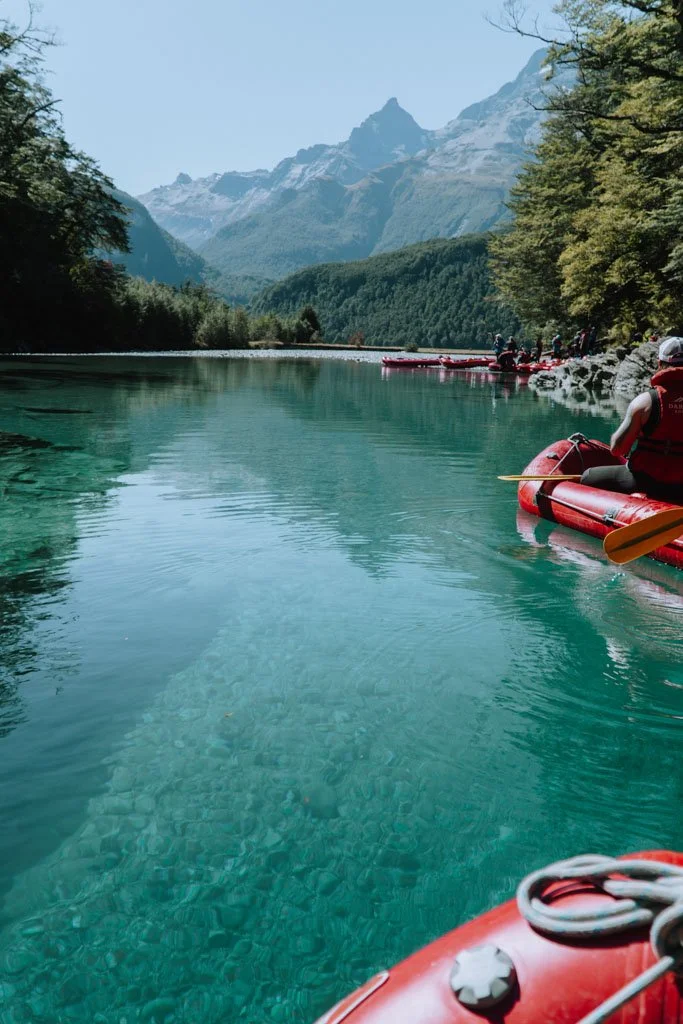
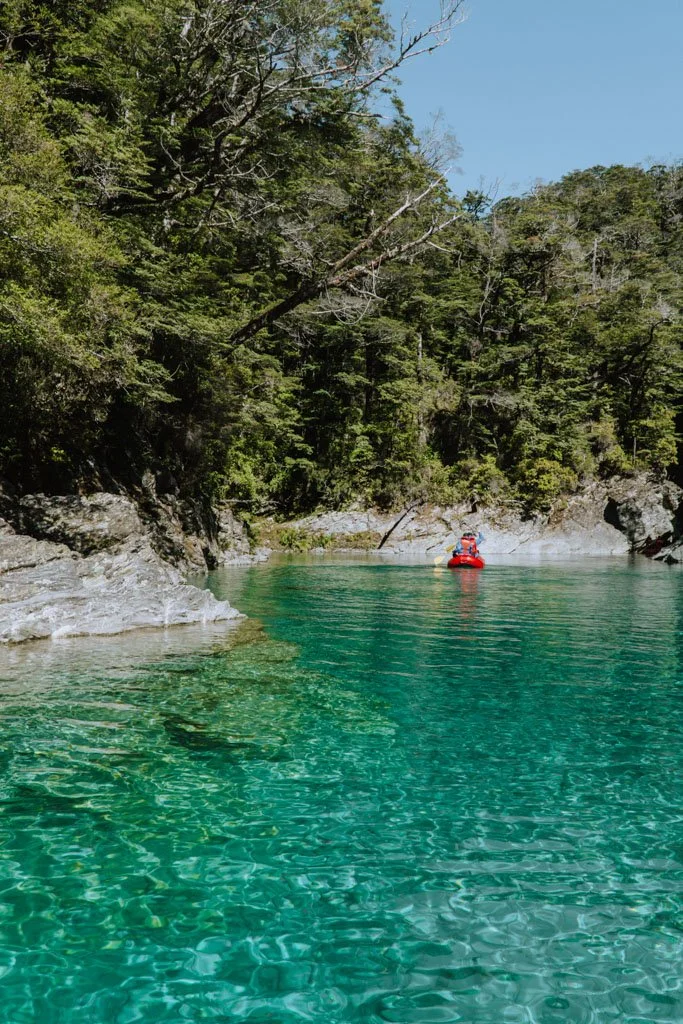
Dart River Adventures offers the longest jet boat ride in the region, covering around 90 kilometres (56 miles) of water in around two hours. This trip takes you into Mount Aspiring National Park, so as far as scenery goes, it’s hard to beat.
The funyaking option – which involves taking the jet boat up the river and paddle back down on an inflatable canoe – is one of the best all-round day trips you can go on from Queenstown.
The glacial blue water of the Rock Burn river, where you’ll stop for lunch, is vivid and shimmering. If you’re brave, jump in. The cold and beauty together will leave you breathless.
The details
Dart River Adventures kindly hosted me on this trip. Prices from $299 for an adult for the jet boat only, or $515 per adult for the funyaking experience – both options include transfers to and from Glenorchy.
The Shotover Jet
📍 3 Arthurs Point Road, Arthurs Point
The longest-running of them all, the bright red Shotover Jet is a slick operation, with boats coming within inches of the Shotover Canyon walls as they hit high speeds and precision turns.
The scenery is beautiful and the execution flawless; this is possibly the most thrilling of the jet boat rides in Queenstown, but the 20-minute ride feels a little short.
The details
Shotover Jet kindly hosted me on this trip. Prices from $179 for an adult.
Skipper’s Canyon Jet
Skippers Canyon
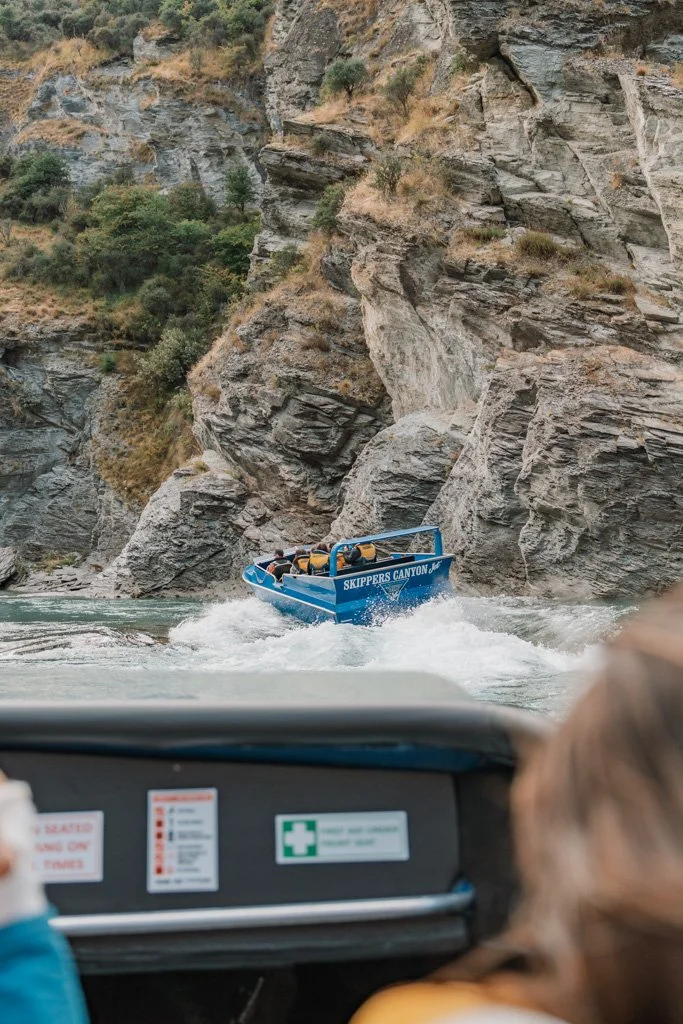
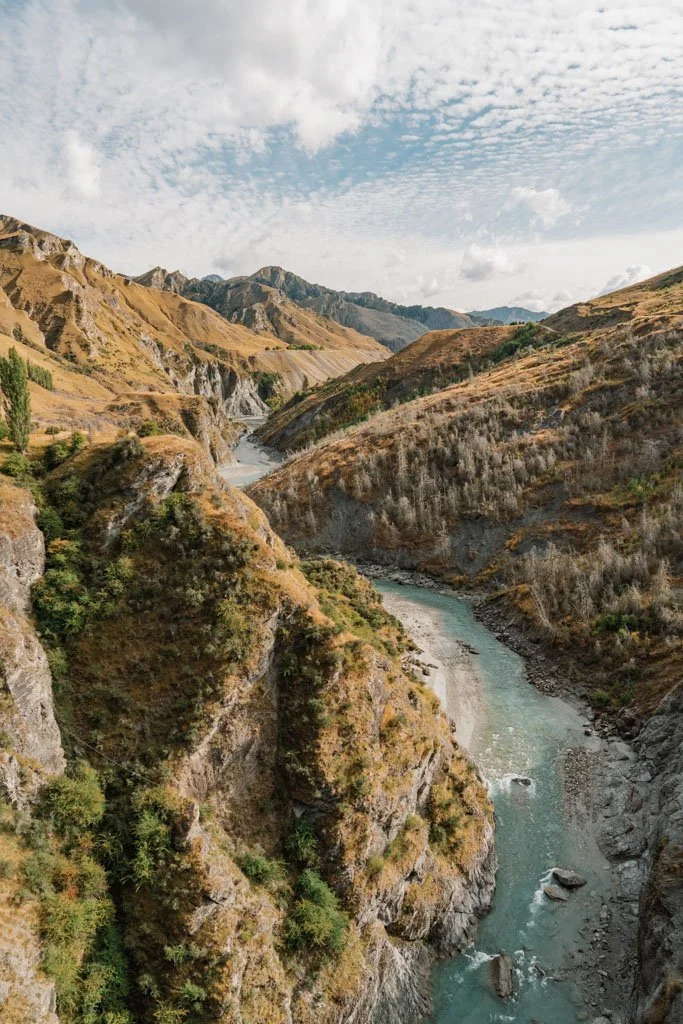
Owned by a family which has lived in Skipper’s Canyon for generations – no small feat, given how isolated and rugged the canyon is – the Skipper’s Canyon Jet takes the title of the best value jet boat trip near Queenstown.
Priced similarly to the Shotover Jet, the trip includes a 45-minute bus journey along the infamous Skippers Road, carved out of a near-vertical rock face. The driver is casual beyond belief as he steers the bus alongside the sheer cliff edges, pausing now and again so you can look straight down to the river very far below.
I was gripping the seat the entire time.
And all that is before you get into a jet boat and whip through the narrow canyon. My jet boat driver was a fifth-generation member of the Skipper’s Canyon family who run the company, which was a nice detail. I also enjoyed the rest stop after the jet boat ride, at the ‘HQ,’ a beautiful spot to enjoy canyon views.
The details
Skippers Canyon Jet kindly hosted me on this trip. Prices from $199 for an adult
Cruise Doubtful Sound overnight
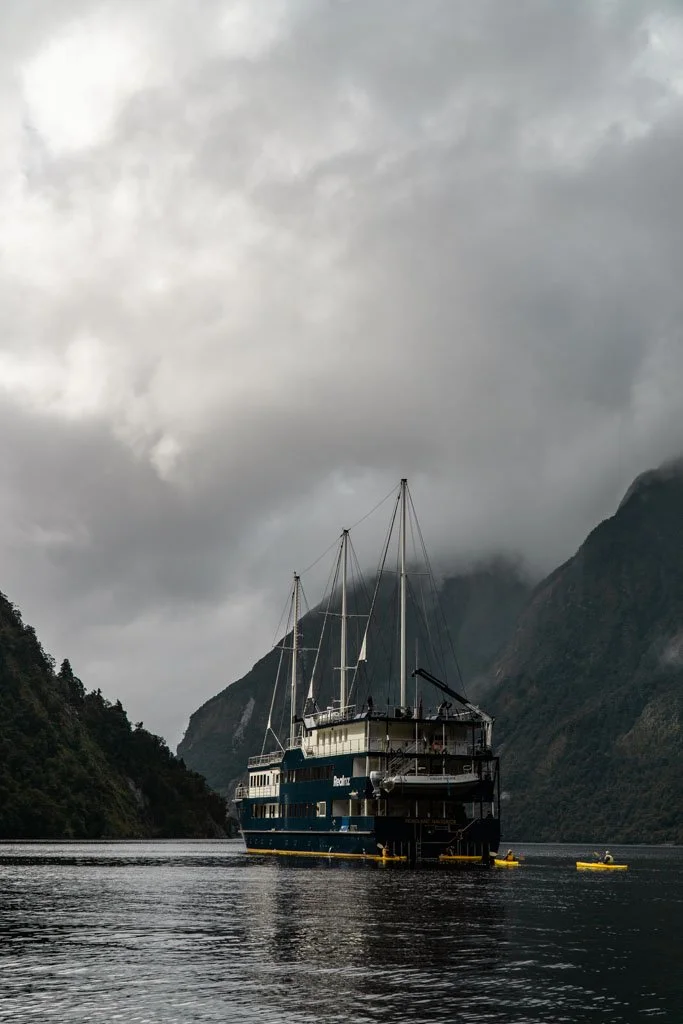
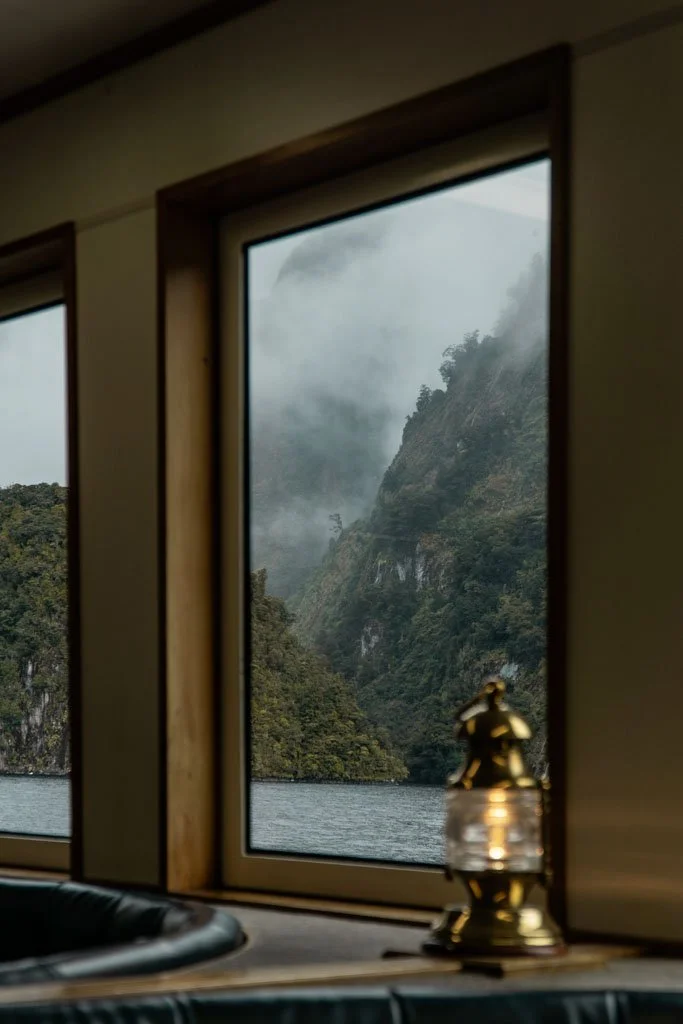
The views from the dining room onboard The Navigator are spectacular
Going on an overnight cruise in Doubtful Sound is pure escapism — it’s easily one of the best things I have done in the South Island.
RealNZ operate buses that can transport you from Queenstown to Lake Manapouri, where the trip leaves from, making this a seamless two-day trip.
Doubtful Sound is more remote than Milford Sound. There’s no road to the fjord; to reach it, you have to take first one boat across Lake Manapouri, then a bus over a gravel road through a mountain pass.
All this means far fewer people, and a vastly different atmosphere.
When you finally climb onboard the ship at Doubtful Sound, you’ll already feel like you’ve been on an adventure. And, there’s unlikely to be another boat to be seen when you set sail.
I loved the feeling of being fully immersed in Fiordland — swimming in the inky dark sound, kayaking along the shoreline beneath hanging vines, listening to the bird song ringing out across the water.
The details
Read more about my experience visiting Doubtful Sound, both with RealNZ and with Fiordland Expeditions, who operate a 12-person boat.
Day trips to Milford Sound


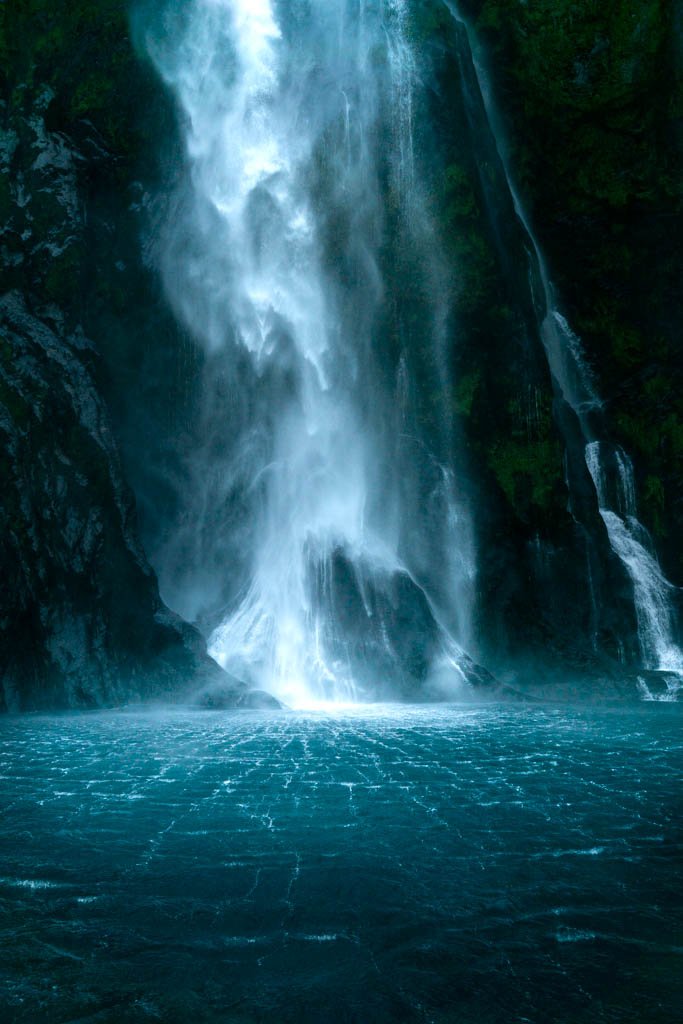
One of the most popular excursions from Queenstown is a day trip to Milford Sound.
It’s a 5-6 hour drive each way; that’s a 10-hour drive for the purpose of taking a 2-hour boat ride. Te Anau makes a better base for visiting Milford, cutting the drive time in half.
But, if you’re short on time and set on seeing Milford Sound from Queenstown, it is possible; I just recommend taking a tour instead of attempting to drive yourself. When setting off on a 13-hour day trip, at the very least you can outsource the driving.
There’s little variation between the tour operators offering day trips to Milford Sound from Queenstown.
Most leave around the same time, buses trailing each other on the road and stopping at the same points en route at similar times. It’s a beautiful drive to Milford, but you’ll have to be creative with your camera angles if you don’t want your photos to include the crowds.
Out on the water, boats follow the same route and the passenger-to-space ratio remains the same regardless of the size of the boat. The cruise company you choose shouldn’t impact your overall experience a great deal.
The good news is that the day trips operate like well-oiled machines, and offer relatively good value, usually between $300-$370 for the day.
There are options to fly to Milford to meet a cruise boat, but this pushes the cost up significantly. Expect to pay around $700 for a fly-cruise-fly option.
The details
RealNZ has comfortable, glass-ceilinged coaches and operates its own boats on Milford Sound (the Sovereign and the Monarch are the largest, while the Haven is a little more dinky; the Mariner is the most atmospheric, as it’s in the style of a sailing ship. I would choose the Mariner for maximum effect, but in reality I scarcely noticed the differences in the boats, as I have always spent most of my time outside looking at the scenery).
Luxe Tours is an excellent option if you’d prefer to be in a smaller van on the way to the fjord; they will put you onto a RealNZ boat once you arrive.
If you’d rather fly there and back, check out flights with Glenorchy Air. Just be ready for your plans to change; flights are weather-dependent, so with Fiordland’s fickle forecast there’s no guarantee you’ll get off the ground.
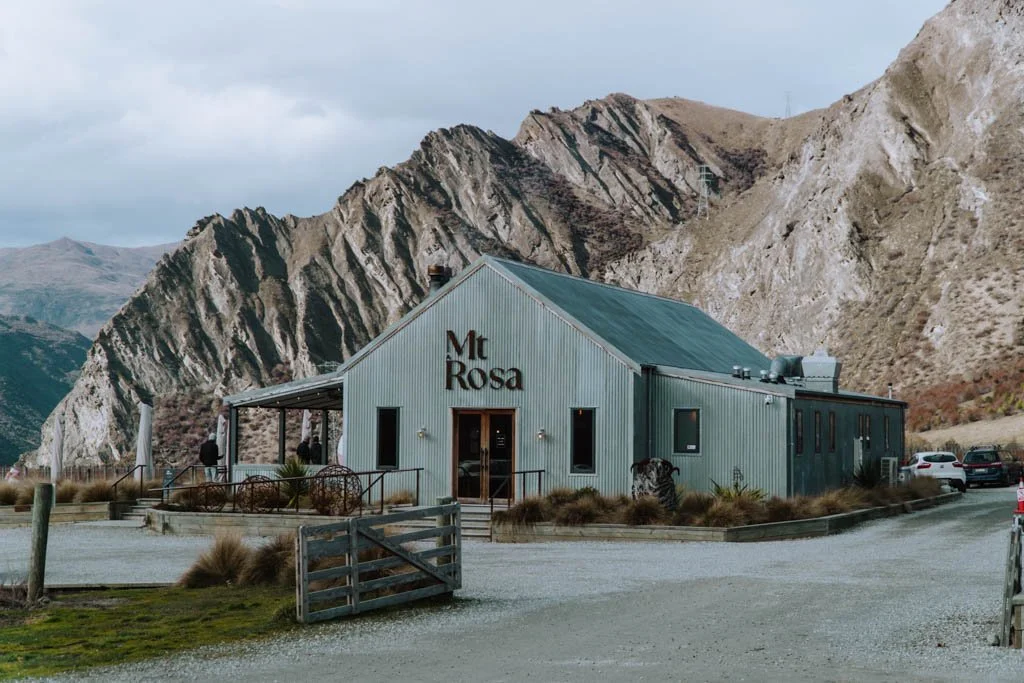
Visit Central Otago wineries
Light-bodied Pinot Noir is the beloved variety grown from schist stone and fine, silty soils of the Gibbston area near Queenstown — the region is often compared to Burgundy.
And, of course, the wine production that happens here happens against a backdrop of mountainous beauty. A day or half day visiting some of the cellar doors near Queenstown is time well spent.
The cellar doors are too spread out and far from Queenstown to visit without a tour, an electric bike, or another form of transport.
If you do want to visit vineyards under your own steam, is to head to Kinross for the tasting (which is so comprehensive it’s hard to follow up) and Mt Rosa to settle in to enjoy the view accompanied with a platter and wine by the glass. And possibly stop by Mora for lunch, one of the days you’re in Queenstown.
It goes without saying that you need a sober driver to explore the vineyards independently, with a vehicle.
Although there are a number of different tour companies, there isn’t a huge amount of variation in the service they provide – most visit some combination of Gibbston Valley, Amisfield, Kinross, Mt Rosa, Mora, and Ayrburn. Prices are roughly the same across the board as well, expect to pay between $250-$280 per person for 3-4 wineries.
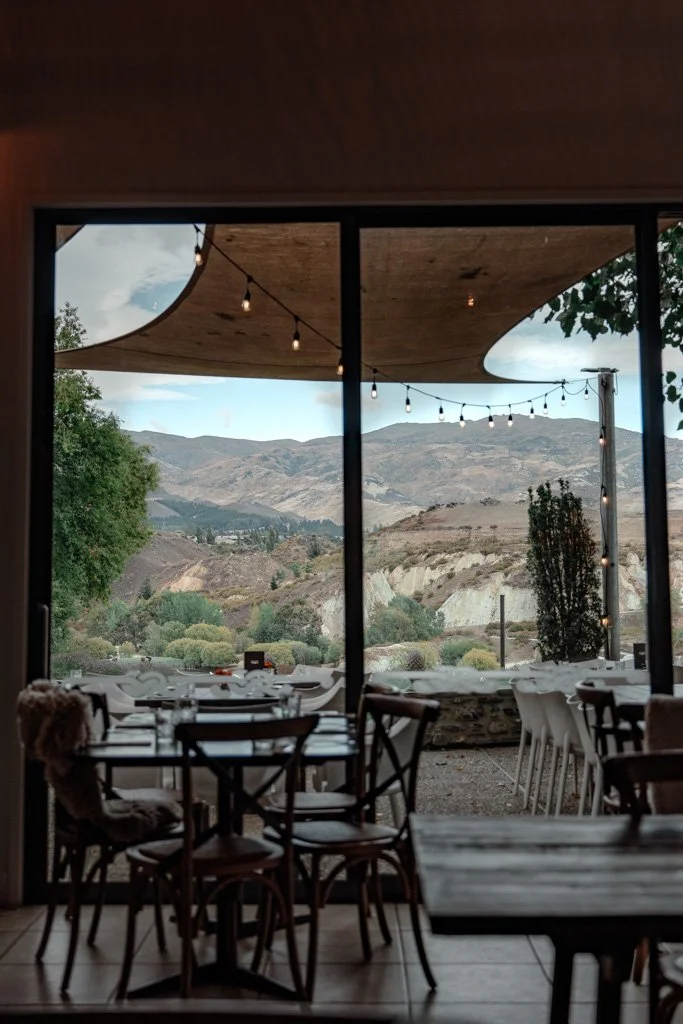
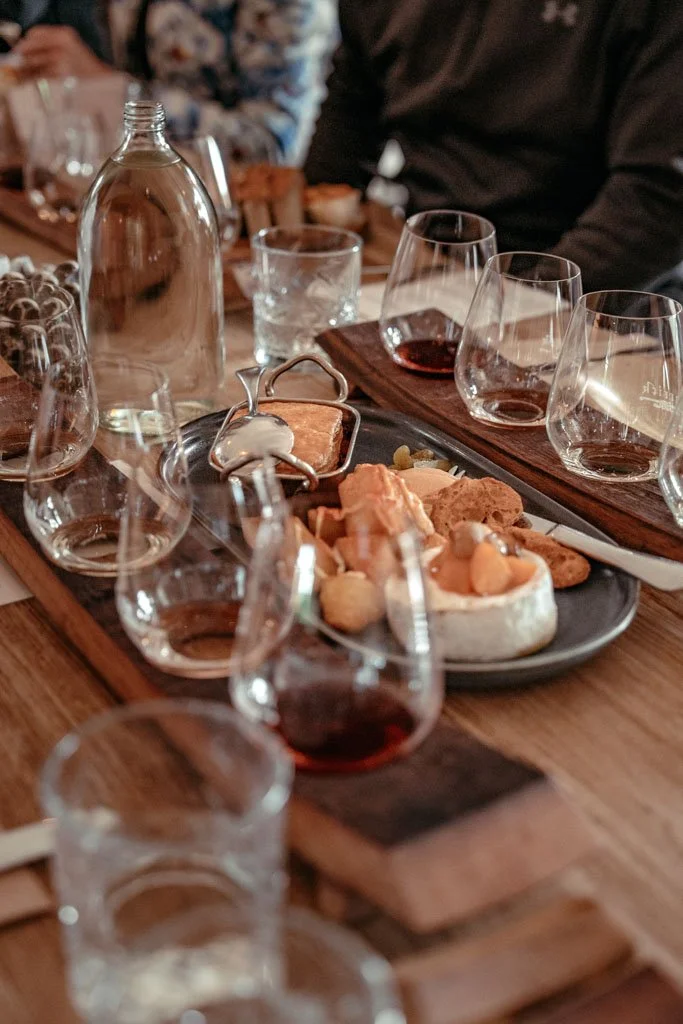
I thoroughly enjoyed the Boutique Wine Tour with Appellation Wine Tours, which covers Cromwell and Bannockburn as well as Gibbston. The tour includes tastings at 4 wineries and a platter lunch.
A more active option is to cycle the Gibbston River Trail, which starts from the Kawarau Bridge and covers just under 9 kilometres (5.6 miles) of the valley, following cliffs high above the bright blue ribbon of water. The trail runs right past the most famous wineries in the area – Gibbston Valley, Mount Edward, Kinross, and Mt Rosa – as well as the Gibbston Tavern and The Church Cellar Door and Cafe.
Around the Basin offers bike and e-bike rental, with options to start from Arrowtown or Queenstown (with a shuttle to the starting point in Arrowtown). Prices from $110 for a full day rental for a standard bike, and $160 for an e-bike.
The details
Rent a bike with Around the Basin
Hiking near Queenstown
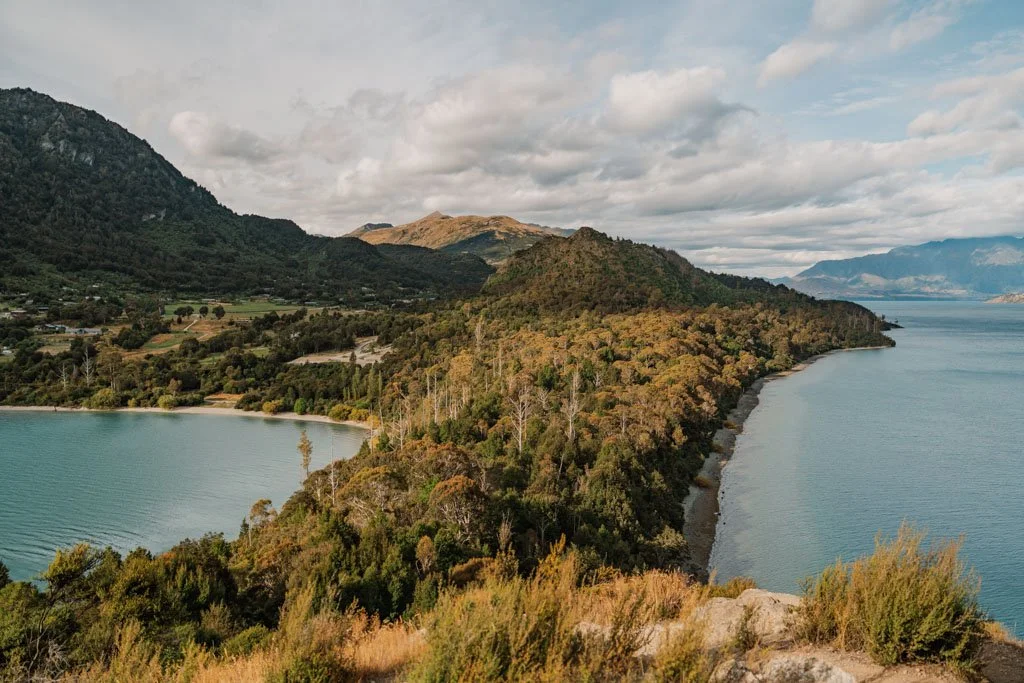
The view from Picnic Point, Bob’s Cove track
Queenstown is a jumping off point for some of the South Island’s best hiking trails; but generally speaking, tracks are more than an hour’s drive from the town.
For day hikes, your best bet is to either tackle Ben Lomond, or head towards Glenorchy and Mount Aspiring National Park.
Bob’s Cove
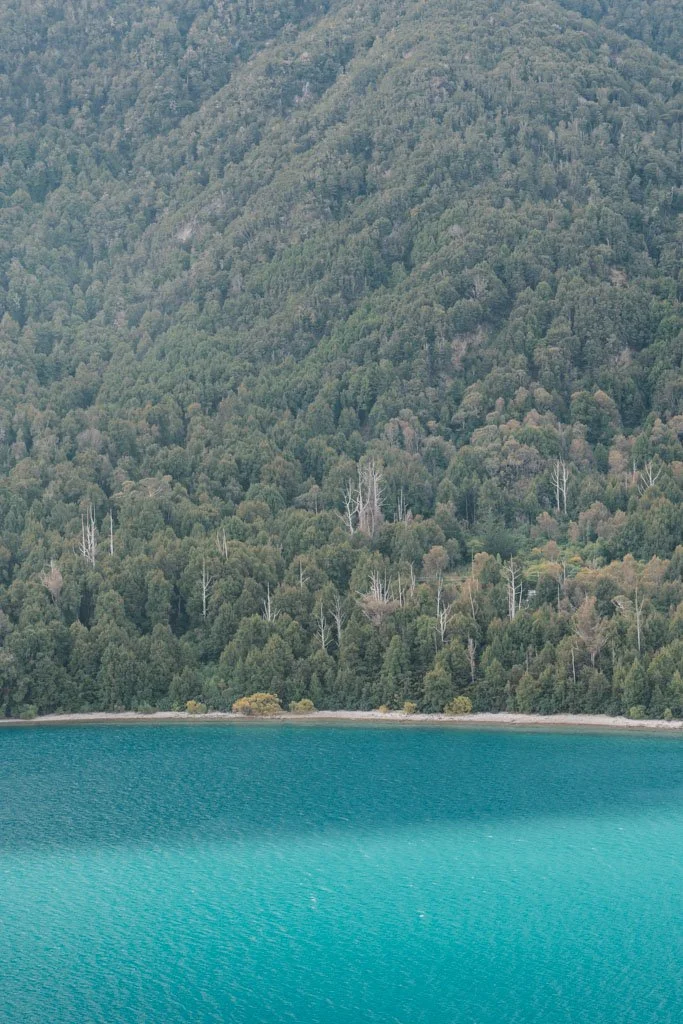
Bob’s Cove
Highlights of this walk are that it’s short (around 1 hour return; it passes by a pretty jetty; and it climbs to an equally pretty lookout point. The trail does carry on to Twelve Mile Delta, but most people walk this as an out and back trail, descending the same way.
This is a popular walk, so the carpark can get very busy in summer – if you’re planning to extend the walk to Twelve Mile Delta, consider parking at that end to avoid the struggle to find a park at Bob’s Cove.
⏱️ 1 hour return
Ben Lomond
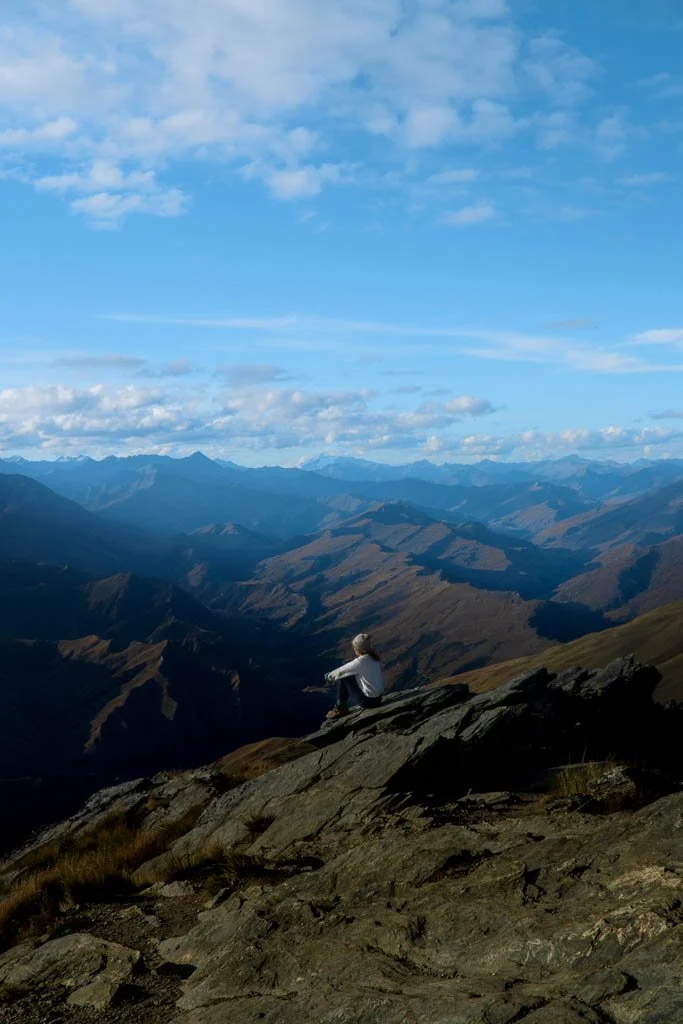
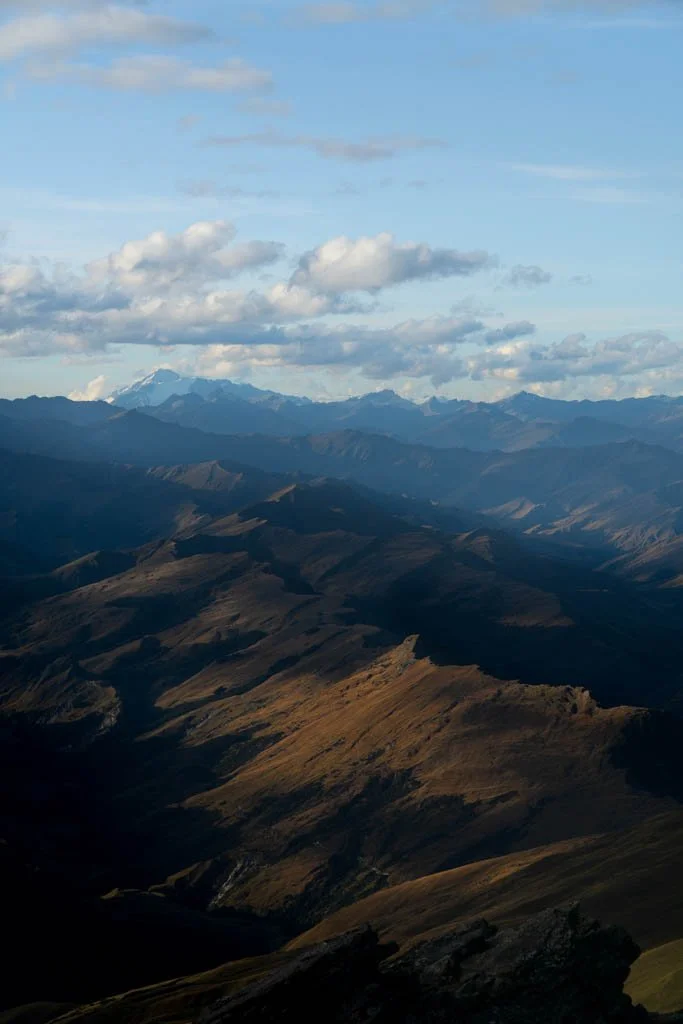
Ben Lomond is the most accessible of the peaks towering around Queenstown. The return hike to the summit can take between five and eight hours; if you have the time and the fitness, this is the best trail in the area. The extraordinary views from the summit encompass Lake Wakatipu, the Remarkables mountain range, and the peaks of Mount Aspiring National Park.
The track is well marked, but climbs into alpine terrain. Take a day pack with food, water, and warm layers for when you pause for breaks or at the summit.
The hike starts from the township, via the Tiki Trail, which climbs a steep hillside to Bob’s Peak (the location of the Skyline luge complex). To shave off some time and effort – and to be frank, the least interesting part of the trail – you can catch a ride on the gondola. From Bob’s Peak, the route is clearly marked, setting off at a much more agreeable elevation (although it’s still a steady climb).
After around one and a half hours, you should reach the Ben Lomond saddle. The saddle is a great destination in itself. The views from there are already spectacular. For families, or less keen hikers, this makes a good turnaround point.
If you carry on to the summit, there’s around another hour of walking ahead. Be prepared for the track to get steeper and rougher; although the views ratchet up alongside the difficulty. When you pause to catch your breath, you can admire tussocked hills falling away from you in golden folds, the odd sheep, and glimpses of Lake Wakatipu and Moke Lake.
Reaching the summit is a triumph; the reward 360 degree views of the entire area. You will feel, in many senses of the phrase, on top of the world.
The Routeburn to Routeburn Flats, Routeburn Falls, or Harris Saddle
Harris Saddle is the crescendo of the Routeburn Track. On a clear day, it makes for a very good, but very long day hike. A shorter option is to walk as far as Routeburn Flats Hut (4 hours return) or Routeburn Falls Hut (6 hours return). No matter where you get to on the trail, the Routeburn Track is spectacular enough that this is likely to be the best day hike you do near Queenstown.
From the Routeburn Shelter, 30 minutes beyond Glenorchy on a partially unsealed road, you can set off on the Routeburn track, to see how far your legs are willing to carry you.
Routeburn Flats is an excellent destination for a half day walk. At around two hours from the carpark, on a trail that is largely flat, this option is suitable for a wide range of fitness abilities.
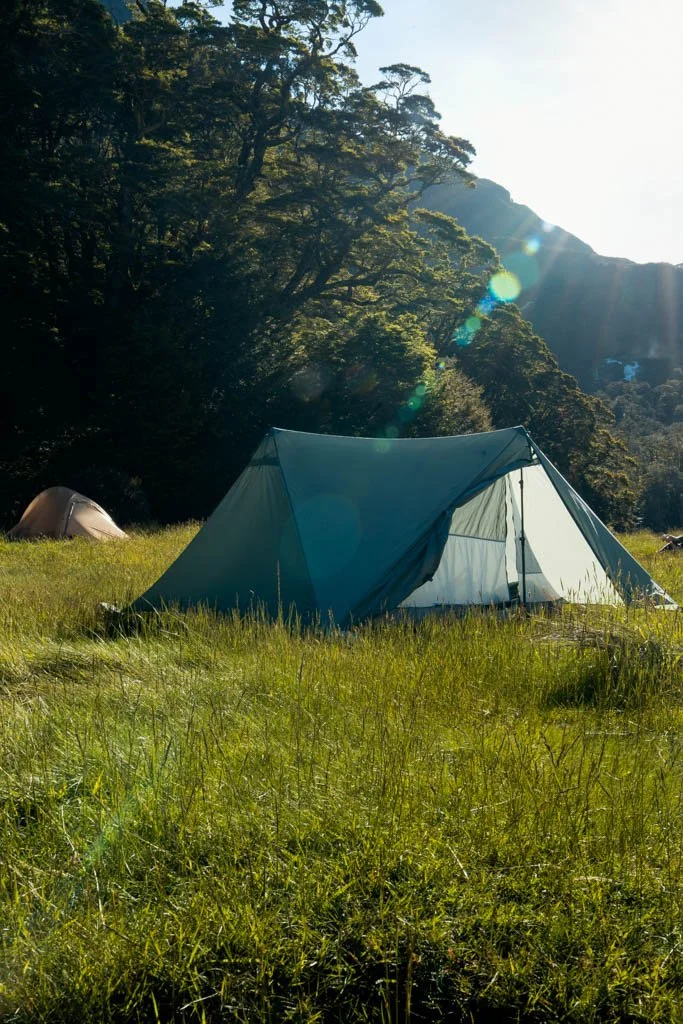
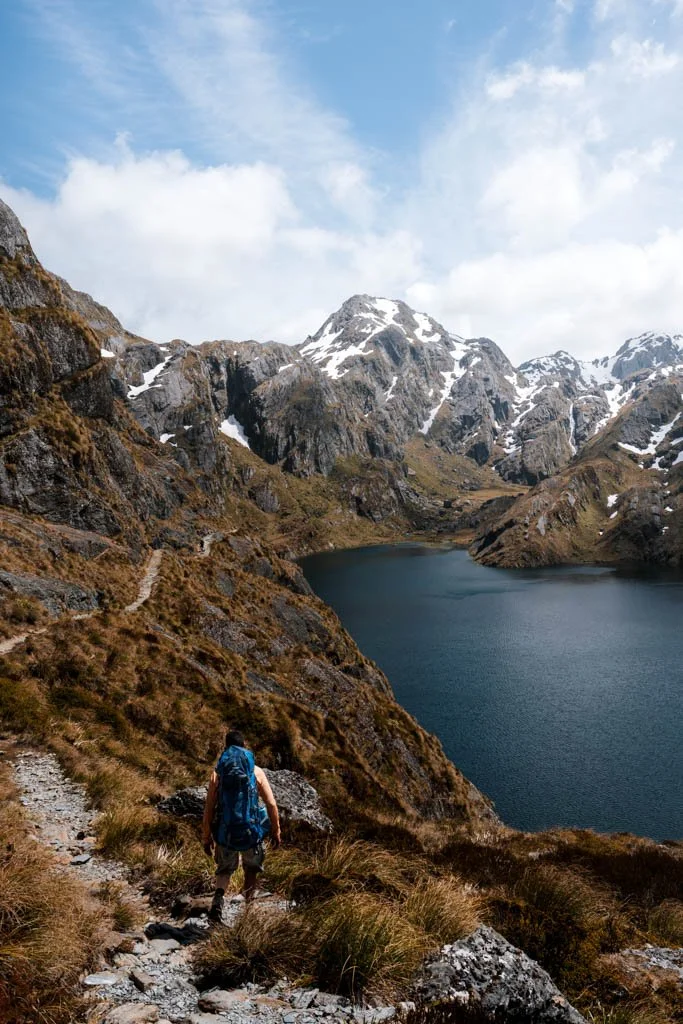
It’s a stunning walk alongside the glass blue river as well, and the Routeburn Flats area – where you’ll find the first hut on the multi day trek – is an ideal picnic spot. There are mountain and waterfall views, an idyllic river that makes for a bracingly cold dip, and even flush toilets.
If the weather is on your side, and you want to continue, the next stop is Routeburn Falls hut. It’s a steady one hour climb from Routeburn Flats to the Falls hut, but the incline is gradual enough, and the views spectacular enough, that it’s not an unpleasant ascent. The Routeburn Falls hut has beautiful views of the valley below, and a little behind the hut is a stream flowing through a small canyon.
Harris Saddle is another 1-2 hours beyond Routeburn Falls, so check in with how you’re feeling and how much daylight you have left. If you’re up for it, carry on into the alpine basin until you reach the saddle and the stunning, deep blue Lake Harris.
Saunas, spas and wellness
It was only a matter of time until the sauna trend reached the alpine climes of Queenstown. New sauna and bathing options are a welcome addition to the mountain town, as Queenstown leans more into luxury and higher end travel.
Watershed Sauna
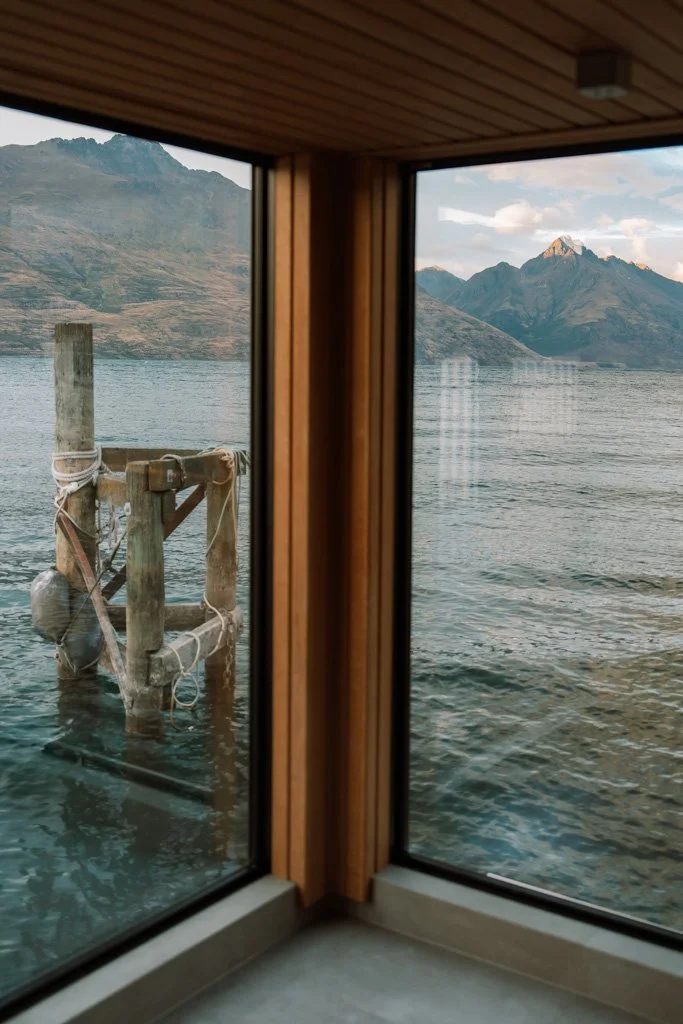
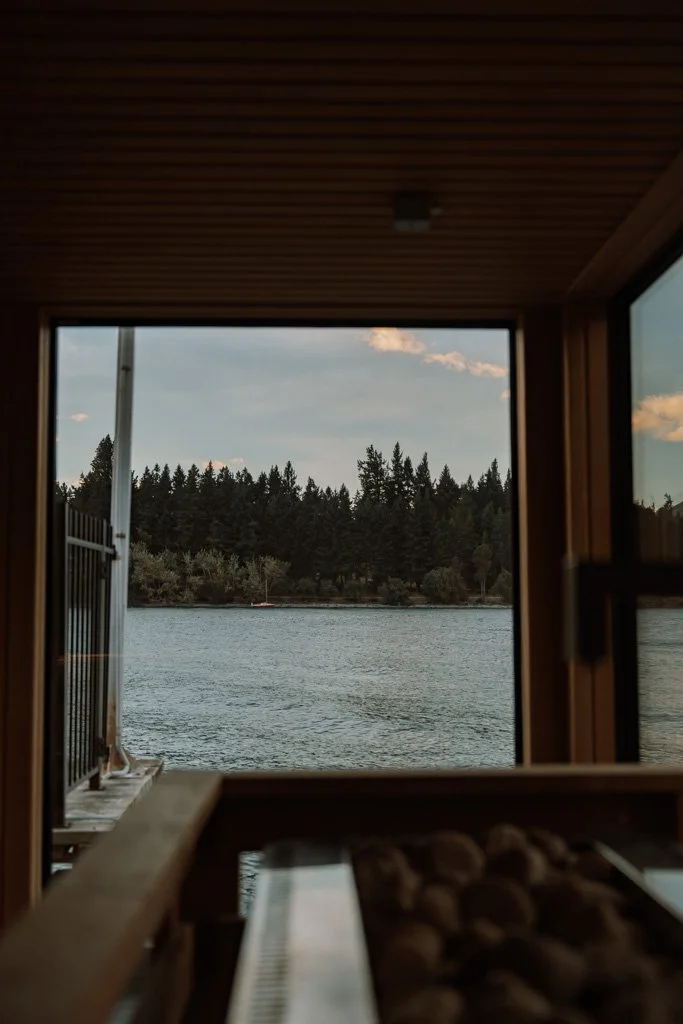
New Zealand’s first floating sauna is a treat. Located close to the centre of Queenstown, it nonetheless feels like an escape.
The ‘floating’ aspect (it’s moored tightly to the St Omer Wharf) means the wood-lined cocoon rocks gently. Views out across the lake are accompanied by creaking noises. I was a little disappointed to discover you can’t freely leap into the lake – the pontoon is enclosed – but there is an opening in the decking where you can climb down into lakewater for a cold dunk; or you can opt to douse yourself with the pull-handle glacial waterfall bucket.
Although more expensive than standard sauna sessions elsewhere, there is more luxury involved in the floating sauna; the price includes two towels, comfortable changing rooms (although no shower).
Watershed Sauna kindly hosted my visit. Prices from $59 for 60 minutes
The Bathhouse Spa Queenstown
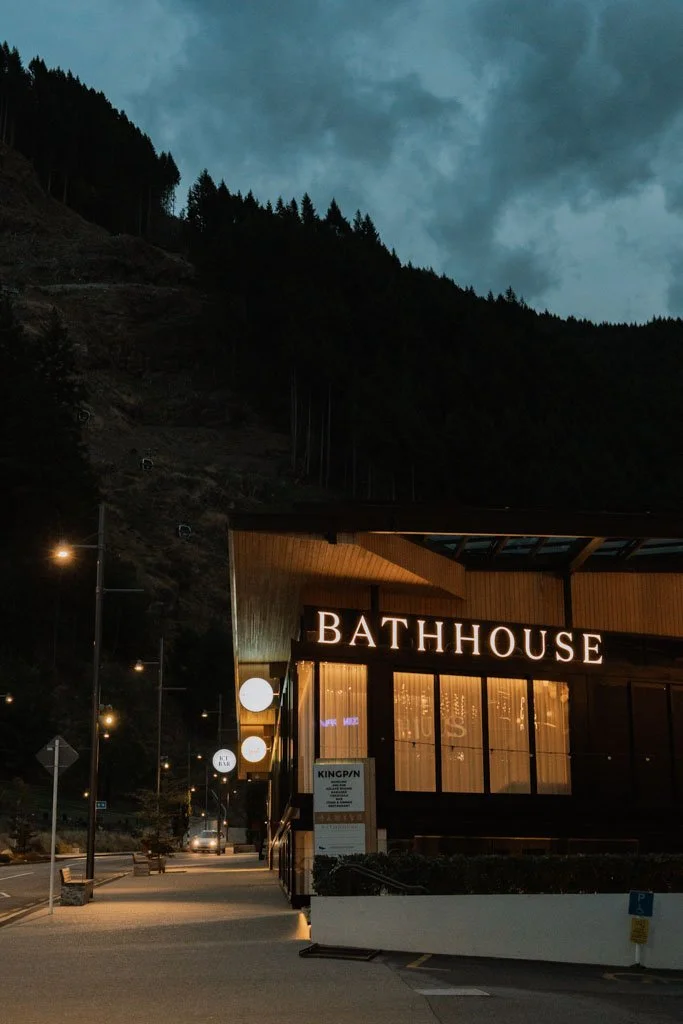
Part of an Australian wellness chain, this ‘European style bathhouse’ doesn’t seem like a uniquely Queenstown experience worth carving out time for (it doesn't have the lake views of Watershed Sauna, or naturally thermal water like similar facilities elsewhere in New Zealand).
But, I have to admit – I loved it.
The Bathhouse has a sauna, steam room, and pools ranging from ice cold to hot. You can help yourself to as much tea and as many plush towels as you like. The supplied toiletries are by Sans Ceuticals, my favourite New Zealand skincare brand. And, by far my favourite part – this is a quiet space; no speaking above a murmur, no phones. The lights are soft. After the busyness and noise of Queenstown, stepping through the thick doors felt very much like entering a sanctuary.
After a long hike, many days in a row of being on the go, I highly recommend taking the time to unwind in this blissfully sense-soothing spa.
The Bathhouse kindly hosted my visit. Prices from $99 for 60 minutes
Arrowtown


Black Teal Bay
Arrowtown is a gold-rush era village so well preserved you half expect to see muddy-booted prospectors trudging down the street in amongst the tourists.
The main street is a short but sweet parade of original buildings. Although the quaint facades have been kept intact, the buildings now house a range of boutique stores, restaurants and bars.
Step into Black Teal Bay to pick up essential oils made from locally-grown lavendar, or The Gold Shop, for lockets made from flakes of gold.
A few minutes walk from the centre is a partially restored Chinese village, dating back to the 1880s. It provides a glimpse into the often overlooked role of Chinese prospectors in the gold rush.
Arrowtown is ideal for a half day out from Queenstown (it’s a 20 minute drive), or as a quieter place to stay while you explore the surrounding area. There are a number of good places to eat and drink in Arrowtown, plus the crowds thin out significantly later in the day.
Millbrook is a golf resort on the fringe of Arrowtown that is so large it’s almost a separate village. I’m no golfer, but I still enjoyed the rolling grounds and luxury of the rooms.
Strolling into Arrowtown in the morning, I loved getting coffee at Wolf Coffee Roasters; stopping for lunch at Provisions of Arrowtown; and later enjoying dinner at La Rumbla.

FEATURED STAY
Millbrook Resort
A quiet and luxurious place to stay in Arrowtown, away from the hustle of Queenstown.
Glenorchy
Tiny Glenorchy is a popular destination for a daytrip from Queenstown.
It’s a 45 minute drive alongside Lake Wakatipu, with a stunning viewpoint on the way at Bennetts Bluff. A short track leads to the lookout, from where you can see the lake stretching in both directions, and Mount Earnslaw/Pikirakatahi squatting amongst other peaks.
Glenorchy village is only a handful of streets by the lake; the main drawcard is the red boat shed that stands by the wharf, ‘Glenorchy’ stenciled in block letters along the front. It makes for a good picture, as the Instagram crowd is well aware.
Other than that, Glenorchy is more of a jumping off point than a destination in itself. North of the village is Paradise, which is little more than a horse paddock, but if you’re a fan of Lord of the Rings you’ll recognise some of the spectacular mountain scenery rising around the farmland. The horse paddocks serve their purpose in any case; High Country Horses (rides from $160 for 1 hour) run horse riding treks through the landscapes, including a ‘Ride of the Rings’ trek which follows a cinematic trail through Paradise.
Then there’s the Routeburn track, across a very scenic bridge crossing the braided Dart River and along a gravel road into Mount Aspiring National Park.
Hiking up to Harris Saddle on the Routeburn Track is a full on day walk, but probably the best single hike you can do near Queenstown.
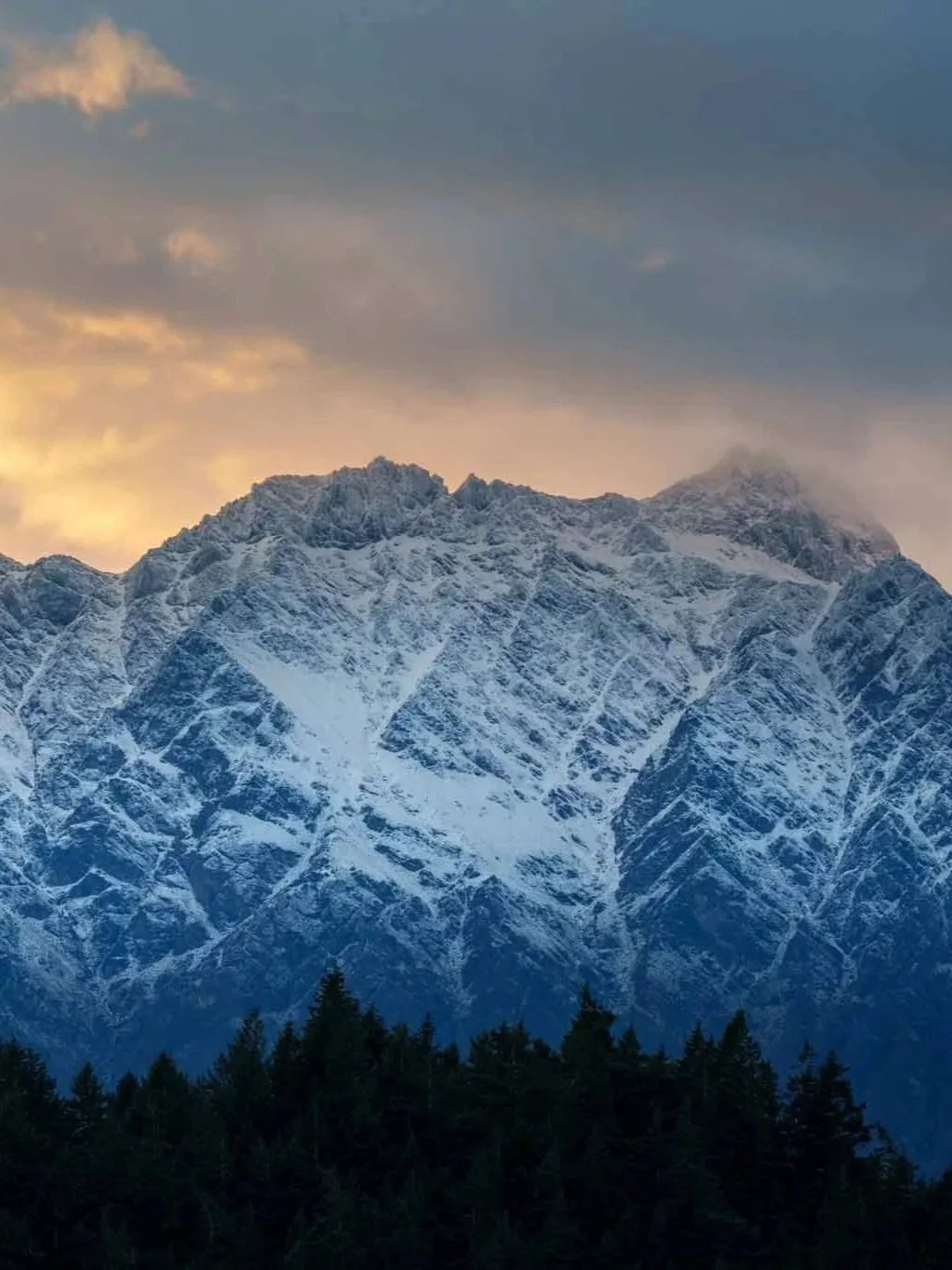
Get my full Queenstown travel guide
Including a map, a hiking guide, and all my favourite places to eat and drink.
Queenstown itineraries
You can easily add Queenstown into these itineraries:
AUTHOR BIO
I’m a freelance travel writer from New Zealand with bylines in National Geographic Travel, Conde Nast Traveler, Travel + Leisure and more.
I’ve travelled up and down beautiful Aotearoa and I love sharing my recommendations for the best places to visit in New Zealand.
READ MORE