A two week South Island itinerary
With 14 days in the South Island, you can see whales, golden beaches, rainforests, and fjords
Disclosure: This two week itinerary contains affiliate links to products I trust. I may make a small commission if you book through these links, at no extra cost to you. Thanks for your support.
It takes more than 11 hours to drive from the top of the South Island to the bottom, non-stop. And stopping is the whole point, so a road trip spanning the whole island can take weeks. Condensing a road trip around the South Island into two weeks is a challenge (how to see the highlights without spending large chunks of your days driving?) but it is manageable. Indeed two weeks is more than many people have to see the long and narrow island down on the edge of the world.
This two week South Island itinerary lands somewhere in the middle of the main tourist route and a slightly lesser trodden path. The luxury of two weeks means you can see more than just the lakes and mountains around Queenstown and Wanaka; the northern part of the South Island holds just as many treasures, but is generally a lot quieter.
How to spend 14 days in the South Island
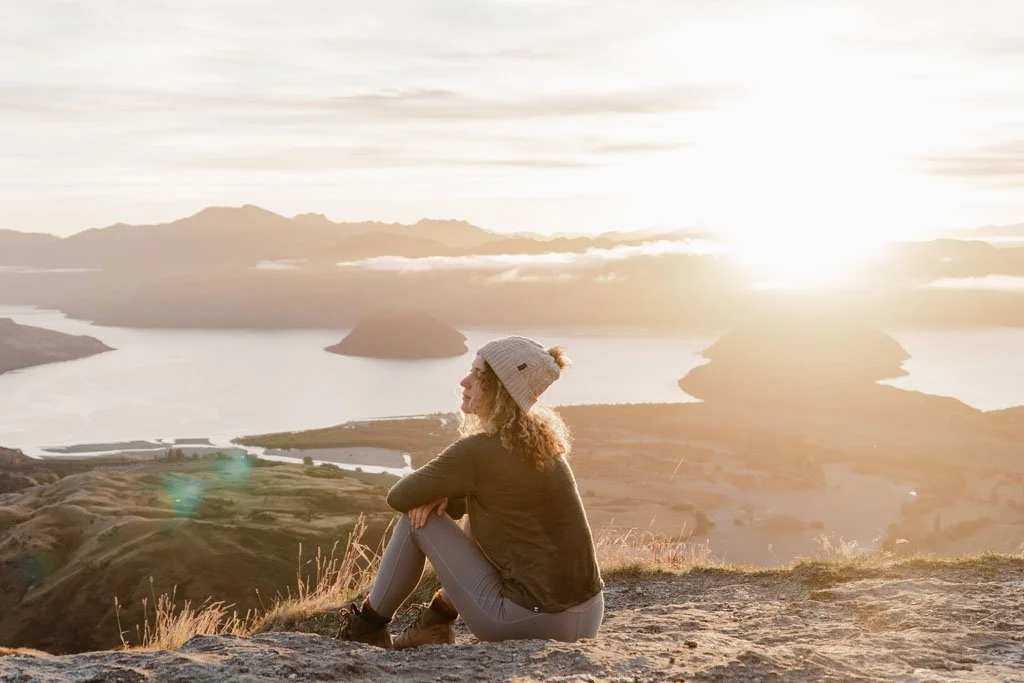
Sunrise at Rocky Mountain, Wanaka
Day 1: Kaikoura
Day 2: Kaikoura
Day 3: Blenheim/Marlborough
Day 4: Abel Tasman National Park
Day 5: Abel Tasman National Park
Day 6: Punakaiki
Day 7: Arthur’s Pass
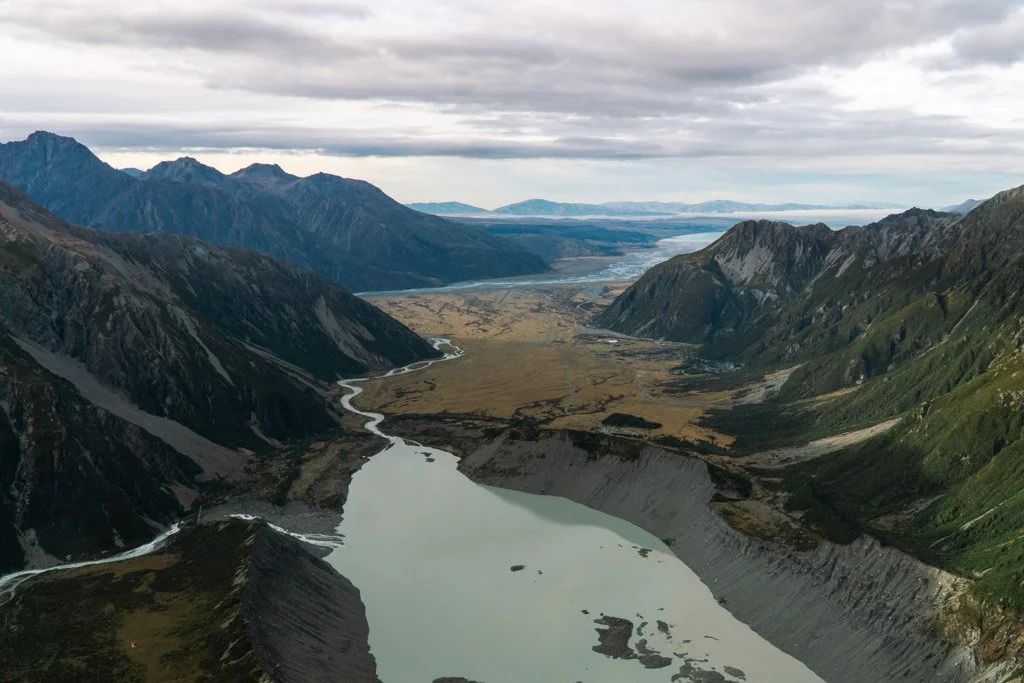
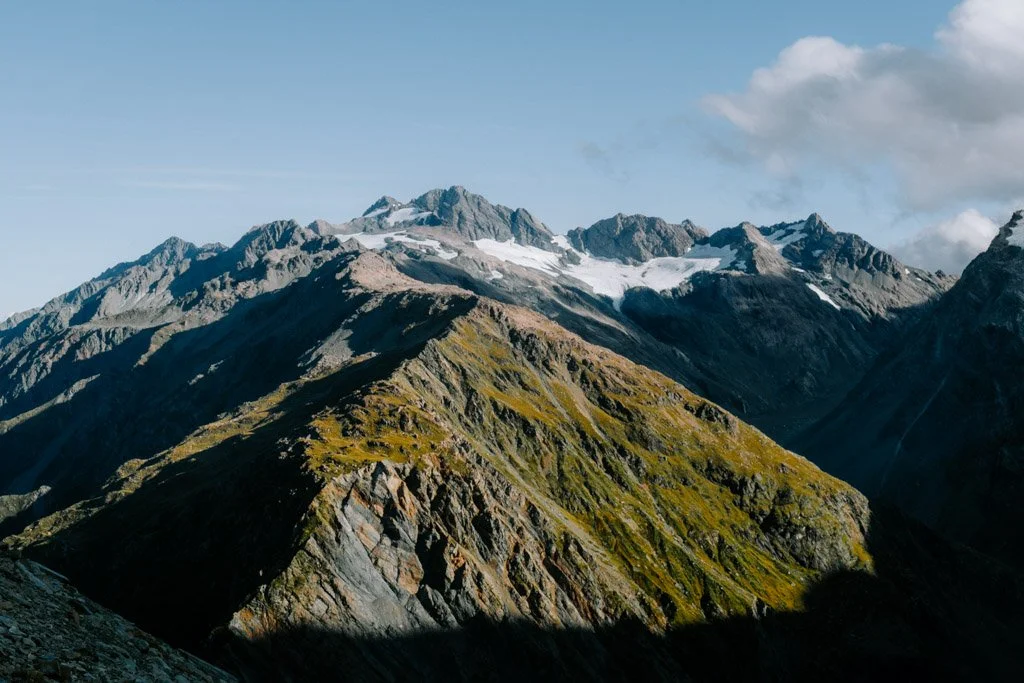
Day 8: Aoraki/Mount Cook National Park
Day 9: Wanaka
Day 10: Wanaka/Mount Aspiring National Park
Day 11: Queenstown
Day 12: Queenstown
Day 13: Doubtful Sound
Day 14: Queenstown
Day 1 | Christchurch to Kaikoura
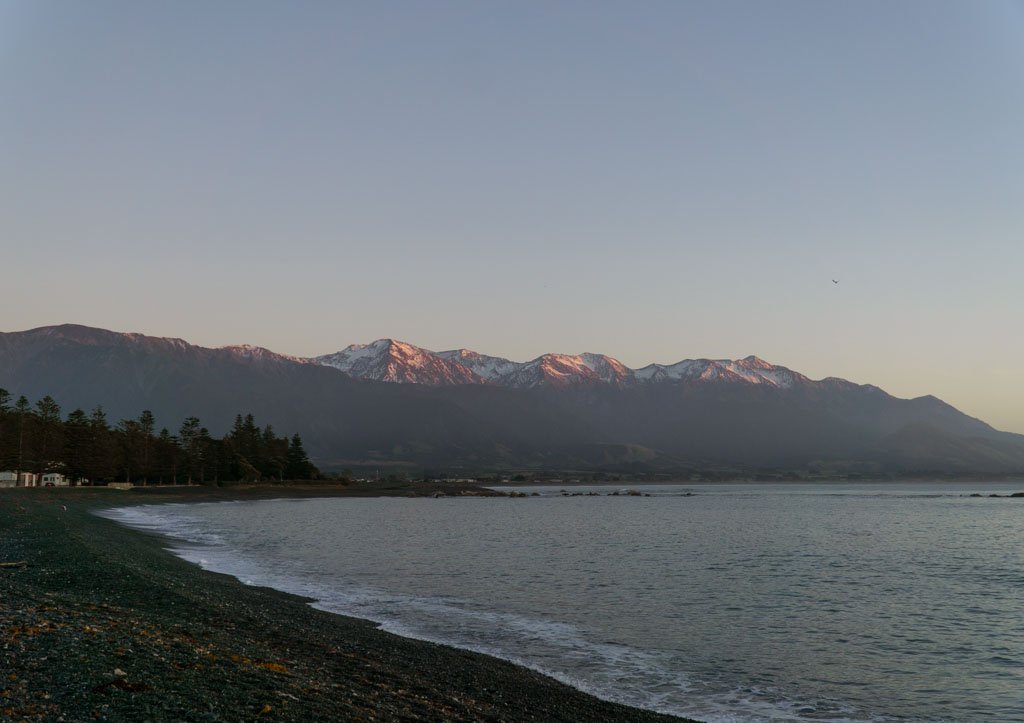
Kaikoura
Start your road trip in Christchurch; the airport makes Christchurch a key entry point to the South Island. You could stop for the night if you’re arriving late, but if timing allows, I would pick up a rental car and head straight out of town. Christchurch is a nice enough place, but when time is limited I much prefer to spend every precious night in the South Island outside of larger towns.
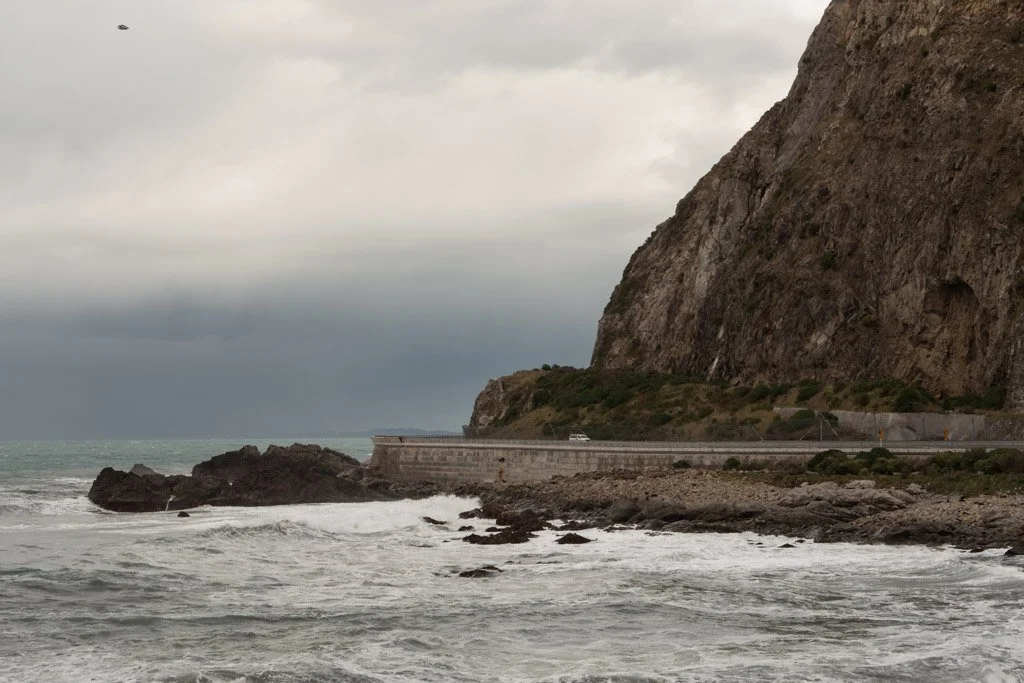
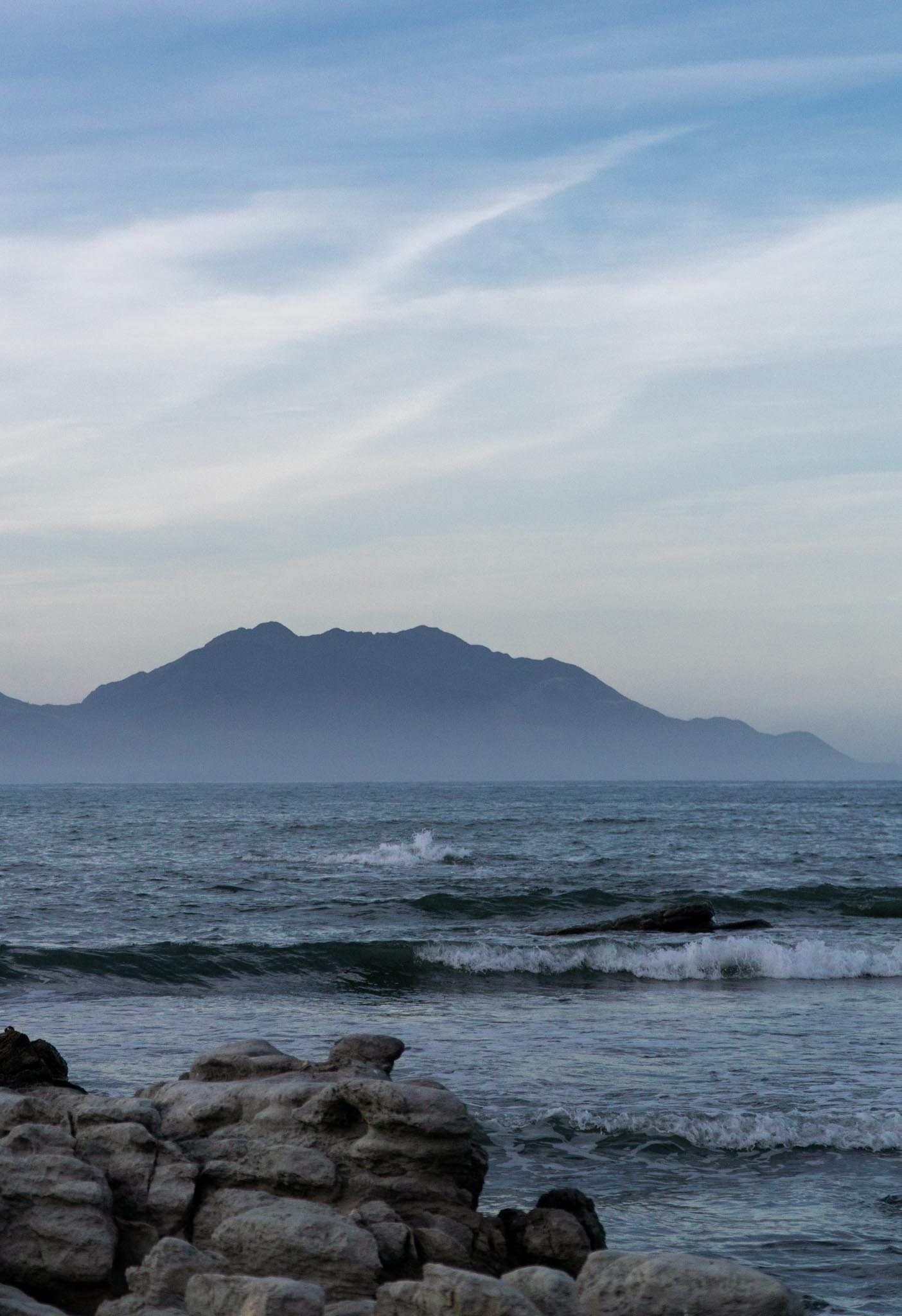
Kaikoura, 2.5 hours north of Christchurch, is close enough to make a good first stop on a road trip. Driving to the small town, either from the north or the south, means hitting one of the best stretches of coastal road in the country. The blue swirl of the Pacific ocean against pale rocks and pebbled beaches, the rise of the seaward ranges; I always end up pulling over many times to take it all in, almost always arriving in Kaikoura later than planned.
The town itself is low key, a long strip with a railway running through. I like it that way. Despite visitors coming from far and wide to see whales – by boat and by air – dolphins, seals, albatross, and the other marine life that makes this particular part of the coast so special, Kaikoura remains unpretentious.
Stay in Christchurch
Stay in Kaikoura
Day 2 | Kaikoura
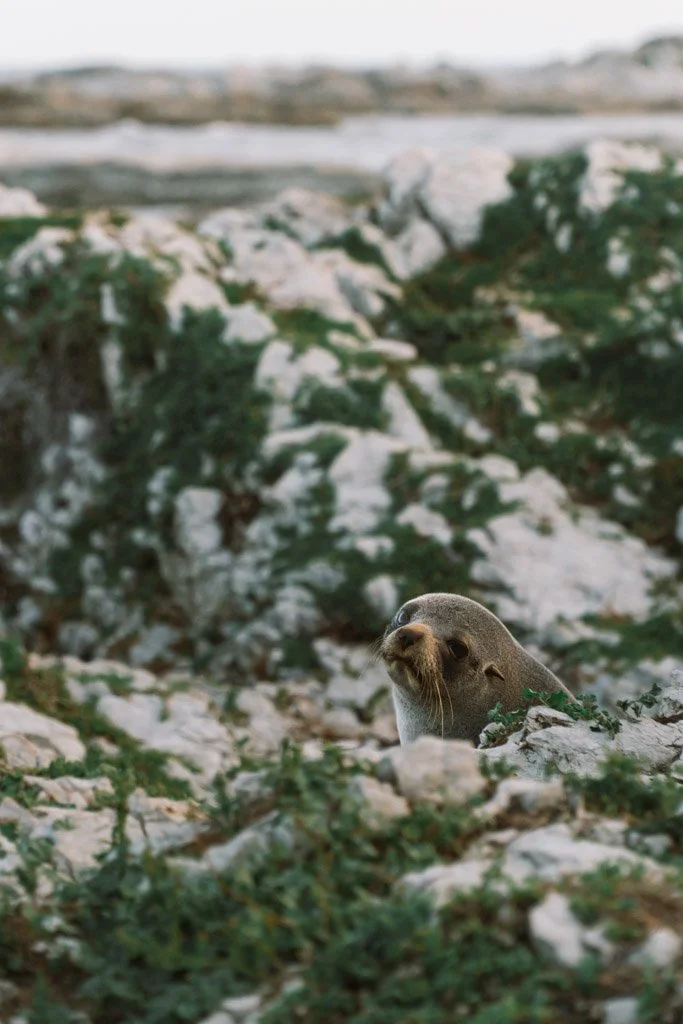
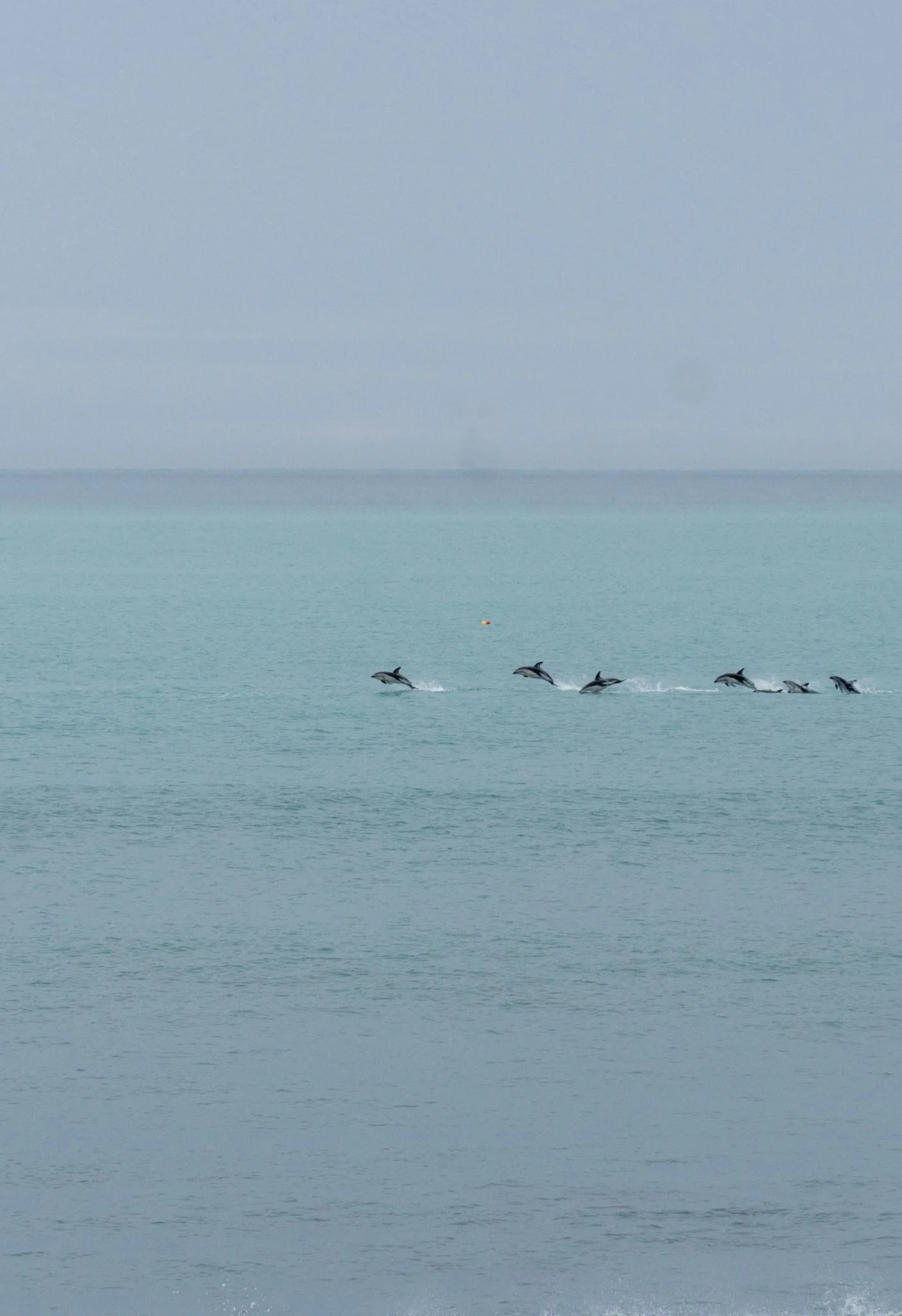
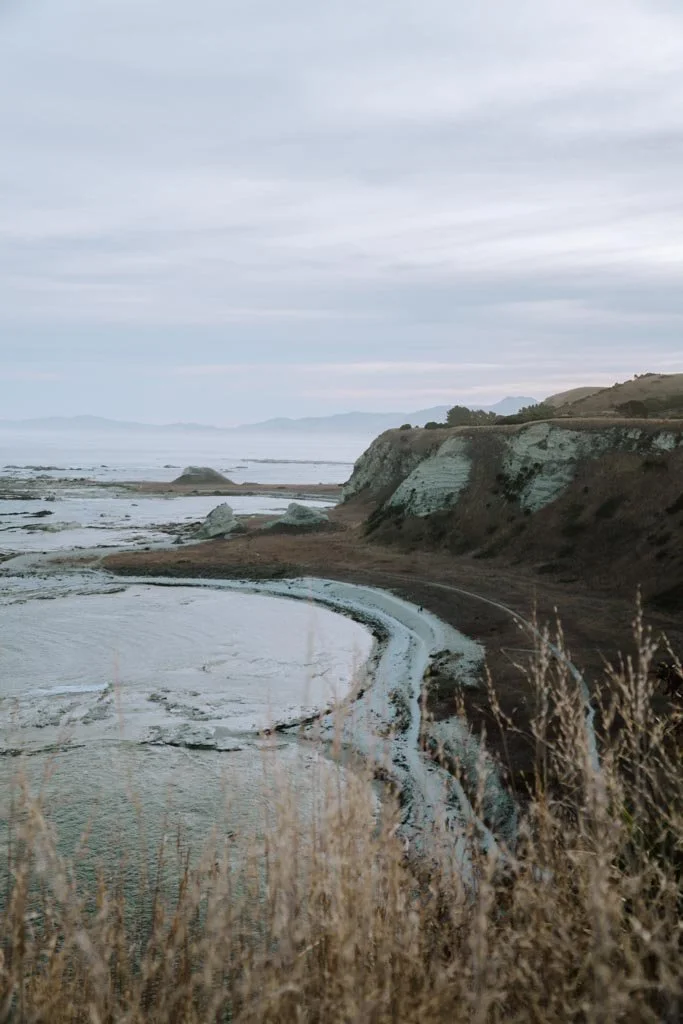
The reason for such abundant marine life in Kaikoura is the underwater canyon running just off the coastline. It plunges to alarming depths of more than 1 kilometre exceedingly quickly (the whale Watch boat tracks the depth beneath its catamarans, and in the space of a minute or so, the sea floor seems to disappear), funnelling up nutrients from the deep sea which feeds a food chain of cetaceans, seals, and other marine life. The bounty brought by this quirk of oceanic topography is where the town gets its name; kai is food, kōura is the crayfish which flourish in these waters.
The largest toothed predator on the planet is the biggest attraction in Kaikoura; to see the sperm whales that skirt close to the coastline in Kaikoura, board a boat trip with Whale Watch or a flight with Air Kaikoura. From the boat, sightings of the whales are fleeting but still magnificent.
Other wildlife activities include swimming with dolphins, swimming or kayaking with seals, or going out to encounter albatross on a boat. Even on land you can spot wildlife. Walk the Kaikoura Peninsula Walkway to see the seal colony there. You might even see rogue seals hopping through the car park.
If you want to get a taste of the seafood in the area (the name Kaikoura neans ‘to eat crayfish,’ after all) head a little north of town, to a humble roadside stall serving up freshly caught crayfish. Nin’s Bin is iconic, and possibly one of the best places to try seafood in New Zealand.
Activities
Day 3 | Explore the Marlborough region
Drive time: 1 hour 45 minutes
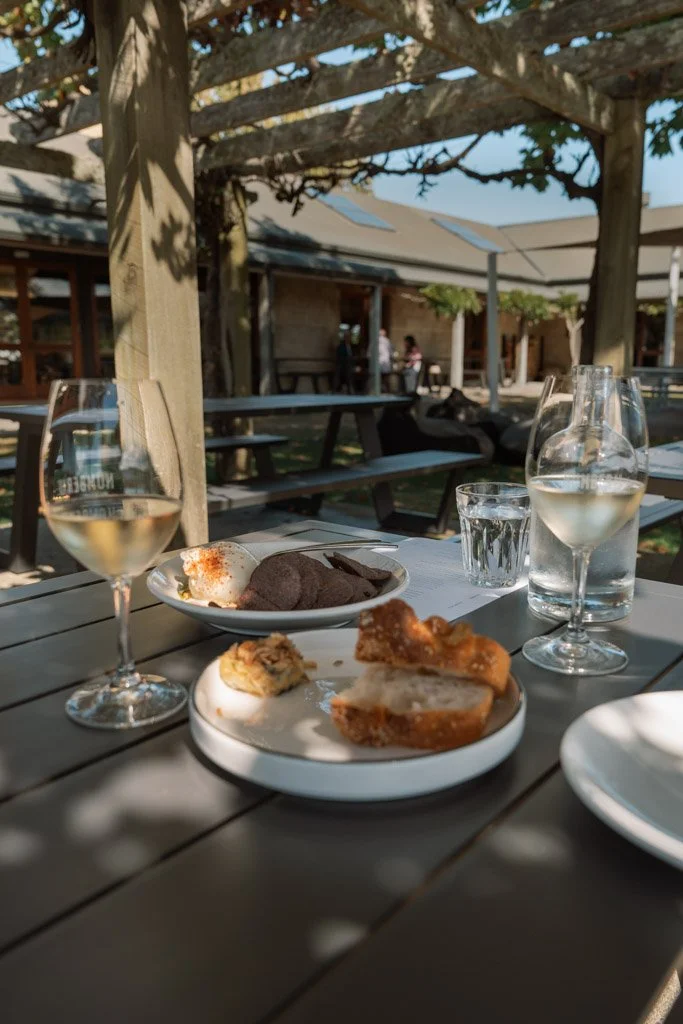
Wairau River Wines
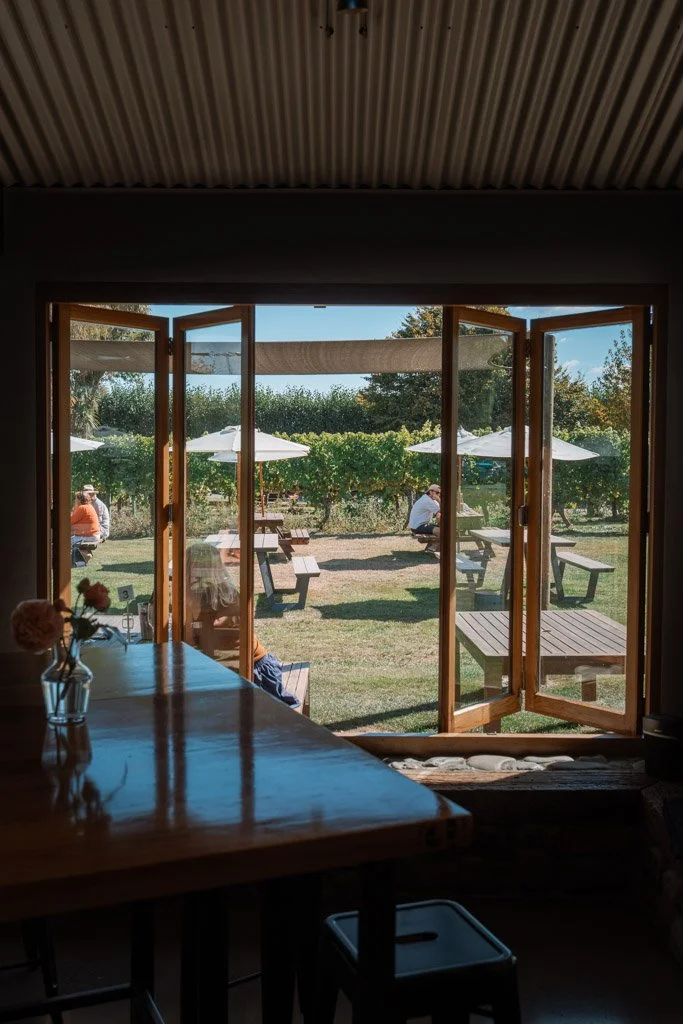
Forrest Wines
It takes around two hours to drive from Kaikoura up the coast to Blenheim and the Marlborough area. On the way, stop at The Store, a seaside cafe and campground, for a coffee break overlooking the ocean.
You could skip straight through Marlborough on your way to Abel Tasman, but seeing as the area is roughly halfway between Kaikoura and the national park, it’s a nice place to stop for a night. My top recommendations for the area would be to check into the pretty Wine Barrel Cabin and go for dinner at Arbour; the wine pairing at Arbour focuses on local wines was as good as any of the tastings you can do at wineries nearby.
Otherwise, you could find a place to stay in Blenheim (which is a largely uninteresting, but conveniently located town) and spend an afternoon visiting wineries. Wairau River has good food, a spacious garden, and great wine. I also enjoyed the live music at Forrest Wines’ Sunday Sessions, if you happen to be passing through on a weekend. Saint Clair is another good option for food, while Nautilus Estate has a picturesque cellar door and is one of the smaller producers in the area (many of the vineyards around Marlborough make wine on a mass scale).
Stay
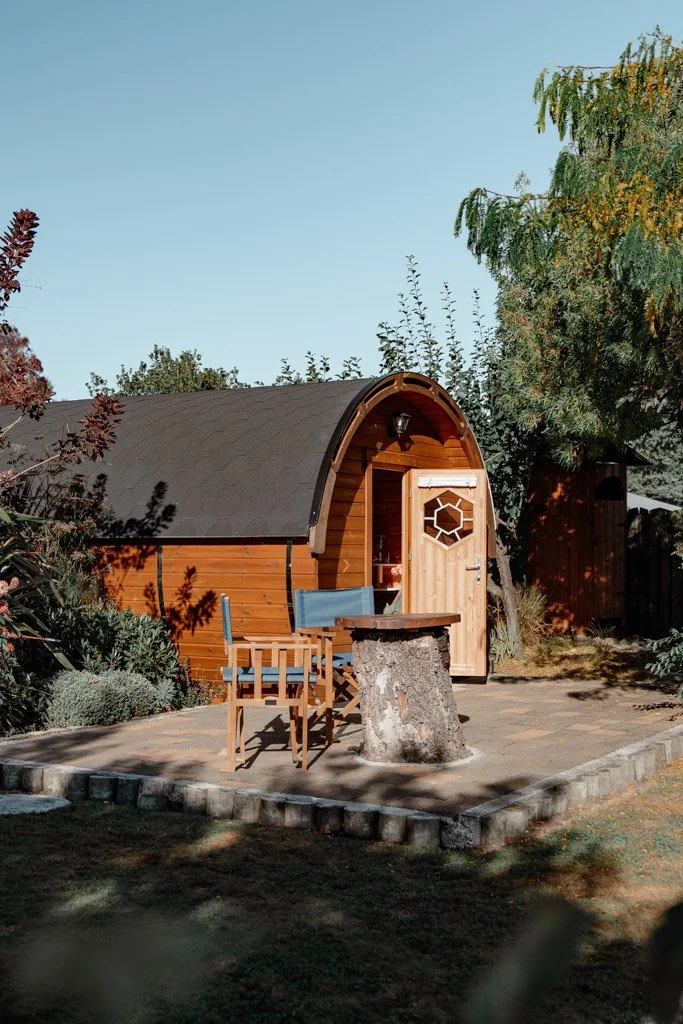
The Wine Barrel Cabin
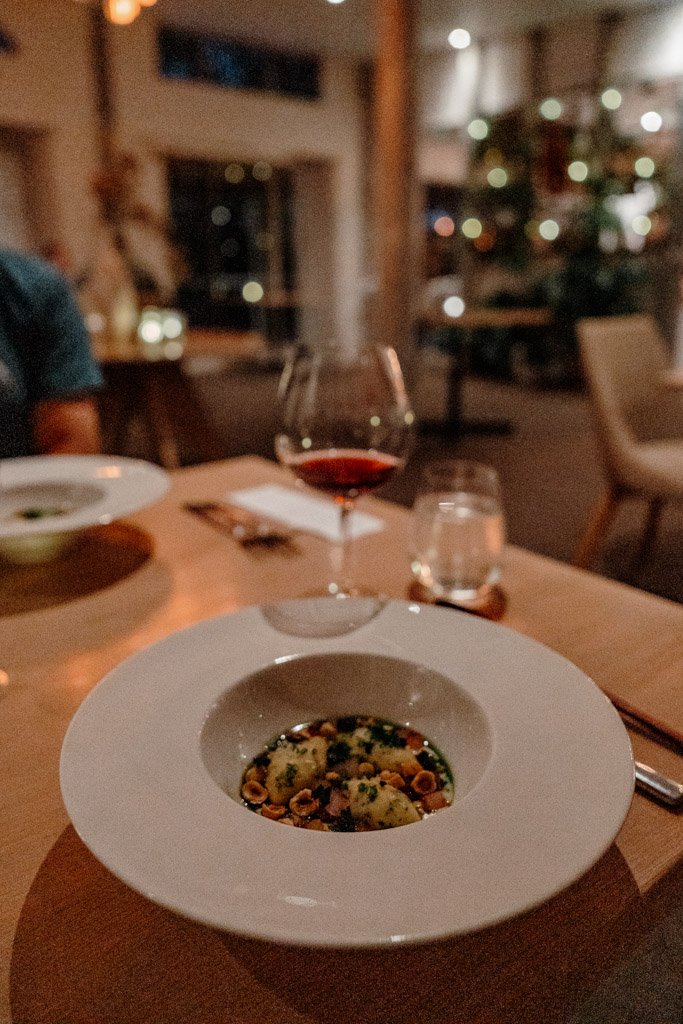
Arbour Restaurant
Activities
Wine tasting; I like Wairau River and Nautilus (directly opposite each other)
Go for dinner at Arbour
Itinerary notes
This route skips past the Marlborough Sounds, a beautiful area with coastal hikes and places to stay. As an alternative to Abel Tasman National Park, you can catch a water taxi from Picton into the Marlborough Sounds, and hike sections of the stunning Queen Charlotte Track (if you have time, the entire walk is wonderful — it takes 3-4 days to walk the whole thing). Or, stay for two nights in the lovely Hopewell Lodge to spend a day kayaking on the sounds and swimming from their peaceful beach.
You can also head into the Marlborough Sounds via road, but it takes a long time to get anywhere. Roads are narrow, often unsealed, and in some places follow razor sharp ridgelines. And they’re one way. If you’re game, French Pass feels like the end of the world. It’s a nerve-racking but beautiful drive.
If you would prefer to minimise driving, or have less interest in the beaches around the top of the South Island than the mountains in the centre, you could cut more directly across to the West Coast via Lewis Pass and Maruia Hot Springs. The naturally thermal pools are one of my favourite overnight stops on the South Island, and make a good halfway point between Kaikoura and Punakaiki. If you go this way, you could then carry on all the way down the West Coast and make your way back to Wanaka through Haast Pass.
Day 4 | Make your way to Marahau or Kaiteriteri
Drive time: 3 hours

Pelorus River
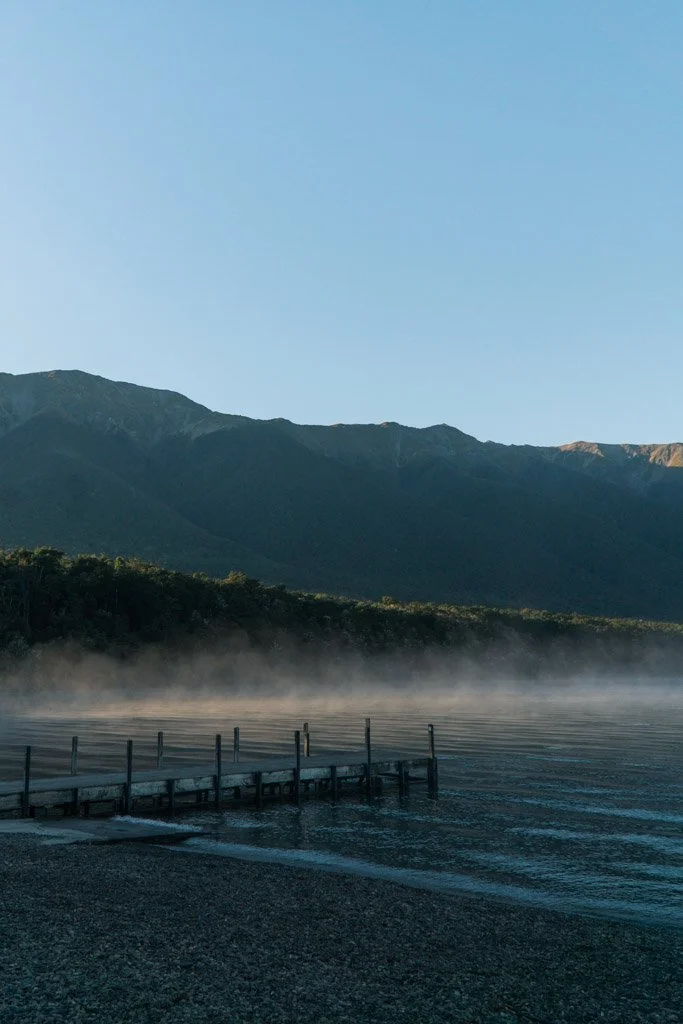
Lake Rotoiti
From Blenheim, you can choose two routes to Abel Tasman. Head towards Nelson Lakes National Park and you’ll pass through St Arnaud, where you can stop by Lake Rotoiti for beautiful lake views. If you wanted to, you could fit in the 5 hour Mount Robert loop walk, which showcases some of the national park’s incredible scenery.
Or, choose the slightly quicker route that goes via Havelock — the green lipped mussel capital of the world, and a good place for lunch — and Pelorus Bridge. I am very fond of Pelorus Bridge and stop there every time I drive through, for a short walk and a bracingly cold swim in the perfectly clear river.
As you head towards Abel Tasman National Park, if you have a spare 30 minutes, turn off to see the Riwaka Resurgence. It’s a magical spring welling up straight from the earth. The water is ice cold, so you can go for a cold plunge.
Otherwise, you could aim to arrive in Kaiteriteri/Marahau in the early afternoon. If the sun is shining on you, Kaiteriteri and Split Apple Rock are both beautiful beaches for swimming and whiling away a lazy afternoon.
Stay
Kaiteriteri is a resort-like town right on a stunning golden sand beach. It’s a beautiful location, but busier and more developed by the waterfront than Marahau, which is a smaller village right at the start of the park.
Abel Tasman Lodge (Marahau)
The Barn Cabins and Camping (Marahau)
Itinerary notes

Wharariki Beach

Wharariki Beach
If you want to get further off the beaten track, consider adding an extra night around Abel Tasman, and heading over to Golden Bay. This does add a bit of driving, but Golden Bay is a gorgeous area. You can spend a day driving out to Wharariki Beach, visiting Waikopururu Springs, and swimming in the bottle green rivers in the area. Visiting Abel Tasman National Park from the Golden Bay end means seeing the quieter part of the park as well.
Another option is to stay within the park itself.
Day 5 | Abel Tasman National Park
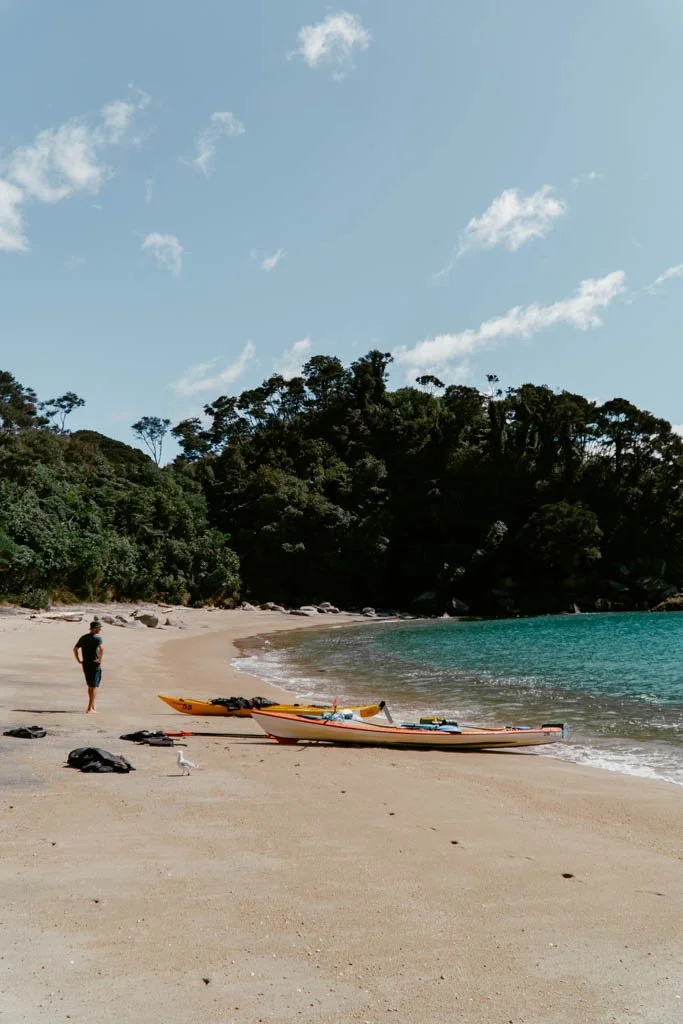
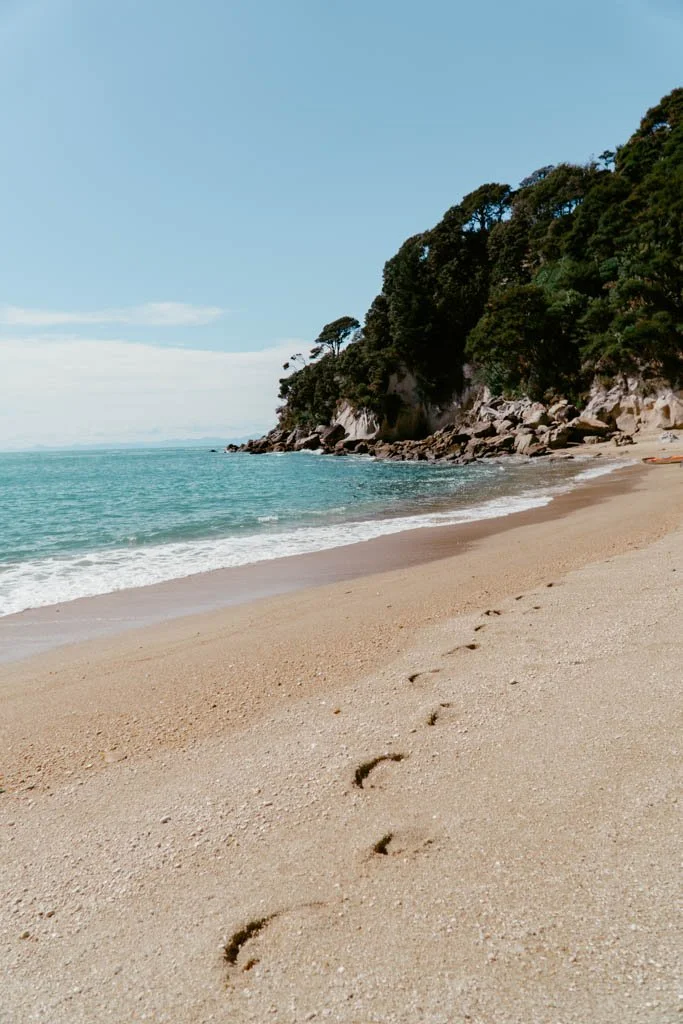
At 22,500 hectares, Abel Tasman National Park is postage-stamp sized next to Fiordland, New Zealand’s largest national park spanning 1.2 million hectares. But, as the saying goes; good things come in small packages. Abel Tasman delivers some of the best beaches, camping, kayaking, and coastal walking in New Zealand.
It’s ideal for kayaking, hiking, and swimming, with golden beaches strung out along the coastline. You can walk sections of the Abel Tasman Coast Track as day walks, or rent kayaks to explore parts of the coast, with water taxis helping you link up these different adventures.
Popular sections to tackle as day hikes include Bark Bay to Anchorage (3.5 hours), Torrent Bay to Bark Bay (2.5 hours), Bark Bay to Awaroa (3 hours) or Onetahuti to Awaroa (1 hour).
While the options might sound confusing, you really can’t go wrong – almost every section will feature at least one beach and coastal views along the way. If I had to choose, I would avoid Anchorage (as the busiest part of the park) and aim for one of the walks that finishes in Awaroa, where you can enjoy lunch at Awaroa Lodge. The Bark Bay to Awaroa stretch will take you past Tonga Quarry Beach, which is particularly lovely.
Activites
Hike a section of the Abel Tasman Coast Track. I recommend Bark Bay to Awaroa.
Kayak part of the track, or opt for a combined hiking and kayaking trip.
Day 6 | Punakaiki
Drive time from Marahau to Punakaiki: 4.5 hours
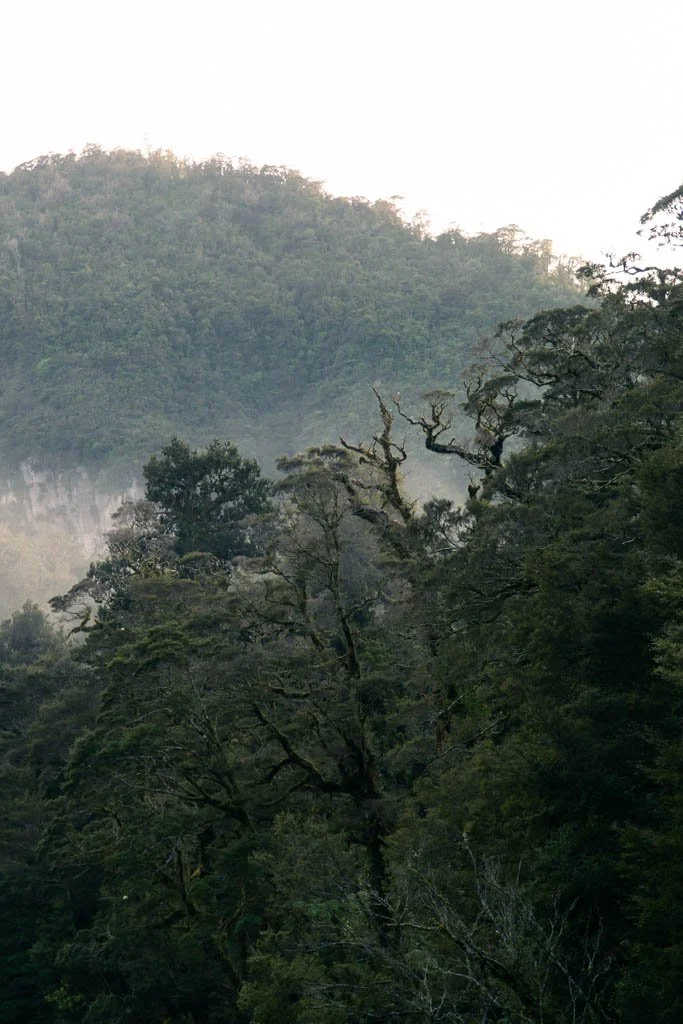
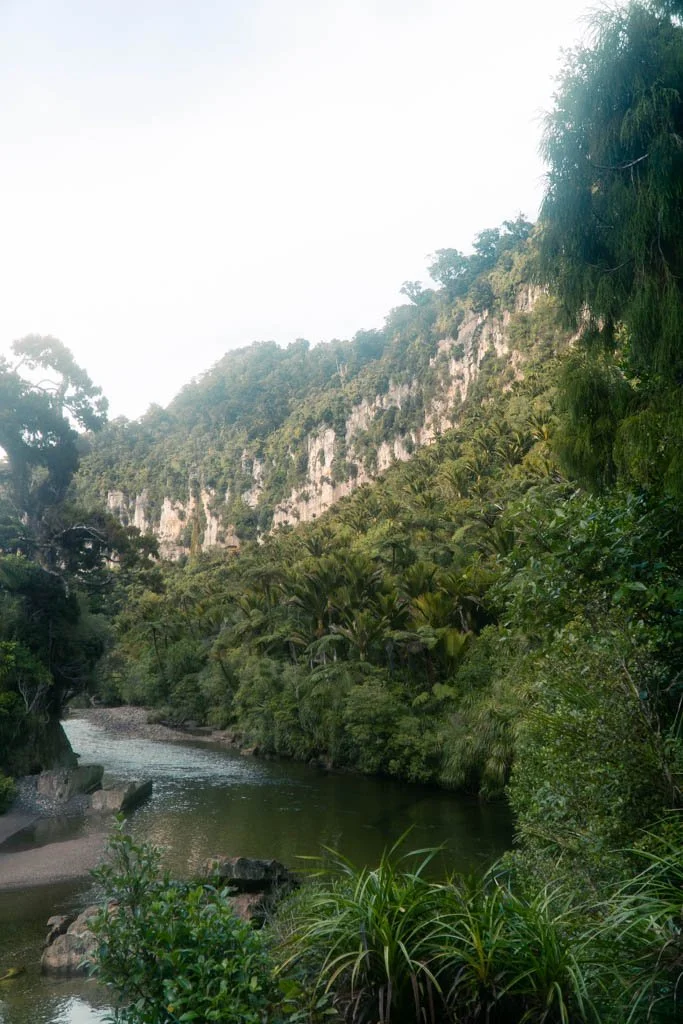
From the Abel Tasman area, it’s a long drive – around 4 hours – to reach the West Coast. It’s a beautiful trip, though, heading through the mountains and into the Buller Gorge, before hitting the coast. The section of road just north and south of Punakaiki is possibly the most scenic bit of highway in New Zealand.
The West Coast of the South Island is one of my favourite parts of the whole country. It’s wild and beautiful, and Punakaiki is a perfect little microcosm of what makes the region special. Right on the edge of Paparoa National Park, there are short walks in the area which give you a taste of the dense rainforest that lines the coast.
One night in Punakaiki is generally enough. Even if you arrive sometime in the afternoon, you should have time to fit in the Blowholes walk (a 30 minute loop) and the Truman Track (30 minutes return).
Activities
Stay
Punakaiki’s remoteness means it’s a great area to search for quirky and unique holiday homes. Here are a couple I have loved:
Itinerary notes
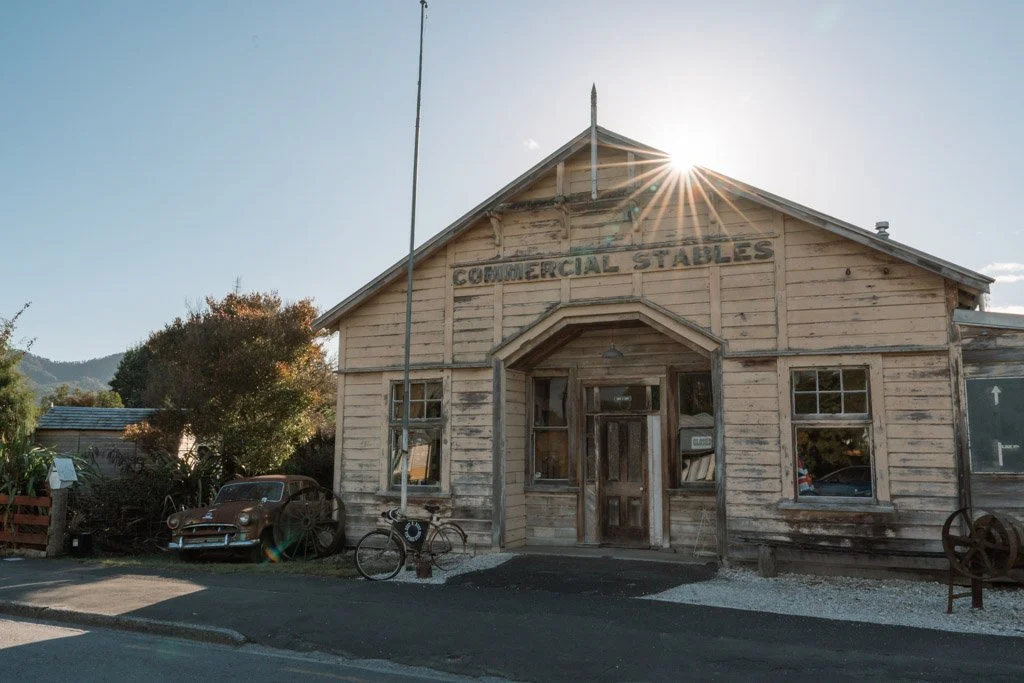
Murchison
If you want to break up the drive from Abel Tasman to the West Coast, Murchison is a surprisingly cute place to stop over. The Grand Suites hotel is almost brand new, so the rooms are modern and clean. The Lazy Cow restaurant serves good food in a lovely setting, and in the morning, The Little Local does good coffee.
Day 7 | Journey through Arthur’s Pass
Drive time from Punakaiki to Arthur’s Pass: 2 hours
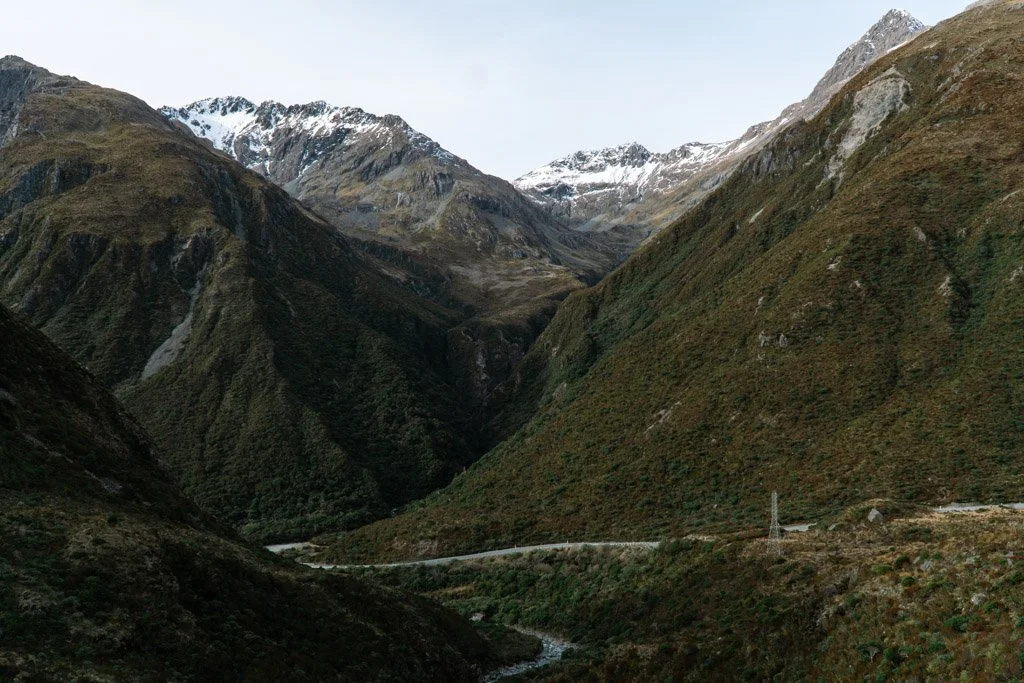
After putting Punakaiki in your rearview, enjoy the drive down the coast until you turn to cross the Southern Alps via the strikingly scenic road through Arthur’s Pass. There is a small village in Arthur’s Pass, with a couple of places to eat (that are, I warn you in advance, disappointing), some friendly kea, and a handful of walking tracks. The Devil’s Punchbowl Waterfall track is the most popular of these, a short climb up to a lookout for the impressive falls.
There are longer hiking trails deeper into Arthur’s Pass National Park, but for casual hikers a couple of hours is all that you need to see a little of the area.
Although there are a handful of places to stay in Arthur’s Pass itself, it’s worth considering continuing on, to more evenly split the driving between Punakaiki and Aoraki/Mount Cook. You could spend the night in almost any of the small towns strung out along the lonely roads to Aoraki.
I stayed in Springfield (at the Springfield Motel) which was a convenient place to stop for the night. Methven is worth considering, as you’ll be close to the Opuke Thermal Pools, or Geraldine is another lovely option for an overnight stay — there is a surprising amount of good food there, including locally made cheese, gin, and the whole Barkers range.
Stay
Day 8 | Aoraki Mount Cook National Park
4 hours from Springfield to Aoraki/Mount Cook/2.5 hours from Geraldine
If you stay at the Springfield Motel, in the morning your first stop of the day can be the Sheffield Pie shop ten minutes down the road. They open at 6.30am, so no matter if you’re an early riser. You’ll be in line with the truckies and tradies getting their pie fix in before the sun is fully up.
There’s a good few hours of driving between Springfield and Aoraki/Mount Cook. Funnily enough, you’ll also drive past the Fairlie Bakehouse, another legendary pie shop. So if you have the stomach for it, you can wrap your laughing gear around a second pie of the day. I prefer the Sheffield pies myself, but I think it’s an excellent topic for debate.
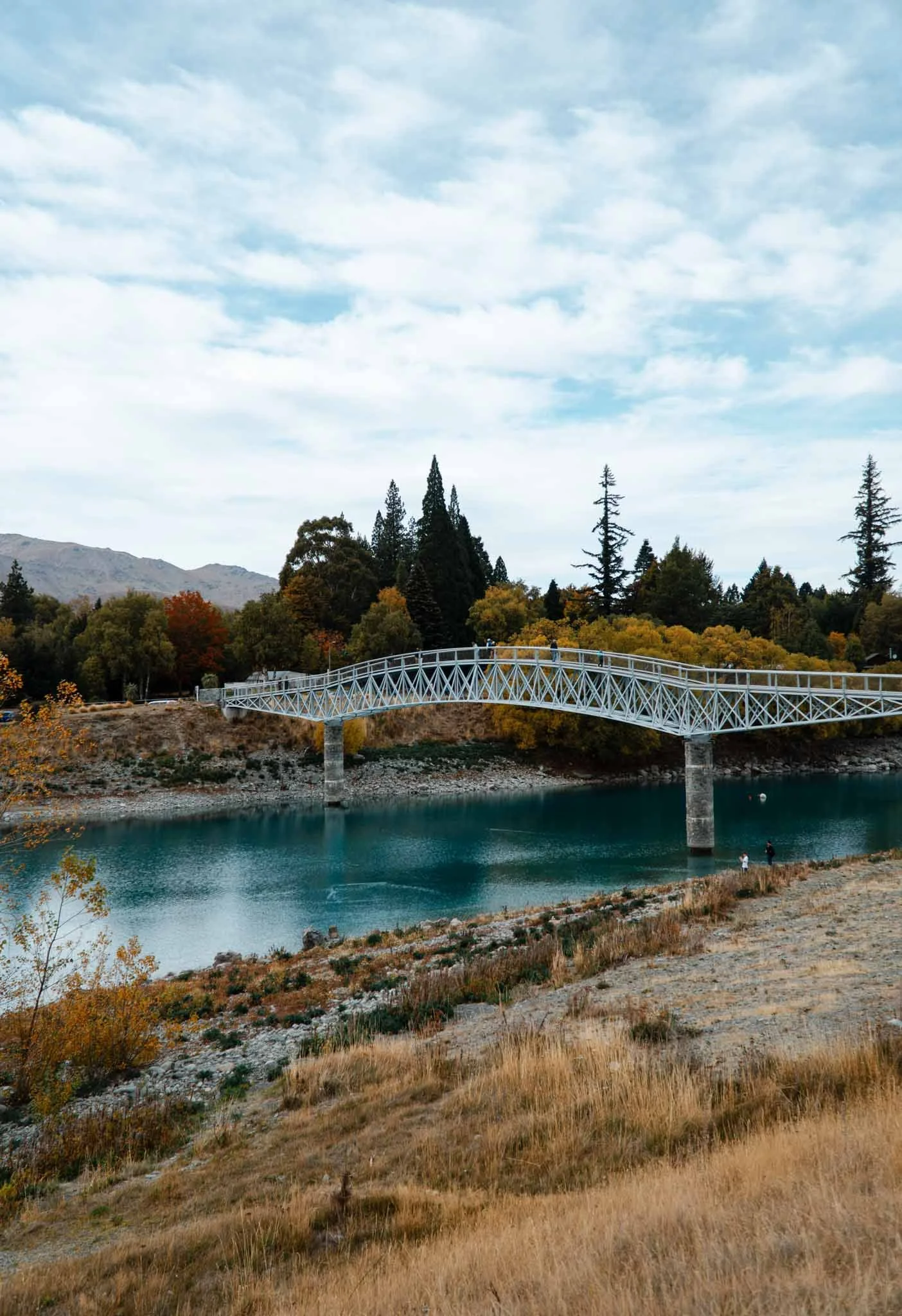
The other stop of note is Lake Tekapo. It’s worth taking a look at the deep blue lake, but I somehow always feel like Tekapo is missing something. The town just doesn’t feel like it has much personality, which is maybe a lot to ask of a small village in what roughly amounts to the middle of nowhere, but for a stop that features so heavily on tourists’ itineraries, I find it somewhat forgettable. It’s still worth stopping for a break, and to stretch your legs along the lakefront before continuing on.

Lake Pukaki, a further 40 minutes on from Lake Tekapo, is a stunner. That’s a lake you will really want to stop and admire, especially on a clear day when you can see straight across the ice blue water to the face of Aoraki himself, the mighty mountain that stands above all other mountains in New Zealand.
Our highest peak is a beautiful one, and it’s a matter of true joy that you will have that shiny spire in your sights for much of the drive into Mount Cook (weather permitting — the clouds are fickle here, and love to clothe the mighty Aoraki).
Sufficiently fuelled by pies, you can spend the afternoon hiking in the national park. There aren’t so many hikes to choose from; Hooker Valley is the main draw, but Sealy Tarns is right up there for the wow factor (and up there in height, it involves a lot of stairs). Then there’s Mueller Hut, for anyone willing to push on further after Sealy Tarns.
Stay
One of the key challenges of visiting Aoraki/Mount Cook National Park is that securing accommodation can be next to impossible if you’re travelling in summer. In peak season, you you need to book many months in advance. If you don’t find a room, and you’re not in a campervan (in which case the campground is spectacular) your options are to look around Twizel or Ohau.

FEATURED STAY
Aoraki Alpine Lodge
A basic but very serviceable place to stay, with a great shared kitchen and lounge area. With almost nowhere to eat in the park, having cooking facilities was perfect.
Day 9 | Wanaka
Like Queenstown, Wanaka has lake and mountain landscapes, easy access to hiking, skiing, wineries, and restaurants. Wanaka, however, is smaller and has a more laid back vibe. Where Queenstown is hopped up on thrills, Wanaka is more about the outdoors. Instead of Queenstown’s plethora of fine dining restaurants owned by hospitality groups, Wanaka has a swag of food trucks and owner-operated restaurants. Queenstown has a casino and a Louis Vuitton store; Wanaka is the birthplace of Mons Royale adventure clothing, and has an outdoor shop that also serves coffee.
After several days of moving quickly, I also find Wanaka to be a good place to slow down a little, and just be. On a hot summer’s day, there are some superb swimming spots around. My favourite is Lake Hawea; get picnic supplies from Pembroke Patisserie on the way out there and sit on the pebbled beach reading a book, dipping in and out of icy water and admiring the mountains.
Stay
Activities
Go for a wine tasting at Rippon
Swim in Lake Hawea
Enjoy a sunset hot tub at LandEscape Wanaka (also a fantastic place to park overnight in a campervan)
Day 10 | Wanaka and Mount Aspiring National Park
After a slower day the day before, you could tackle one of Wanaka’s more high energy activities.
More Wanaka activities
Hike Roy’s Peak, Isthmus Peak, or Rocky Mountain
Head into the Matukituki Valley to hike Rob Roy Glacier track
Take a detour towards the Blue Pools
Itinerary notes
If bungy jumps, sky dives, and other adrenaline activities are on your bucket list, you may want to head to Queenstown on this day.
Day 11 | Wanaka to Queenstown
Drive time: 1 hour 10 minutes

Queenstown is only a little over an hour from Wanaka. You can choose from two routes. The first option is to go over the Crown Range Road, past Cardrona and the famous Cardrona Hotel. This is the more scenic route, but the road is trickier to drive – with many a hairpin bend – and often closed in winter.
The other option is to take the low road through the Kawerau River Gorge, which conveniently takes you past some great wineries in the Gibbston region. Some vineyards serve excellent food, so stopping for lunch is a nice option. Kinross is ideal for this, with a good bistro and the best wine tasting in the valley, or Mora Wines closer to Arrowtown has stellar food and a very pretty garden setting.
Either way you choose to go, you can also stop in at Arrowtown before getting to Queenstown. Arrowtown is only small, and you can wander round the village in an hour or so before going for food or coffee at a local cafe — check out Provisions of Arrowtown or the Fork and Tap.
One of my favourite Queenstown activities slots nicely into an evening in Queenstown – the cruise across Lake Wakatipu to Walter Peak on the TSS Earnslaw. The coal-fired steamship sails over to Walter Peak station, where we had a gourmet buffet dinner (surprisingly good) and then watched a sheep dog show (spectacular).
Activities
Wine tasting — Kinross is my favourite
Visit Arrowtown
Check out Perky’s Floating Bar for a nice spot to sit with a drink
Stay
Itinerary notes
Queenstown can be a lot. If you’d like to pass it by, you could consider driving from Wanaka to Te Anau. This would put you closer to Milford Sound — two hours away, as opposed to four hours from Queenstown — so you could visit Milford Sound the next day. There are some excellent hikes along the road to Milford Sound; leaving from Te Anau means you can spend half a day exploring the Lake Marian track, or Key Summit.
Day 12 | Queenstown
With a full day in Queenstown, you can tick off any adventure activities you have bookmarked. If I had to pick just one, the Skippers Canyon Jet is excellent, including a hair-raising drive into the spectacular canyon (with drop offs so steep I couldn’t look down) and a whip around on the water as well.
Another good option is to hike up Ben Lomond, the peak rising right above town. It’s around 5 hours return if you take the gondola to shave off time (which I highly recommend).
Or, you could spend the whole day heading north along Lake Wakatipu to Glenorchy, one of the most scenic drives in the region. Walk a section of the Routeburn Track if the weather is on your side. If you’d prefer not to drive, Dart River Adventures’ funyaking trip combines transport to Glenorchy with a gentle paddle through Mount Aspiring National Park.
Activities
Day 13 | Visit Doubtful Sound and the wilds of Fiordland
One of the South Island’s great highlights is Fiordland, a wilderness so vast and deep I have no doubt there are many parts of this millennia old ground that have never known the tread of human feet, and almost undoubtedly never will. Laid out along the remote southwestern edge of the South Island, Fiordland National Park is rippled with forested valleys and mountain ridges. The coastline is crenellated with deep fjords gauged by glaciers of eons past.
The rugged coast of Fiordland is slashed with 14 fjords, but for most visitors, only two are within reach. Milford Sound is the more famous and more accessible fjord, and arguably the more beautiful one. But, it’s also very busy; boats follow each other round the fjord in a steady procession, each one stopping in exactly the same spots, never out of sight of the one before or the one after. On board, people jostle for space to lean against the railings.
On the water at Doubtful Sound, the second of the two visitable fjords, you’re unlikely to see even a single other boat. Visiting Doubtful Sound on an overnight cruise with RealNZ was one of the best things I have done in New Zealand. As a way of seeing Fiordland’s wild side, and having enough time in the national park to actually breathe, the overnight trip by far outstrips any of the Milford Sound day trip options.
The overnight voyage includes snacks, meals, kayaking, and swimming, as well as commentary from an enthusiastic nature guide. You can also arrange to have transport from Queenstown, so you don’t need to drive yourself to the starting point in Manapouri.
Itinerary notes
If the overnight trip doesn’t fit into your plans, another option is to skip straight to Te Anau on the previous day, and spend this day visiting Milford Sound and the hikes on the Milford Road.
I don’t really recommend taking the bus tour to Milford Sound from Queenstown. It’s a long day (around 9 hours of transport for a 2 hour cruise) that feels very structured and never fully apart from the crowds. If a flight to Milford Sound, followed by the cruise, is within your budget, that is a good option, but otherwise I think Milford Sound is better visited from Te Anau.
The other option is to skip Fiordland altogether and spend all of these days in Queenstown, using the town as your base to explore the area.
Day 14 | Depart Queenstown
Queenstown airport has flights back to Auckland.

AUTHOR BIO
I’m a freelance travel writer from New Zealand with bylines in National Geographic Travel, Conde Nast Traveler, Travel + Leisure and more.
I’ve travelled up and down beautiful Aotearoa and I love sharing my recommendations for the best places to visit in New Zealand.
This post was about: