What to do around Lake Tekapo, the South Island's vivid blue lake
Lake Tekapo is a classic stop on a South Island road trip; here’s my guide to the small lakeside town
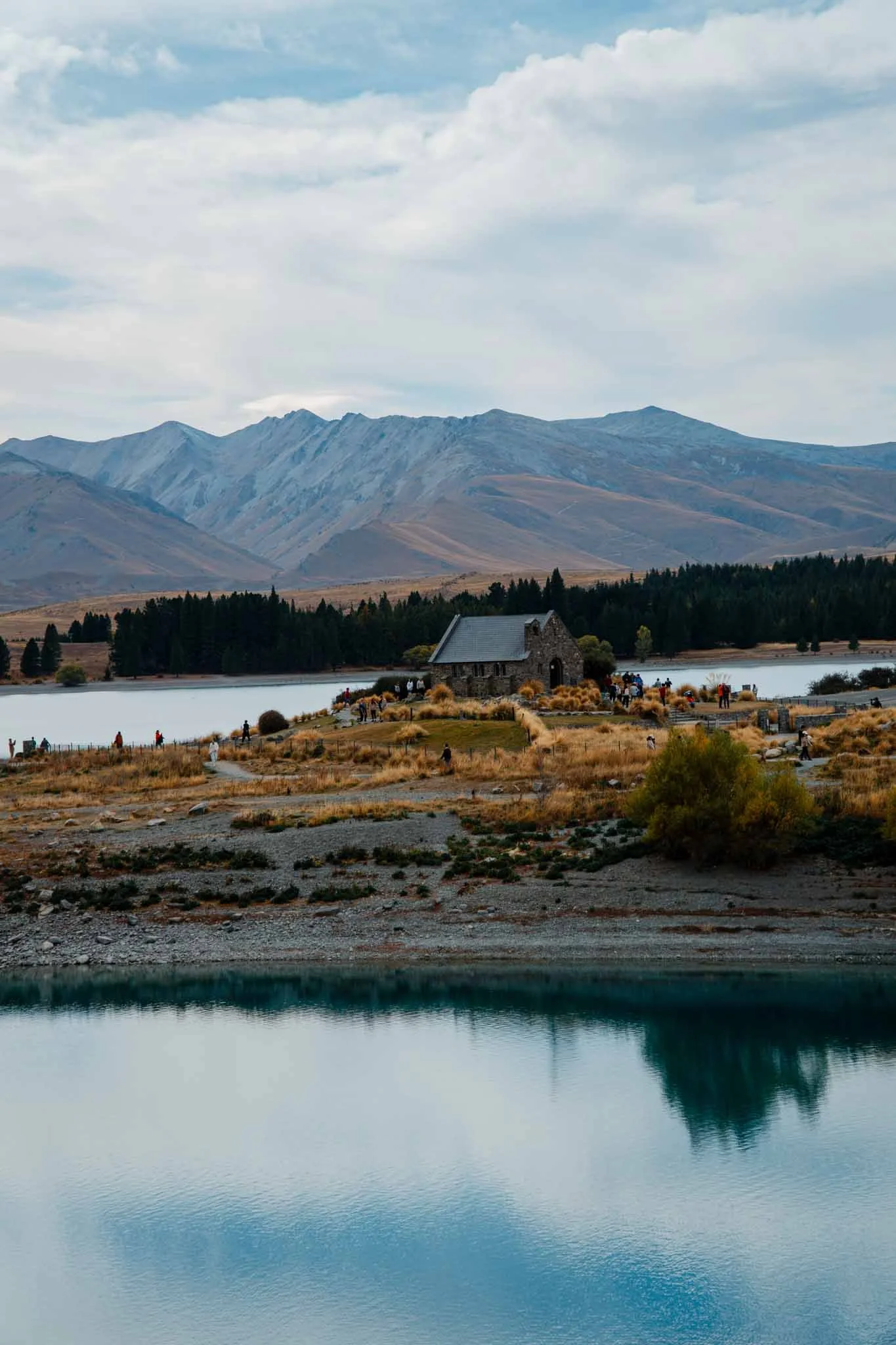
The Church of the Good Shepherd
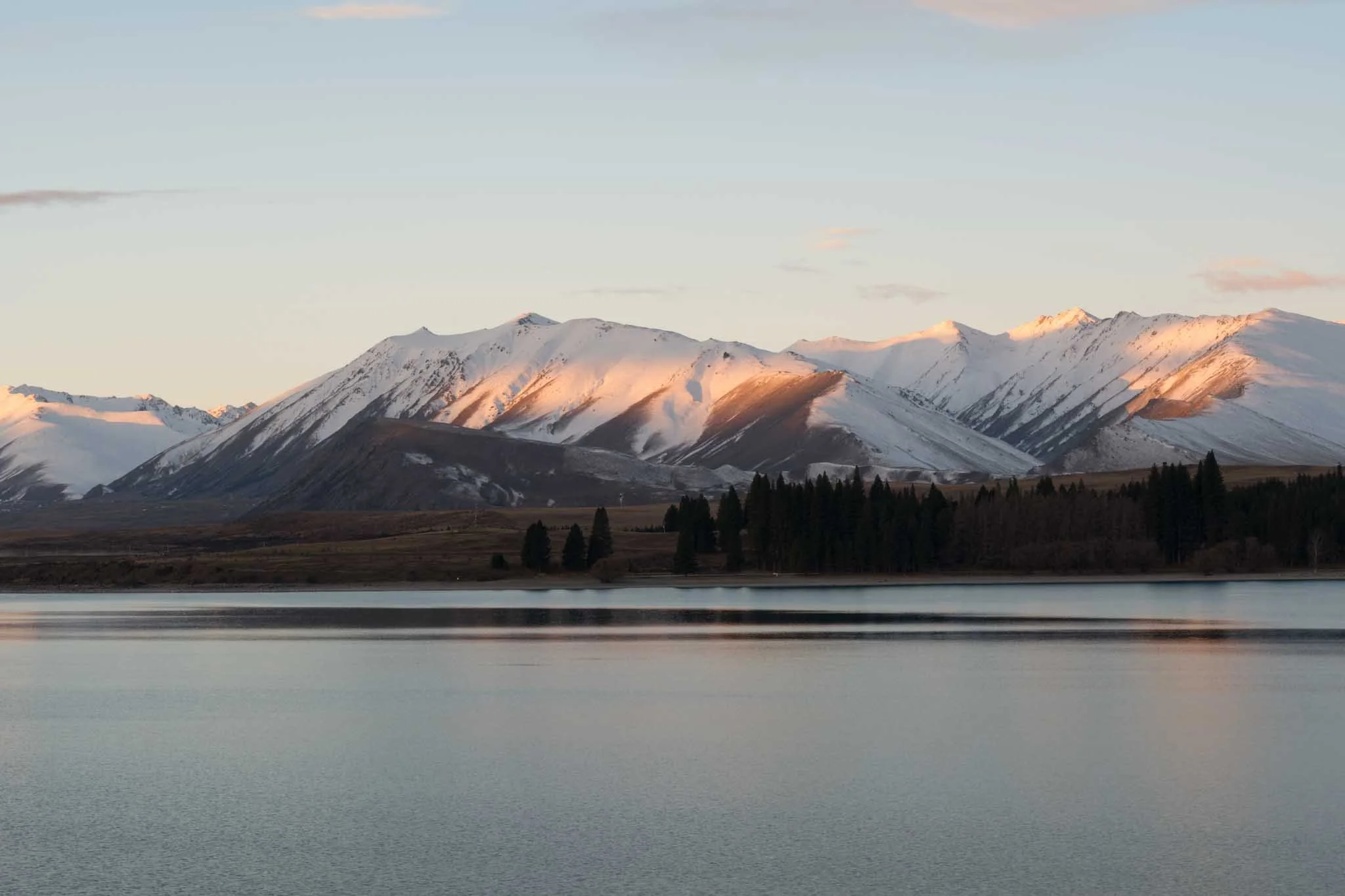
Tekapo is one of the South Island’s quintessential road trip stops. The tiny village, sitting at the southern end of a bright blue lake of the same name, is on the highway between Christchurch and Queenstown. Almost perfectly equidistant between the two, and within striking distance of Aoraki/Mount Cook National Park, Tekapo is conveniently located; set in the rolling golden hills of Mackenzie Country, with snowcapped mountains in the distance and deep, unfathomable blue of the lake, the town is also stunningly beautiful.
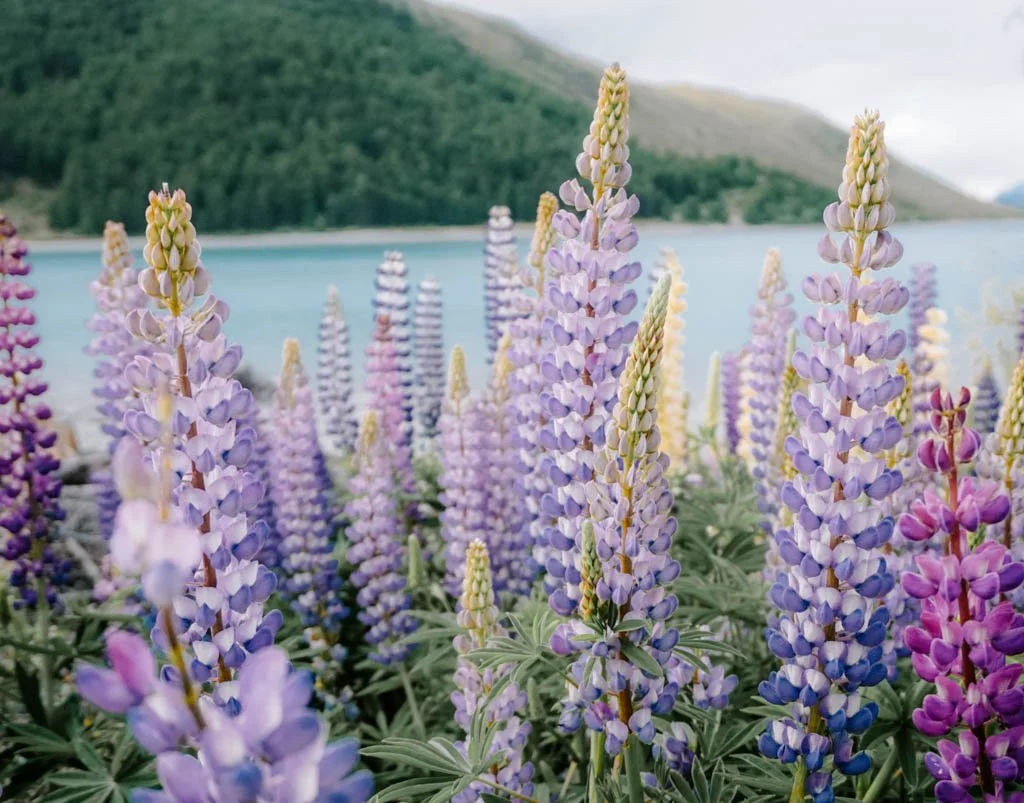
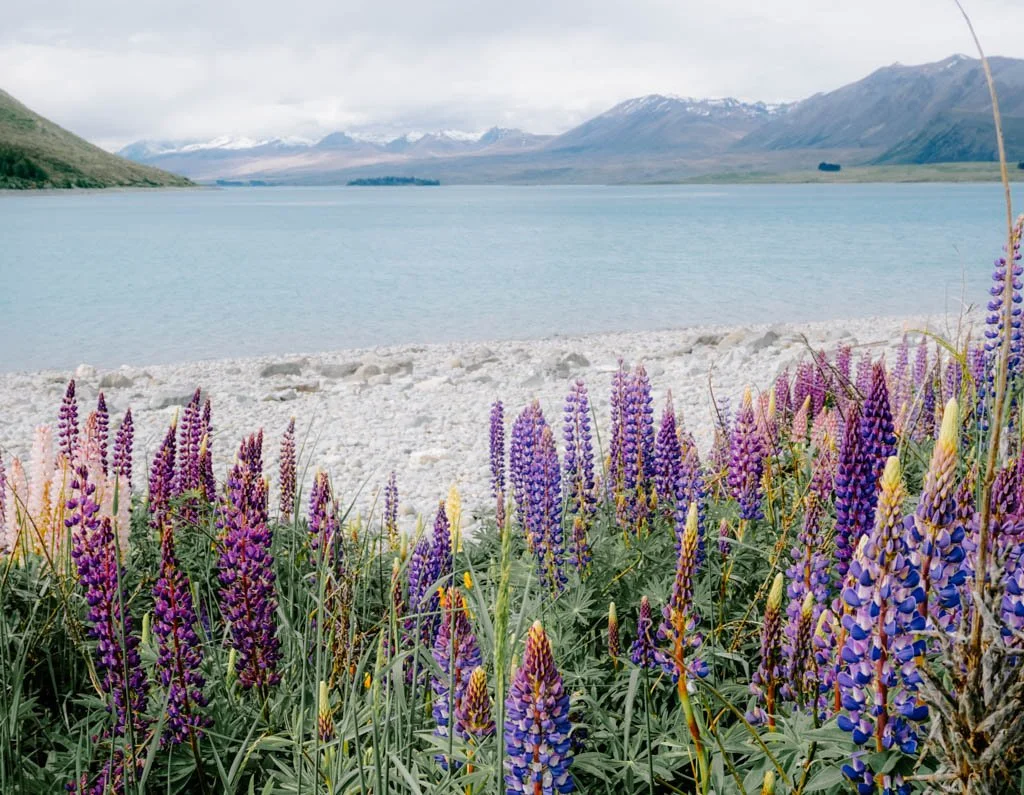
There are other, powerful draws to Tekapo as well; in spring and early summer, purple lupins burst into bloom. Their status as an invasive weed does nothing to dissuade visitors from posing in fields of them, in gauzy dresses and sun hats, gazes fixed whimsically on the distant horizon. The flowers that strangle our rivers, cause flooding and erosion, and displace our own fragile native plants, are undeniably pretty.
Then there’s the fact that Tekapo is the focal point of the Aoraki Mackenzie International Dark Sky Reserve. The reserve covers a large area of Mackenzie Country, including Aoraki Mount Cook National Park, but Tekapo is where you’ll find the highest density of star gazing tours in the country, including the Dark Sky Experience which has access to telescopes at the Mount John Observatory overlooking the town.
The problems with Tekapo lie in its diminutive size.
As one of the few towns in the vast and sparsely populated Mackenzie Region, Tekapo is a tourist hub almost by default. For such a small town — population around 600 — there are a surprising number of hotels and holiday homes. The number of people passing through means Tekapo has something of a hollow feeling; it’s constantly busy, but with many more visitors than actual residents. Just going to the Four Square is an exercise in ducking and weaving through crowds of tourists. The village feels like it’s half carpark, with so much surface area taken up by the flood of vehicles pausing for a break on the long drive through the open country.
Lake Tekapo at a glance
Planning your time
Unless you’re using Lake Tekapo as a base for visiting Aoraki/Mount Cook, I think the town only needs one night. Arriving in the afternoon, you can set out on the Mount John summit track for sunset, and spend the evening star gazing if weather permits. It’s worth getting up for sunrise, too, which is one of the quieter times to enjoy the lakefront.
When to go
From November, the lupins around Tekapo start to bloom, and visitor numbers start to climb. By the time the lupins die down in late December, the tourist season is in full swing and the cost of a night’s accommodation soars to scarcely believable heights (I have seen dorm beds at the Haka House listed for more than $200 in February). This peak season doesn’t die down until mid-March – Chinese New Year, which usually falls over two weeks in February, brings a second high after the New Zealand summer holidays in January, so accommodation and star gazing tours alike can be booked solid for those two months at a time.
In winter, Tekapo looks beautiful with snow on the surrounding mountains, and accommodation prices are more reasonable, but there’s a chance of winter storms closing the surrounding roads.
Where to stay
Itineraries
Star gazing is the best thing to do in Lake Tekapo
Choose from cheap(er) and cheerful with Chameleon Stargazing or go for the full observatory experience with the Dark Sky Project
Tekapo is special thanks to its location in the middle of the Aoraki/Mackenzie Dark Sky Reserve.
The Mackenzie region has some of the clearest, most spectacular night skies in the world. This dark sky reserve was the third to be recognised in the world and is the dark sky largest reserve in the Southern Hemisphere.
The night sky in Lake Tekapo is exceptionally clear, with very little light pollution. If you’re very lucky, you might even get to see the Southern Lights from Tekapo.
You can go stargazing in Tekapo by simply heading to the lake shore at night (rug up warm!) and staring up at the sky. On moonless, clear nights you can see the vast sweep of the Milky Way.
However, if you are really interested in astronomy, you’ll get a lot more out of a tour.
Telescopes on tours can help you see many more deep sky objects than you can by star gazing by yourself without a powerful telescope.
For a curated experience, you can visit the observatory located on the mountain rising next to the lake. Nowhere offers a better view of the night sky than the summit of Mount John, reached by a 15 minute drive from Tekapo town.
At 1,029 metres high, Mount John offers 360-degree views which are just as impressive at night time as they are during the day.
The Dark Sky Project offers a star gazing experience from the Mount John observatory, guided by astronomy experts. You’ll see the night sky in a new light, with stories drawn from Maori astronomy illuminating the Southern skies.
Using the telescopes in the observatory, you’ll be able to see the Milky Way, planets, star clusters, and even galaxies.
A more budget-friendly option for stargazing in Tekapo is to go with Chameleon Stargazing. Their tours start from $65 per person, with a 90 minute tour that includes hot chocolate, marshmallows, and photos of you with the night sky.
Chameleon’s whole focus is on having a small, personalised experience, so it’s also a great option if you like friendly customer experience.
If stargazing is one of the top things you want to do in Tekapo, I recommend staying at least two nights, in case of bad weather. If the clouds close in, you might need to move your stargazing tour to the following night.
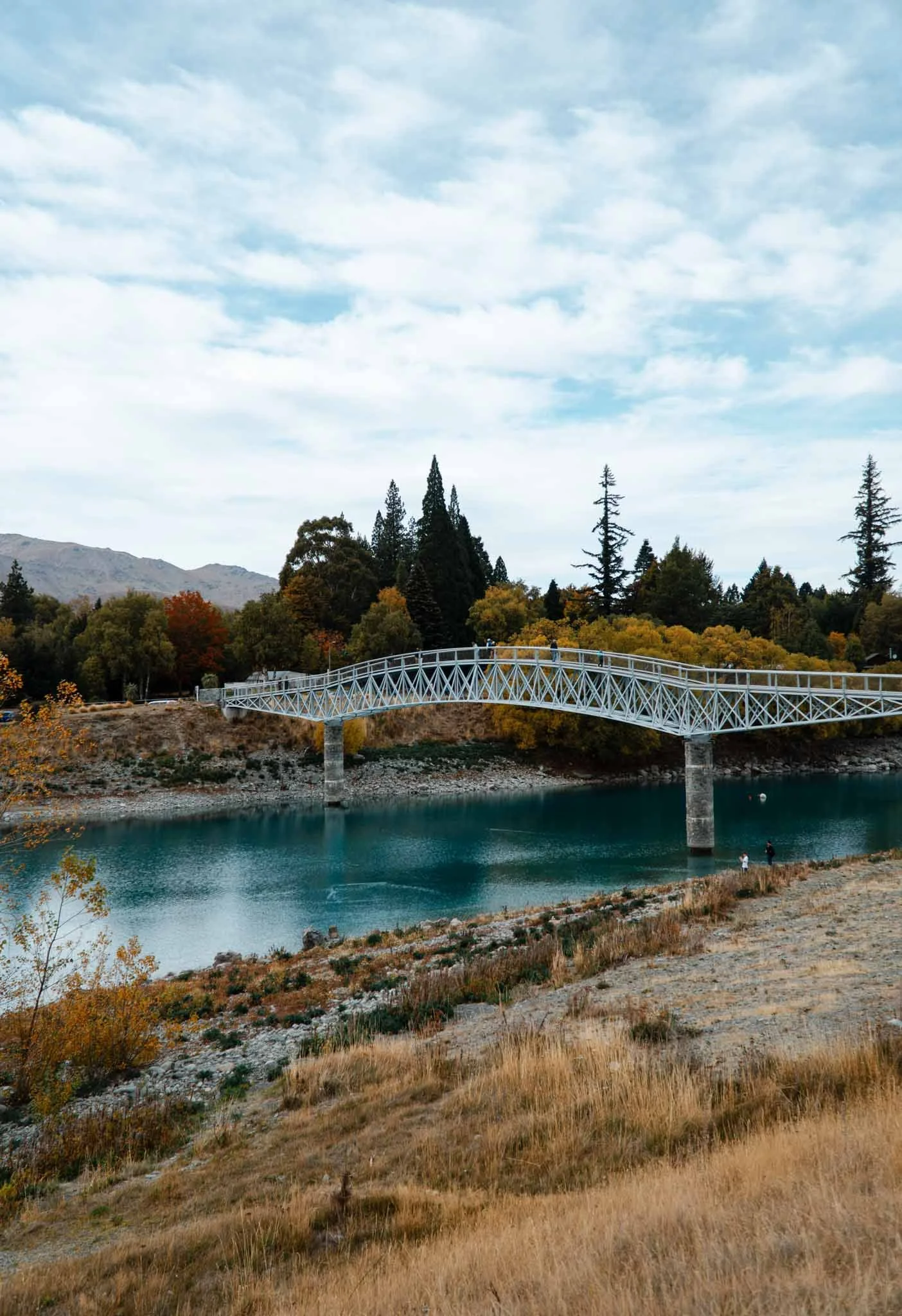
The footbridge is a pretty photo spot
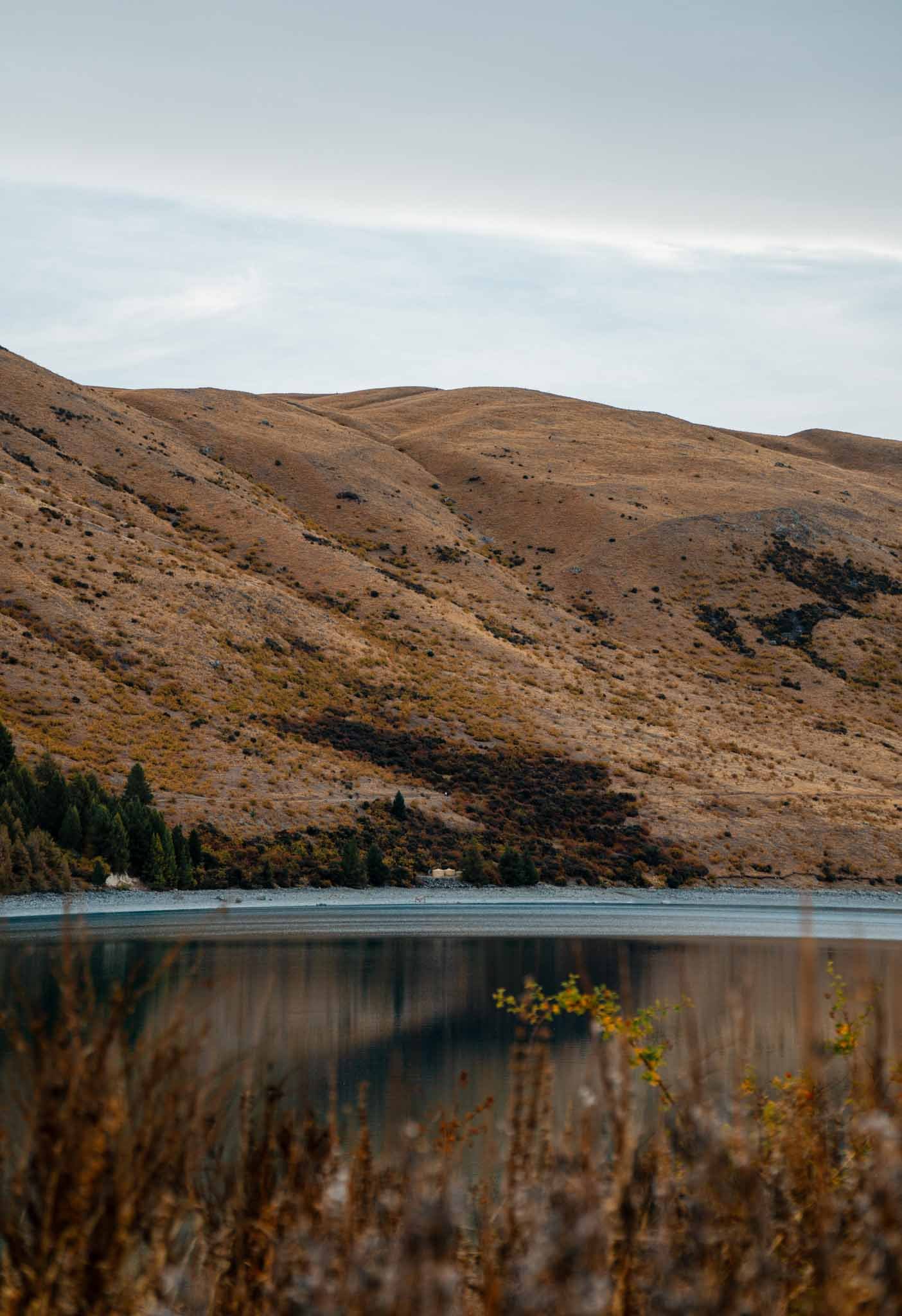
The lakefront is rocky and somewhat covered in weeds, but the water is stunning
If you have kids, check out the playground on the waterfront. There’s an epic looking flying fox there that looks right out at the lake — I was tempted to have a go myself.
Visiting Aoraki/Mount Cook from Lake Tekapo
I wouldn’t really class visiting Aoraki/Mount Cook National Park as an activity to do in Tekapo — it takes around 1 hour and 15 minutes to drive to Mount Cook from Tekapo — but you might see a lot of suggestions that this is the case.
That’s because finding accommodation in Mount Cook Village can be exceptionally difficult, and when rooms are available they are often very expensive.
Tekapo and Twizel are the only sizeable towns within striking distance of Aoraki/Mount Cook, so it is entirely feasible to stay in Tekapo and visit as a day trip.
Stop by Petronella’s, one of the best little independent bookstores in the country
Petronella’s Bookstore is a real little gem in Tekapo. The shop won Aotearoa Bookshop of the year in 2024, for good reason.
Locally owned and run with love, the bookstore has a great selection of books. It’s worth dropping in on your way down the main street of Tekapo, to maybe pick up your next holiday read from a New Zealand author — maybe a copy of Ruth Shaw’s The Bookseller at the end of the World, or Eleanor Catton’s Birnam Wood.
Books make great souvenirs, in my opinion, and it’s always nice to support little local businesses like this one.
The store also has a few small gifts and homewares to browse, so you never know what you might find to take away with you.
Scenic and photo locations
The Church of the Good Shepherd
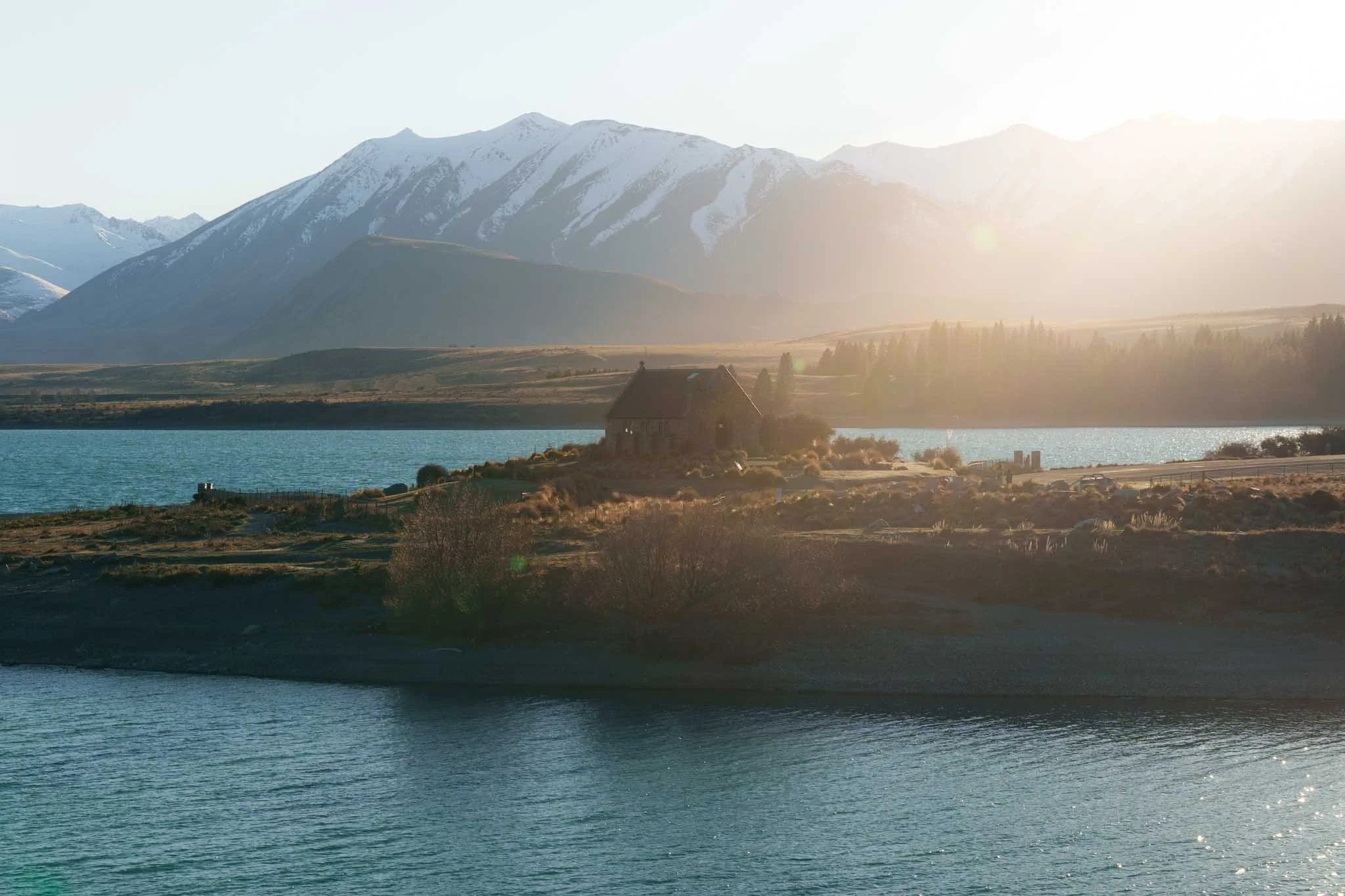
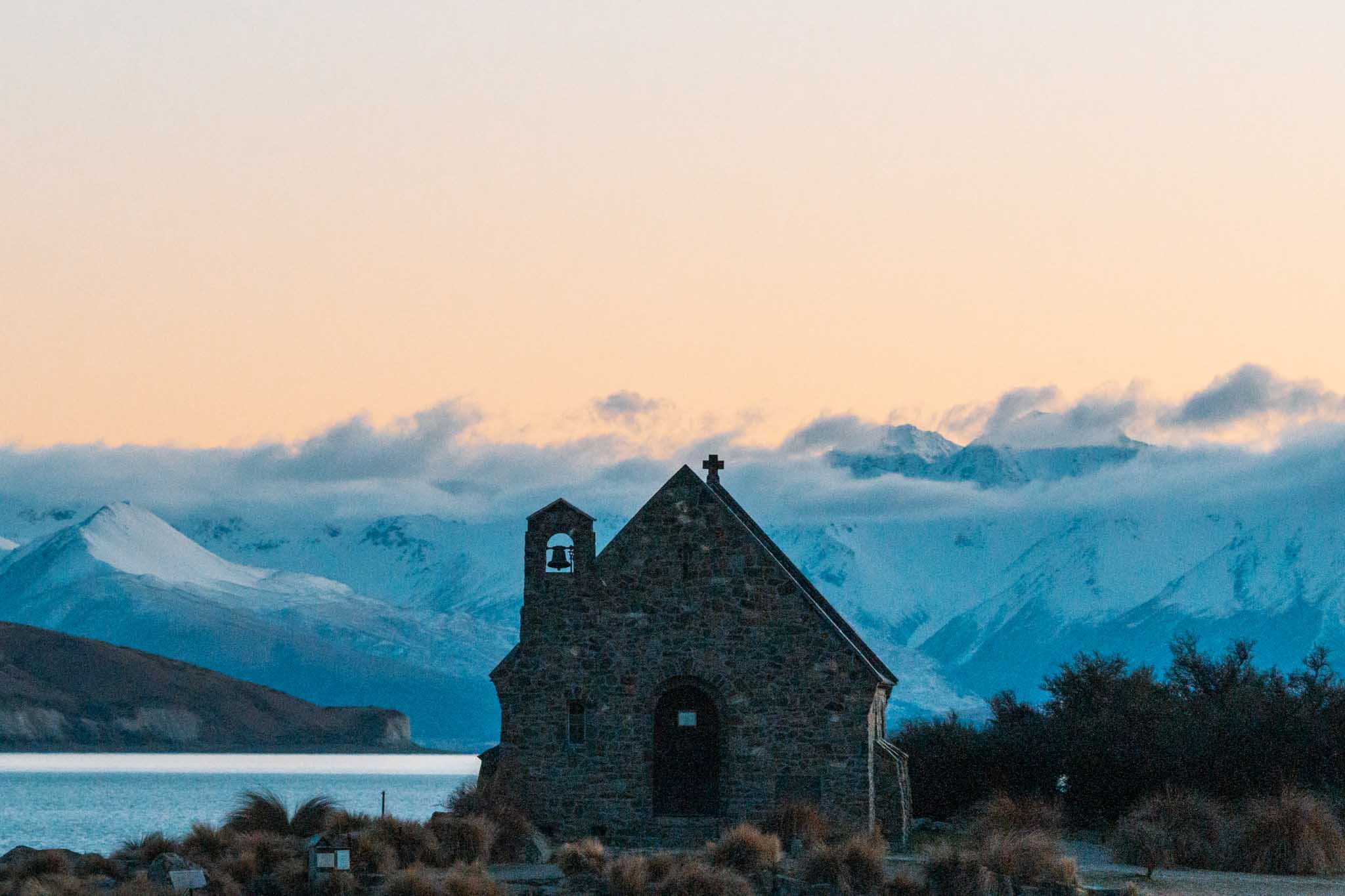
The stone church on the lakefront, dating back to 1935, still has regular Sunday worship. That seems a little hard to believe, given how it’s swarmed by people throughout the day. It’s almost comical how many people flock to the church, but I do have to admit it makes for a good photo subject. It seems to be quietest around dawn. Or, to dodge crowds, admire the church from the opposite side of the canal.
Mount John Observatory
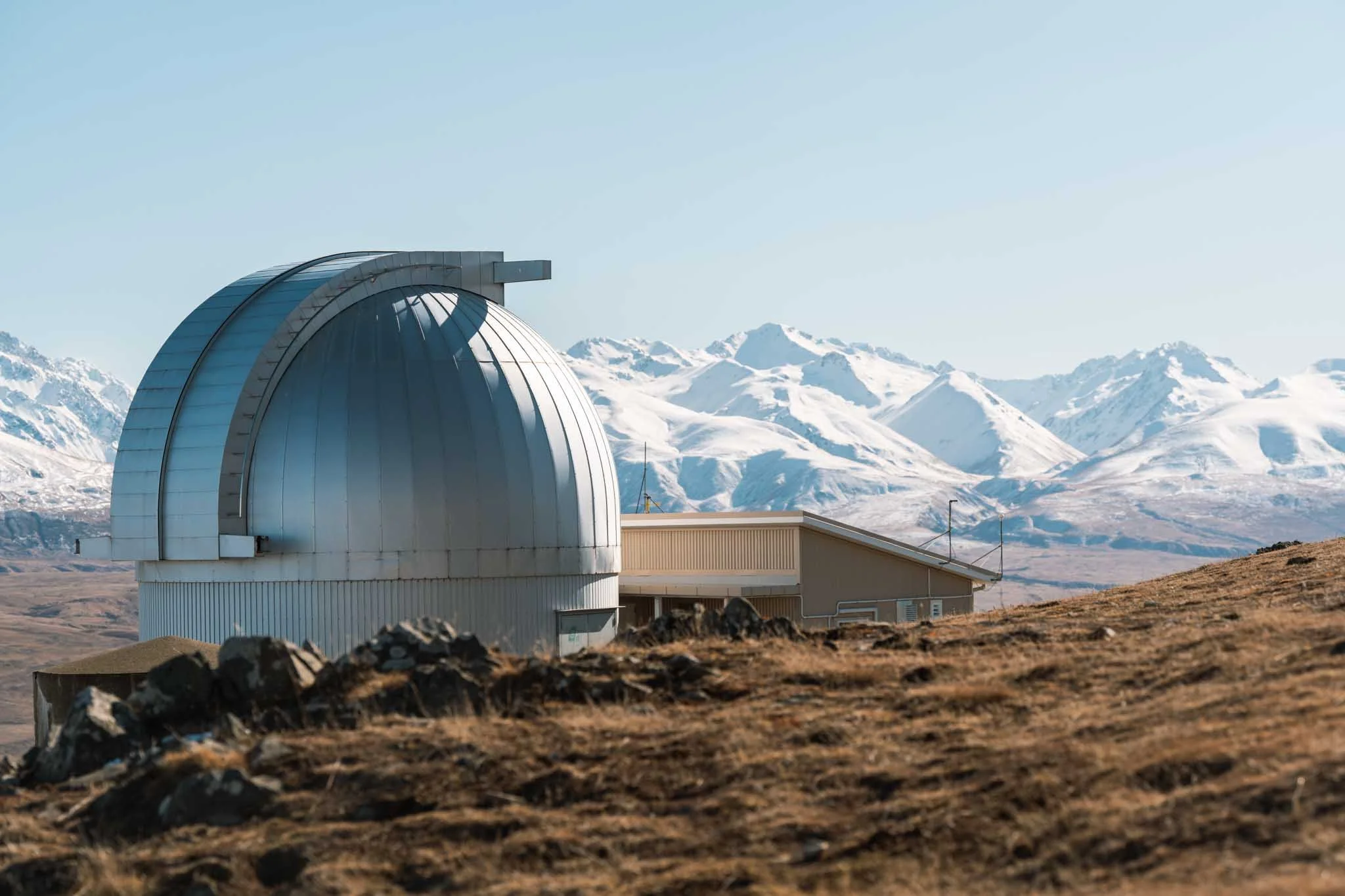
The Mount John Observatory
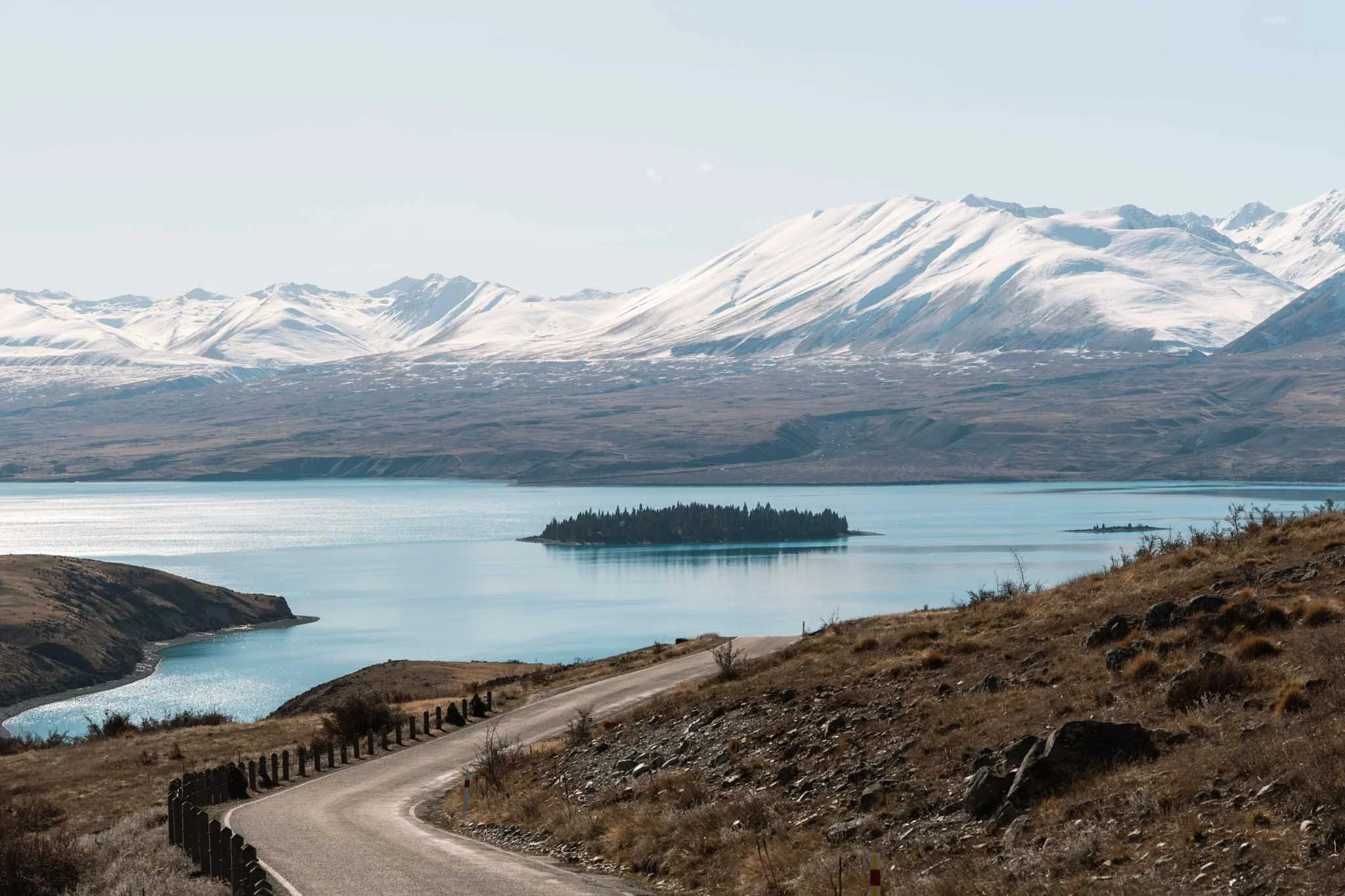
The road to the Mount John Observatory
If you’re short on time, you can drive up to the observatory on the hill overlooking the lake. There is a charge of $14 per vehicle, which seems extortionate to me, but doesn’t stop a steady flow of cars to the summit. There are stunning 360 views from the top, as well as the Astro Cafe, which is not very good but constantly flooded with people. Along with the church, the cafe seems to be where you’ll find the highest density of tourists (and camera equipment) in Tekapo. Avoid it, if you can.
If you don’t mind walking and you have a little more time, the hike up from the lake is worthwhile. It takes around an hour to reach the observatory if you climb straight up through the pine forest, and around 45 minutes if you choose to head straight down again. For a longer walk, take the longer loop track back down, which provides more views of the lake and ends with a stroll more or less along the shore. It takes around 3-3.5 hours to walk the full loop. The track is exposed for much of the way, and it can get windy at the top, so pack warm layers and a sunhat.
Lake Alexandrina

A 15 minute drive from Tekapo is Lake Alexandrina. Fed by springs rather than glacial melt, this high country lake doesn't have the bright blue tint of Lake Tekapo, but it’s much quieter. Motor boats aren’t allowed on the high country lake, but row boats are. Small dinghies line the lakefront, and with mountains lying across the water there are some pretty photo compositions.
The lupins
Originally planted as sheep feed in high country farms where not much else would grow, lupins have well and truly taken root in the Mackenzie region. The voracious plant has spread almost unchecked through waterways, clogging riverbeds and swallowing the habitats of endangered native wading birds.
The vivid pink and purple lupins that flower in November and December spread far beyond Tekapo; you’ll see them throughout the Mazkenie district, in places like the Ahuriri River, and as far away as Glenorchy, near Queenstown. But Tekapo has become one of the most iconic places to see the flowering weeds, thanks to the striking contrast they make with the blue lake. Lupins flower in abundance along the lakefront and in fields around the town – you won’t have to look hard to find them. My personal favourite spot for lupins (I’m not immune to their charm, despite their invasive nature) is by Lake Pukaki. Drive Braemar road – with caution, as it’s narrow and gravel – and head to this point on the map. From there, you can see Aoraki Mount Cook in the background, with the lupins in the foreground.
Where to stay in Tekapo
Expect accommodation in Tekapo to be much more expensive than in other parts of the country; it’s a small town that gets a lot of visitors, so rooms are priced according to demand rather than quality, in some cases). Try and book in advance if you can.
The Red Hut
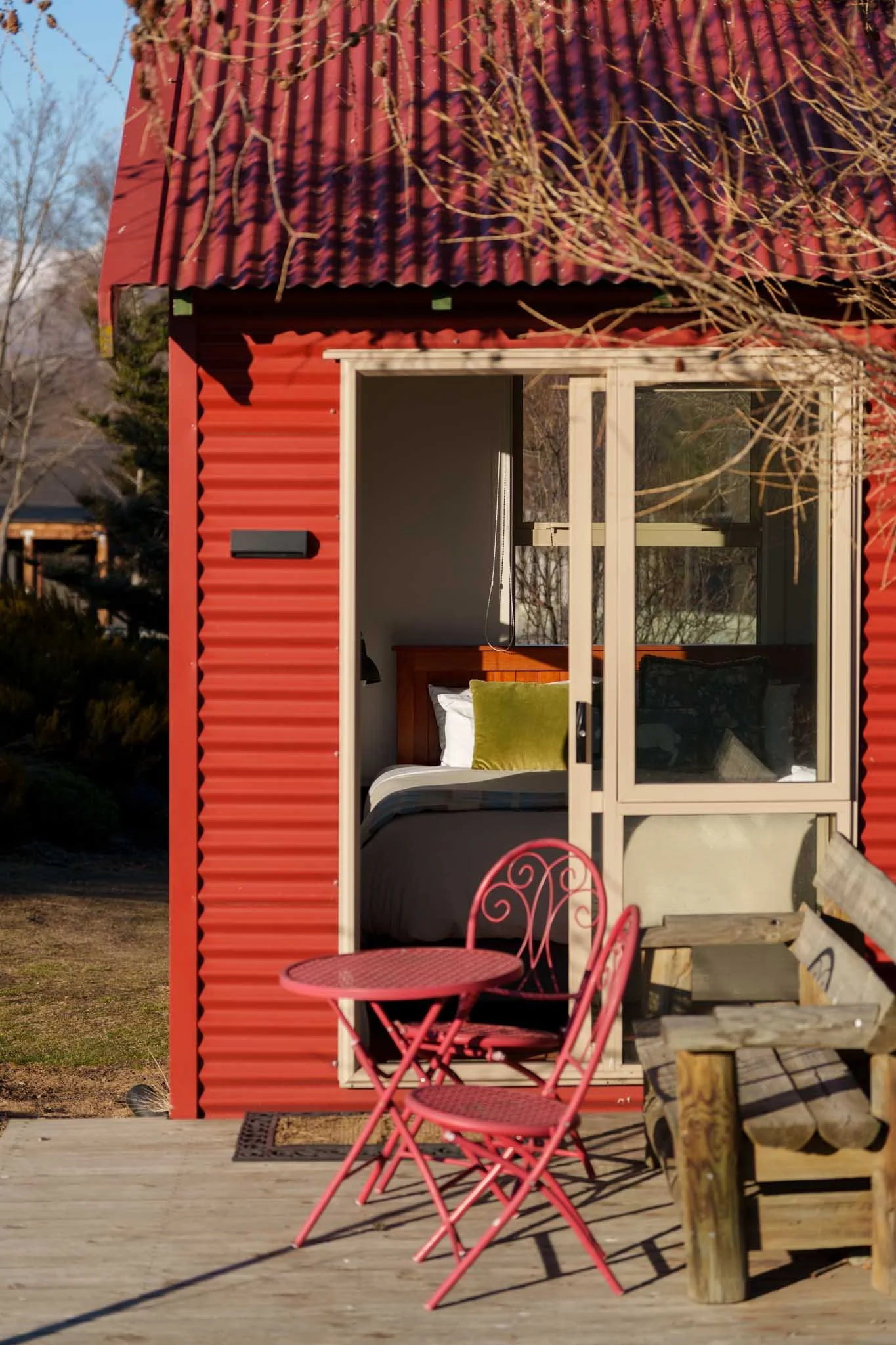
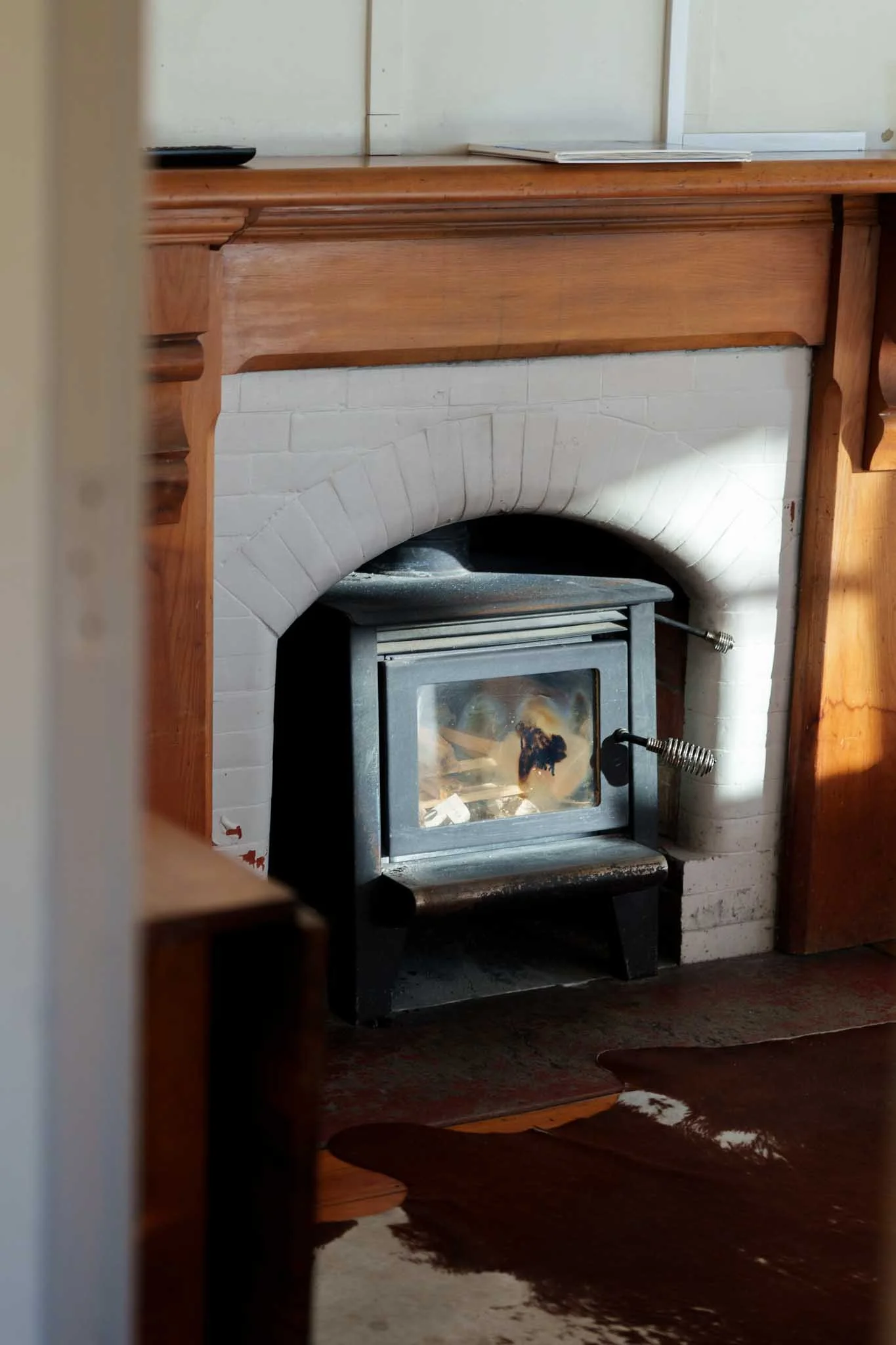
The land that is home to the Cairns golf course, on the edge of town, also hosts a petting zoo and a series of rustic cabins. It’s a strange little collection, but I enjoyed my stay at the Red Hut regardless (and as an added bonus of staying, you can visit the petting zoo for free). The restored musterer’s hut has a lovely rustic charm, with wooden floors, a log burning fire, and an outdoor bathtub (although there is minimal privacy; occasionally people walk right past. It’s best for after dark). There’s no lake view, unless you climb a small hill right next to the cabin, but there are mountain views which you can admire from the sunny little patio area. There are some thoughtful touches, such as complimentary drinks in the fridge and chocolates to enjoy, plus breakfast supplies of bread and eggs, handy in a town with such limited food options. The kitchen is fairly well equipped, but I didn’t like that there’s an additional charge if you don’t do your own dishes. Overall it’s one of the better value for money options in Tekapo. Other cabins on the property have hot tubs and washing machines, but they do command a higher price.
The details
Rates start from $360 for a night, including a simple breakfast
Book online
Thank you for reading
All words (and typos and other errors) are my own, based on my own travels.
During my time on the road, I’ve found many wonderful places — galleries, restaurants, viewpoints and more. I’m sure you’ll find others. If there’s somewhere you think I should know about, contact me at hello@petrinadarrah.com, so I can share with other travellers in future work.
If you’re disappointed with one of my recommendations, I’d love to know that too; places change, or close, so I appreciate updated information.
Thank you for supporting my work – you being here lets me keep doing what I love to do, which is explore New Zealand and share it with others. So a heartfelt thanks for reading.
If you’ve enjoyed my recommendations, you might want to check these out as well before you go:
Author bio
I’m a freelance travel writer from New Zealand with bylines in National Geographic Travel, Conde Nast Traveler, Travel + Leisure and more. These days, most of my writing is for this website — I’m making it my mission to be the most trustworthy source of information for your trip to New Zealand. I don’t accept sponsorships, I pay for almost everything myself, and I spend months travelling New Zealand each year, all to deliver the best insider travel intel on this country.

Read more