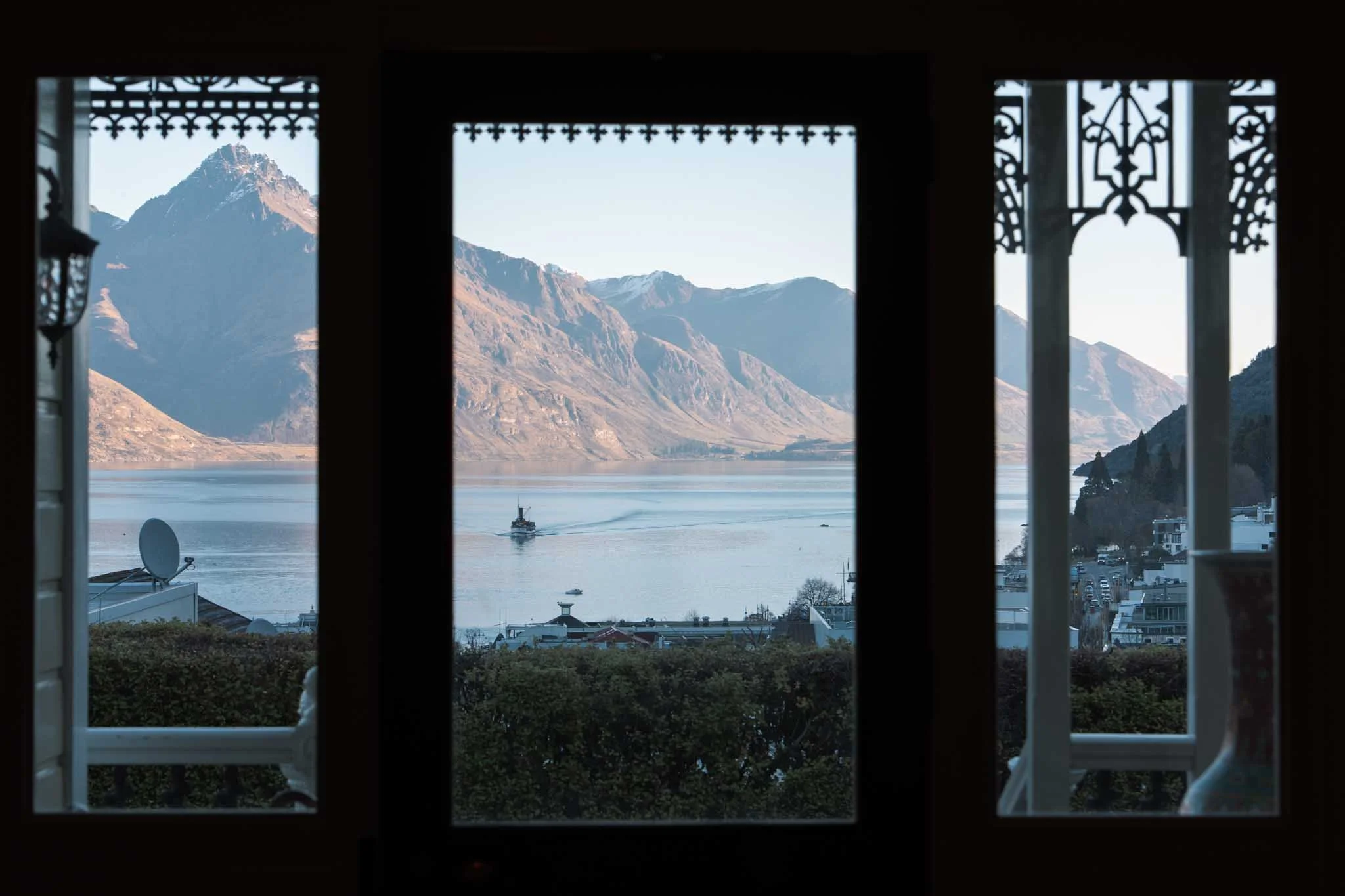
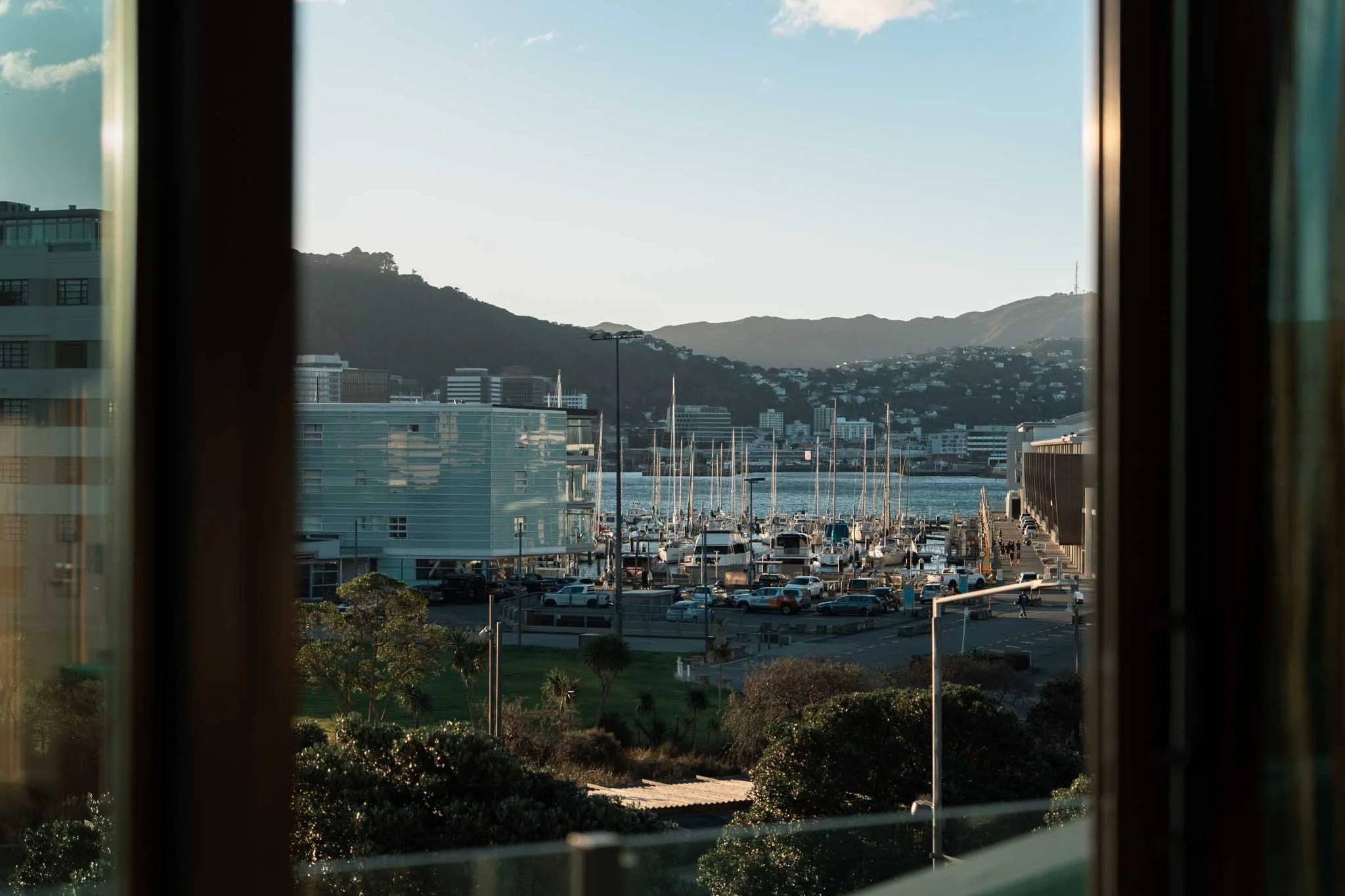
The biggest city in the South Island of New Zealand is more than just an entry or exit point. Christchurch is a vibrant destination in its own right.
Disclosure: This article contains affiliate links. I may make a small commission — at no extra cost to you! — should you make a purchase through these links. Thanks for your support.
New Zealand’s second largest city – and the largest in the South Island – Christchurch is one of the key entry points to the South Island. If you’re passing through, a night or two in the city can be a fun, urban counterpoint to the abundant nature in the South Island.
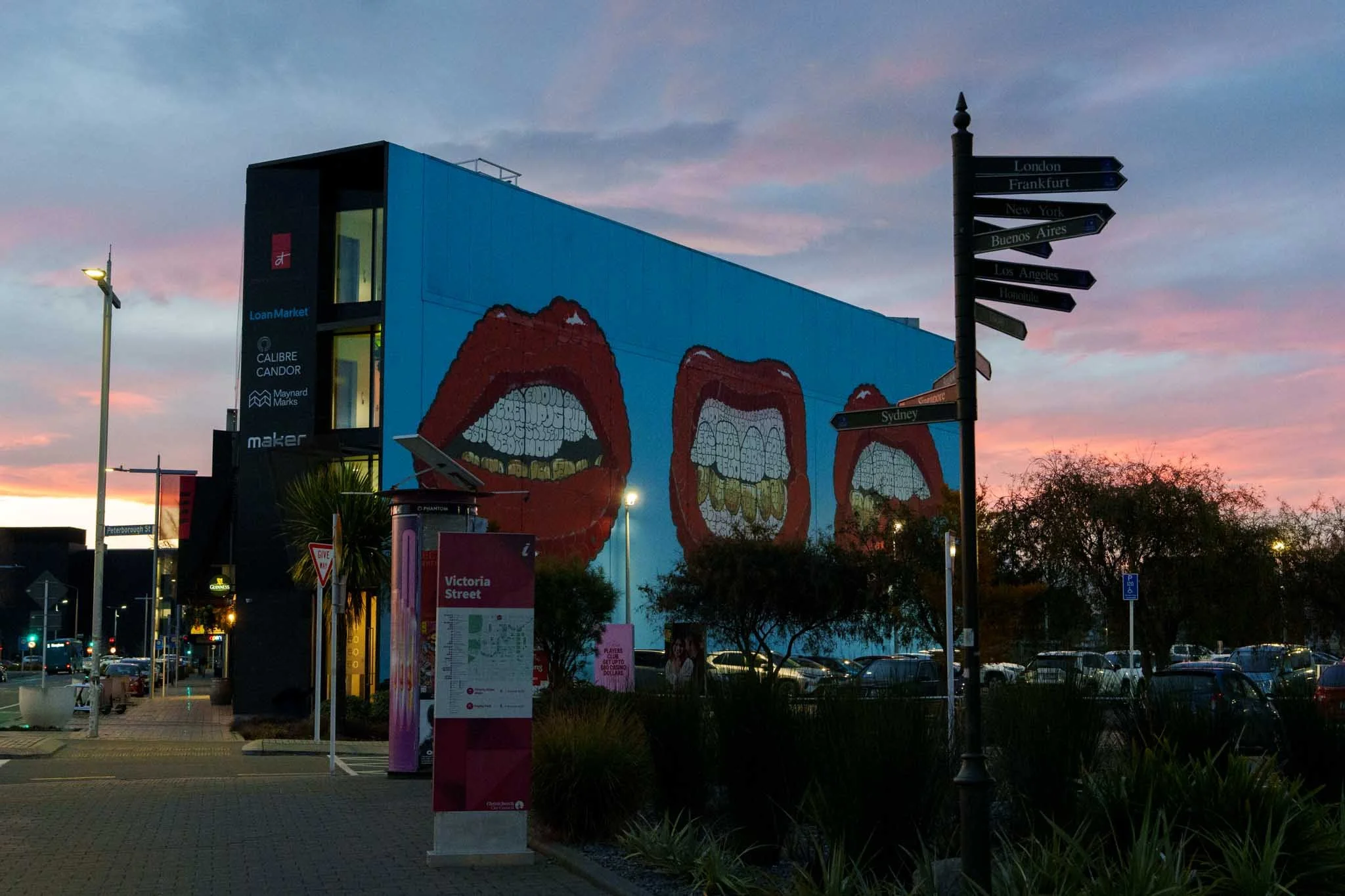
The earthquakes of 2010-2011 levelled the centre of the city, destroying around 80% of buildings. The aftermath meant building the city back better, with more cycle ways and green spaces, street art and gritty metropolitan appeal. There are still vestiges of English nostalgia in the tree lined avenues, spacious parks, rattling vintage tram, and gentle river Avon, but it feels like the city is forging its own distinct identity (and you’ll see and hear the Māori name, Ōtautahi, used alongside the very English Christchurch).
The food and coffee scene is the best in the South Island, there are some great galleries to explore, and not far from the city are coastal hikes with sweeping sea views. These are the best things to do in Christchurch, the garden city.
Christchurch at a glance
Planning your time
One night is typically enough in Christchurch. If you fly or drive into Christchurch in the morning, you can see a few key central sights of Christchurch in a single afternoon, followed by dinner in one of the city’s excellent restaurants.
Although you could stay for longer (and I absolutely have – I will happily spend a week at a time in Christchurch) I would recommend exploring Akaroa and Banks Peninsula, or Kaikoura, instead. Ultimately, I think destinations outside of Christchurch city have more to offer. Of course, I say this making the assumption that you’re trying to make the most of every precious day you have in New Zealand. If you have the luxury of time, the restaurants and bars in Christchurch are a lot of fun to explore, especially if the rest of your trip involves spending a lot of time in more remote areas.
The highlights
Visit the wild and beautiful Banks Peninsula and see Hector’s Dolphins on a cruise with Akaroa Dolphins
Explore the warren of galleries and exhibition spaces in the Arts Centre
Hike the Godley Head loop
Where to stay
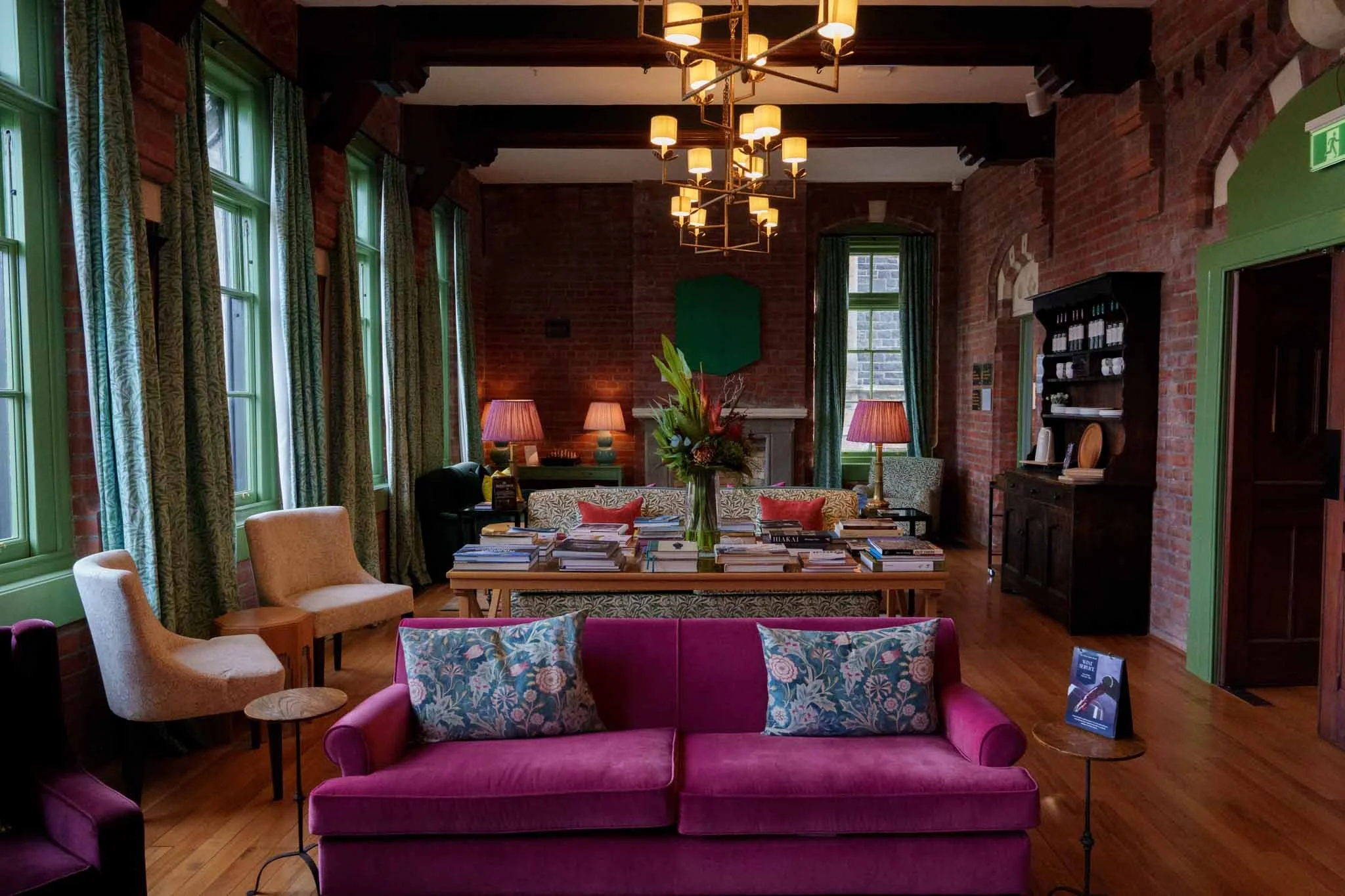
The Observatory Hotel is the most interesting place to stay; located in the Arts Centre it has all the intrigue of a historic building, but with funky, colourful decor.
The George has free parking and laundry — both welcome amenities in Christchurch city. Rooms are spacious and comfortable, and the turn down service includes your own little teddy bear to take away.
Hotel Give is a socially responsible stay; booking a room helps support charitable initiatives. It’sin a prime location by the park. My queen room even had a balcony. The shared kitchen and bathroom facilities were immaculate. An excellent budget option.
Things to do in Christchurch city
Quake City
This exhibition on the devastating 2011 earthquake provides insight into the causes and aftermath of the disaster that reshaped Christchurch. There’s footage from when the quake struck (caught on security camera), and poignant stories of survivors who recount being trapped in the rubble, as well as stories from the rescuers pulling people both dead and alive from the ruins. There’s a great explanation of liquefaction, describing how the ground dissolved beneath buildings, and also a fascinating section devoted to the archeological treasures unearthed by the quakes, like the fascinating time capsules from the early 1900s.
One detail I loved is that on the back of the toilet door is a display of long drops (pit toilets) residents set up in their back yards in the wake of the earthquake, after plumbing systems had been destroyed. Allow 1-1.5 hours to wander through the exhibit.
The details
$25 for an adult — you can get tickets at the door
Ride the historic trams
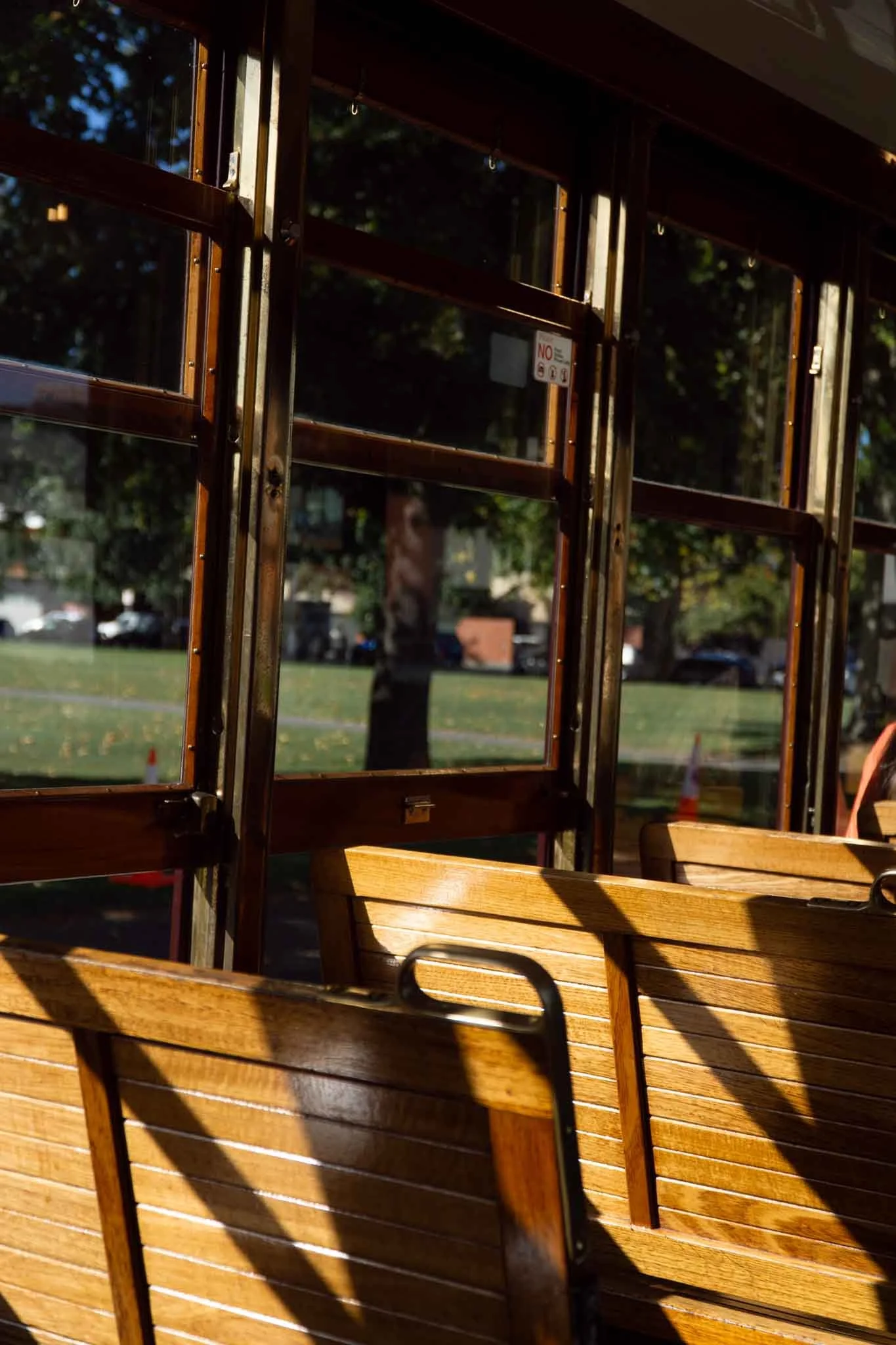
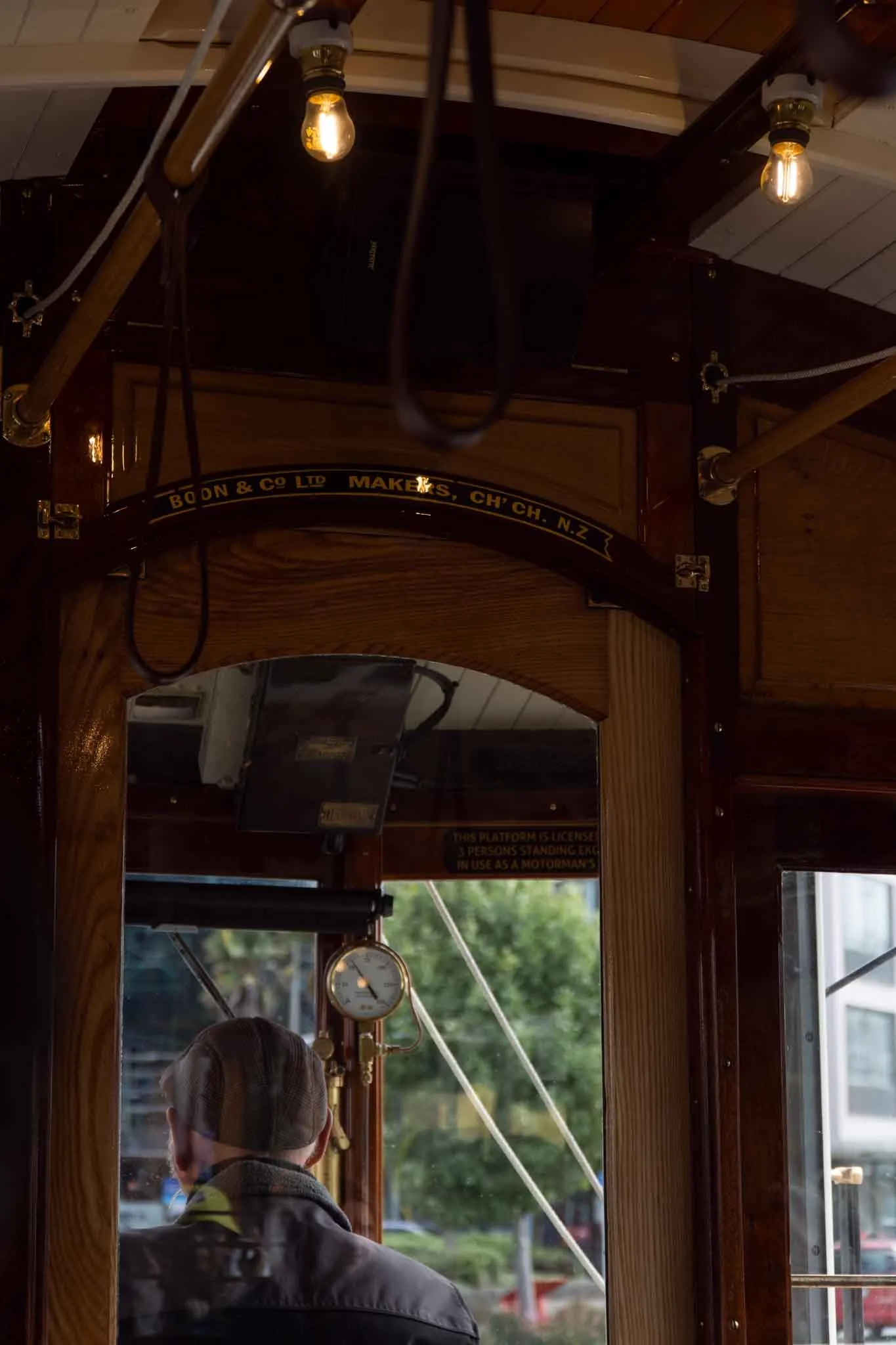
The heritage trams trundle around the city sights, and a hop-on hop-off ticket lets you see the sights at a leisurely pace all day. They don’t cover a huge area, but it’s still helpful in getting around, and the commentary from the drivers is nice too. I also really enjoyed the trams themselves, which have original signage and warm wooden interiors. This would be a great activity for children, or anyone who doesn’t want to do a huge amount of walking. You can buy tickets online, from the tram drivers, or at the Tram Shop at stop 1.
The details
Tickets cost $40 per adult, and you can hop on and off as much as you like.
You can buy tickets online, from the tram drivers, or at the Tram Shop at stop 1.
Related
Road trips that pass through the Garden City:
Punting on the Avon
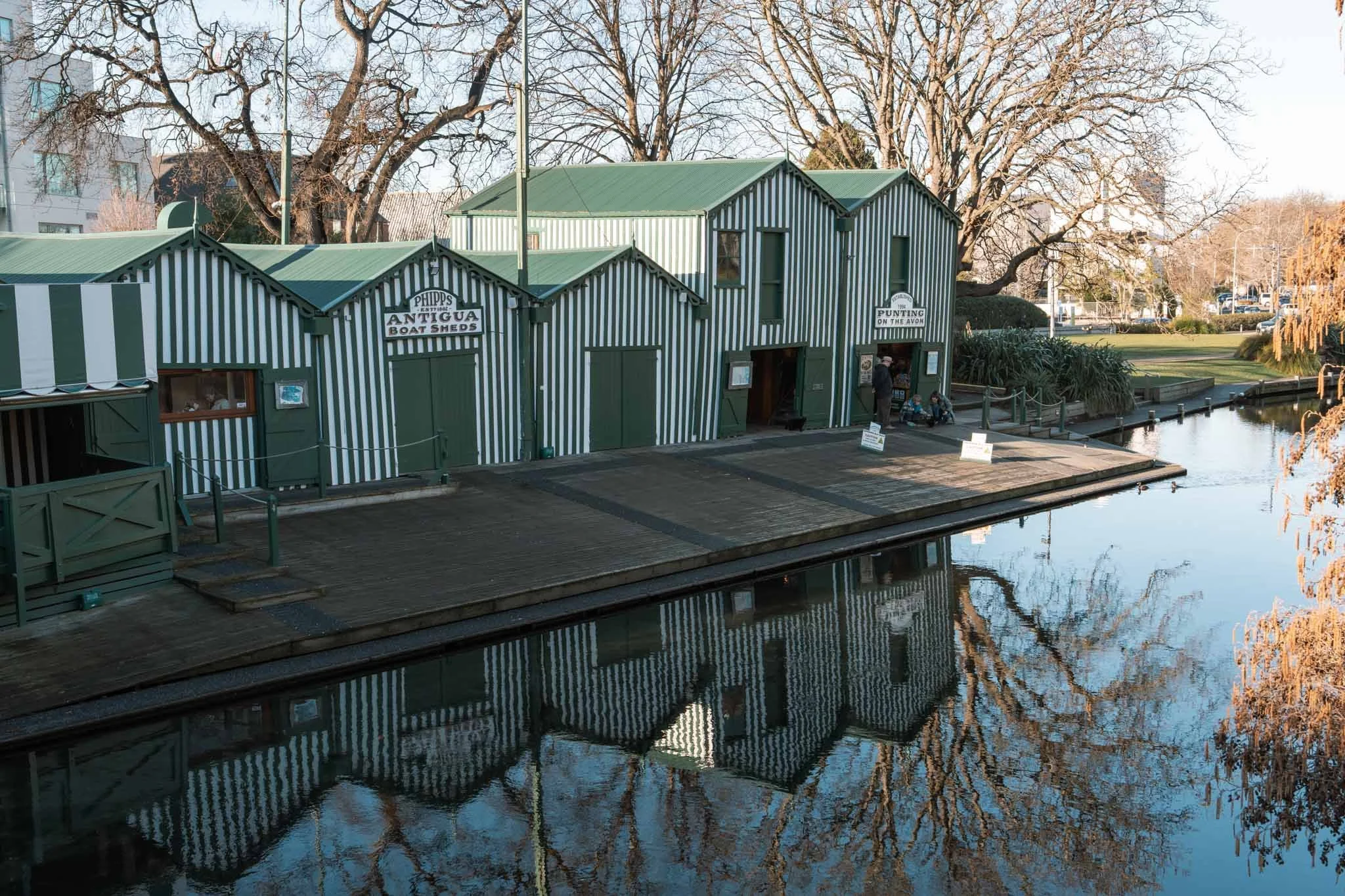
The Antigua Boat Sheds
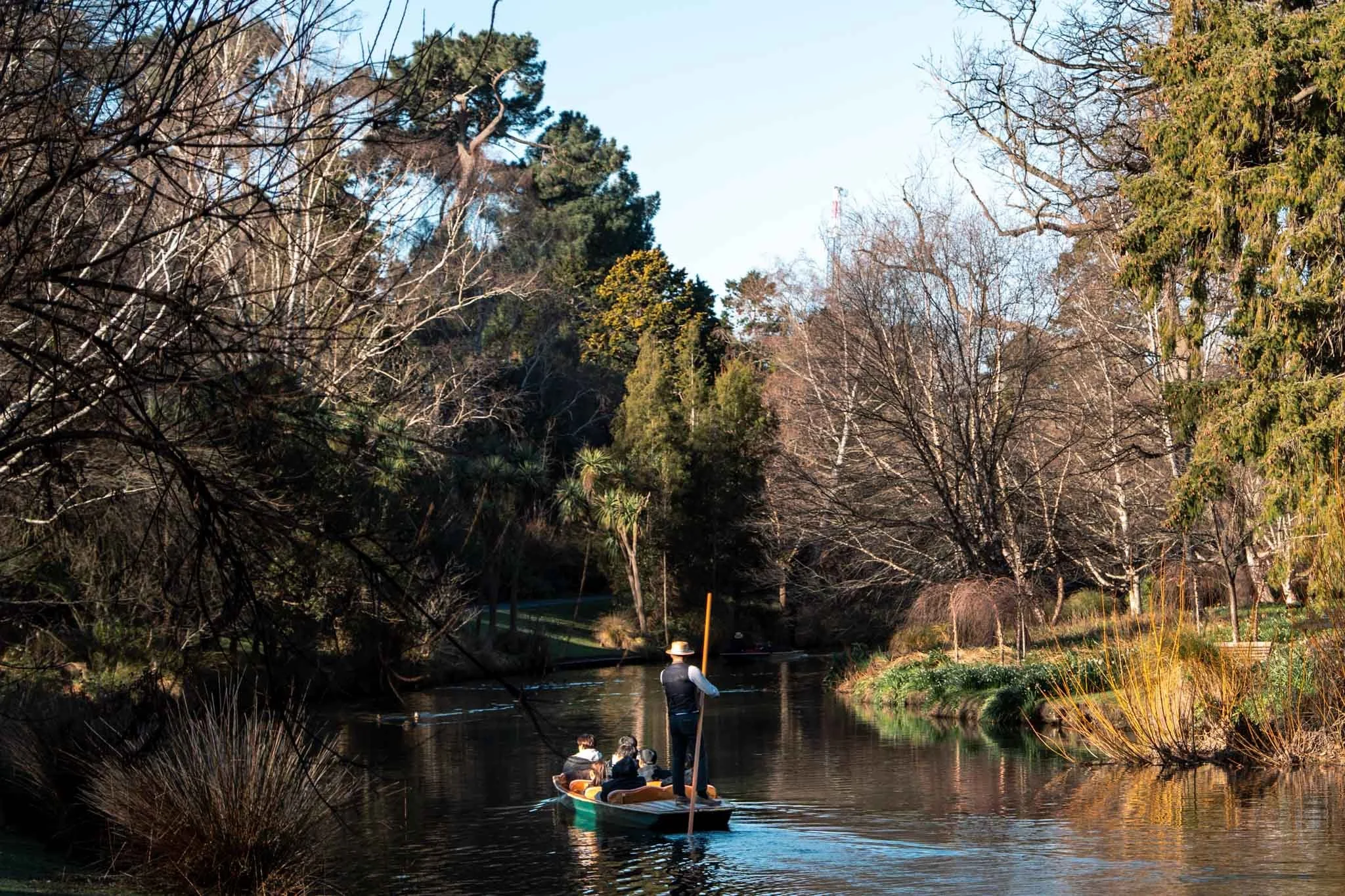
The green and white striped Antigua Boat Sheds are a picturesque sight on the shore of the Avon River. From the sheds, classically-attired guides punt wide, wooden craft through the Botanic Gardens. The Avon River is pretty, despite the number of noisy and invasive Canadian geese who seem to have become permanent residents, and the odd pieces of rubbish floating beneath the surface. The punt guides reel off a few facts and anecdotes about Christchurch and the botanic gardens, but this isn’t necessarily the best way to learn about the city; it’s just a lovely, calm way to spend half an hour. I went in winter, and the blankets provided were a cosy touch.
The details
$45 for 30 minutes
Booking ahead is a good idea — you can book online with Viator
Te Matatiki Toi Ora, The Arts Centre
The Cellar Door
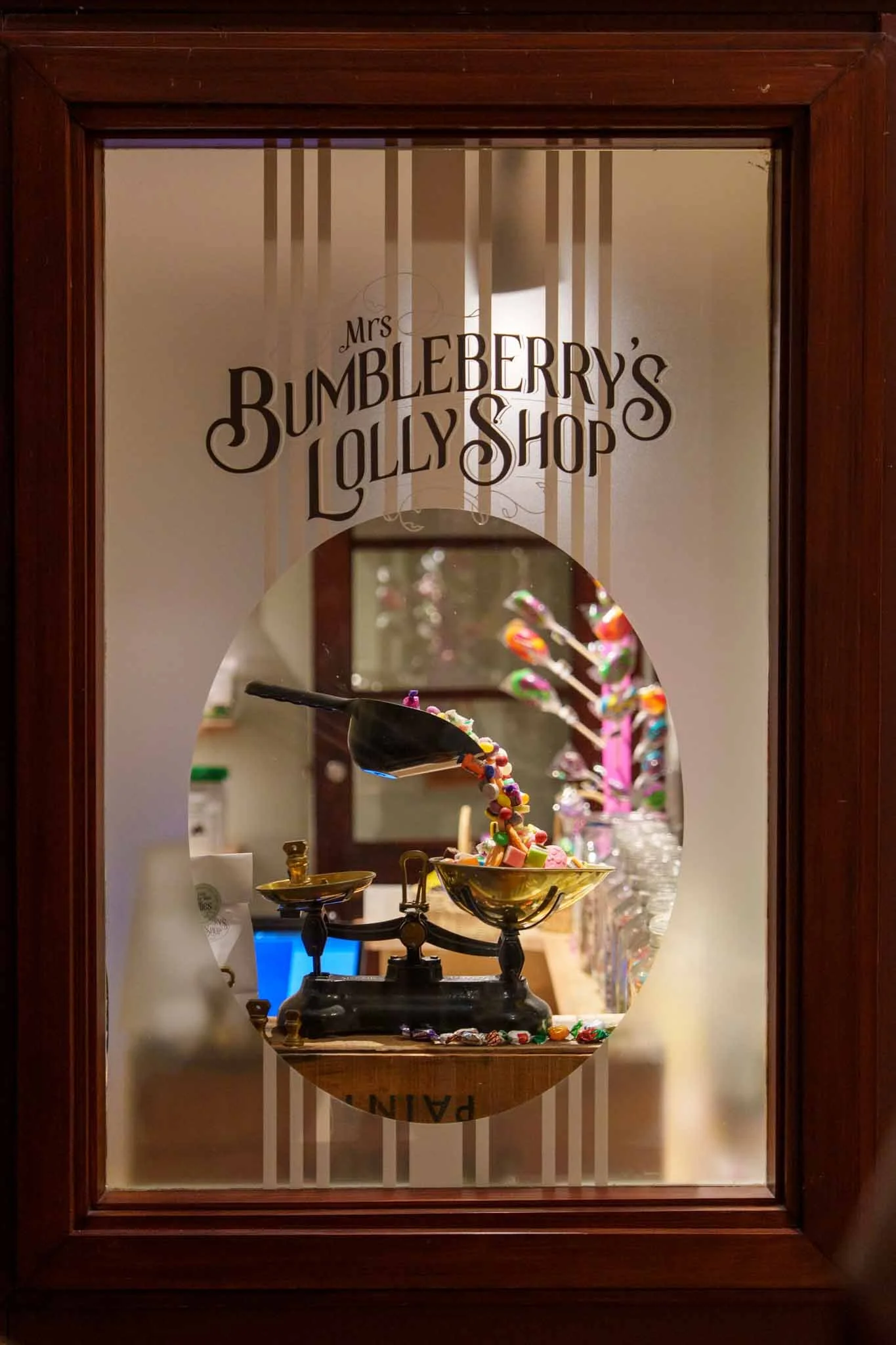
Inside the Arts Centre
Once a university campus, the Arts Centre is now a warren of shops, galleries, exhibitions spaces, the Observatory Hotel, and even a cinema. Enter as many rooms and climb as many staircases as you can; part of the fun is feeling like you can’t reach the end of the unfolding layout of rooms.
One of my favourite fixtures is the Custard Square Bookshop, a wide ranging collection of books housed in a pale yellow vintage caravan in a sunny spot by the Worcester Boulevard Entrance. All books are $5, and there are some true gems to be found. Another worthwhile stop is Rutherford’s Den in the Clock Tower is where the pioneer of nuclear physics studied at Canterbury College. In the restored Victorian lecture theatre, you can see graffiti from students long past scratched into the wooden desktops.
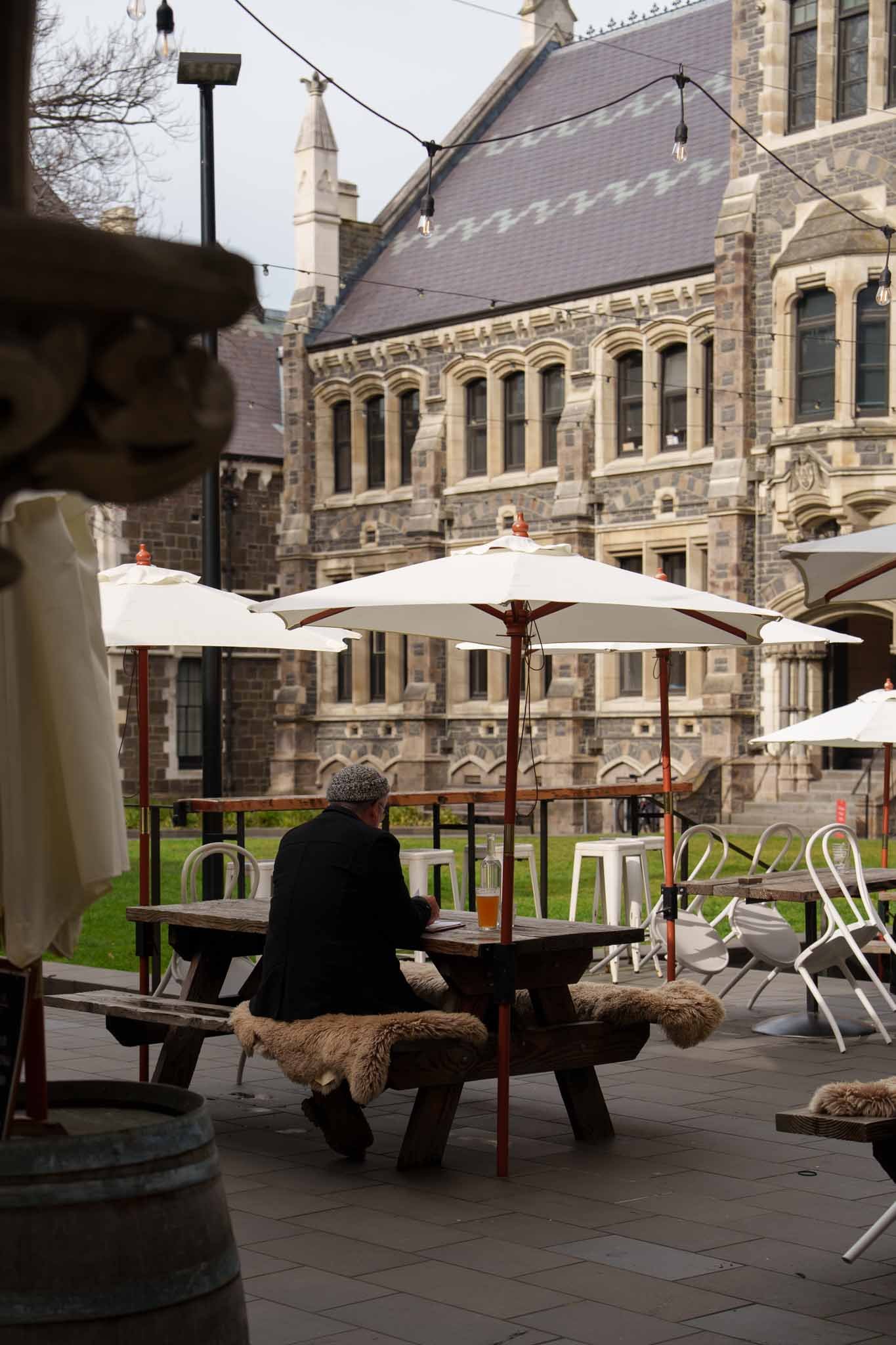
On one corner of the inner courtyard is Cellar Door, a wine bar and restaurant where you can try various wine flights, from local Waipara wines to those grouped creatively by salinity or crispness. They also do excellent cheese platters – choose your cheeses, which come in 50g chunks, and they are served with crackers, fruit, and condiments. It’s an excellent way to kick off an evening; just be sure to book in advance.
If you want to round out your visit with a film, Lumière Cinemas is a beautiful boutique cinema, which is also home to the lovely little Bijou bar, which overlooks Hagley Park.
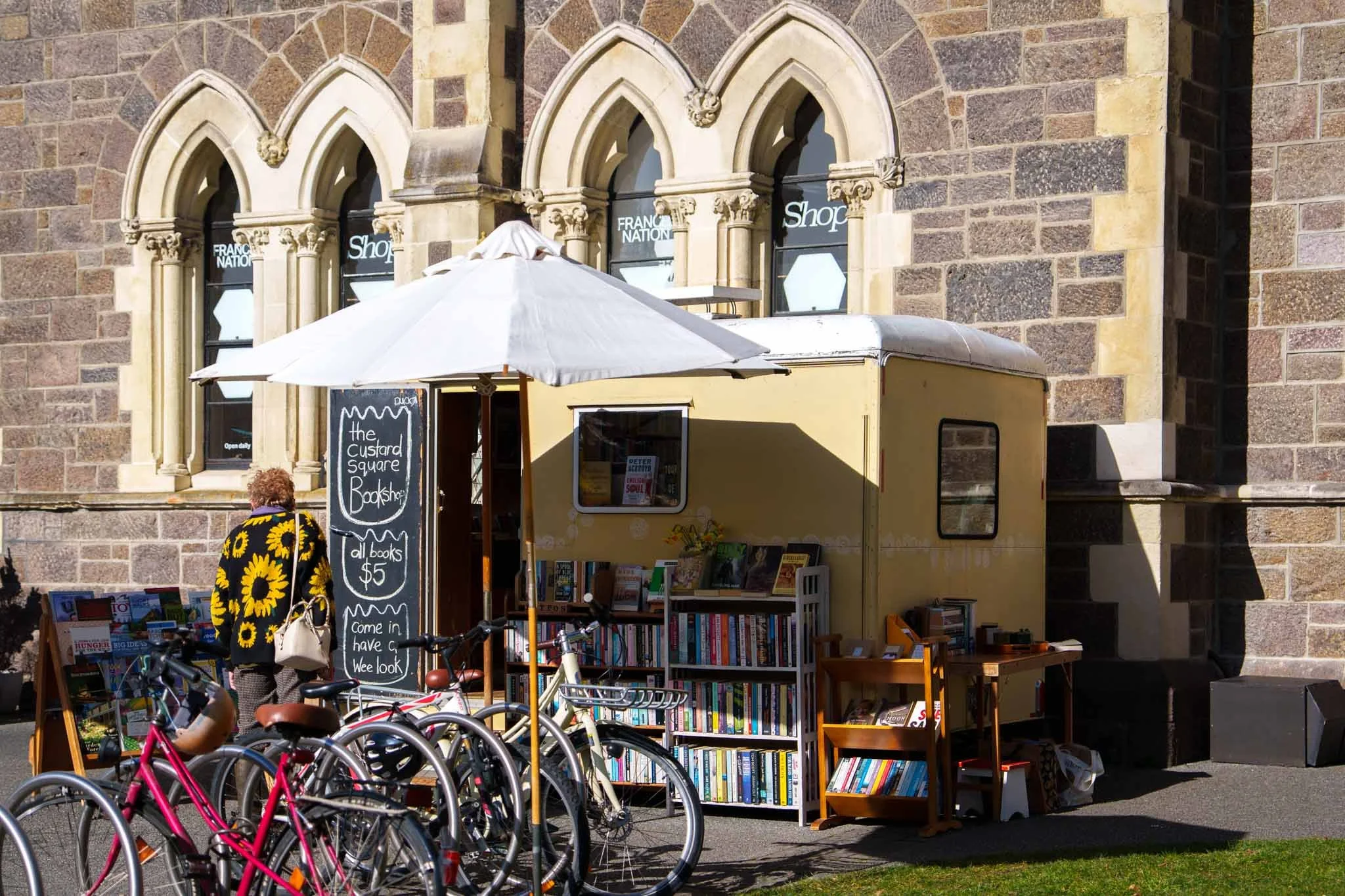
The Custard Square bookshop
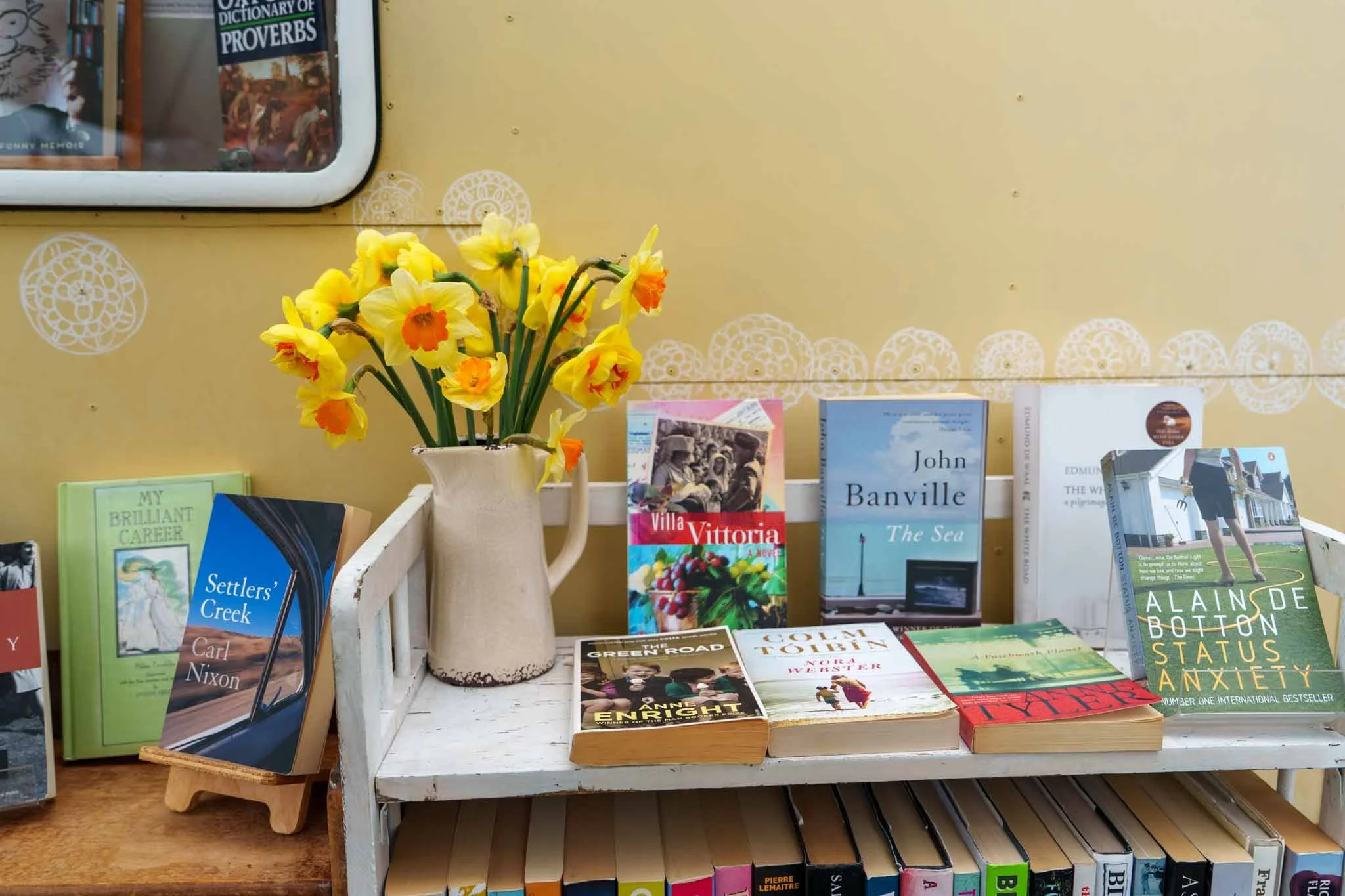
The Custard Square bookshop
The details
Stay at The Observatory Hotel for the ultimate Arts Centre experience
Make a pre-dinner booking at Cellar Door, for wine flights and cheese platters
Christchurch Art Gallery Te Puna o Waiwhetū
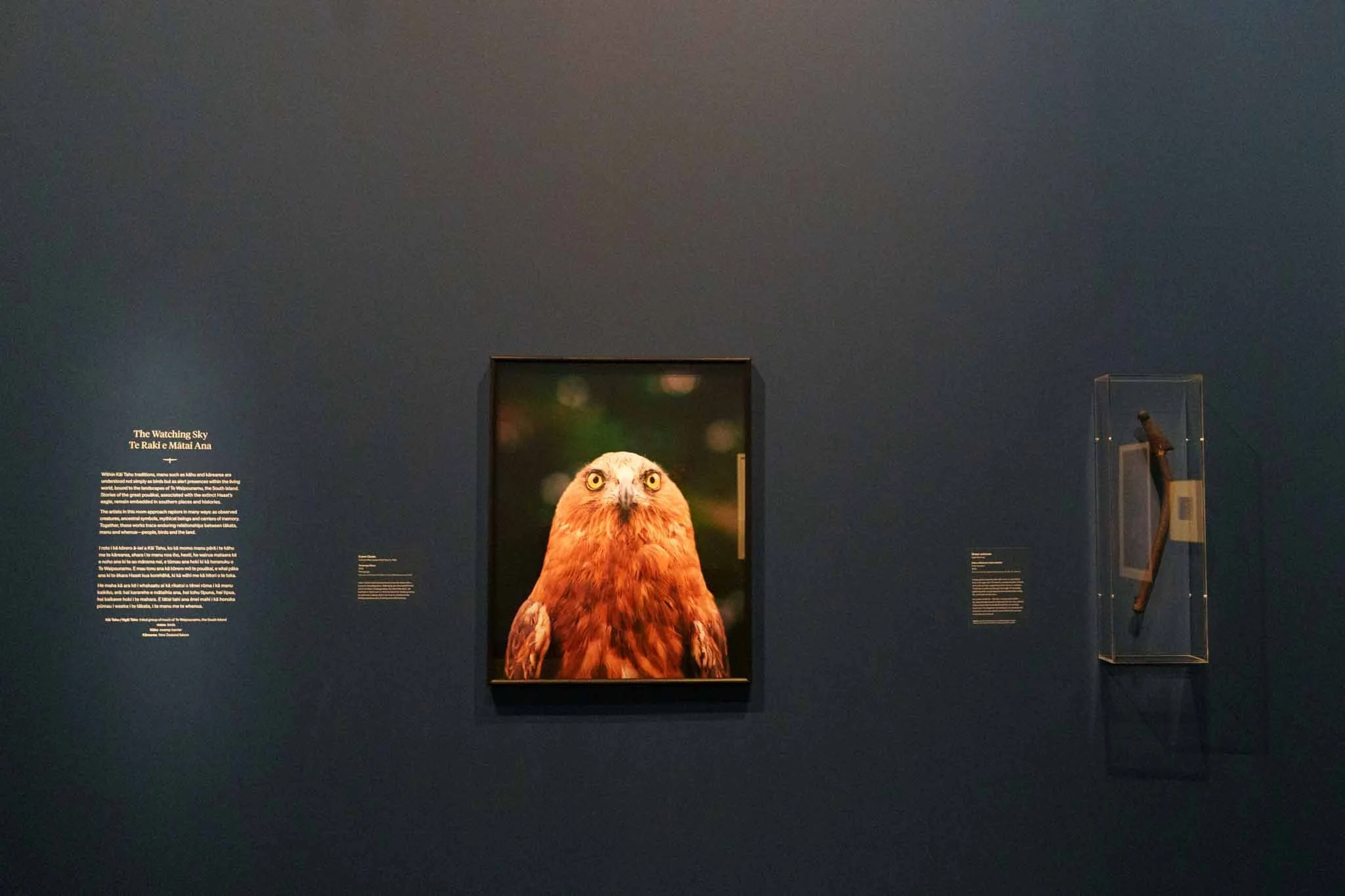
Home to one of Aotearoa New Zealand's most important public art collections, the Christchurch Art Gallery is free to enter and well worth a visit. Exhibitions change regularly; on my most recent visit, I loved an exhibition exploring native birds and the natural world in New Zealand’s art history. The gift shop is also well stocked, with a good selection of books. But, my best tip is to make sure you take the lift between floors – you’ll be in for a delightful little surprise.
The details
Free entry, allow around 1 hour
Hagley Park, Cuningham House and the Botanic Gardens
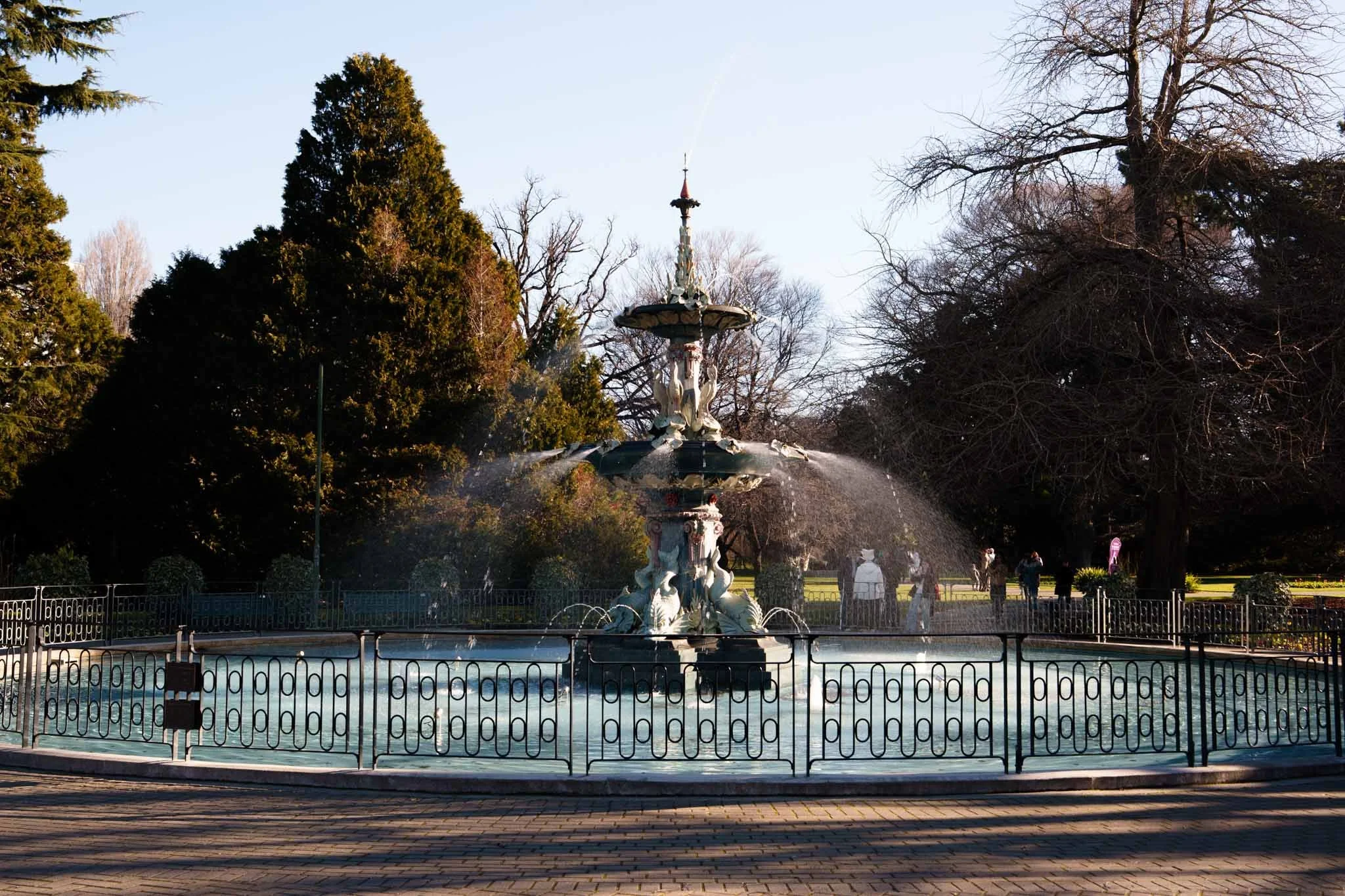
Hagley Park is Christchurch’s vast inner city green space which has been at the heart of the city since the 1850s. The sprawling 165 hectare (407 acre) park covers woodlands, open spaces, and the botanic gardens, the most striking feature of which is Cuningham House, a neo-classical tropical conservatory surrounded by a rose garden. In spring, the park is famous for daffodils carpeting the grass beneath soaring trees, and avenues of cherry blossoms bursting into life. The rose garden is at its best in summer, and in autumn, the many trees of the park become burnished in gold. There are endless options for walks in the park; I often end up just strolling alongside the Avon River.
Christchurch library, Tūranga
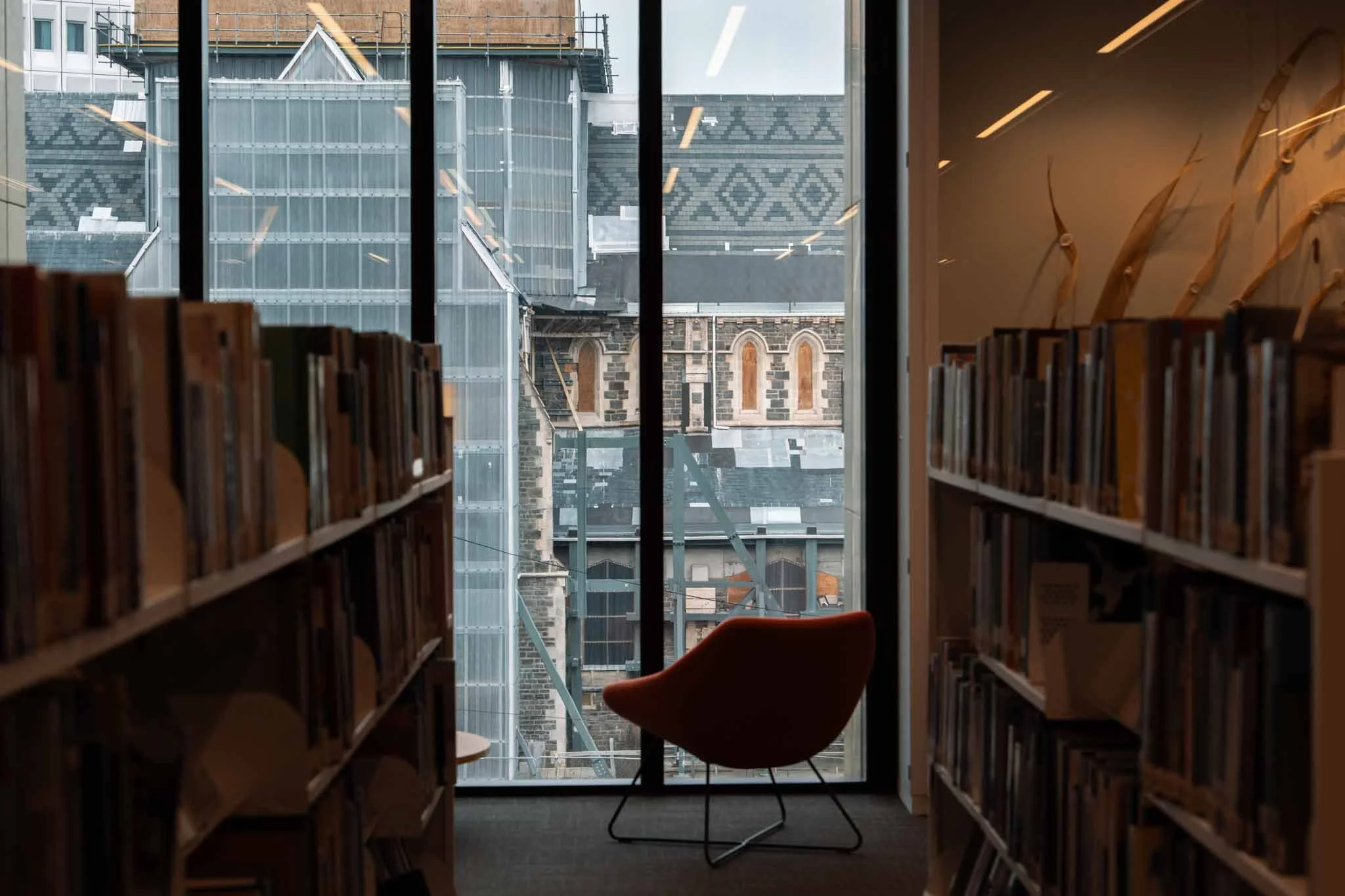
The central Christchurch library, Tūranga, is a light, airy building that is as much a thriving community hub as a traditional library. For visitors, the main attraction is the fourth floor terrace and floor to ceiling windows which offer superb views of the cathedral under construction, and a panorama of Christchurch city.
On the first floor is a buzzing cafe, a puzzle corner, and an interactive discovery wall with stories and photos from Christchurch’s history.
There are plenty of cosy seating corners throughout the building, including nooks on the spacious wooden stairs, as well as convenient phone charging stations and free wifi; everything you need for a quick break from exploring the city. And if bathroom selfies are your thing, the bright yellow tiled bathrooms are beloved by locals for their photographic potential.
Godley Head Loop Walk
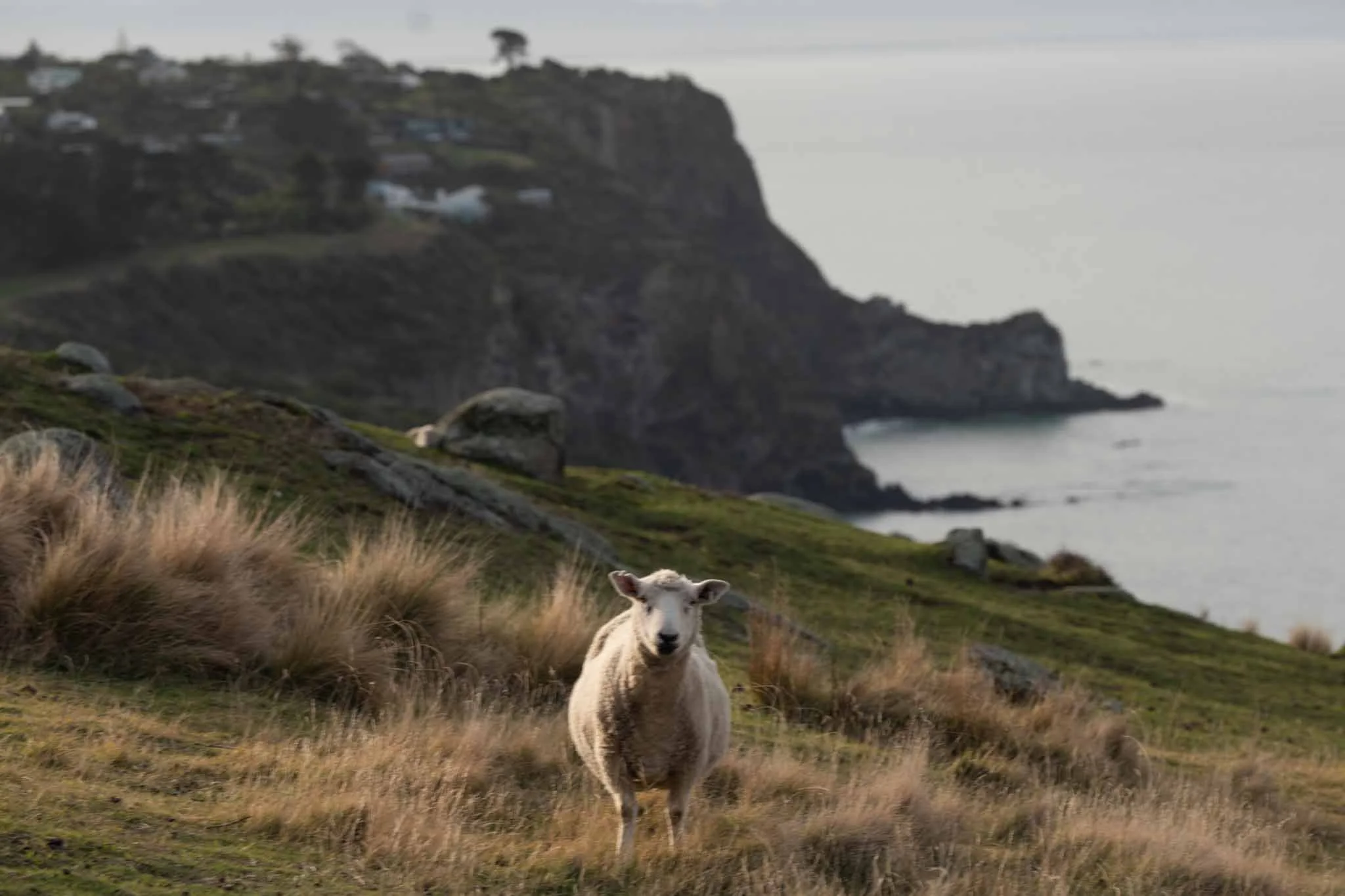
For some of the most spectacular coastal views in Canterbury, head out to Taylor’s Mistake beach (around 30 minutes from the central city). From there, a loop track climbs rocky cliffs out to the headland, before returning on the Lyttelton Harbour side of the hills. The rugged coastline, sheep grazing the golden hills, and small baches (holiday houses) tucked into the bottom of the cliffs make it a picturesque (if often windy) walk.
The details
The start of the walk is around 30 minutes drive from the centre of Christchurch
Ride the TranzAlpine Train
New Zealand only has a handful of trains, and one of the most epic journeys departs from Christchurch. If you’re up for a scenic train trip, you can ride the TranzAlpine over to Greymouth and back.
Or, stop in Arthur’s Pass for a short walk, before returning on the train in the afternoon.
Although it’s a lot of time spent in the train, the journey is a whole experience in itself, with stunning scenery.
Visit Banks Peninsula
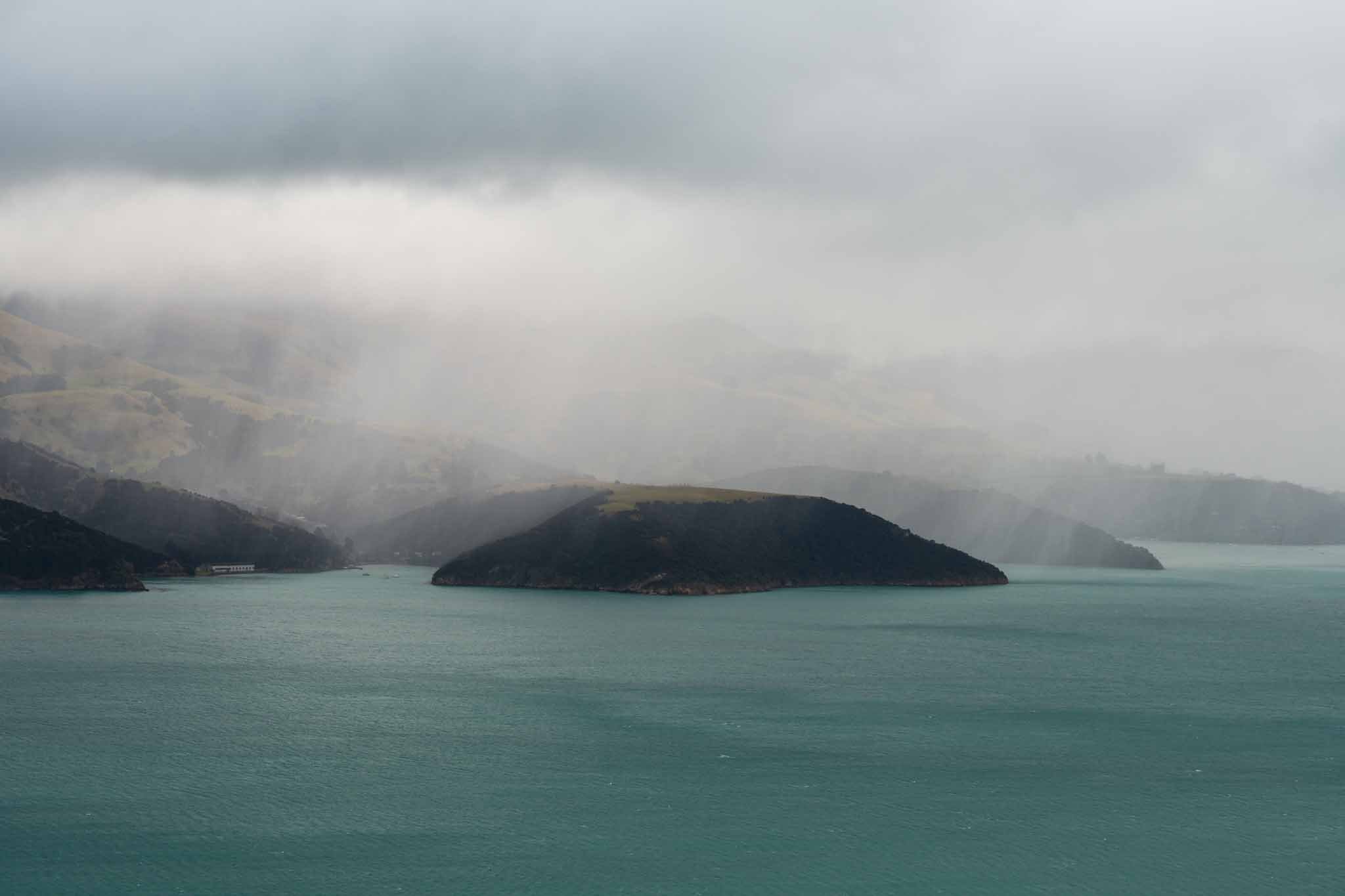
Banks Peninsula looks to me like the elbow of the South Island, jutting out into the Pacific Ocean just south of Christchurch city. The peninsula was formed by two volcanoes long ago; all that’s left of them now is the harbours of Akaroa and Lyttelton, and the distinct finger-like ridgelines that fringe the landform and create calm bays between their knuckles.
Akaroa sells itself as having French influence, but the reality is that was largely a tourism scheme cooked up in the 70s and 80s, when the fishing industry started to fail and the town needed to save itself by attracting visitors instead. The French history is limited to a short-lived attempt by a French Captain to claim territory around Akaroa, but enterprising locals have built on that with French street names and various other references to French culture. Oddly enough, there does seem to be a healthy population of French expats in town; the bakery, La Baguette, is indeed run by a Frenchman.
The water around Banks Peninsula is a striking turquoise blue, a colour so distinct the little blue penguins living around the peninsula have adapted to have paler feathers and white flippers. The colour comes from sediment carried out to sea by rivers and swirled around by tides and currents flowing along the coast. Set against tall sea cliffs and golden hills grazed by sheep and cattle, the peninsula is a picturesque place to escape to for a night. The penguins are one of the key attractions on the peninsula, along with the pint sized Hector’s dolphins which bop around the bays.
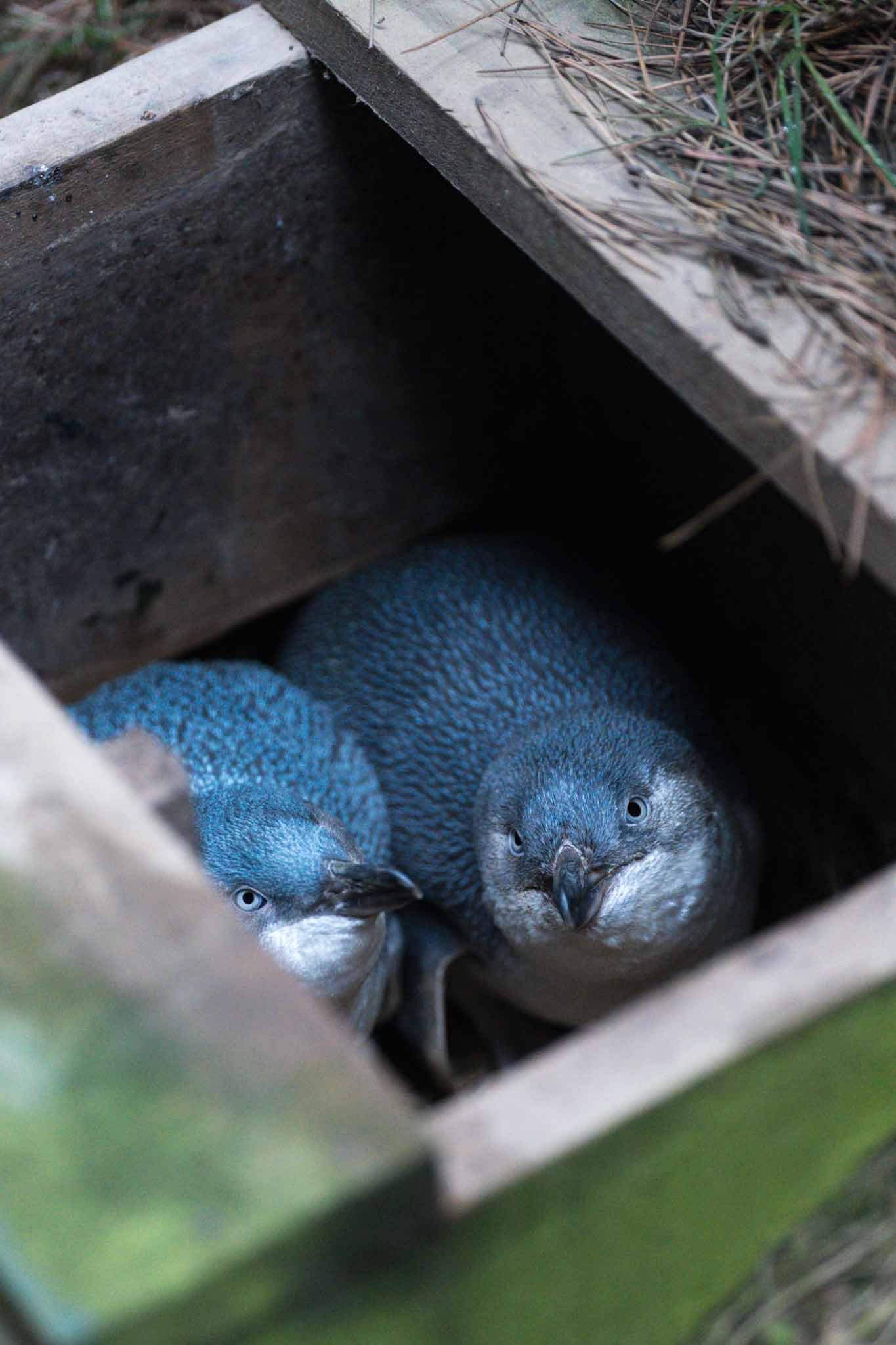
Little penguins at Pohatu Penguins
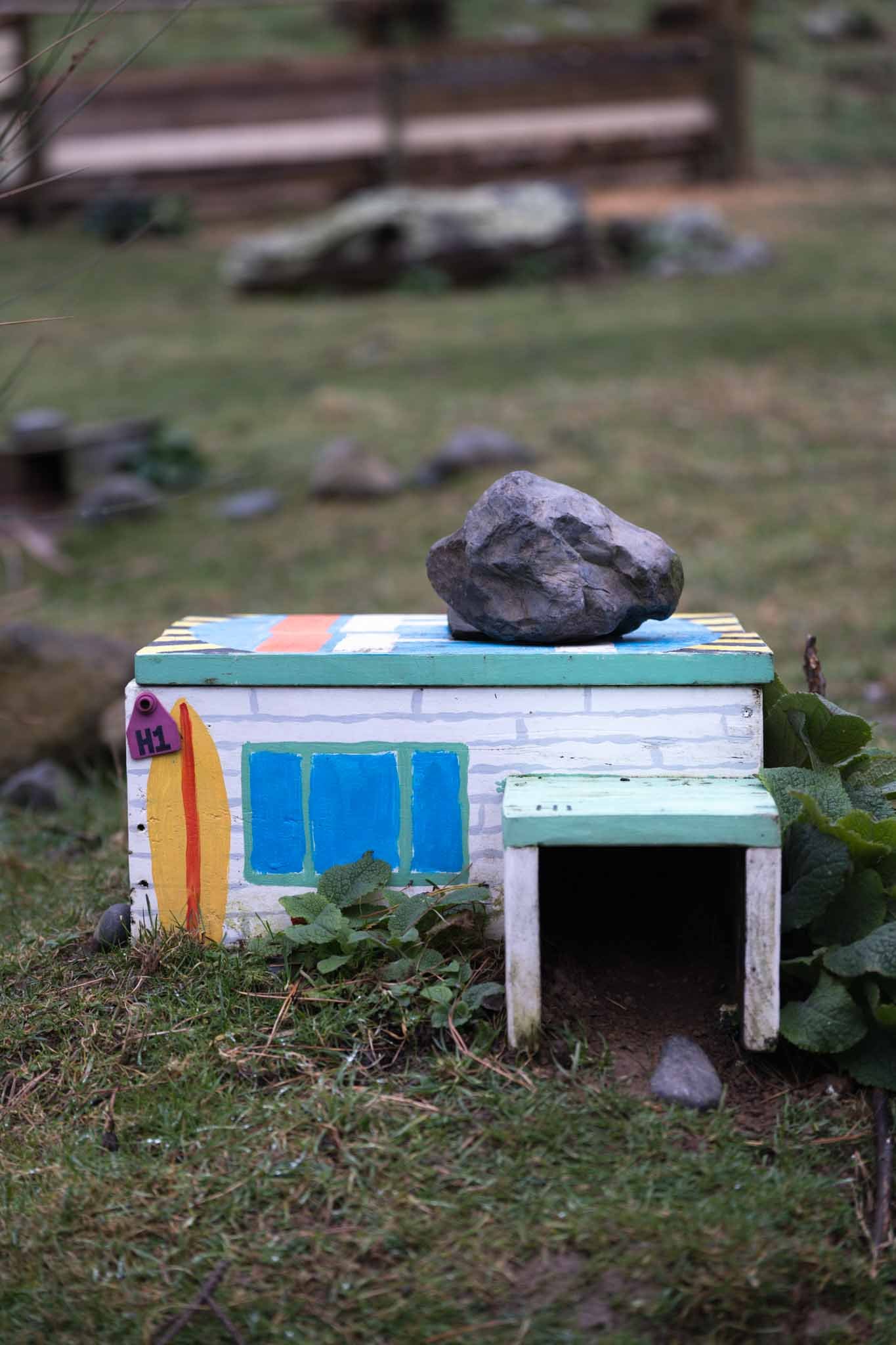
A penguin house at Pohatu Penguins
The details
Although possible to visit on a day trip from Christchurch, I think Banks Peninsula is better served as an overnight destination.
Visit the Pohatu Penguin colony, or go for the full experience and stay overnight, so you can go sea kayaking in the morning (I highly recommend the 24 hour package if you don’t mind simple accommodation)
Stop by Birdlings Flat beach to look for agate stones, then visit the Gemstone and Fossil Museum
Author bio
I’m a freelance travel writer from New Zealand with bylines in National Geographic Travel, Conde Nast Traveler, Travel + Leisure and more. These days, most of my writing is for this website — I’m making it my mission to be the most trustworthy source of information for your trip to New Zealand. I don’t accept sponsorships, I pay for almost everything myself, and I spend months travelling New Zealand each year, all to deliver the best insider travel intel on this country.

Read more