New Zealand travel guide
GUIDES WRITTEN ABOUT NEW ZEALAND, BY A NEW ZEALAND TRAVEL WRITER
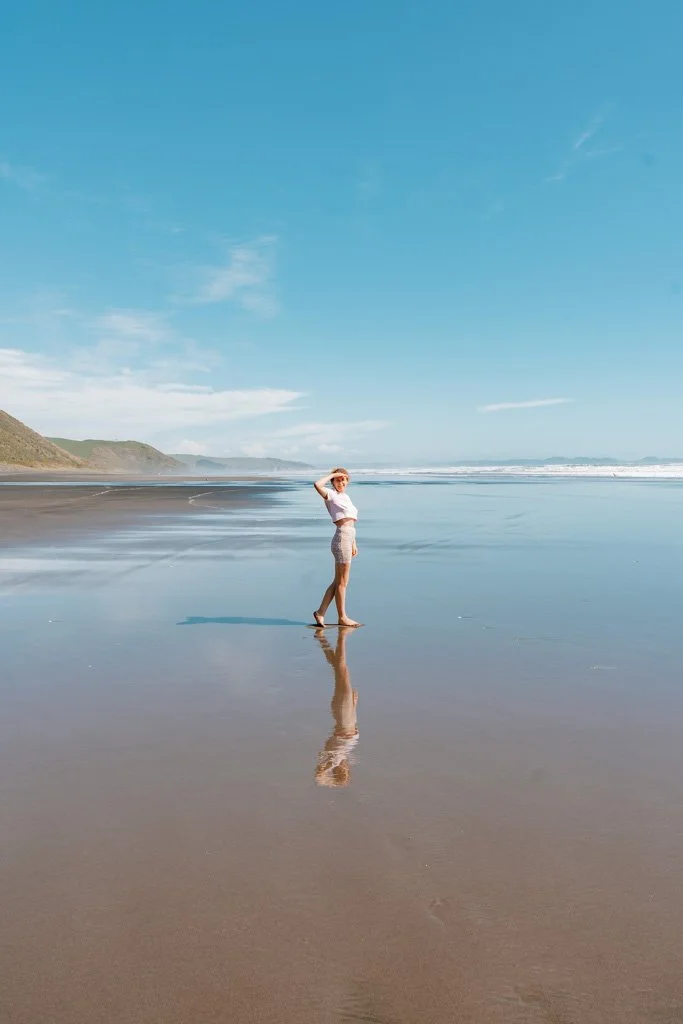
Raglan, 2025
I’m here to help you discover the most beautiful places and best adventures in New Zealand. My ethos is less is more; sustainable where possible; and adventurous, always.
AN INTRODUCTION
Or, a note on why I’m uniquely qualified to be your New Zealand guide
My love for New Zealand – beyond the regular fondness a person holds for their own country – was a slow dawning, rather than the quick clobbering most visitors experience when faced with the absurd beauty of this island nation.
Despite growing up in the Coromandel Peninsula, a place so beautiful people travel from around the world to see it, in my twenties I couldn’t wait to leave. I feel almost silly now (more so when I realise this is a story as old as books) that I had to spend years travelling to the farthest reaches of the planet before I came to fully appreciate my home.
After completing that circle, arriving back in New Zealand, it’s exactly as the T.S Eliot quote goes; “And the end of all our exploring, will be to arrive where we started, and know the place for the first time.”
Since 2020, the year that forcibly made me contain my wanderings to within New Zealand’s borders, I have travelled the whole country from top to bottom. It was all there the whole time; the mountains, the glaciers, the crystalline rivers. All that adventure, waiting for me.
My explorations of Aotearoa have dovetailed neatly with my travel writing career; I feel incredibly fortunate that I get to channel my love of New Zealand into my work. I hope that in sharing my love for New Zealand, I help you fall in love with this country too.
New Zealand highlights
-
![Mudbrick vineyard on Waiheke Island]()
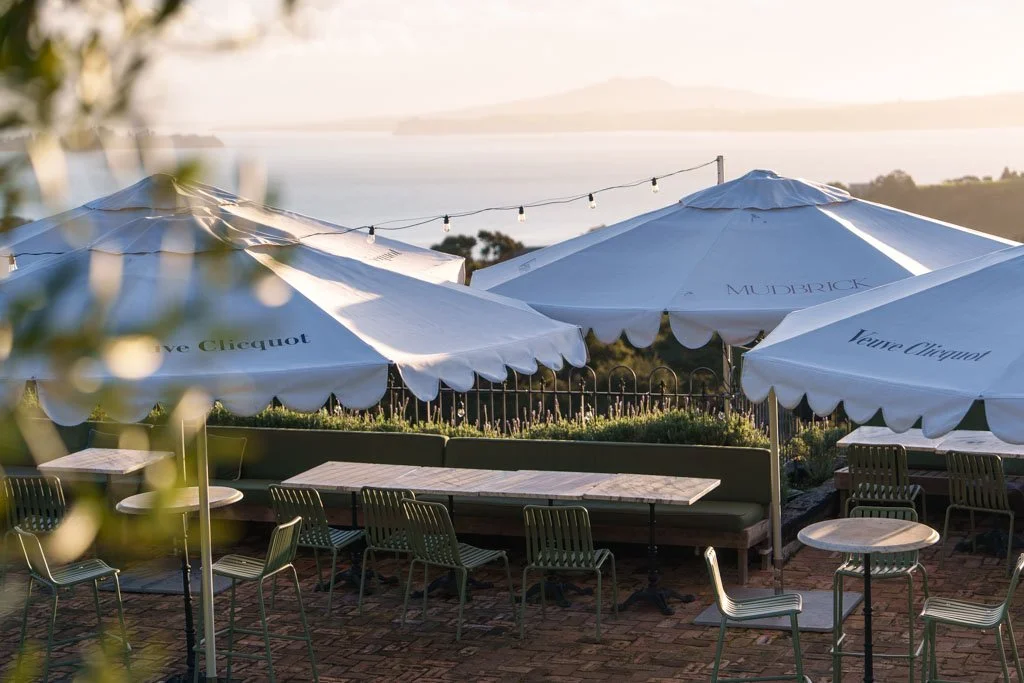
01 — Waiheke Island
NORTH ISLAND
Wineries, restaurants, and island vibes. What’s not to like?
-
![A woman sits underneath glow worms in Waitomo]()
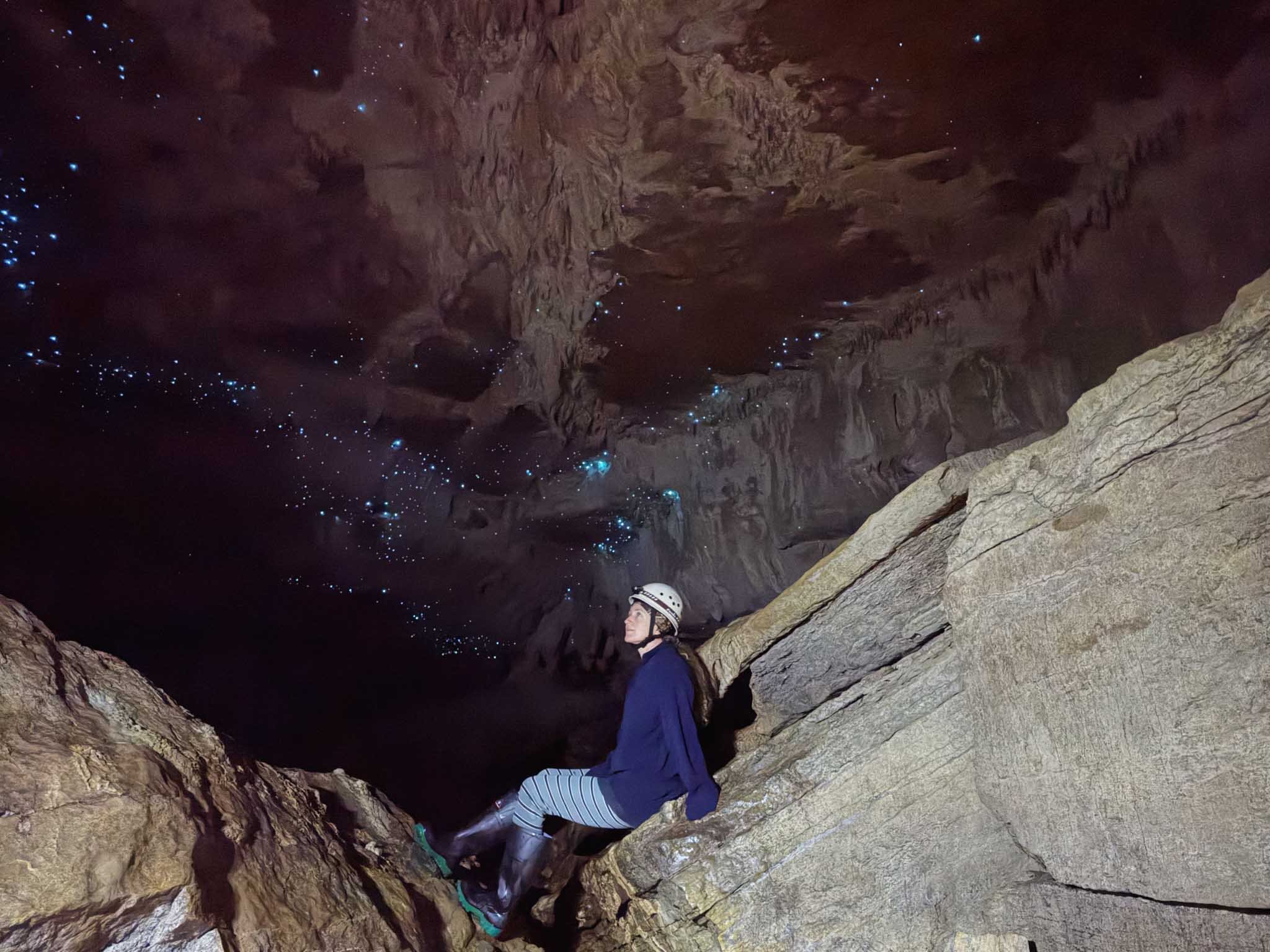
02 — Waitomo
NORTH ISLAND
Floating along underground rivers, staring up at caves lit by the electric blue light of glow worms is one of the most unique adventures you can have in New Zealand.
-
![Sunset colours the steam above a geyser in Rotorua pink]()
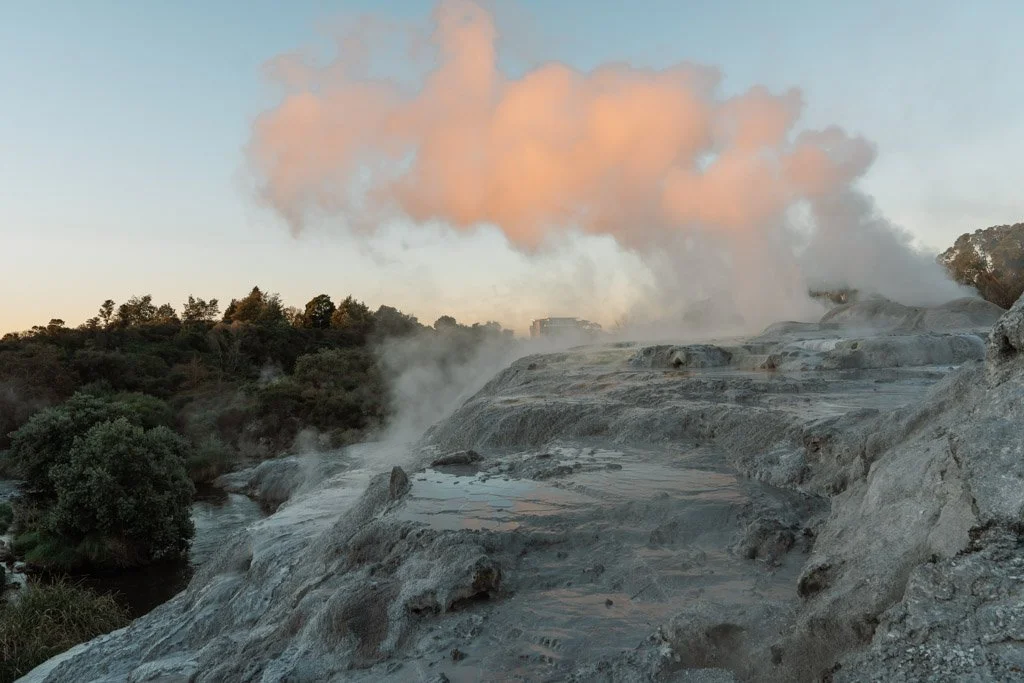
03 — Rotorua
NORTH ISLAND
My adopted home has fascinating geothermal landscapes and an ample supply of thermal hot springs.
-
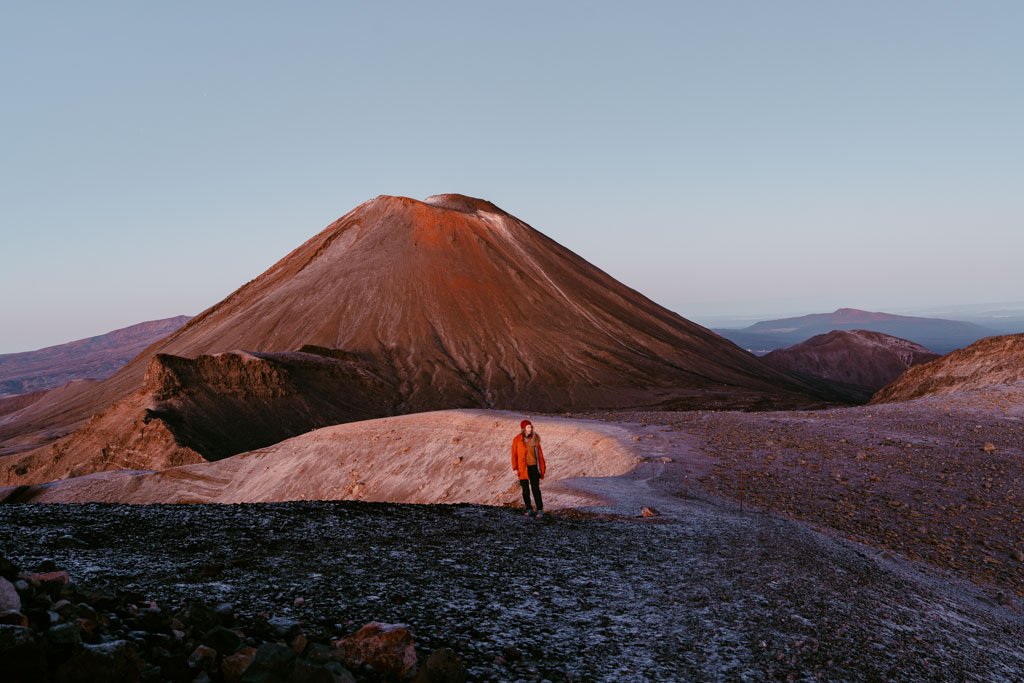
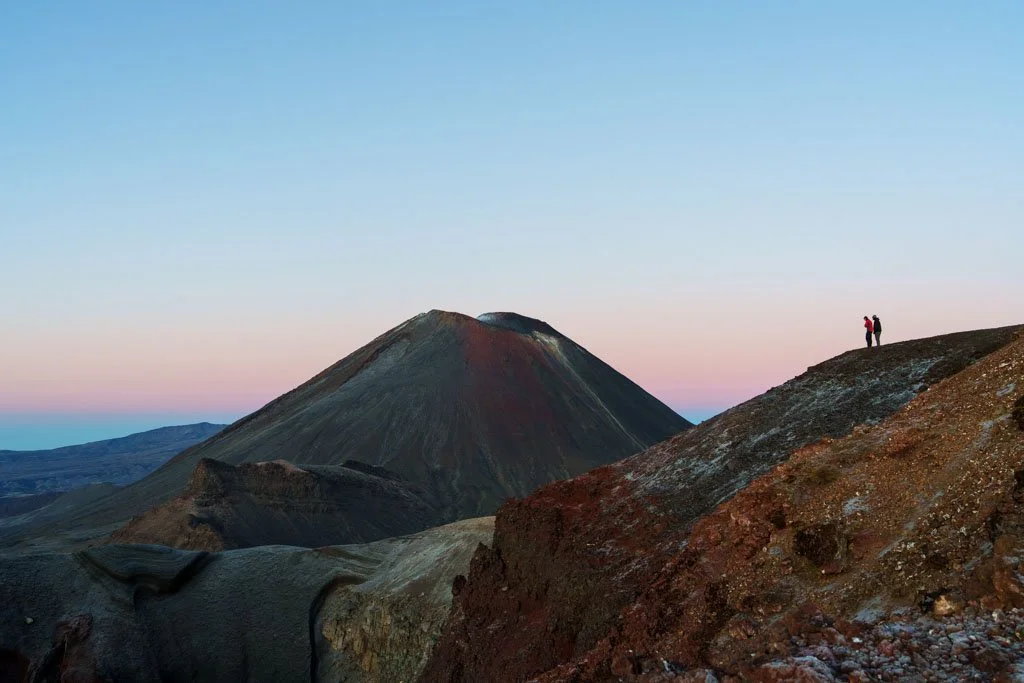
![A woman stands in front of Ngauruhoe at dawn]()
04 —Tongariro
The Tongariro Crossing might be the premier day walk in this park (and perhaps all of New Zealand) but even shorter options will let you see the impressive volcanic heart of the North Island.
-
![A rocky coastline is pounded by white surf at Cape Reinga]()
05 — Cape Reinga
NORTH ISLAND
One of my favourite drives is setting a course all the way to the end of State Highway 1, at the northernmost tip of the North Island, to see towering dunes and the place where the Tasman Sea and Pacific Ocean collide.
-
![]()
06 — Coromandel
NORTH ISLAND
I never tire of driving the loop around the Coromandel; some of New Zealand’s best beaches are there, plus a quirky train through native forest, waterfalls, and remote hippie enclaves.
-
![A ship sails through mist during blue hour on Doubtful Sound]()
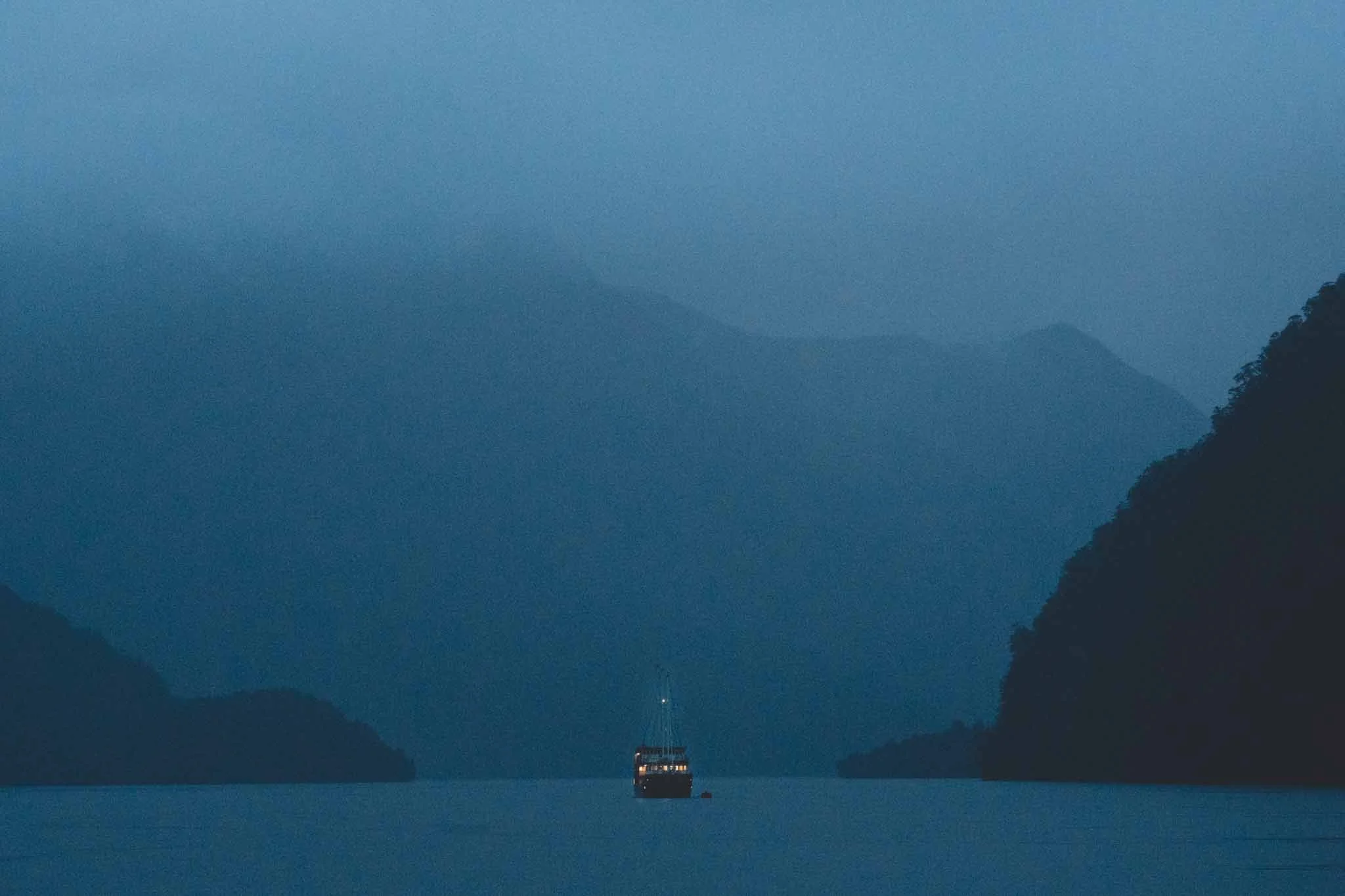
07 — Doubtful Sound
SOUTH ISLAND
Possibly the best thing I have ever done in New Zealand is an overnight cruise on Doubtful Sound. Skip busy Milford Sound and choose to spend a night on the dark, remote waters of Doubtful Sound in Fiordland.
-
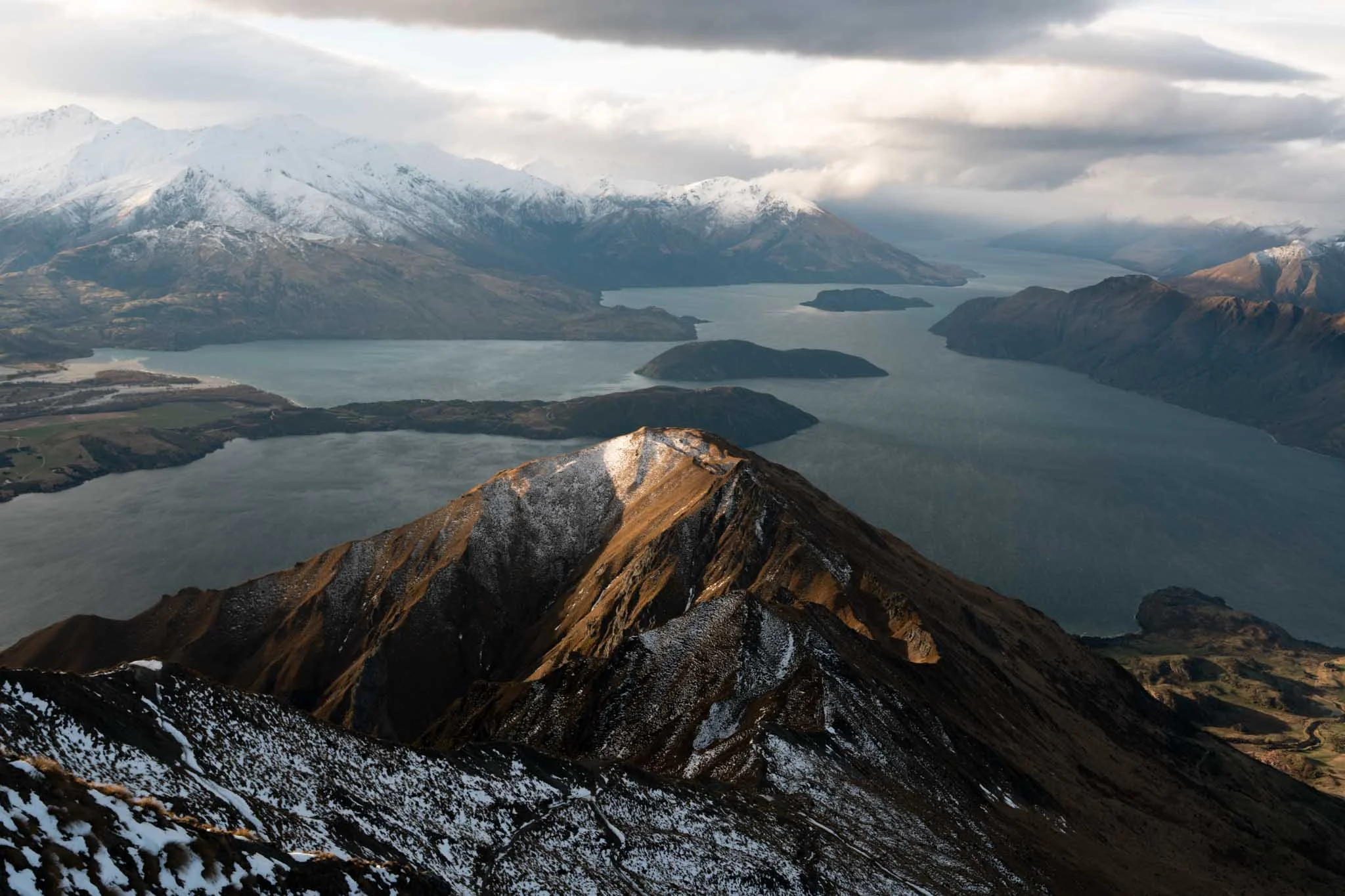
![Sunlight touches the top of Roys Peak in Wanaka]()
08 — Wanaka
SOUTH ISLAND
Wanaka makes the ideal base for day hikes; Roy’s peak is the most famous, but Rob Roy Glacier is even more stunning.
-
![Sunshine through a tree at Gillespie Beach lagoon]()
09 — Franz Josef
SOUTH ISLAND
Although the West Coast glaciers are much smaller than they were a decade ago, this part of the South Island is still rich in rainforest and coastal lagoons, making it one of my favourite wilderness areas.
-
![Aoraki Mount Cook is reflected in a rocky stream]()
10 — Aoraki Mount Cook
SOUTH ISLAND
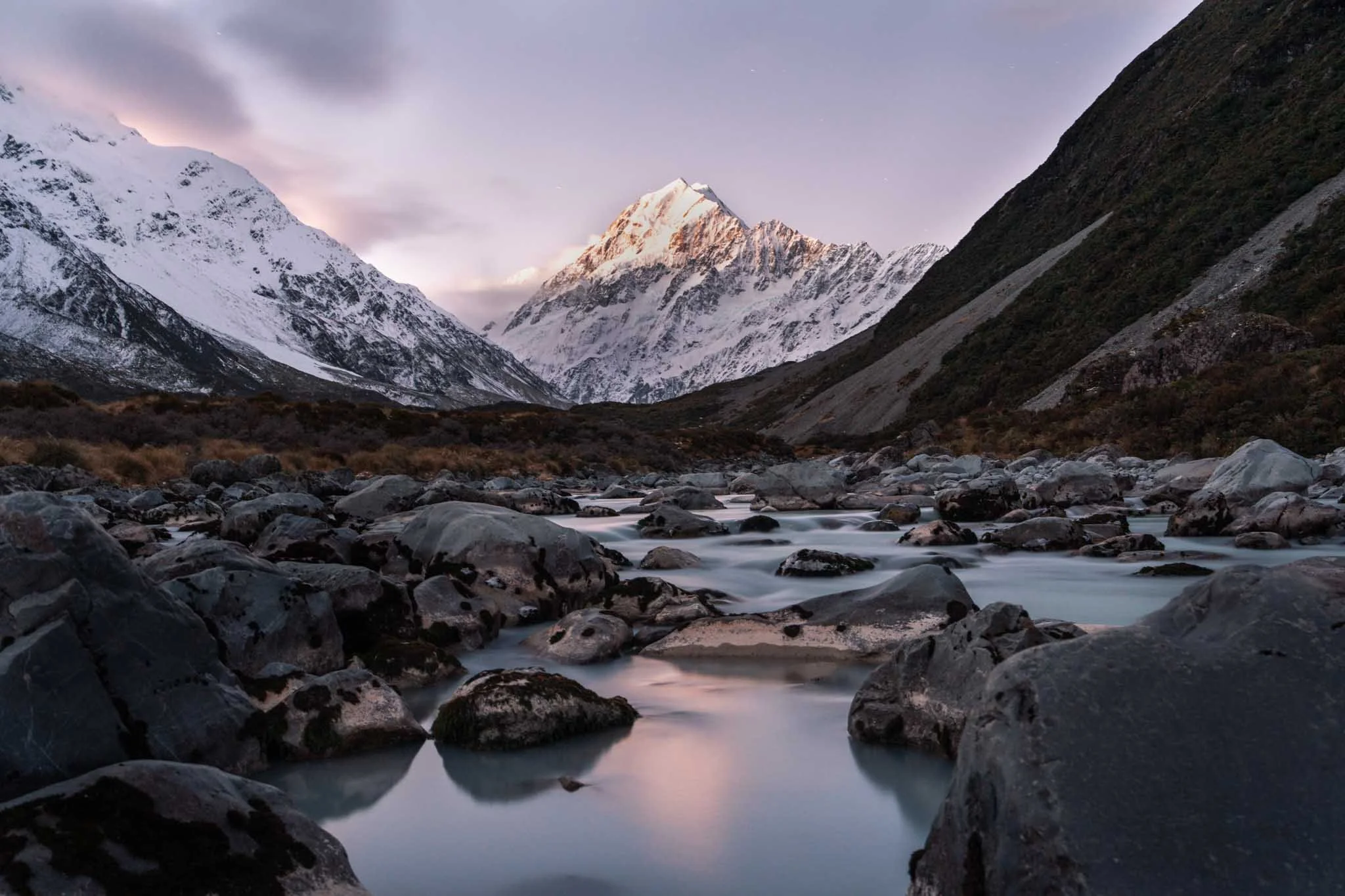
The most dramatic hikes in the South Island are in Aoraki/Mount Cook National Park, home to Aoraki, the Cloud Piercer – New Zealand’s tallest peak.
-
![Dawn colours the mountain range above Kaikoura pink]()
11 — Kaikoura
SOUTH ISLAND
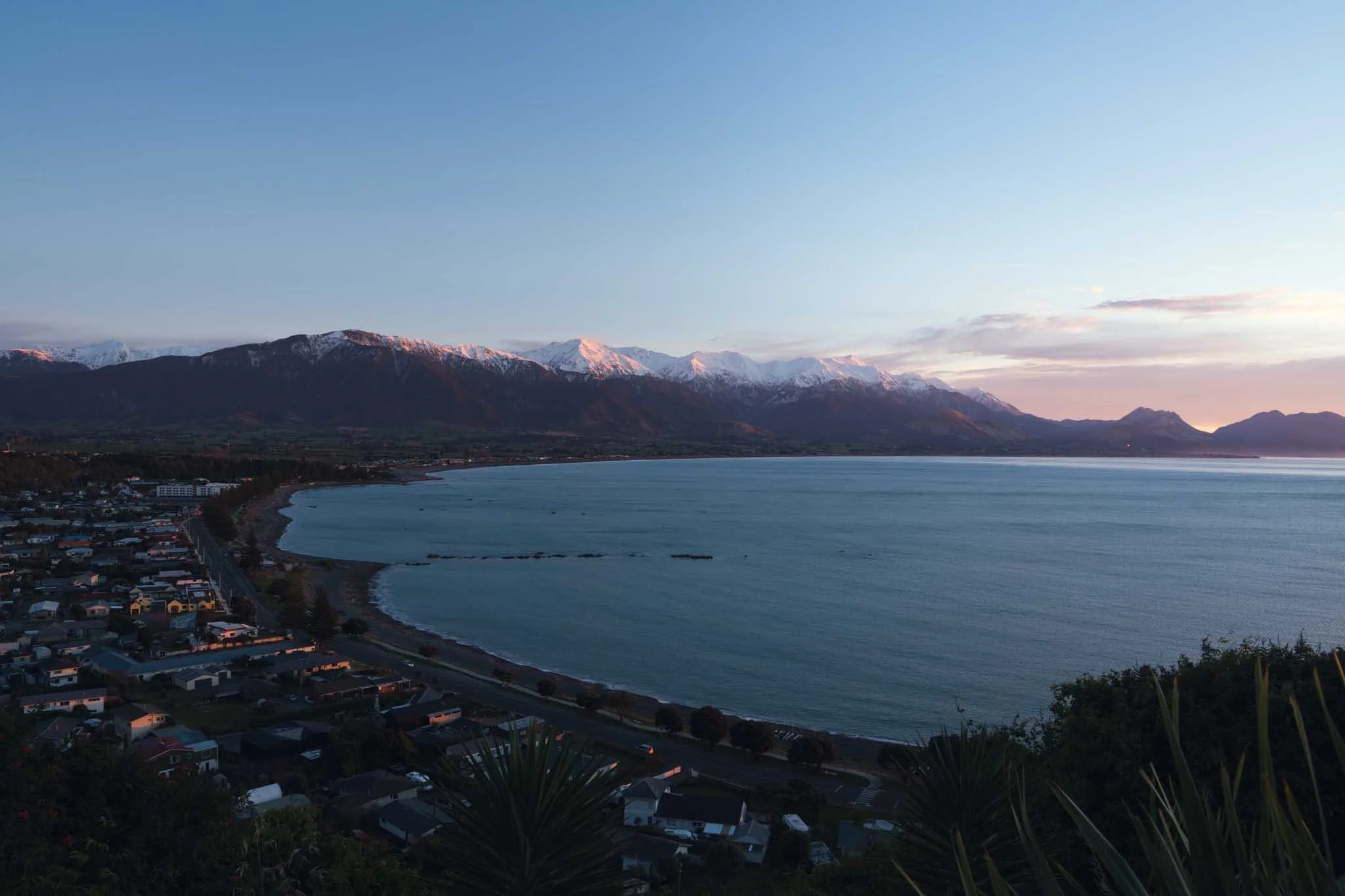
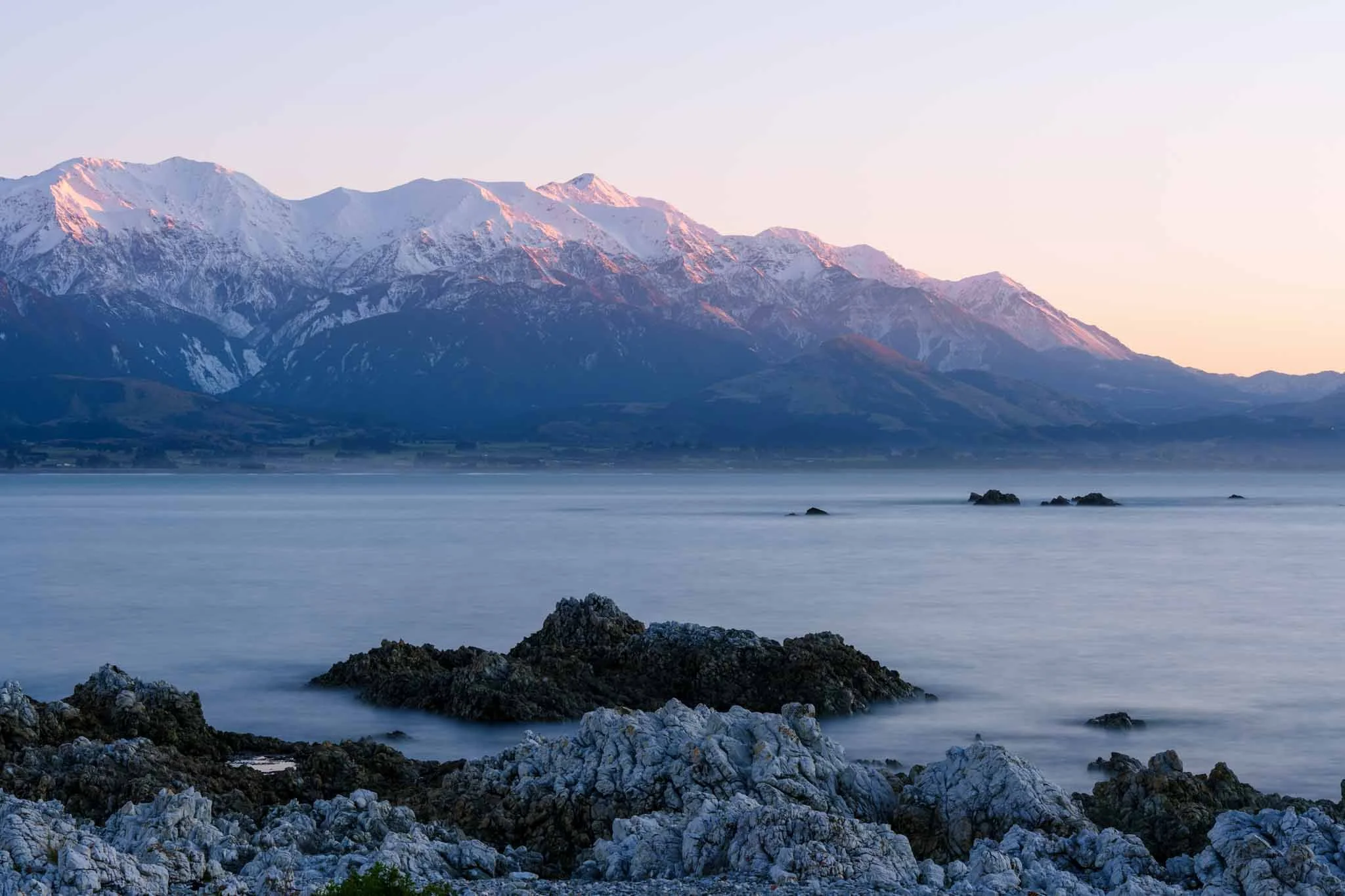
Small coastal towns often rate among my favourite places; Kaikoura might be the best of the lot, with pebble beaches, a backdrop of mountains, and an incredible display of marine wildlife.
-
![A platter of cheese sits amongst wine glasses]()
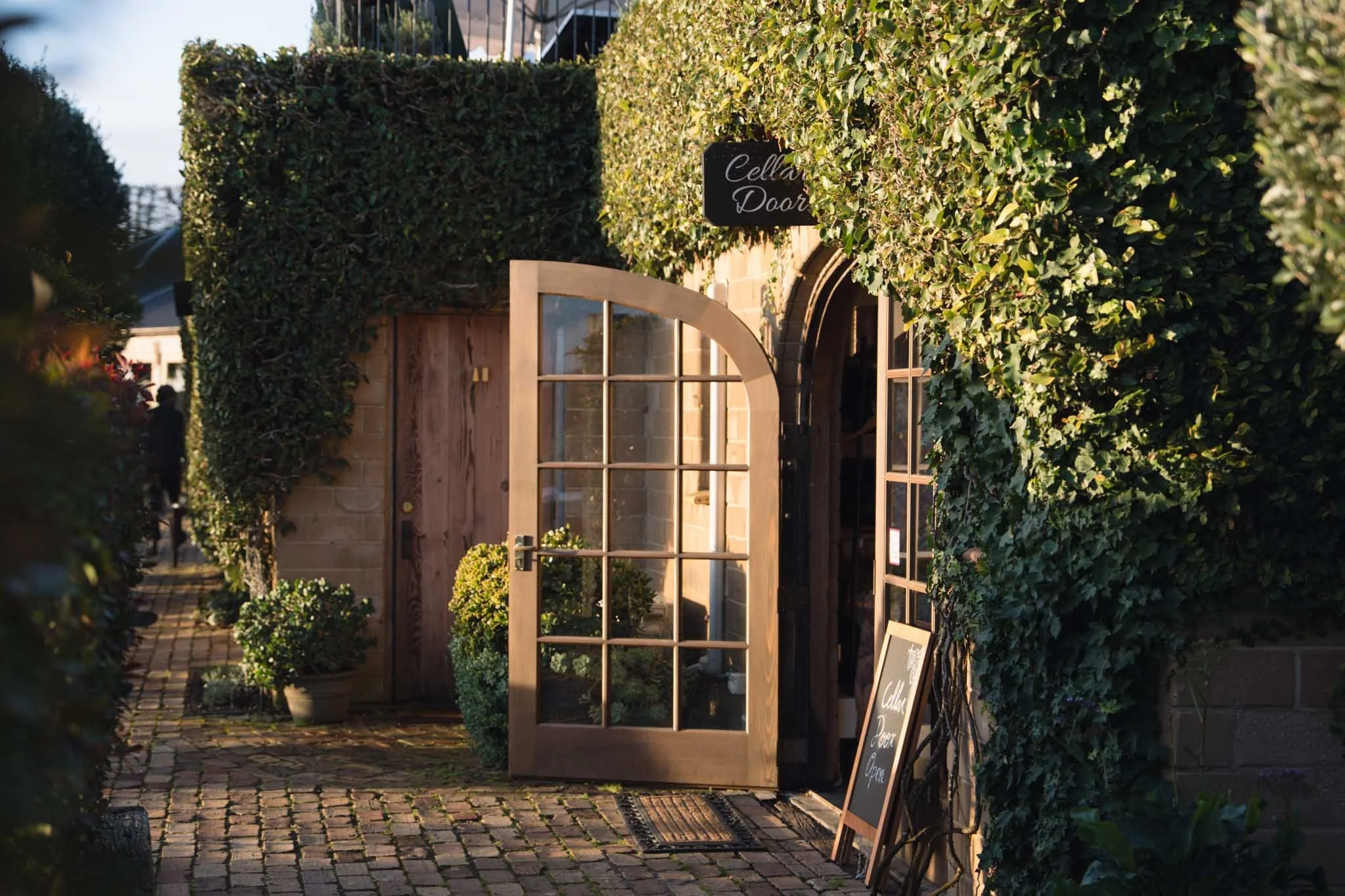
12 — Central Otago wine region
SOUTH ISLAND
New Zealand has several wonderful wine regions, but my favourite is Central Otago, near Queenstown.


PLANNING YOUR TRIP
New Zealand basics
Practical guidance for planning your trip, based on first-hand experience

RENTING A CAR
Read my review of some of New Zealand’s biggest car rental companies.
RENTING A CAMPERVAN
Advice on travelling New Zealand in a campervan.
WHEN TO GO
Plan your trip around New Zealand’s busy seasons and weather.
BEST THINGS TO DO
Start your planning with this list of the best places to go and things to do in New Zealand.
WHAT TO PACK
A New Zealand packing list.
FOR YOUR FIRST VISIT
Where to go in New Zealand for first time visitors.
TOP PICK
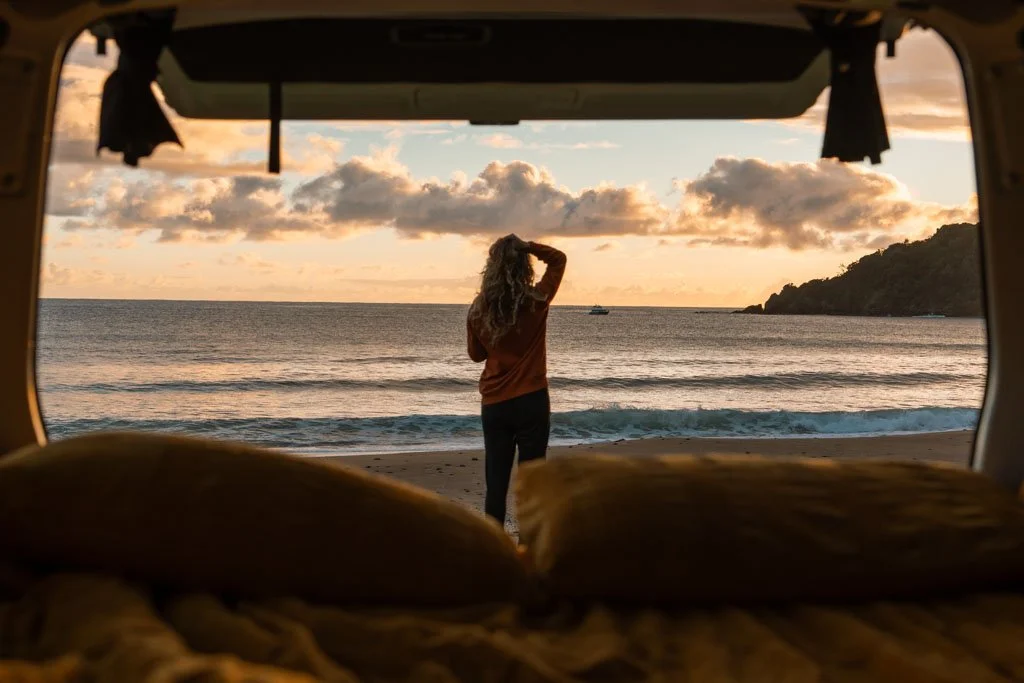
Planning on travelling New Zealand in a campervan?
Woolley’s Bay, Northland 2026
Big Little Campers is my top recommendation for comfortable campervans with style.
South Island highlights
Browse through a selection of my favourite destinations in the South Island.
-
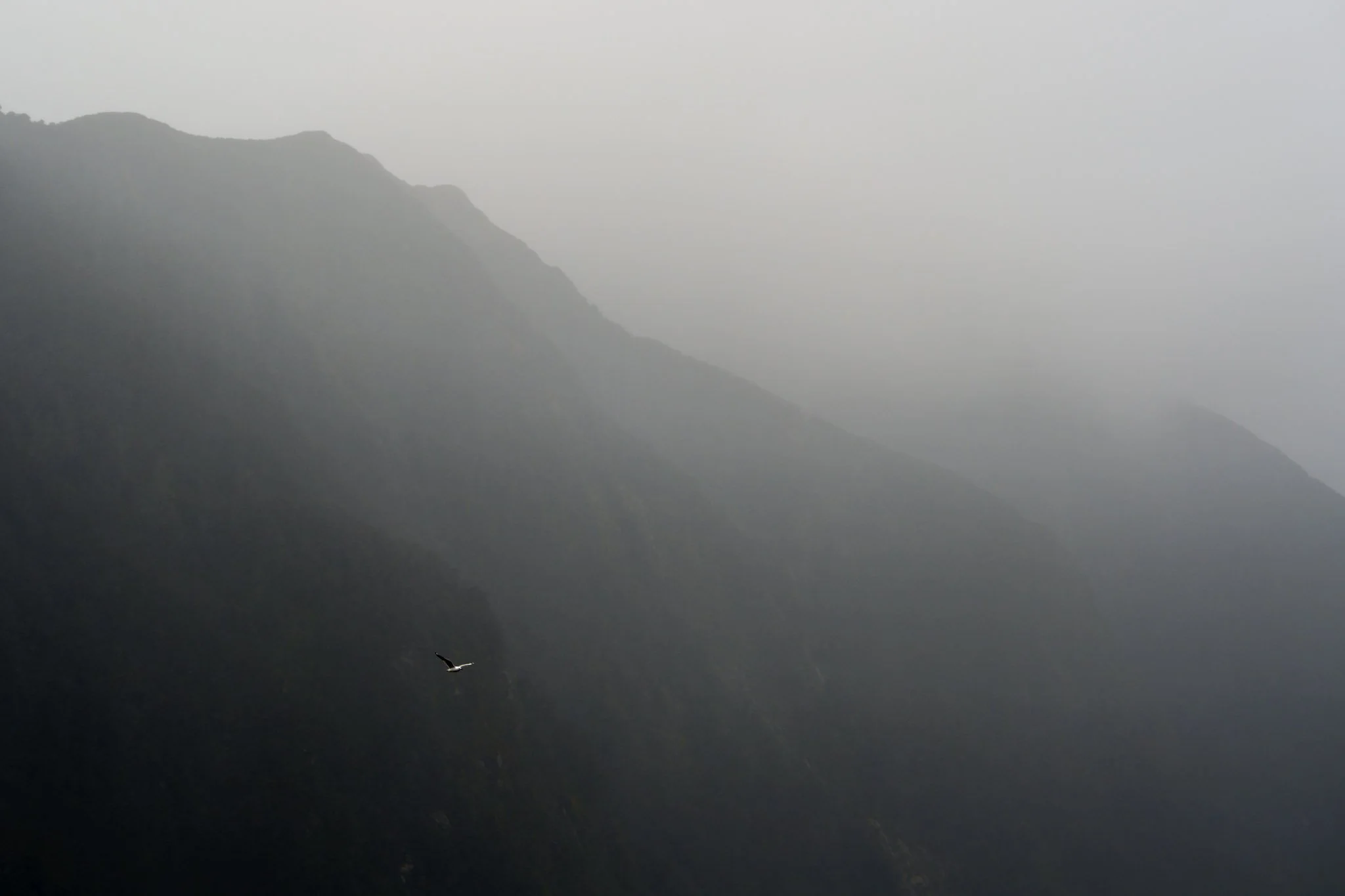
![A gull is silhouetted against dark mountains and mist in Doubtful Sound]()
Doubtful Sound
Cruise into the wilds of Fiordland
-
![Sunset illuminates the snowy mountains on the edge of lake tekapo]()
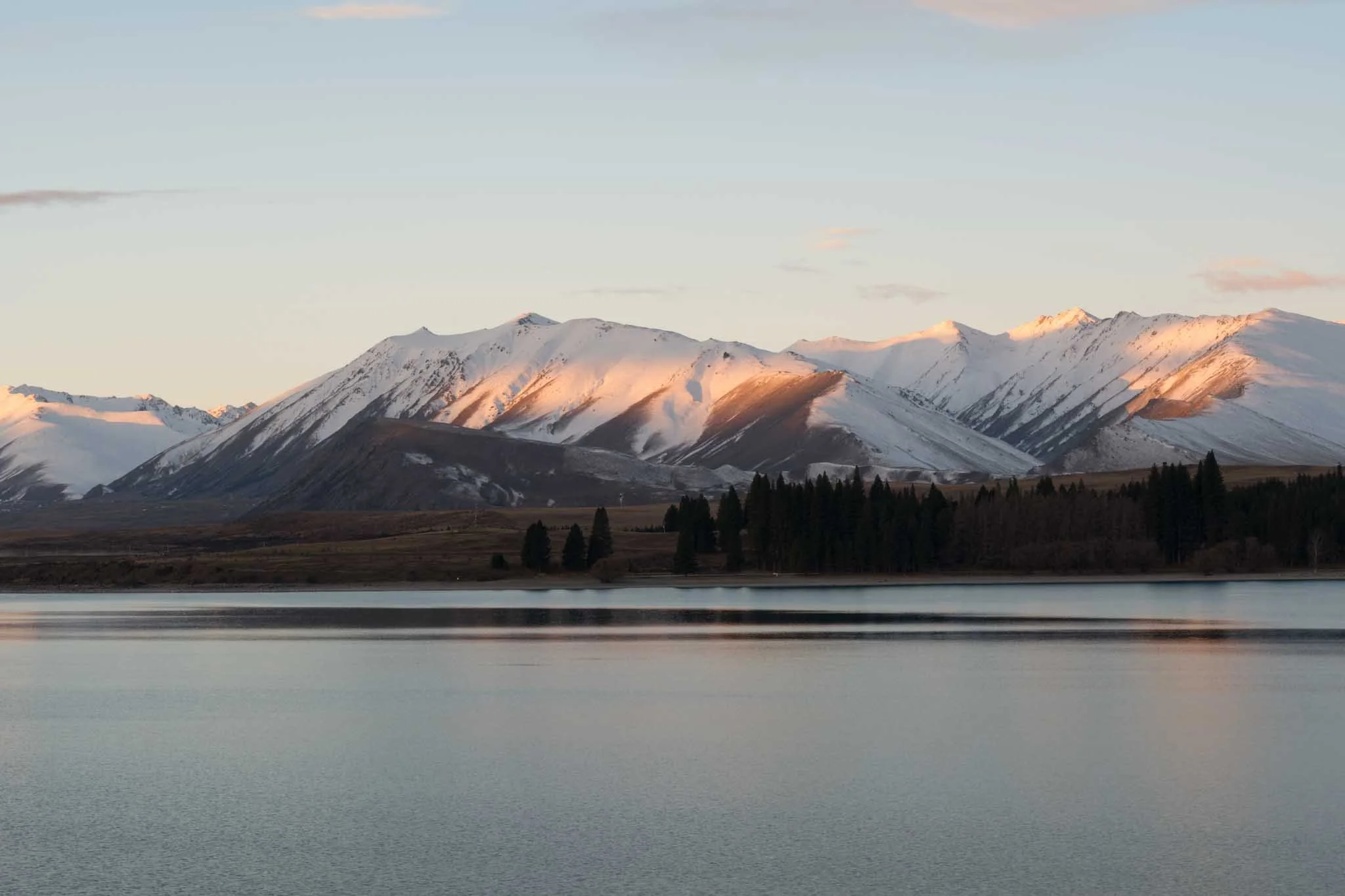
Lake Tekapo
A turquoise blue lake surrounded by mountains.
-
![Sunset colours the peak of Aoraki Mount Cook lavendar]()
Aoraki Mount Cook
The land of rock and ice.
-
![Pink dawn light glows on the snowy mountains above the Kaikoura coastline]()
Kaikoura
Where the mountains meet the sea
-
![Sunlight highlights the snowy mountains in Queenstown]()
Queenstown
The adventure capital of New Zealand
-
![Waves crash against sea cliffs above the turquoise waters of Banks Peninsula]()
Banks Peninsula
Meet penguins and dolphins in turquoise coves
-
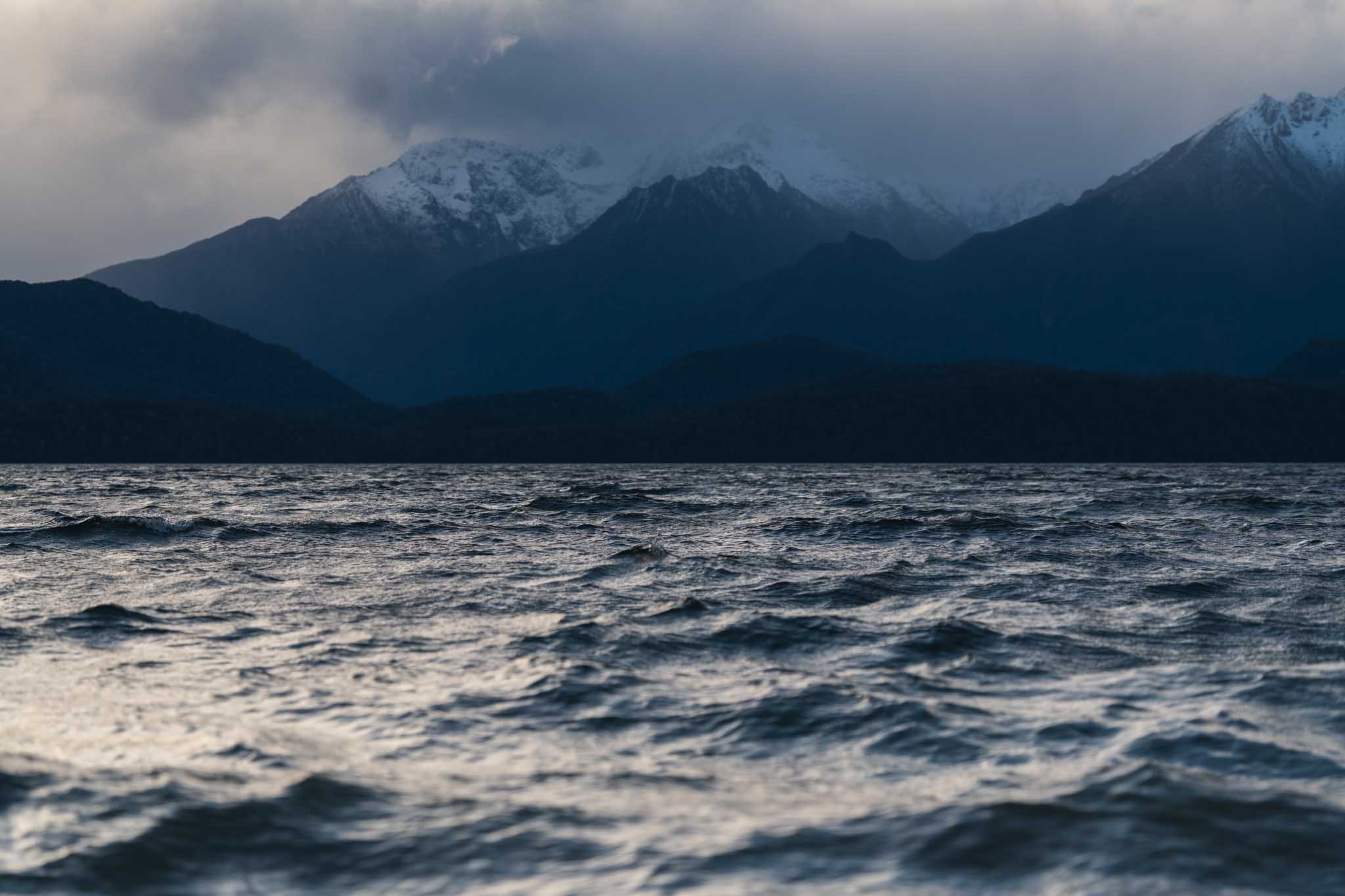
![Choppy water is in the foreground and across the lake is snowy mountains draped in cloud]()
Te Anau
Gateway to Fiordland National Park
New Zealand’s regions
Getting your bearings with what’s where.
Auckland
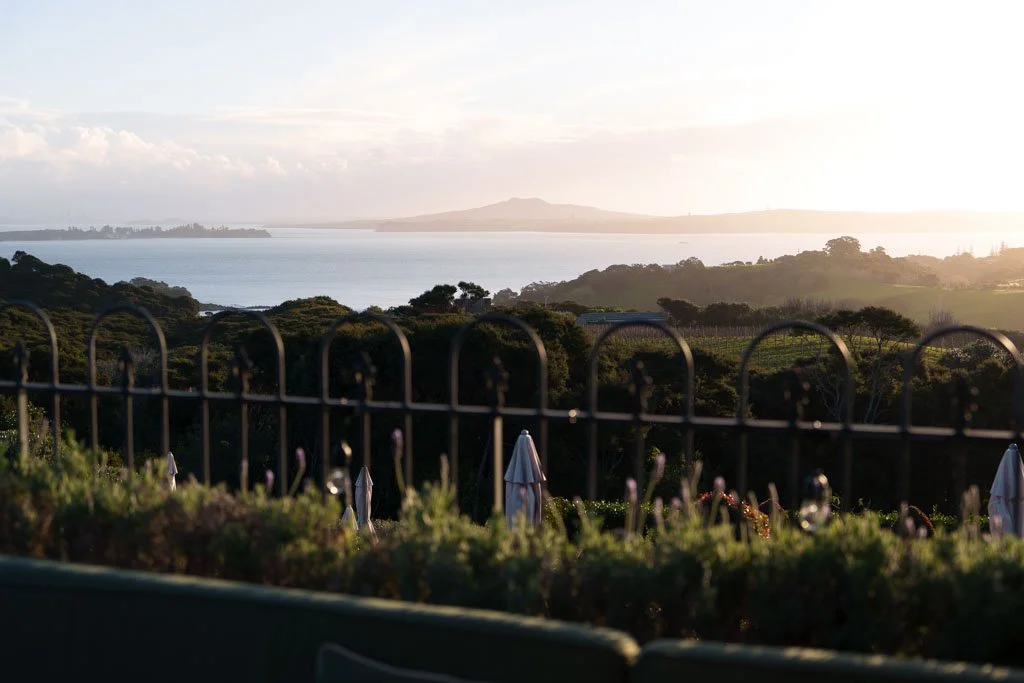
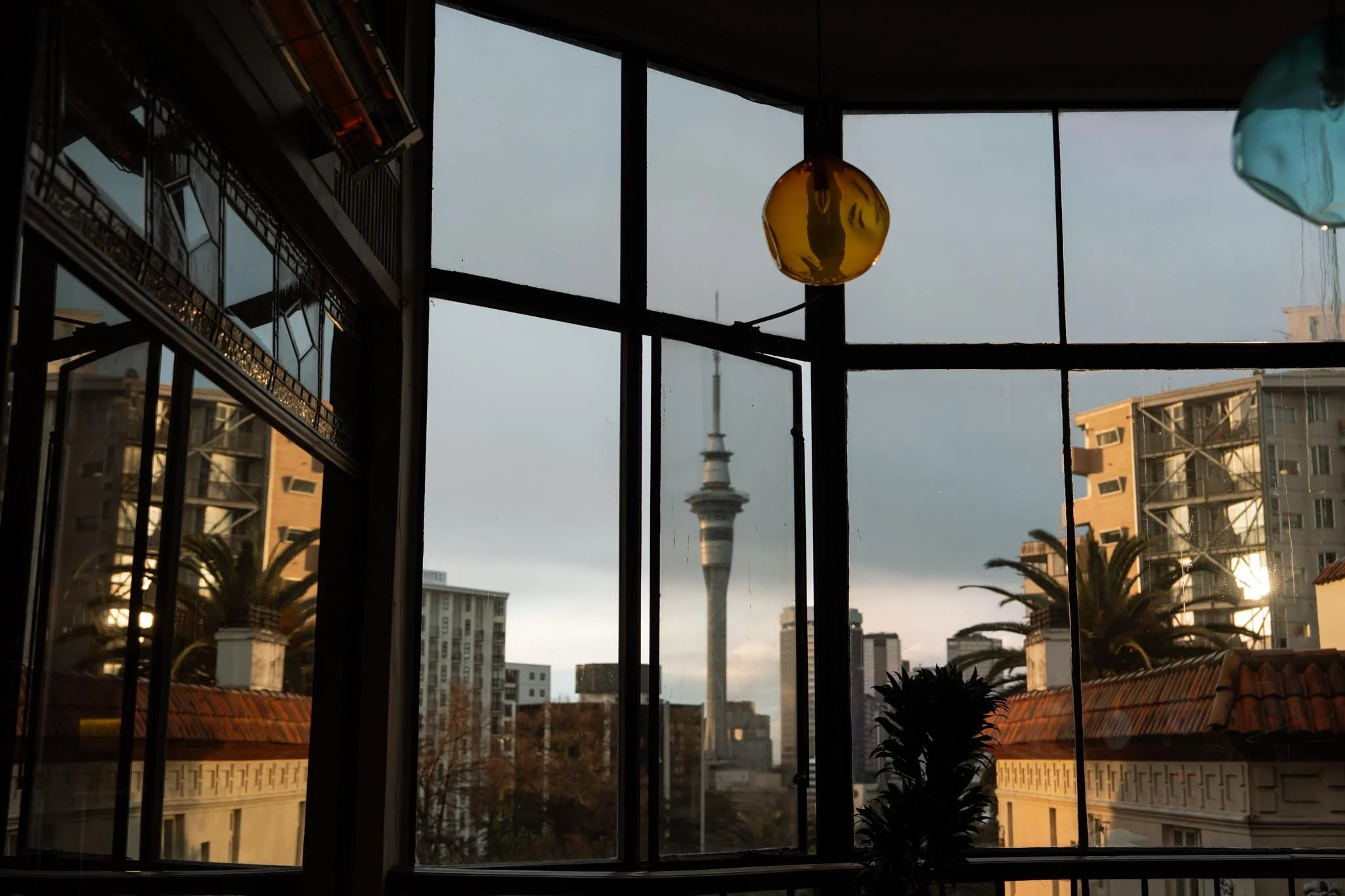
Auckland is New Zealand’s largest city, and for many travellers, the first and last place to stop. Whether you enjoy it depends on how much you like cities; Auckland’s centre is a thick, grey, concrete jungle. Although there are many excellent bars and restaurants (including an emerging cohort of chefs elevating Pacific cuisine) the best parts of Auckland are around the fringes. Karangahape and Ponsonby Roads are the best places to eat, drink, and shop, while to the west of the city, across the Waitakere ranges, are black sand beaches and beautiful walking trails. Out in the Hauraki Gulf, Waiheke Island is a gem of a destination, offering a neat package of beaches and wineries. With easy access by ferry, staying on laid back Waiheke is a nice alternative to downtown Auckland.
The Coromandel Peninsula
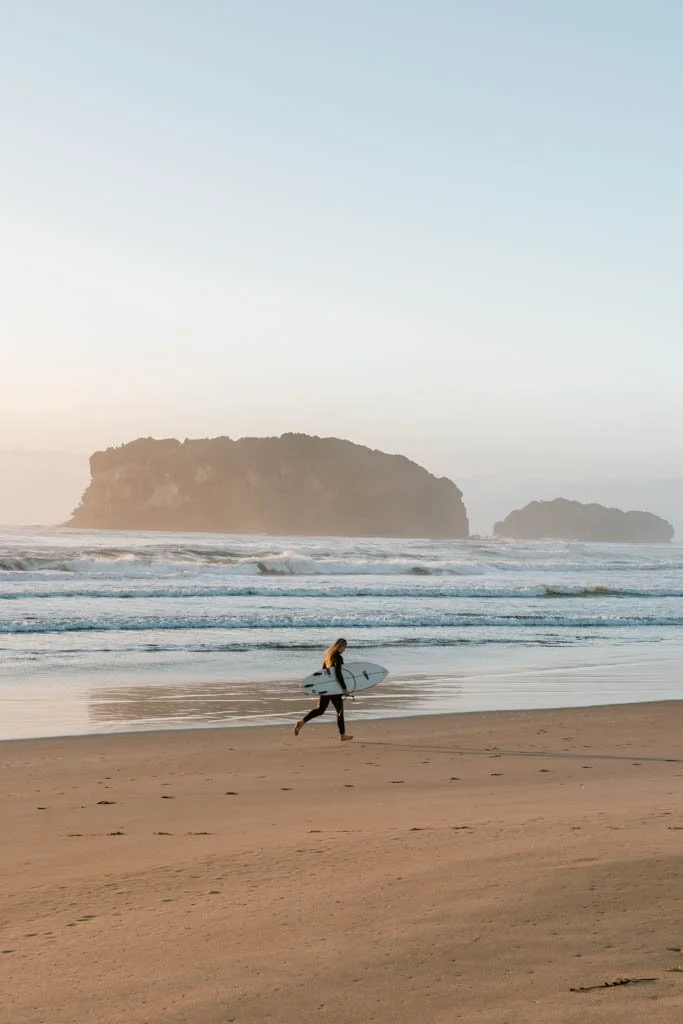
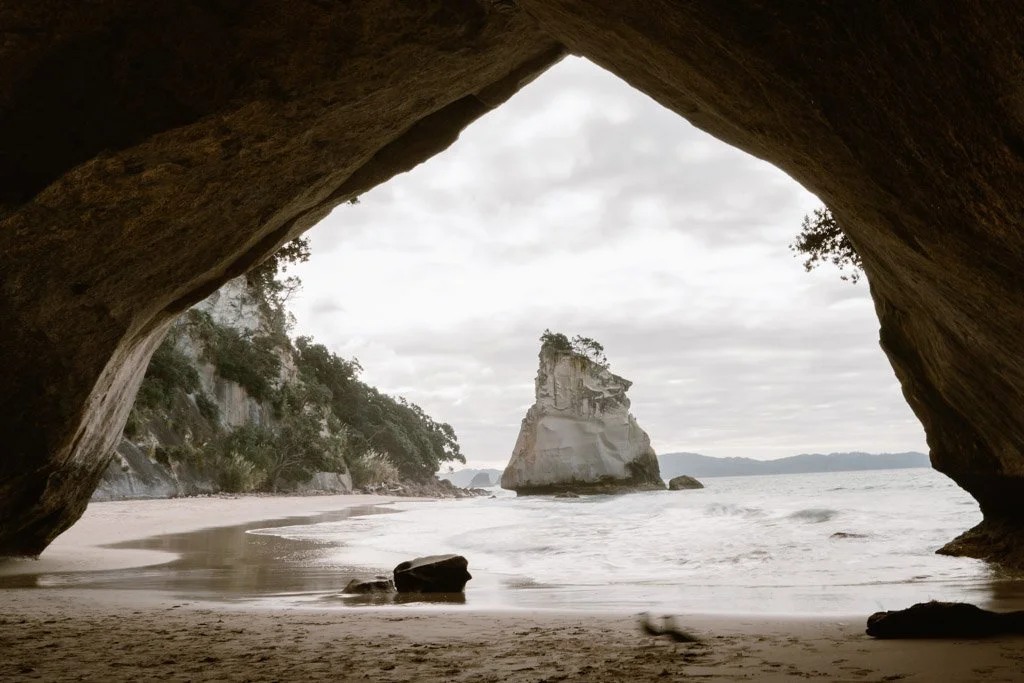
East of Auckland, the Coromandel Peninsula is a craggy finger of land with beaches of soft white sand on its eastern side and rocky coves on the western edge. The most famous attractions are Cathedral Cove and Hot Water Beach, both of which can be overwhelmingly busy in summer. Even if you skipped both, the abundance of beautiful beaches and quirky, artistic characters that populate the Coromandel make it worth a visit.
Waikato and Waitomo
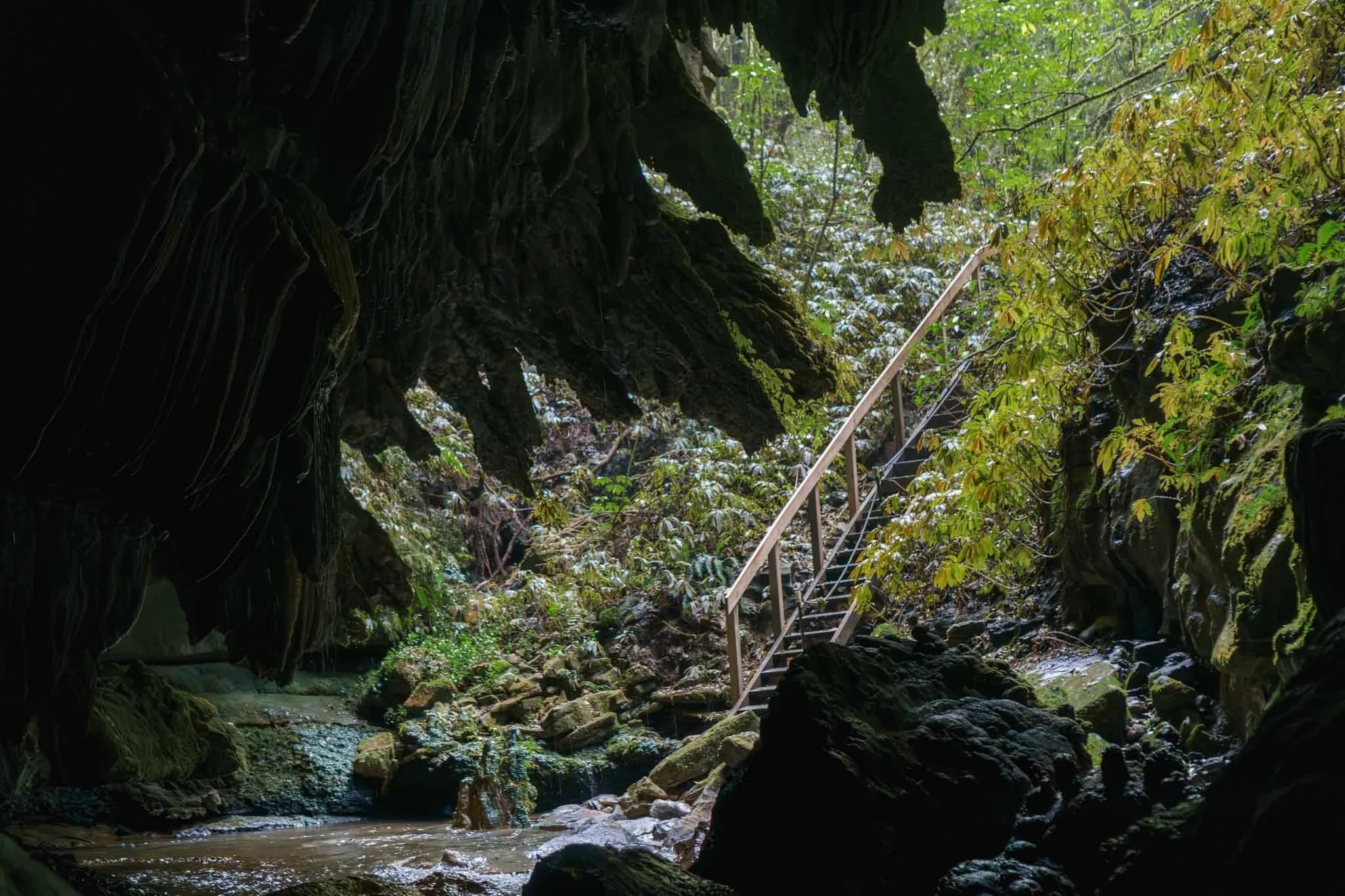
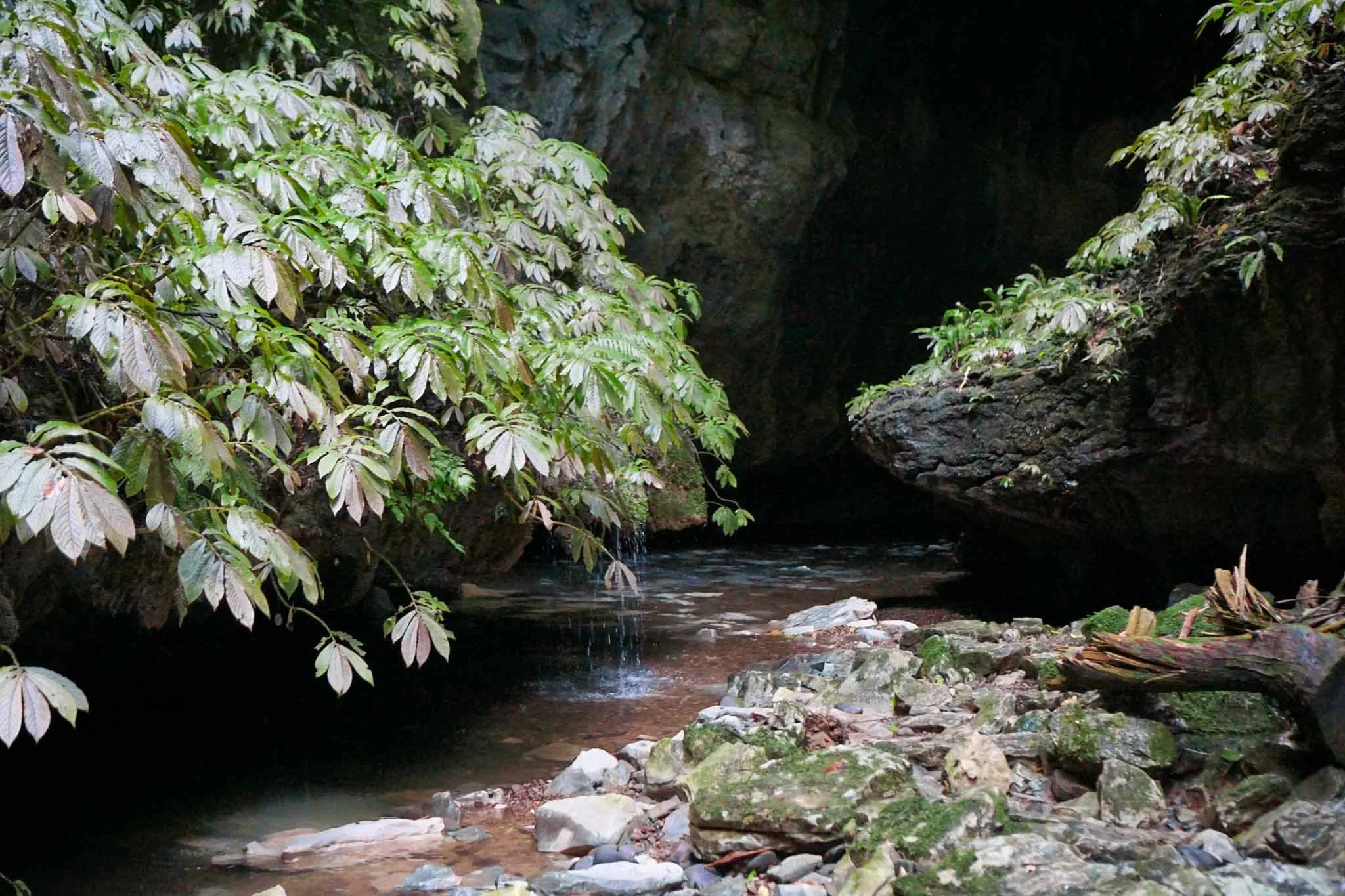
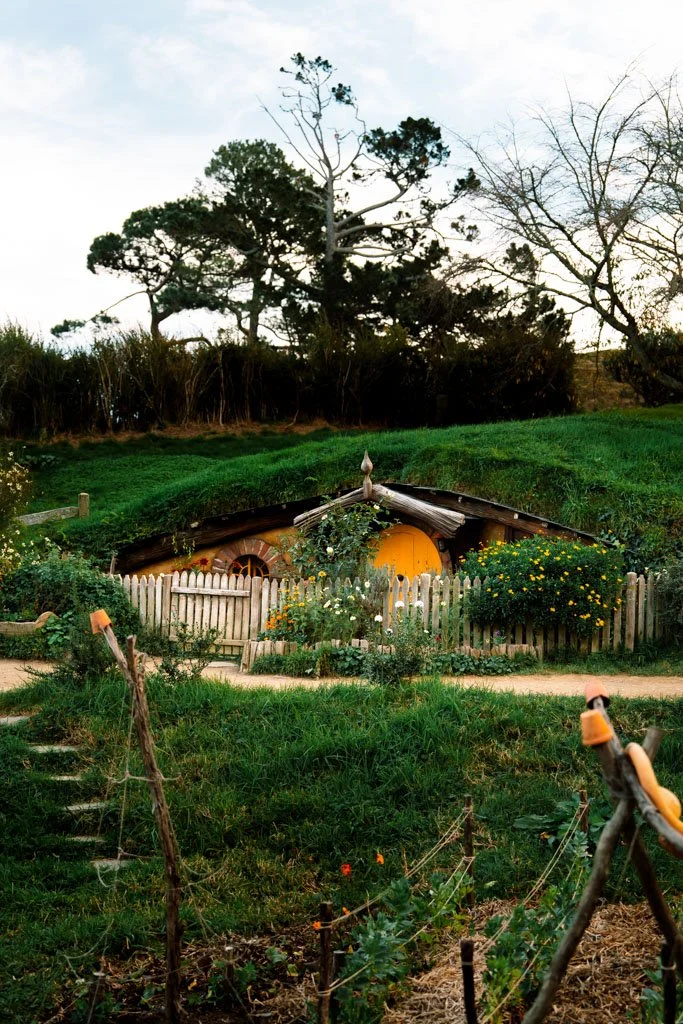
The Waikato region is an area of sprawling farmland stretching south of Auckland. Much of it is rolling pastoral hills and little else, but there are a few key attractions spread throughout the region. The Waitomo area is home to an extensive network of limestone caves. Whether you go for the glowworms or the black water rafting, the caves are one of the North Island’s most impressive stops. Tucked into green hills two hours east of Waitomo is Hobbiton; many people link both stops with Rotorua to hit the ‘golden triangle’ or North Island attractions.
Central North Island (the volcanic plateau)
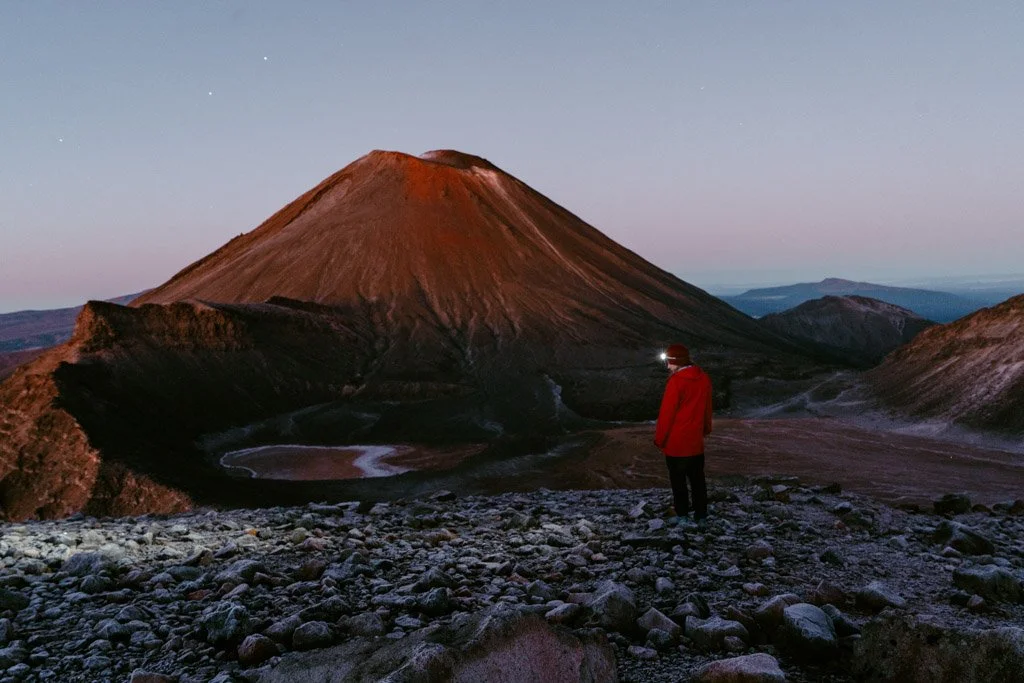
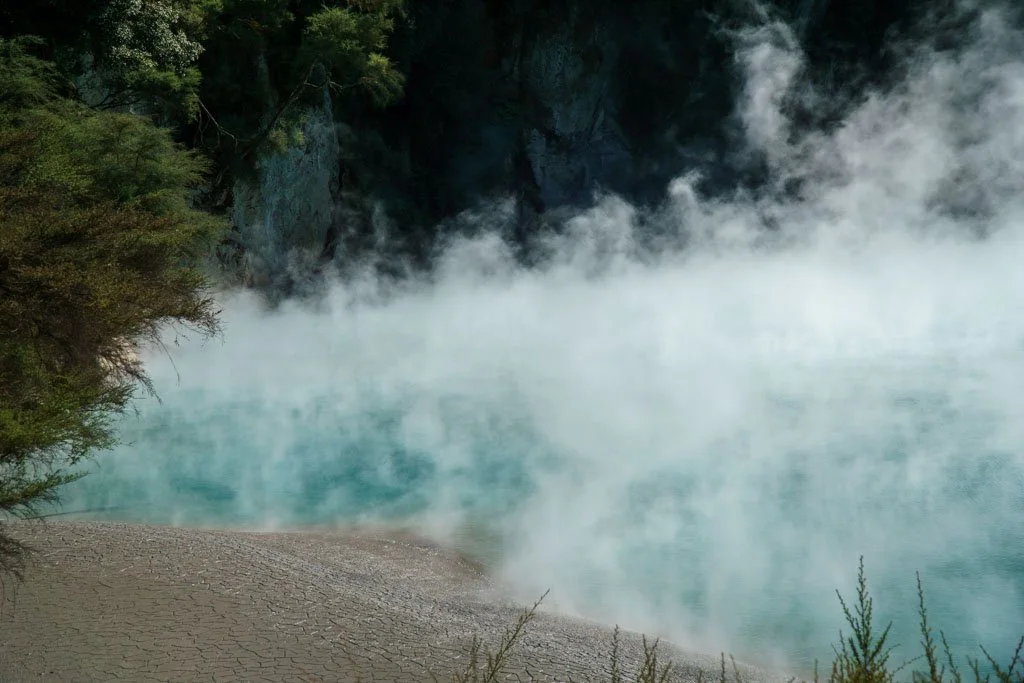
Rotorua is one of New Zealand’s oldest and most popular tourist destinations, thanks to an impressive geothermal landscape of hot springs, bubbling mud, and colourful pools. Thanks to a deep Maori history in the area, it’s also the best place to see a Maori cultural performance, and try traditional hangi food. An hour south of Rotorua, Lake Taupo dwarfs all of Rotorua’s lakes. The relaxed town of Taupo is just as good a base as Rotorua for visiting geothermal parks and hot springs, and it’s also close enough to Tongariro National Park to serve as a jumping off point for the Tongariro Crossing, the full-day walk covering volcanic craters and emerald pools.
Northland and the Bay of Islands
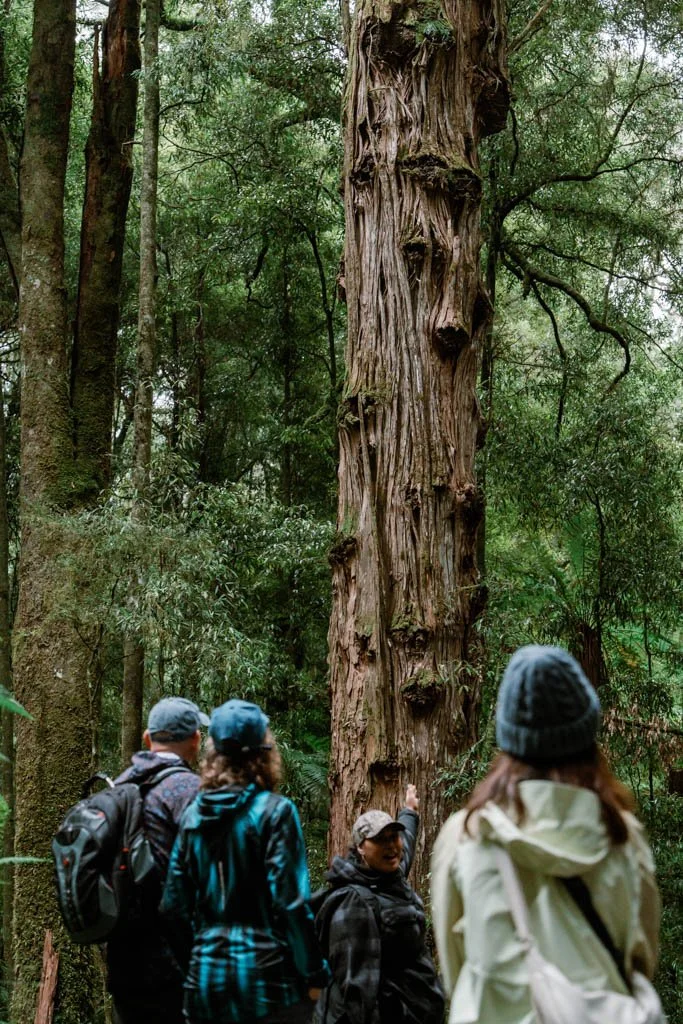
Northland is achingly beautiful in places; beaches of white silica sand so soft it squeaks underfoot, towering dunes alongside a beach so vast it doubles as a road, coastal campsites frequented by free roaming horses. Paihia and the Bay of Islands are where you’ll find the best tourist infrastructure and the historically significant Waitangi Treaty Grounds, but my favourite parts of Northland are in the Far North, a remote but culturally and historically rich area. If you have the time, driving all the way to Cape Reinga is an odyssey of sorts. Passing by the harbour where Polynesian explorers first landed 800 years ago is eye-opening. Greeting Tane Mahuta, the largest surviving kauri tree and lord of the forest, is mandatory.
Taranaki and Whanganui National Park
According to Maori legend, Taranaki was once married to Ruapehu, but she left him for Tongariro. Taranaki lost a battle to try and win her back, so he slunk off to the westernmost edge of the North Island, leaving Whanganui river in his wake. The almost perfectly symmetrical cone of Taranaki is a sight to behold, overlooking the coastline of wild black surf beaches. Surf Highway 45 loops around the coast; smaller roads branch off like spokes on a wheel, both to beaches on the coast and towards the mountain. Whanganui National Park, to the east of Mount Taranaki, is remote and difficult to access. The Whanganui River Journey is one of New Zealand’s Great Walks (although it’s undertaken by canoe) and the Forgotten World Highway is a long and dusty gravel road through the middle of nowhere.
The Hawke’s Bay
Napier is the art deco darling of New Zealand, while the wider Hawke’s Bay is a celebrated wine region.
Wellington and the Wairarapa
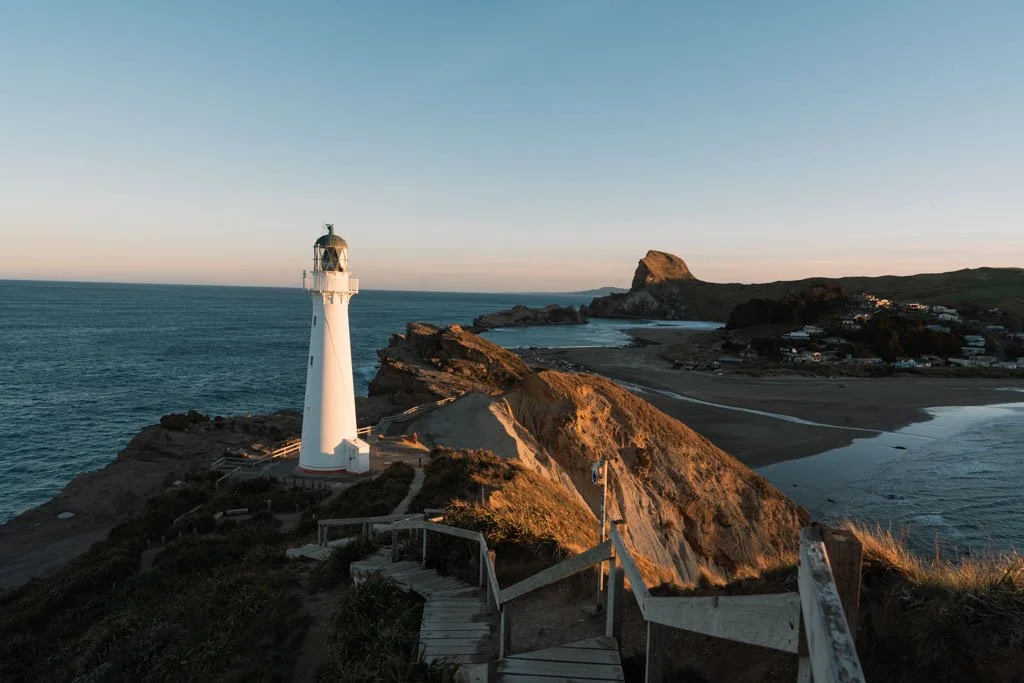
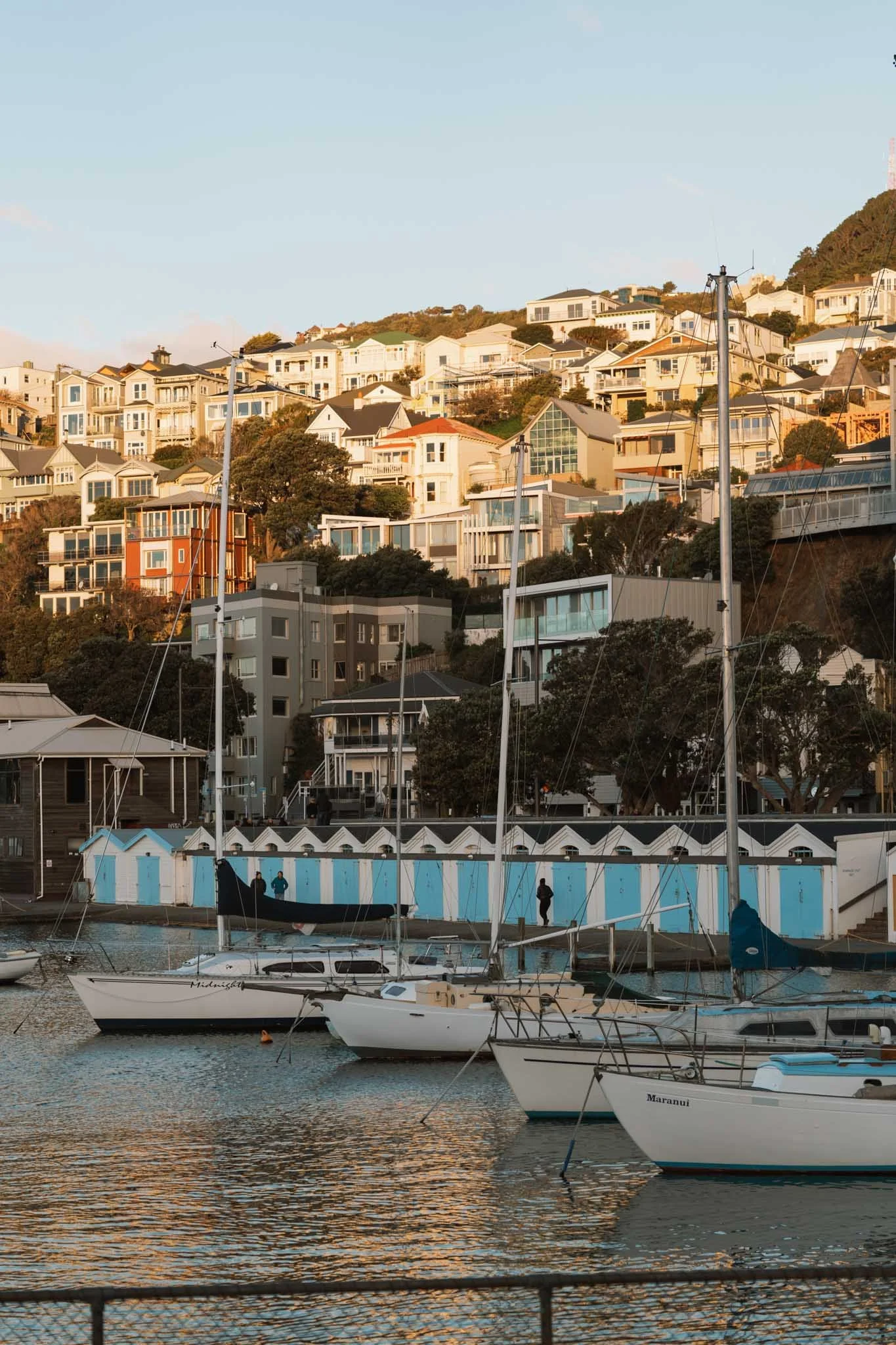
New Zealand’s capital city sits at the very bottom of the North Island, acting as a gateway for ferries to the South Island. With many excellent cafes and restaurants, it’s a fun place to stopover. As is Martinborough, a small wine village in the heart of the Wairarapa region to the east of Wellington city. Other Wairarapa highlights include the North Island’s largest seal colony and lonely Cape Palliser lighthouse, at the very southernmost tip of the island.
The Pacific Coast Highway and East Cape
From Tauranga, a coastal road skips east to Whakatane, then Opotiki. Beyond Opotiki, State Highway 35 links a series of small and remote towns around the East Cape, an area which feels almost like a different country. In the Four Square in Te Araroa, all the way out east, signs are in te reo Maori and you can buy horse shoes along with other groceries. There’s very little in the way of places to stay or eat between Opotiki and Gisborne; this is an area best suited to adventurous travellers in campervans.
Christchurch and Canterbury
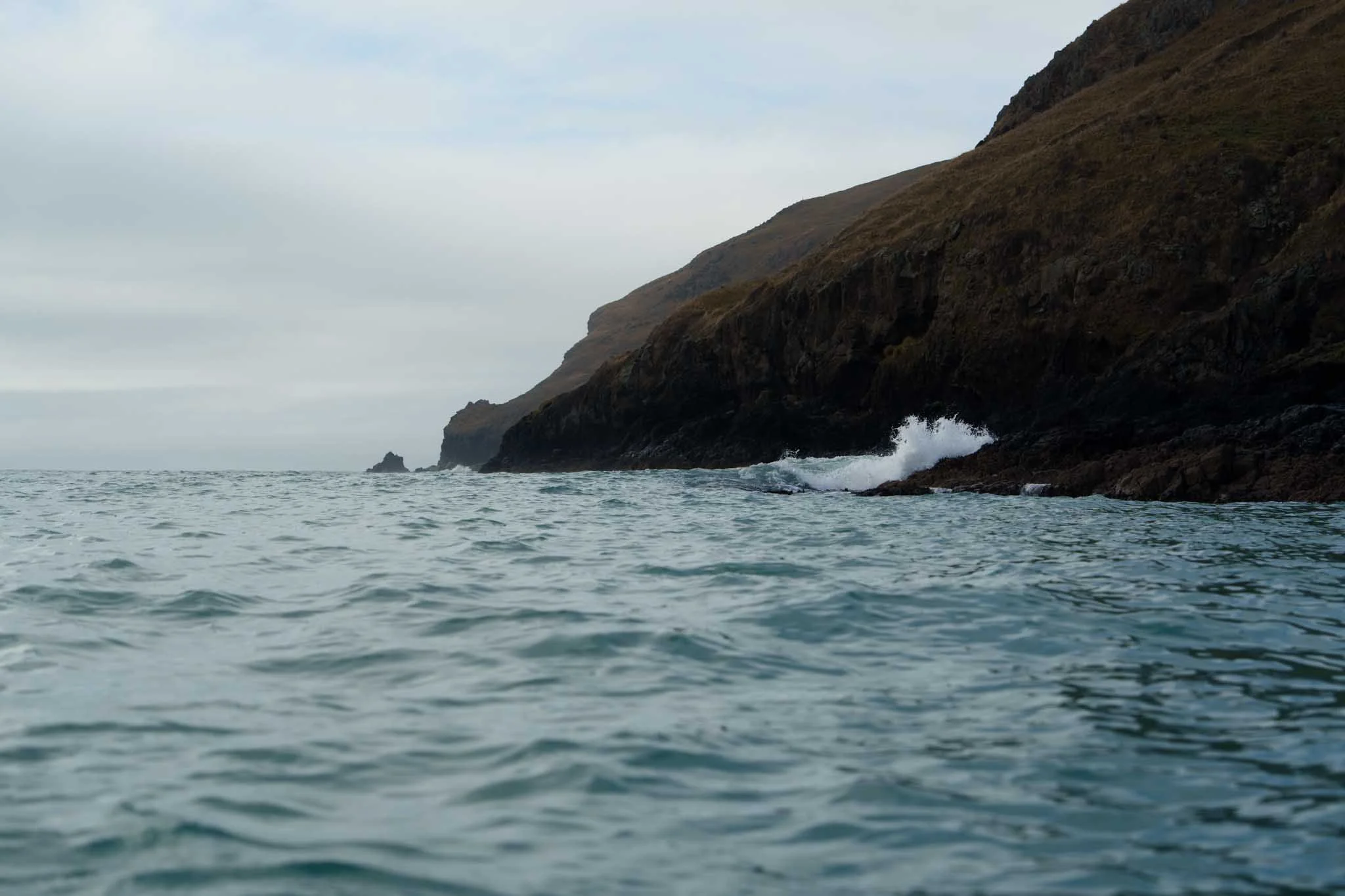
Christchurch is the biggest town in the South Island. It’s a pleasant enough town, but it mostly serves as a key entry and exit point; there are more enticing destinations within the wider Canterbury region. To the east is the rugged Banks Peninsula, with seaside holiday houses and French-influenced Akaroa. Two hours to the west lies Arthur’s Pass National Park, the gateway to the West Coast. Two and a half hours north of Christchurch is the wildlife haven of Kaikoura, a magical little seaside town where whales and dolphins play right off the coast.

Aoraki Mount Cook and Mackenzie Country
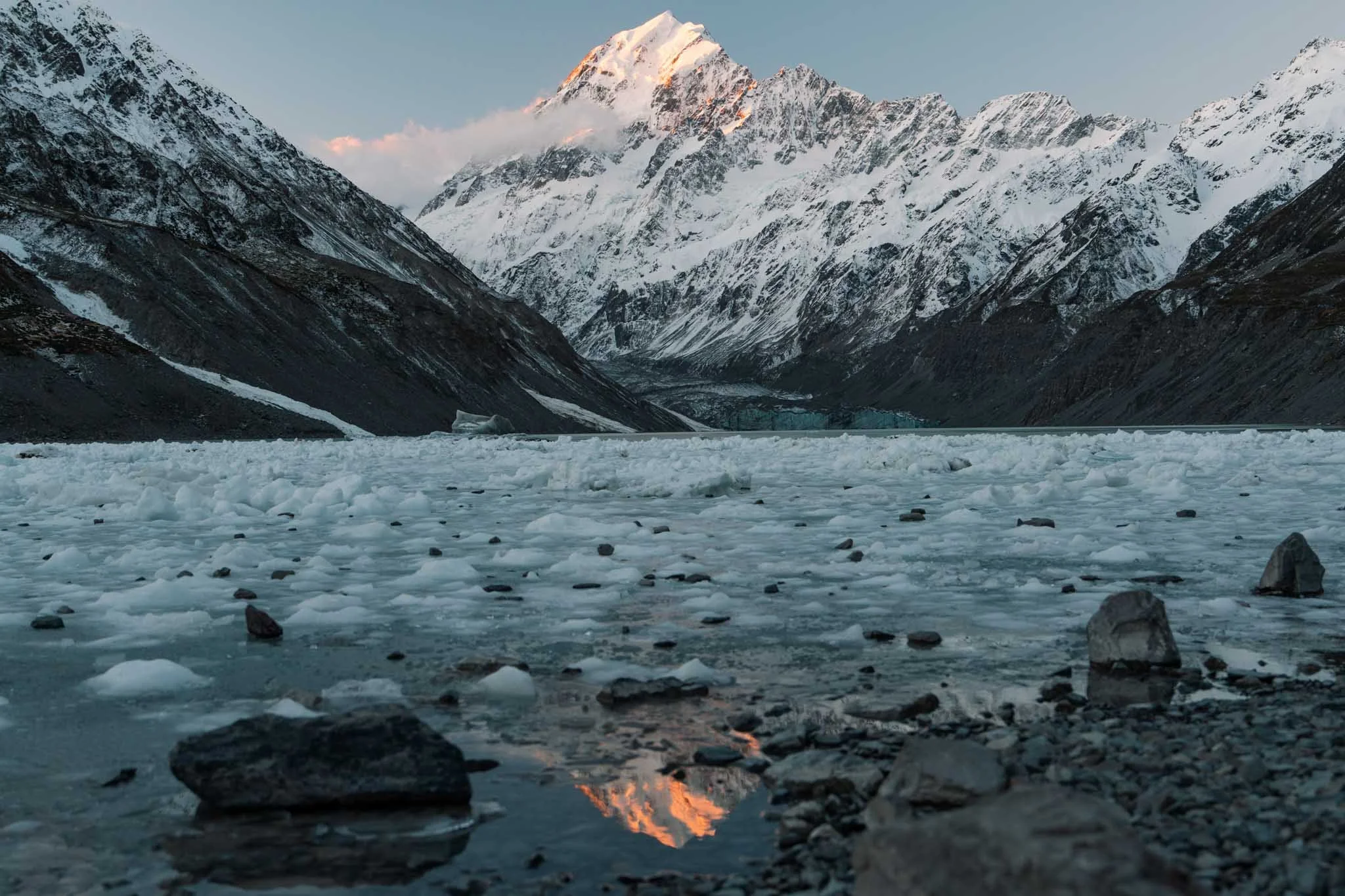
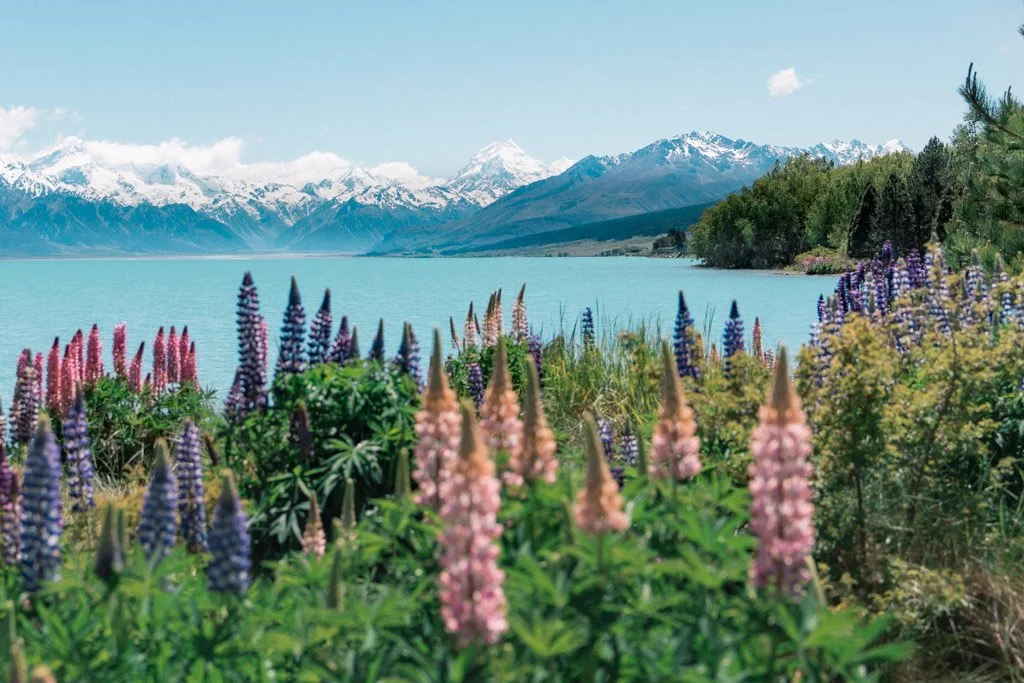
Mackenzie District covers Lake Tekapo, Twizel, Lake Pukaki, and Aoraki/Mount Cook National Park. That is to say, some of the greatest scenic highlights of the South Island concentrated into one area.
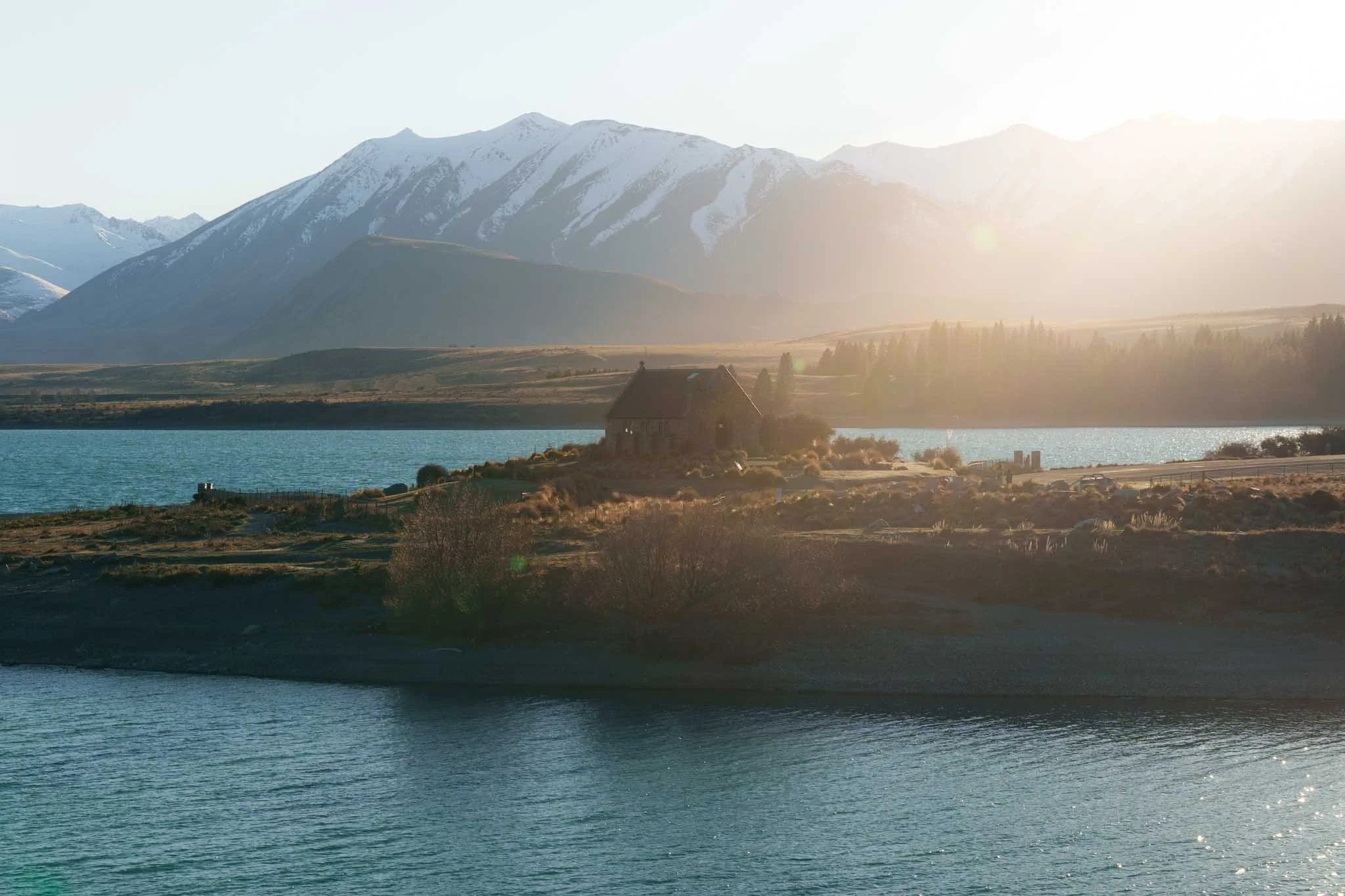
The West Coast
The wettest, least populated region in New Zealand is also my favourite to visit. The West Coast is most famous for the twin glaciers, Fox and Franz Josef, but I also love the rich rainforests, bright blue rivers, and rugged beaches along the coast.
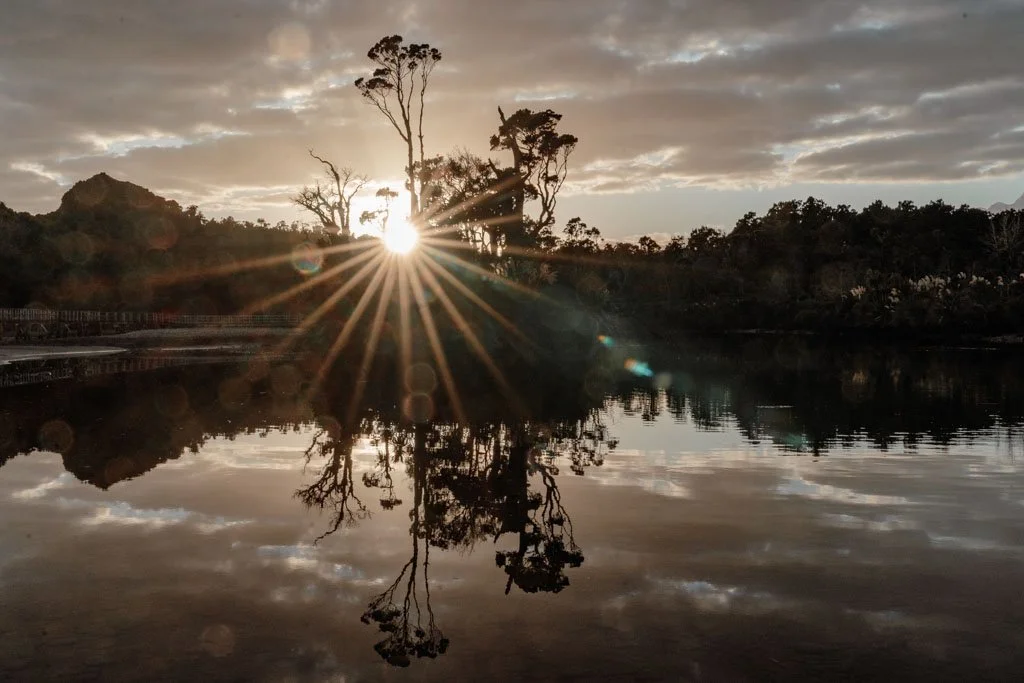
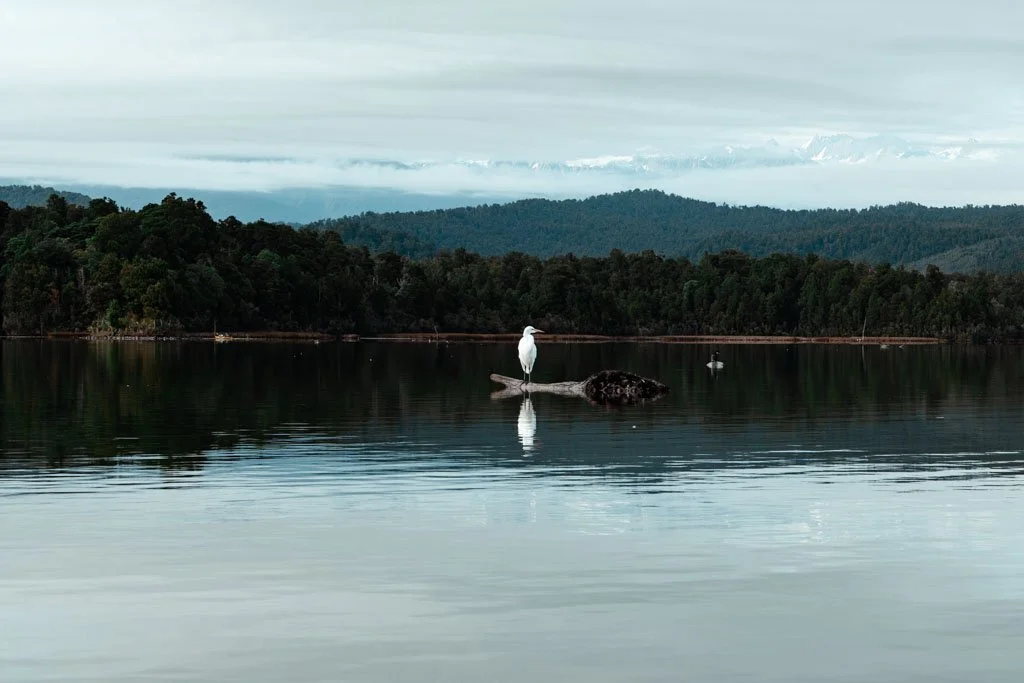
Queenstown and Central Otago
Taking seriously its moniker of Adventure Capital of the World, Queenstown offers up every adventure activity you can think of. Neighbouring Wanaka is a little less frenetic but no less beautiful, with some of the South Island’s best day hikes within easy reach of the lakeside town.
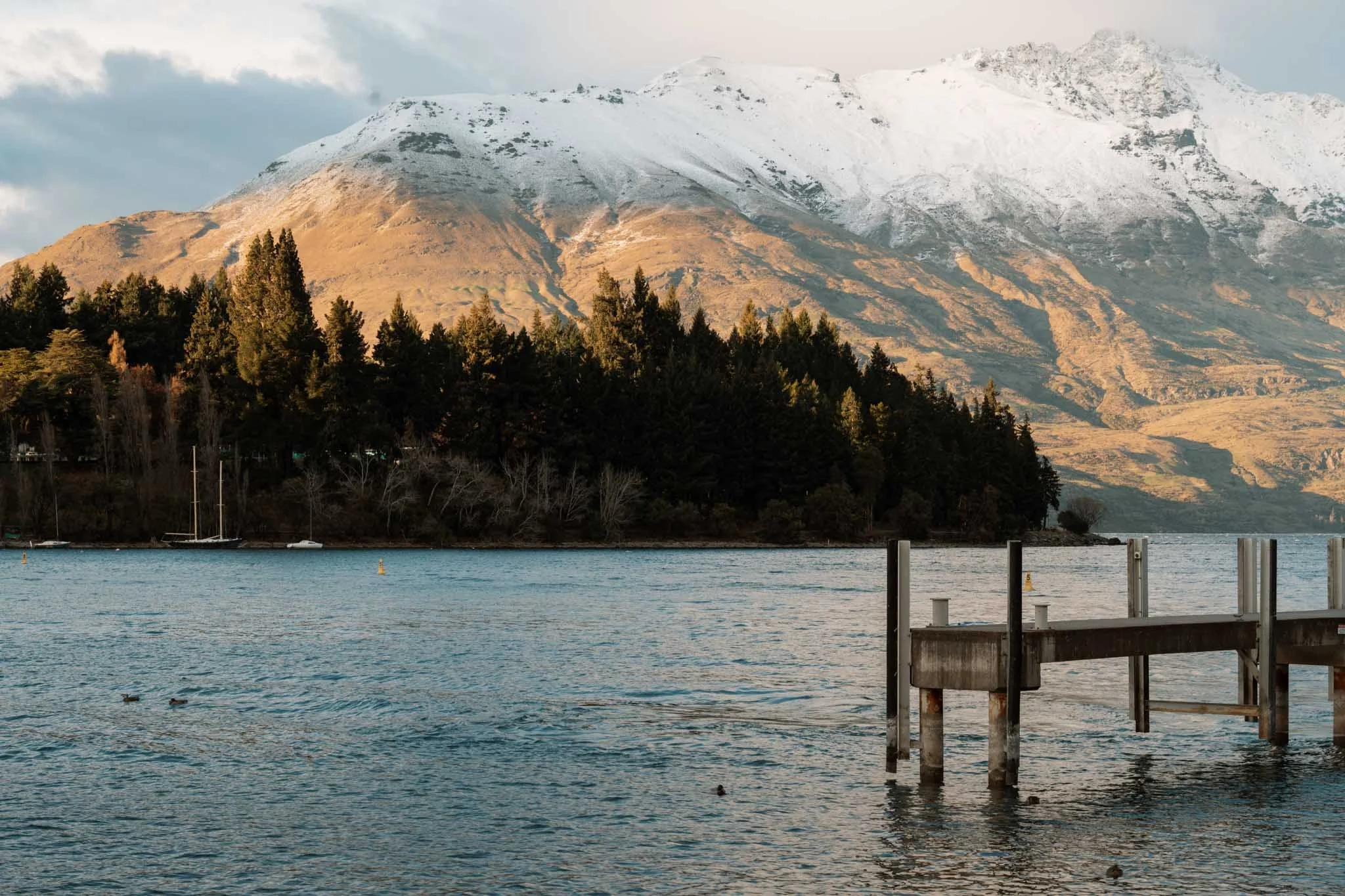
Fiordland
The vast wilderness of Fiordland is most famous for Milford Sound and the Milford Track, but there are many other hikes and adventures to be had in this wild, misty, forested corner of the South Island.
The southeast coast (Oamaru, Dunedin and the Catlins)
A lesser visited corner of the South Island, the coastline from Oamaru south through Dunedin to the Catlins has penguins, sea lions, albatrosses, and more sugar-white beaches than you can shake a sandy beach towel at. It’s also a notoriously windy and wet area, with no shortage of sandflies, but for a coastal campervan destination, it’s exceptional.
Planning your time
New Zealand is not a country you can easily see in a short amount of time. Attractions are somewhat spread out; this is a bigger country than many people realise – comparable in size to Italy, or Colorado.
Getting from one place to another takes up a lot of time, thanks to narrow, winding roads in addition to the distance.
There are few places worthy of acting as a base for more than a few days (Queenstown would fit this description; possibly Taupo in the North Island). Generally speaking, 2-3 nights in each location is more than enough, so your itinerary will look like several stops strung together. Piecing everything together in a logical way is the biggest challenge of visiting – but it’s also what makes New Zealand prime for a road trip.
If you only have a week or less, you might be best served by sticking to the North Island’s highlights – a loop of Auckland, Waitomo, Rotorua, and Hobbiton is manageable in a short space of time. Alternatively, you could hop straight to Queenstown and spend your time there – it’s the best location in New Zealand if you want to have one single base, using day trips to explore the wider area. There are so many day tours in Queenstown you can even avoid renting a car, something which is challenging in New Zealand.
In two weeks, you could touch on both the North and South Islands, but you’ll likely be limited to the highlights of both (for example, Auckland, Rotorua, Queenstown, Fiordland, Aoraki Mount Cook). If you want to reach some of the more remote corners of the country, you’d be better off spending the whole two weeks on either island – in the north, that would grant you time to reach the Far North, or Taranaki. In the South, you can do a loop of the South Island in two weeks, heading to Kaikoura, Abel Tasman, and the West Coast, which will give you a little more diversity.
Domestic flights cut down on travel time, but only link bigger centres (for example, you can hop on a direct flight from Rotorua to Christchurch, but not to Queenstown). I would only attempt to drive the length of the country if I had more than three weeks at my disposal; it’s a long way, and the ferry services between the islands can be disrupted by weather or breakdowns.
If you’re lucky enough to have four or more weeks, New Zealand is your oyster. Having the time to get into the lesser explored corners of the islands is bliss. Having a campervan for a trip of that length is even better, as you can leave your itinerary open and plan on the fly. If you’re in a car, you can still keep things somewhat flexible so long as you’re travelling outside the Christmas-mid January madness.
ITINERARIES
Plan your route with these road trip ideas

North Island destinations
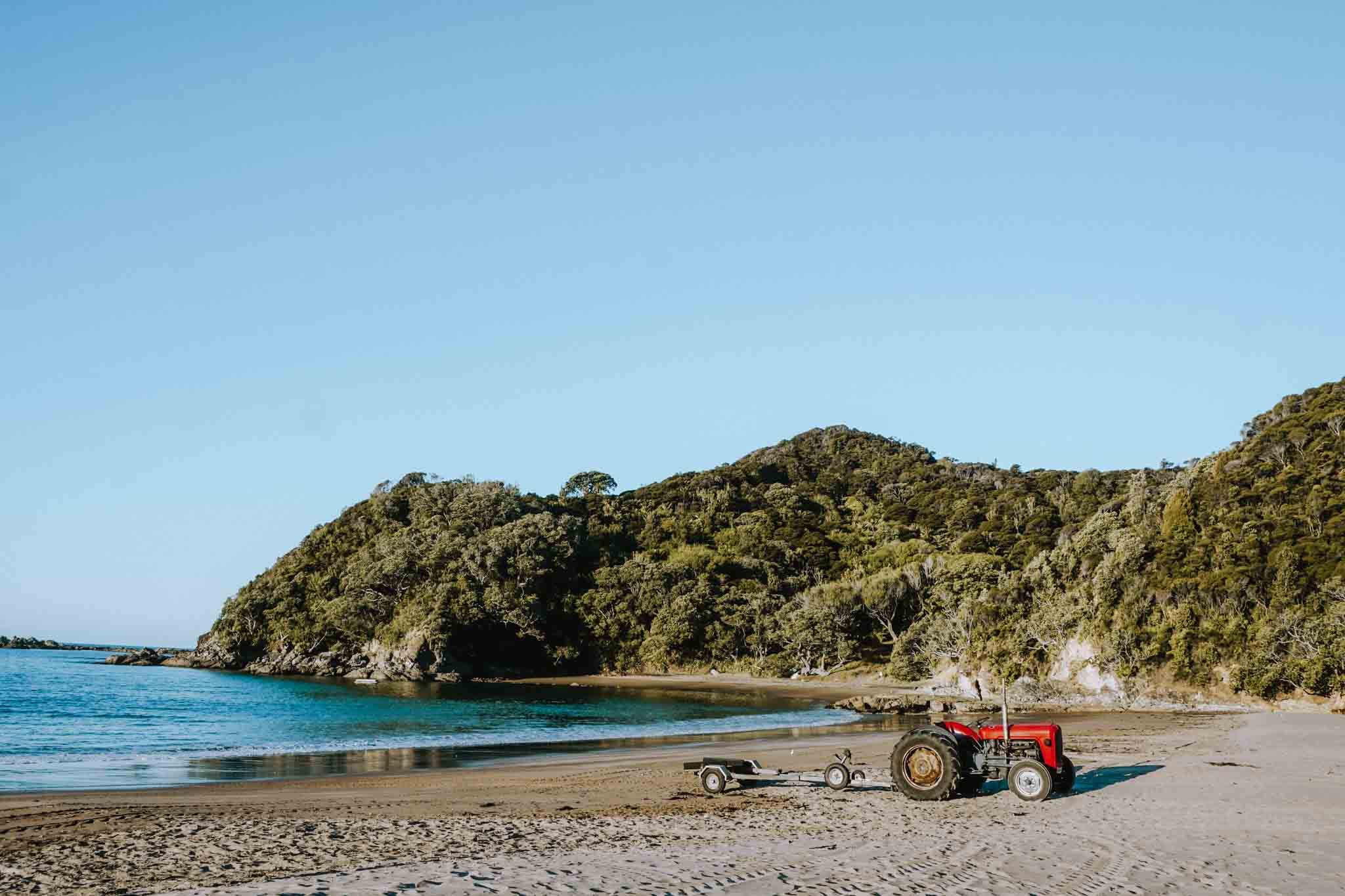
IThe North Island is, dare I say it, more diverse than the South. Sure, it’s more populated and has less of the wild, rugged beauty of the South Island, but there are some very beautiful corners of the North Island. These are the beaches, camping spots, and coastal walks that fuel my ongoing love for the North Island
Home to the Southern Alps, glaciers, fjords, braided rivers and vast areas of wilderness, the South Island is a sparsely populated and rugged land holding a powerful allure for adventurers.
A snapshot of the South Island
Christchurch, and Queenstown have international airports which are also well-connected domestically.
There’s a good chance you’ll start your South Island trip in one of those towns and finish in the other. That gives you a loose framework for a road trip, whether that’s a shorter trip through the centre of the South Island, or a longer itinerary touring around either the West or the East Coast.
The top of the South Island is also worth a look, with Abel Tasman and the Marlborough Sounds both providing coastal walks and excellent kayaking.
You can see a lot with five days in the South Island, but if you have two weeks up your sleeve you’ll be able to get a real sense of the diversity of the island.
South Island destinations
From the golden bays of Abel Tasman National Park in the north of the island, to the wilds of Fiordland bordering the Tasman Sea in the south, the South Island of New Zealand is nothing short of spectacular.