What to wear in New Zealand: Packing for every season
Here’s what to pack for New Zealand, if you want to blend in with the locals.
Disclosure: This article includes affiliate links, which means I may make a small commission if you make a purchase via those links (at no extra cost to you!).
The one piece of advice you’ll hear repeatedly when packing for your New Zealand trip, is this; wear layers. What that means in a practical sense is be ready for cool evenings and warm days, or getting hot quickly as you hike up a hill.
Merino or synthetic base layers are the most versatile, and on top of that you can layer a warm fleece, and a wind or waterproof outer if needed.
As a general guideline, sporty or outdoorsy clothes are good to wear in New Zealand. New Zealand’s dress culture is distinctly no fuss. We’re a country with farming roots, so New Zealand attire is generally practical, comfortable clothing that’s good for all seasons.
This is great news for visitors, as you can keep your packing list to a minimum, with lots of practical, multi-functional clothing. You can wear the same clothes on a hike, and out to dinner.
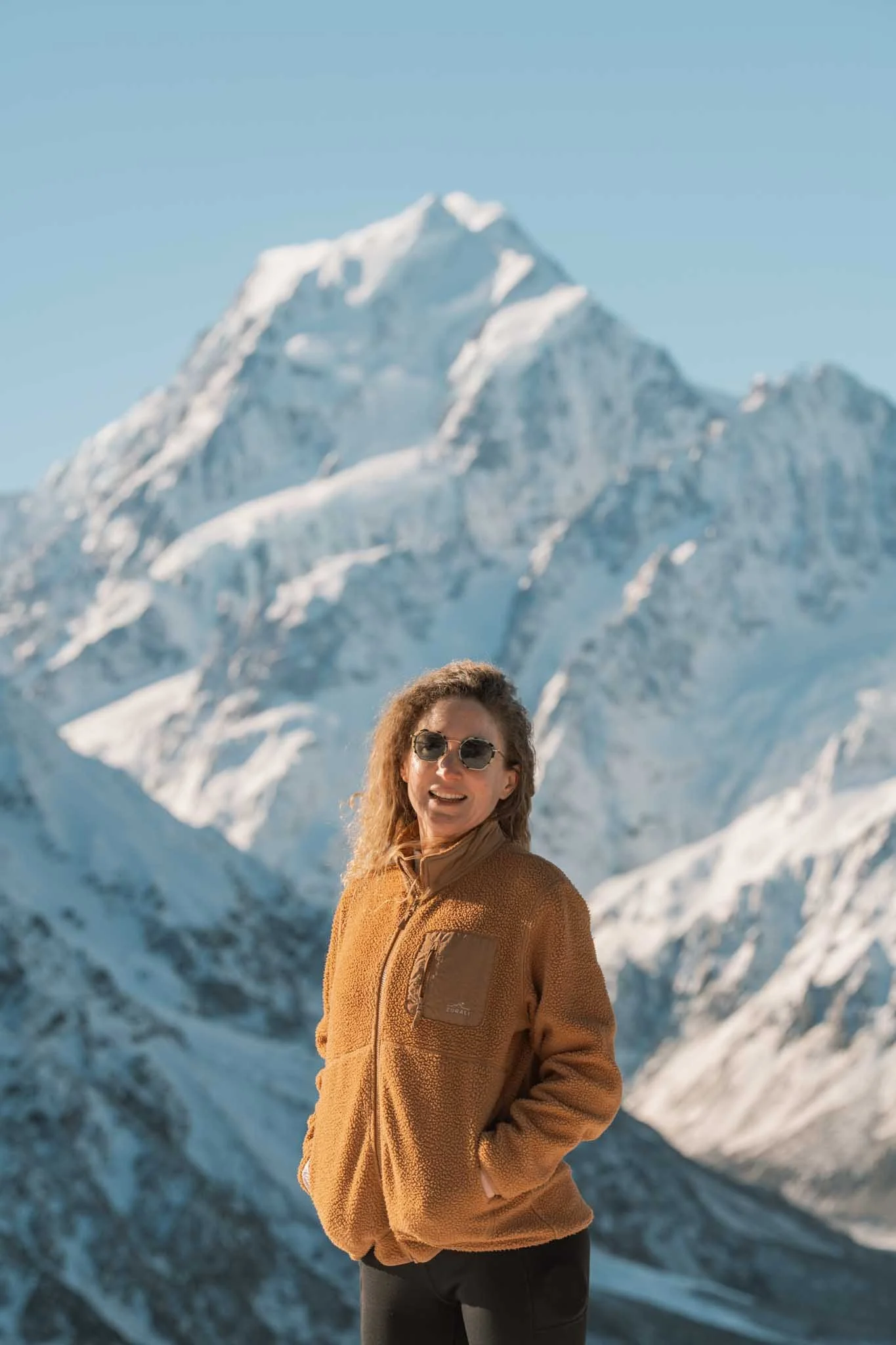
After layers, my biggest piece of advice — especially if you’re visiting in summer — is to pack for sun protection. A hat, sunglasses, and sunscreen are vital, but I also like to have long-sleeved tops, or t-shirts with higher necks, to help shield myself from the sun when I know I’ll be outside for most of the day.
I have included links to some of the specific brands and items I have, just to illustrate what I use. Don’t feel any pressure to get the same things; if you have comfortable running shoes, those will do.
Luggage
My hiking backpack also serves as my main piece of luggage, where you might have a suitcase. This is largely a matter of personal preference, except if you plan on renting a campervan or motorhome, in which case I highly recommend a backpack over a suitcase. In terms of storage, soft sided luggage you can squish into a small space is much more practical than a hard sided suitcase.
I also find packing cells handy in a campervan, as a means of storage and generally keeping mess under control.
If you plan on doing any day hikes in New Zealand, you’ll need a day pack. My day pack doubles as my carry on luggage, so it’s large enough to fit photo gear, a laptop, snacks, and several warm layers. In summer, you can get away with something a little smaller, but you still want a pack that can fit at the minimum a drink bottle, snacks, a warm layer, and sunglasses and sunscreen.
Clothes
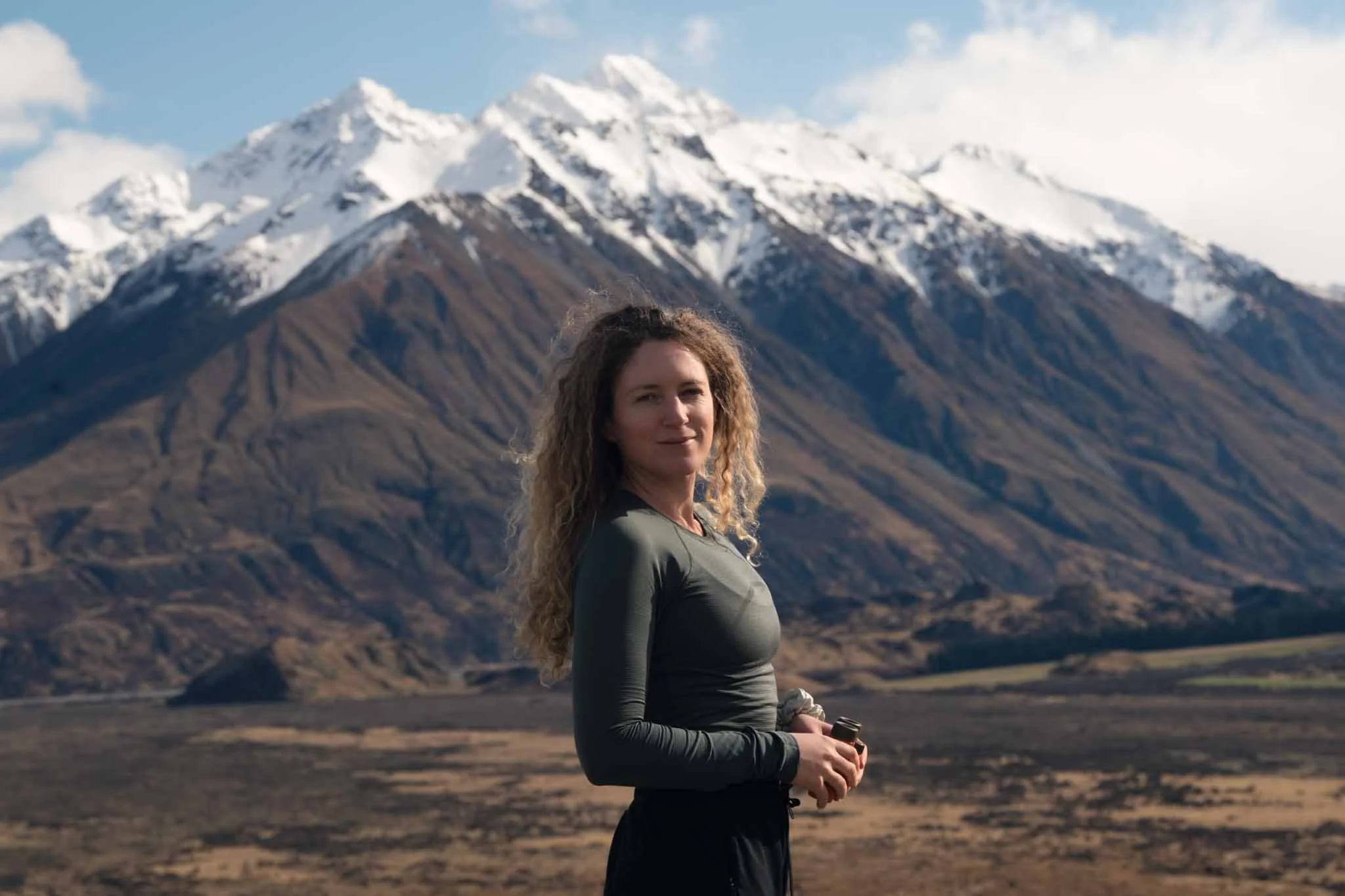
For the most part, I pack a few casual, comfortable outfits (cotton t-shirts and yoga pants, with a jumper I can throw on) and more than a few hiking outfits. General activewear is what I wear the most, so I can be comfortable walking around town, and then go straight into a 3 hour walk in the afternoon.
For long drives and general day to day wear, my preference is loose and non-restrictive clothes (i.e., no jeans). However, if you’re a jeans person go for it - the key thing is to wear what you’re most comfortable in. With the exception of the occasional nice dinner, you’ll rarely need anything formal or dressed up (and you can even show up to dinner in jeans and a t-shirt).
In terms of number of items, I’m a chronic overpacker. In all my years of travel, I have not learned how to pack lightly, and if anything I pack more and more as I get older and less willing to wear the same t-shirt several days in a row. If you’re more disciplined than me, you could get by with enough clothes for around five days — you’ll easily be able to do laundry in that time.
Most hotels should have a guest laundry, and some of my preferred ones even offer free laundry facilities. Holiday parks also have good laundry facilities, if you’re in a campervan. And failing that, most towns — even smaller ones — will have a laundromat. Generally speaking, it’s harder to find the time to do laundry than to find a place to do laundry, so I’m always on the lookout for places to stay that have a washing machine I can use.
This is the full list of things I packed for my most recent trip. I haven’t separated this out into casual clothes and hiking clothes, as I tend to wear my outdoorsy clothes most of the time, even in cities.
You can definitely whittle this down, but hopefully this gives you some idea.
1 warm fleece Patagonia marsupial fleece is one of my go tos
1 cosy cotton crew jumper
3 cotton t-shirts — try and choose shirts with high necks (no V necks) and longer sleeves, for sun coverage. I avoid tank tops because the sun is strong here and I burn easily, but that’s a personal preference.
1 long sleeved running/yoga top, or a sun hoody for summer hiking — I like to walk in long sleeved tops even in summer, for the sun protection
2 warm base layers for winter hiking — I prefer synthetic over merino these days, but either will do
1 pair of denim shorts (in summer; you can leave these behind in winter)
2 pairs of yoga/bike shorts — this is personal preference, but I find Lululemon Align shorts to be very comfortable and versatile
1 pair of Patagonia Trailfarer 4.5-inch running shorts — I like hiking in these in summer as they are super lightweight
1 pair of loose/comfortable pants for casual wear (I have a pair of flowy linen pants that are easy to pull on/off and make travel days more comfortable)
1 pair of long hiking pants
1 pair of track pants — optional, but I like having something comfortable and warm to wear in the evenings. I wear my Lululemon Align track pants a lot.
1 dress — the item of clothing I wear the least, but sometimes it’s nice to have a decent outfit for dinner. If you’re struggling with space, this can go.
1 pair of jeans
A puffer jacket
A sunhat and sunglasses
Swimwear (for swimming in summer and hot pools in winter)
A rain coat — I recently invested in an Earth Sea Sky Hydrophobia rain coat, because I wanted something that could stand up to a lot of weather while hiking. It’s an excellent jacket for hikes, but is probably overkill for a general trip, especially in summer. You can get away with something fairly light in summer; I have a lightweight Rab Kinetic 2.0, which packs down small and works well for light showers or when you need a windproof layer.
Footwear

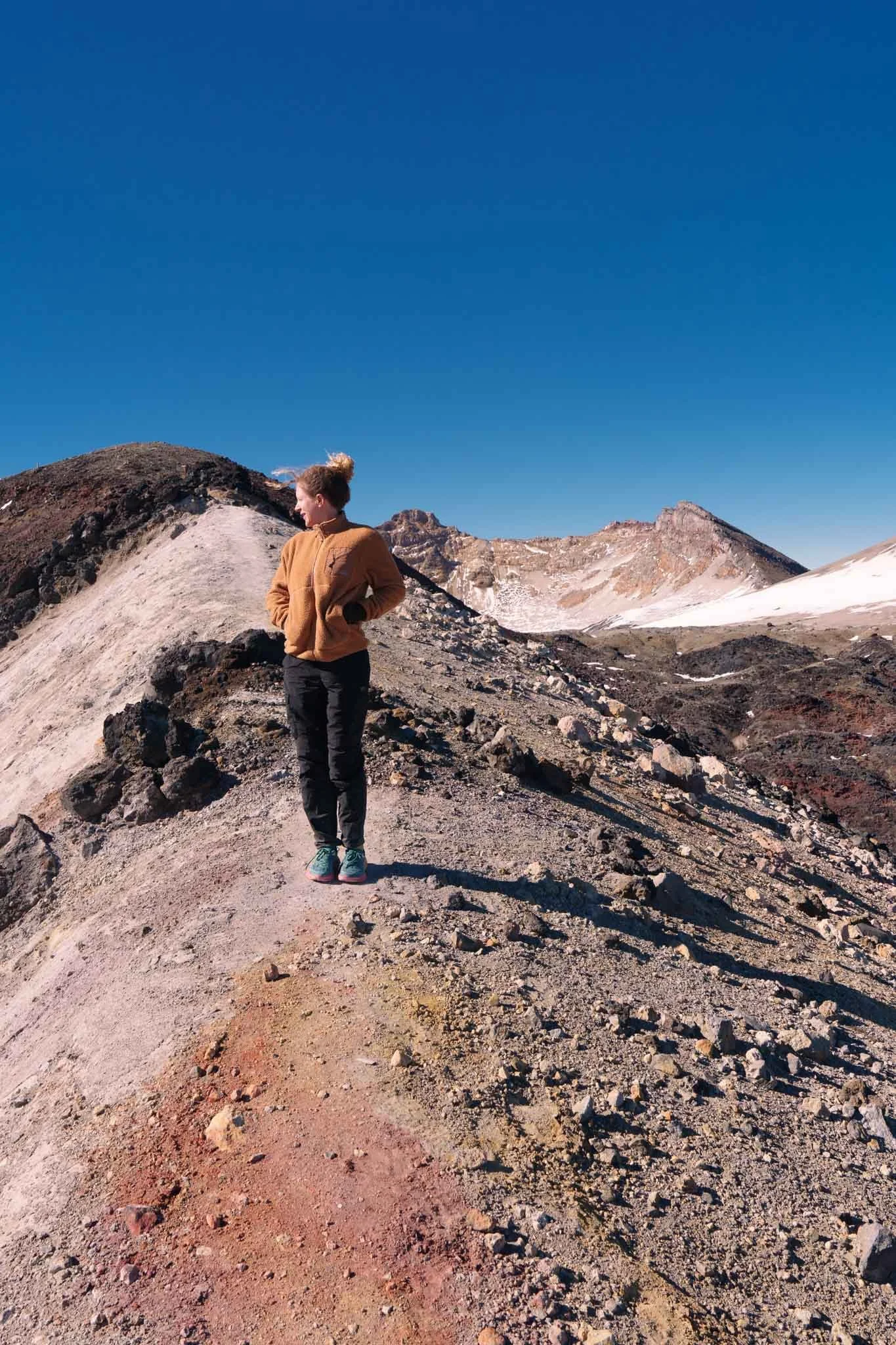
The classic New Zealand mindset is that you need a pair of sturdy hiking boots if you plan on doing any longer walks. I used to swear by my hiking boots, for both day hikes and multi-day treks, but more recently I have switched to trail running shoes and I haven’t looked back.
Most trails you’re likely to be walking in New Zealand will be well maintained, so you won’t need anything heavy duty (unless that’s your personal preference). I find my trail runners to be much more comfortable and lighter than hiking boots, and they drain much faster if I get wet or have to do any river crossings.
I like that they are much more versatile, so I can wear them walking around town, if I feel like going for a run, or on hikes.
Socks — I use Icebreaker Run+ ultralight crew socks for day hikes, and have a few pairs or regular cotton socks for when I’m not hiking.
Topo Ultraventure 4 Trail running shoes are my default walking and hiking shoes for most trails, and on days when I know I’ll be doing a lot of walking around town
Birkenstocks (any comfortable sandal will do)
Photography gear
As I have gotten deeper into photography, the amount of gear I haul around with me has increased significantly. I definitely don’t have the most streamlined kit, but as I play around with travel and landscape photography, these are all the things I think are worthwhile taking with me. This fills up my day pack, more or less.
Camera (Sony a7IV)
Leofoto lens foot (for the 70-200mm)
Fjallraven photo insert
Sandisk memory cards
SD card case
Cleaning things — dust blower, brush, spray, and microfiber cloths
Charging cables
Other tech
Macbook Air + charger
Laptop case
USB charging cables
Phone
Loop Earplugs, because I still end up in dorm rooms occasionally
Sony headphones — I recommend any headphones you can plug into the headphone jack on planes, having your own is so much more comfortable for long flights
Optional extras
An eye mask
SPF lip balm — I feel like this is fairly essential given how much time I spend exposed to the elements
A travel or beach towel. I use a Turkish cotton towel instead of a microfibre towel, as I like it better for the beach and love the soft cotton.
Zinc sunscreen. You will need a lot of sun protection in New Zealand - we don’t have a lot of ozone, but we do have wildly high rates of skin cancer. Lather up with an ocean friendly zinc sunscreen. I love My Sunshine.
Author bio
I’m a freelance travel writer from New Zealand with bylines in National Geographic Travel, Conde Nast Traveler, Travel + Leisure and more. These days, most of my writing is for this website — I’m making it my mission to be the most trustworthy source of information for your trip to New Zealand. I don’t accept sponsorships, I pay for almost everything myself, and I spend months travelling New Zealand each year, all to deliver the best insider travel intel on this country.
Read more