Road trip the Coromandel Peninsula: A local’s guide to the best places to go and things to do
My home region has beautiful beaches and great walks to discover

Little Bay, in the far north of the Coromandel
I grew up on a Coromandel Peninsula dairy farm 10 minutes from Pauanui Beach.
Summer holidays meant swimming in the river that flows out of the Coromandel ranges, and roaming barefoot around tiny beach towns.
It took me a while to appreciate how beautiful the Coromandel is; probably around a decade. That’s about how much time I spent travelling the world, looking for perfect waves to surf, clear rivers to swim in, and beaches away from crowds. It wasn’t until I came back home as an adult that I realised all of these things — and many more — are right here in the Coromandel.
Once a hippie haven, the Coromandel Peninsula these days is an enclave for the wealthy, with huge holiday homes of glass and steel lining most beachfronts. There are still remnants of the quirky characters that used to shape the Coromandel, though — there are still locals living off grid, and a little train running through the bush, and if you go far enough north there’s nothing but gravel roads and campgrounds.
This is my local’s guide to the Coromandel.
Planning your Coromandel Peninsula road trip

Pauanui Beach, right down the road from where I grew up
You could whip around the Coromandel in a day. It only takes three hours to follow State Highway 25 from Thames up the coast to Coromandel Town, then around to Whitianga and on to Whangamata.
But, much of what makes the Coromandel special — white-sand beaches, native bush walks, and roads fringed by pohutukawa trees — require exploring off the main loop road.
Stopping for one or two nights in either Hahei or Coromandel town (or one night in each) will give you more time to slow down and enjoy the drive. Choose to spend more time around Hahei and the east coast if sandy beaches with great swimming appeals; opt for Coromandel town if you’d prefer to get to know the hippie side of the peninsula or get off the beaten track with an adventurous drive to the very north. It’s doable to visit Fletcher’s Bay and walk the Coromandel Coastal Walkway as a day trip from Coromandel Town, but it is a long drive on gnarly roads.
Below, I have outlined a few of my favourite things to do in the Coromandel, if you were driving from Thames up the West Coast to Coromandel town, then down the other side of the peninsula via Whitianga and Hahei.
A note on the Coromandel’s roads
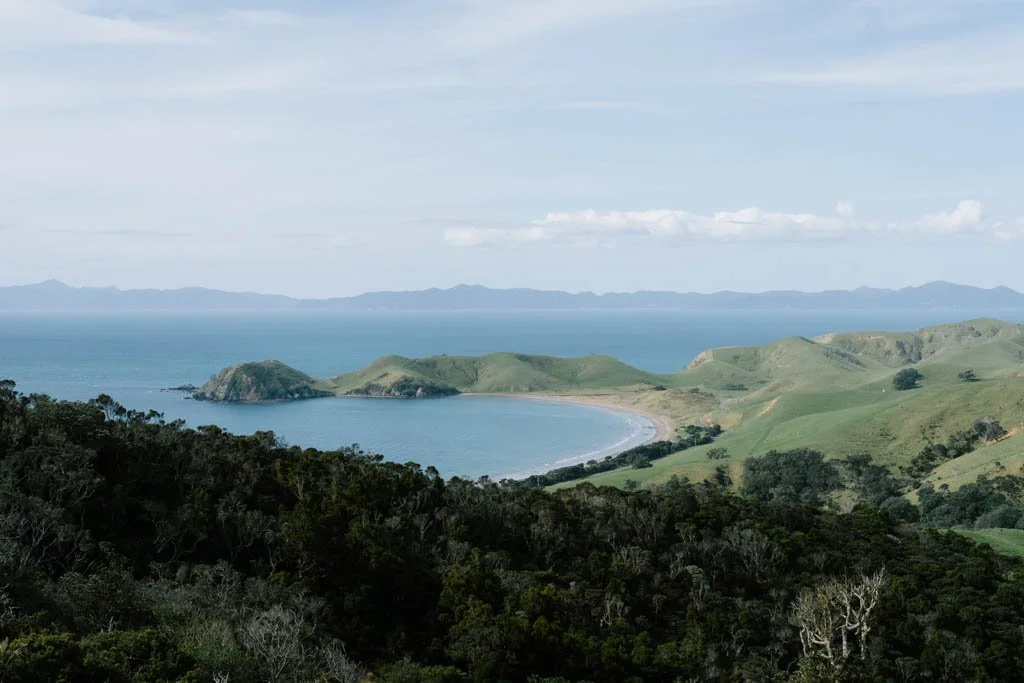
Port Jackson, at the very northern tip of the Peninsula
Away from State Highway 25, many of the Coromandel’s roads are gravel, including the 309 road between Coromandel and Whitianga, the Tapu Coroglen road, and all of the roads north of Colville. These roads are often only one-way; the road to Fletcher Bay is particularly narrow, steep and has precipitous drops to the sea. If you’re an anxious driver, or piloting a large motorhome, avoid these routes.
Although SH25 is sealed, it is often narrow and has suffered in recent years from cyclone damage; an indication of how fragile this one ribbon of road around the peninsula can be. In peak summer summer holiday season (around Christmas and New Years), when Aucklanders flood the Coromandel, be prepared for delays.
The Coromandel is best experienced on a road trip — search for and book rental cars with Discover Cars »
Thames and the Kauaeranga Valley
Thames is an old gold mining town, now a hub for the wider farming region. For the most part, you’re likely to just pass through Thames, either heading straight up the coast, or if you like hiking, into the Kauaeranga Valley.
Part of the Coromandel Forest Park, a river runs along the floor of the Kauaeranga Valley; alongside this are a string of campgrounds, and hikes through kauri groves. In typical Coromandel fashion, the Kauaeranga Valley is accessed by a single lane, gravel road.
Most people will head in this way to hike to the Pinnacles, a climb up to a 360 panorama view from a rocky crag. It’s a 3 hour hike up, so you can get up and down in a day quite easily (although it is a steep climb in places).
It’s even better at sunrise and sunset — I have stayed overnight at the large DOC hut at the top to make the most of both. The hut is exceptionally well equipped (with showers, lights, cooking equipment) but also popular with school groups, so you could be sharing it with 40 odd youngsters.
There are other, shorter walks in the Kauaeranga, though, as well as some very pretty campgrounds. If you’re in a campervan, you could do a lot worse than to camp alongside the river at the Whangaiterenga Stream campsite. Just up the road, the Cookson Kauri Walk is a lovely two hour hike. And in summer, Hoffman’s Pool is a delightful place for a dip.
Waiau kauri grove and waterfall

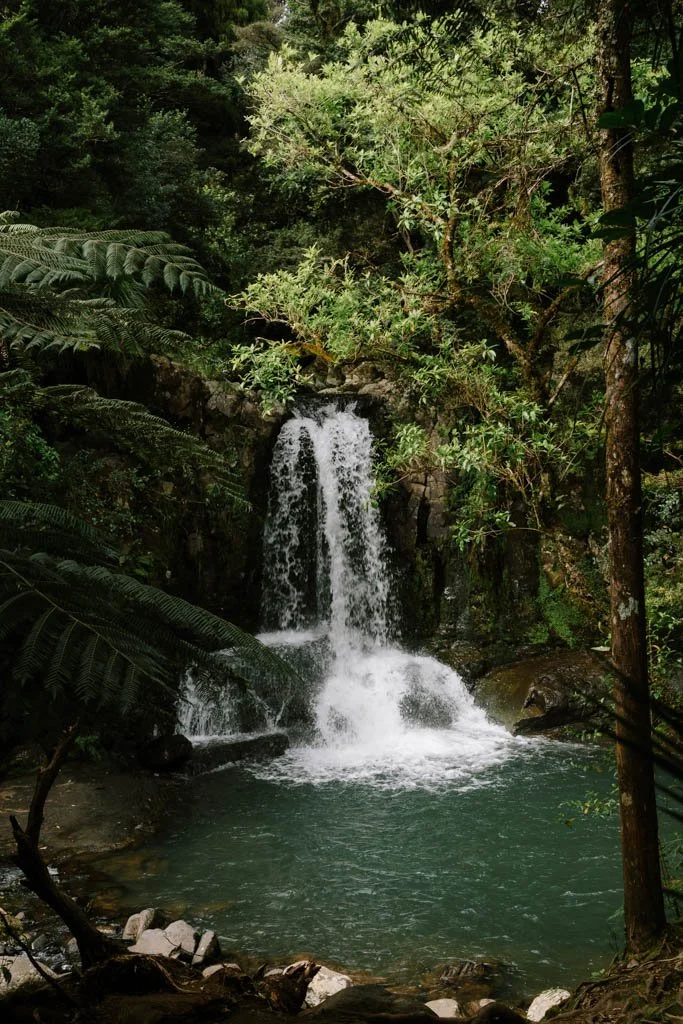
The ideal swimming pool
About 10 minutes south of Coromandel Town, down the 309 road, you’ll find the Waiau kauri grove.
A short walk of around 30 minutes takes you through the kauri trees, which were saved from logging by Coromandel residents; the peninsula has long been eco-minded, and I’m glad. It’s rare to see kauri trees of this size, and in this number, after they were so extensively logged from the peninsula.
Just down from the walk is the Waiau Falls, located right next to the road. If you’re brave, you can jump into the waterfall pool, which is easily the best swimming hole in the area.
Walk
Coromandel Town
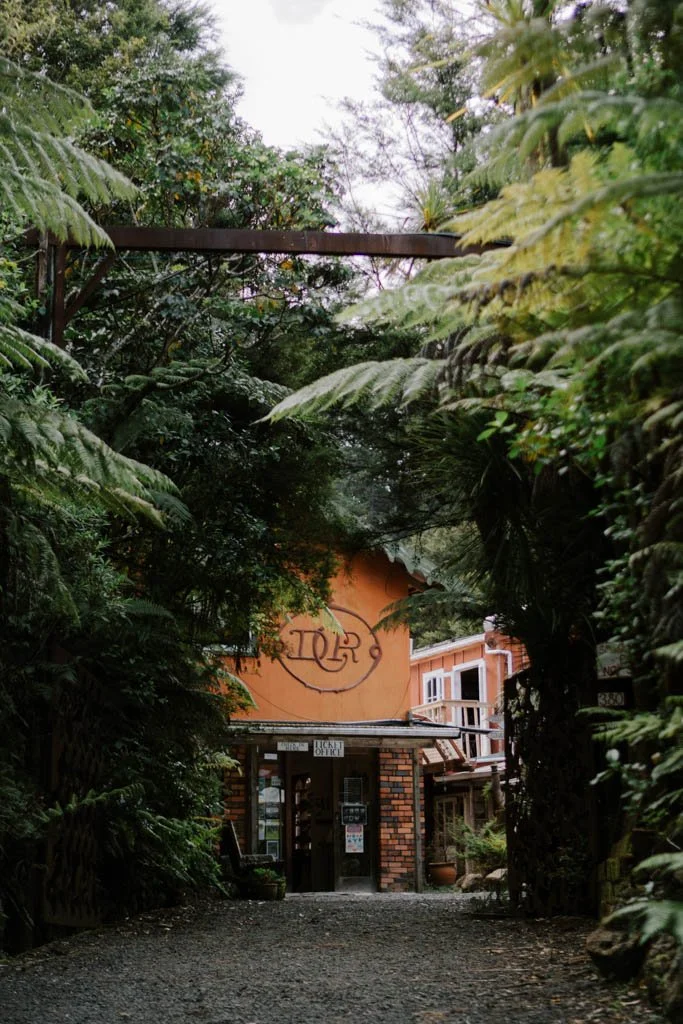
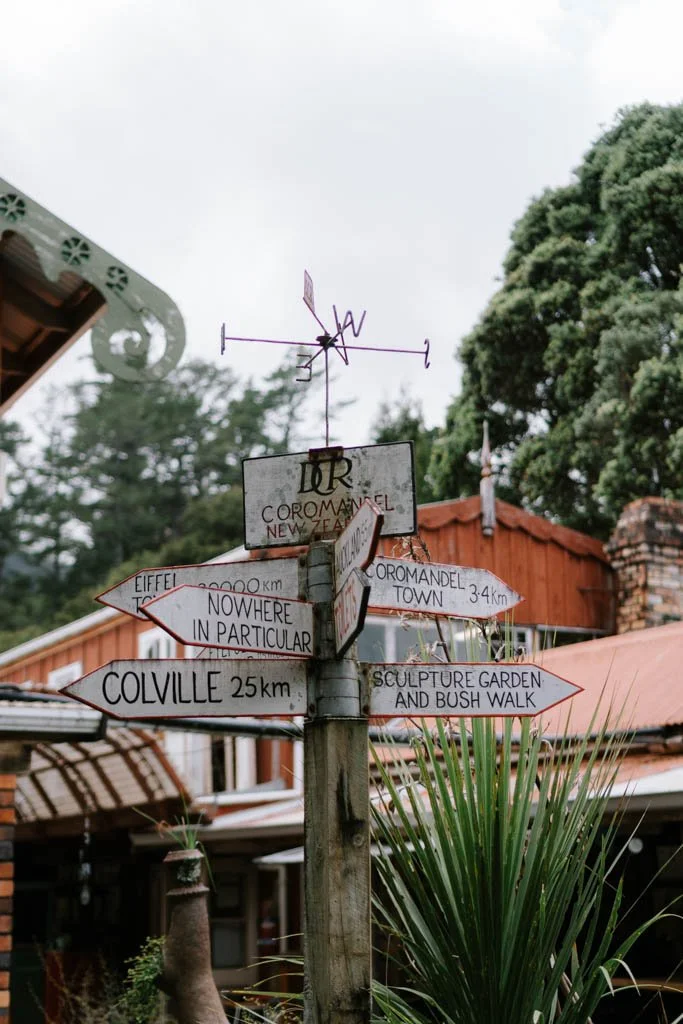
One of the absolute best things to do in the Coromandel is take the Driving Creek Railway, a tiny mountain train that trundles through native bush to incredible views. The railway was originally built back in the 80s by Barry Brickell, a potter who wanted to use the rails to transport wood, clay and sculptures up and down the hillside to his kiln, which was deep in the bush to avoid smoking out his neighbours.
With loveably ramshackle buildings, and ceramic sculptures emerging from in between native trees, Driving Creek gives the impression it has grown up out of the land; and I guess in a way it has, thanks to clay.
Activities
Where to stay in Coromandel Town
Where to eat in Coromandel Town

FEATURED STAY
Bali Haven
A beautiful Bali-inspired garden tucked into native bush, close to Coromandel Town. I loved the outdoor fireplace and shower surrounded by ferns; this is an ideal nook for nature lovers.
Jackson’s Bay and the Coromandel Coastal walkway
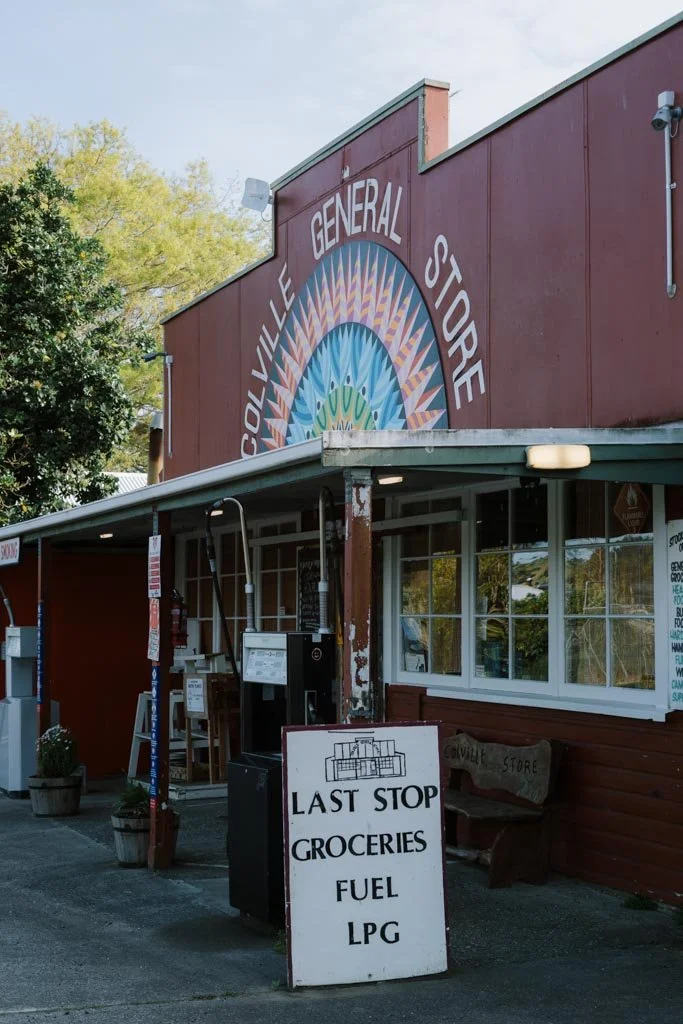

The road looping around the Coromandel is just the beginning. If you have more time, or you like going to places that feel like the end of the world, I recommend heading north from Coromandel town.
The sealed road goes as far as Colville, a teeny tiny village with a general store — painted in bright colours — a post office, and a cafe, the Hereford ‘n a Pickle. Stop to check out the cafe, and stock up on homemade pickles for your picnic supplies; the cafe menu is simple, but this is the last place you can order food on the road north.
After Colville, the tarseal ends and you’ll be on gravel for a further 26 kilometres. A word of warning; the road to Fletcher’s Bay is narrow and skirts along the cliff’s edge in places. You should be confident enough to navigate past other vehicles on a one-way gravel road, possibly with steep drop offs, and possibly needing to reverse in sections.
I am terrified of heights. As a passenger, most of the drive was spent gripping the armrests and focusing determinedly on the road ahead, not the perilous vertical drop to the rocks and water below. I wouldn’t recommend attempting this drive in a large motorhome, or a very small rental vehicle.
If you do make the trip, you’ll be rewarded for making the journey with incredible views, and a sense of isolation and true adventure. Port Jackson Campsite is set on the very tip of the peninsula, with a vast beach and views of Great Barrier Island.
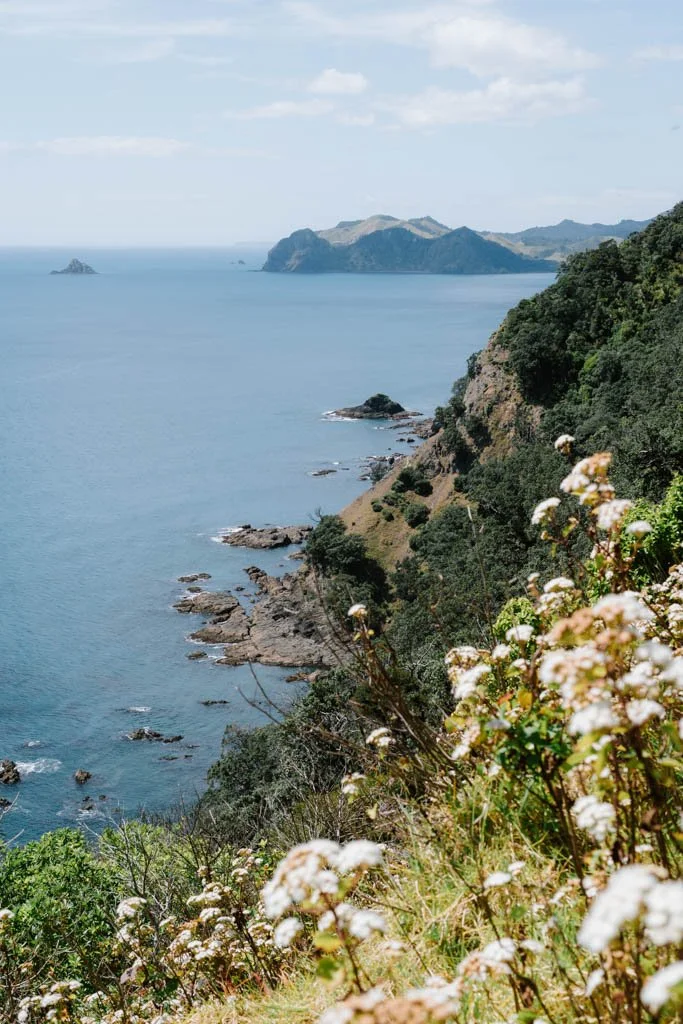
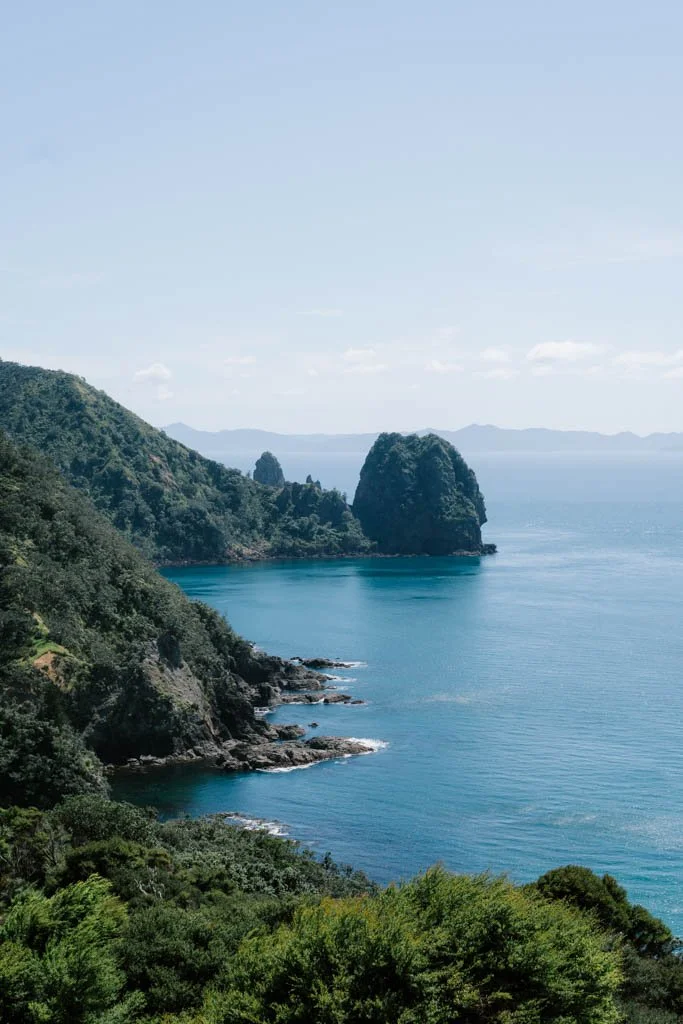
Neighbouring Fletcher Bay Campground is the starting point for the Coromandel Coastal Track, a highlight of the peninsula that has marvellous views of the craggy coastline, as well as dense bush with the occasional kaka wheeling above the canopy.
Waikawau Bay
If you don’t have the time, or the right wheels, to drive all the way to the north of the Coromandel, you can still go for a gravel-road adventure out to Waikawau Bay. Take the road up to Colville, then hand a right towards the east coast.
Waikawau Bay is a beautiful beach, ideal for swimming and surfing. There is a spacious DOC campsite by the beach, so it’s another great spot to head for in a campervan.
Just over the hill at the south end of Waikawau Bay is Little Bay, spot that locals have done a great job of keeping secret. There are a few spots in the carpark for self-contained campervans to stay overnight.
For a scenic loop, head to Waikawau via Colville, then back down to Coromandel Town through Kennedy Bay. Stop at the Tokatea Hill Lookout for views out across both sides of the peninsula.
New Chums Beach
After Cathedral Cove and Hot Water Beach, New Chums must be the most famous beach on the Coromandel. It’s helped in its fame by the photo opportunity on the walk over the small headland to the beach; there’s a great shot looking down the beach from up high.
At the start of the trail is a tidal stream – check the tides in advance and only go when it's low. Even then you will most likely need to take off your shoes. Following that comes a little rock hopping, then a short, sharp climb through the bush. Halfway to New Chums Beach is the steep sidetrack to the lookout point. From that vantage point, you can see the long crescent of the beach, with the thick bank of pōhutukawa trees overhanging the sand.
Otama, Opito and Crayfish Bay

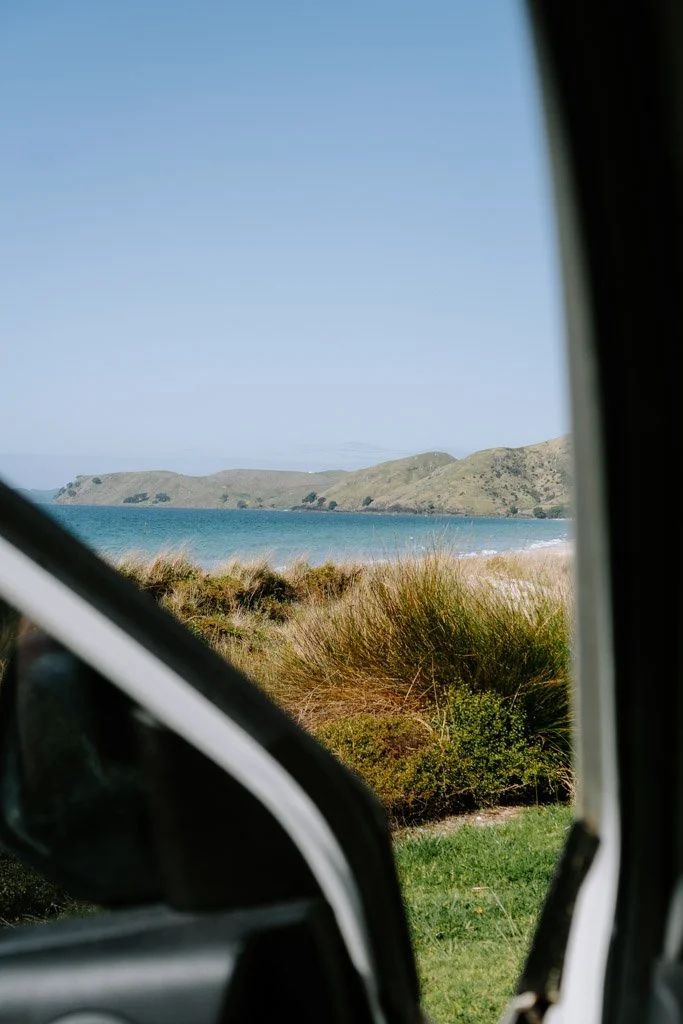
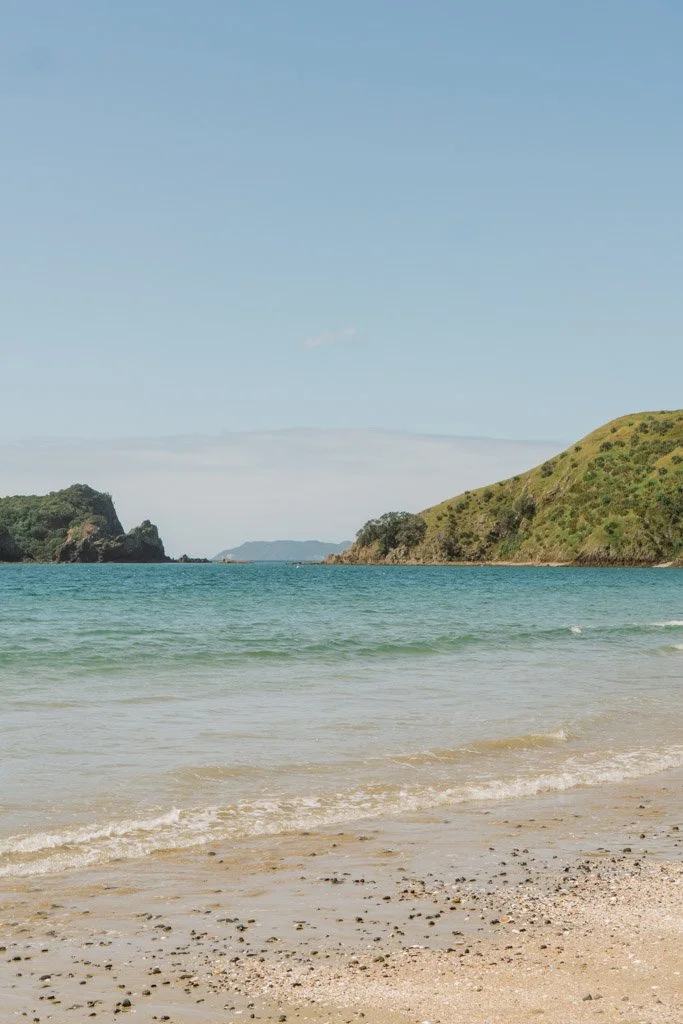
Detour off Highway 25 and you’ll get to some of the most sublime beaches on the peninsula; Otama and the remote Opito. The road out to Otama Beach and Opito Bay goes straight past Luke’s Kitchen, a stalwart of the Coromandel. From Kuaotunu and Luke’s Kitchen, head up and over a hill over the true-to-Coromandel-type (steep, twisty, and gravel in patches) hill to Otama Beach.
Otama has pristine sand that is a light coral colour. It’s a good spot for swimming, or walking; stop either at the bottom of the hill – you’ll see the beach carpark as soon as you’re on level ground – or carry on to the eastern end of the beach, where pohutukawa trees line the edge of the beach.
Carry on driving another 10 minutes to reach Opito Bay. The long scythe of honey-coloured sand is backed by golden hills. From the southern end of the beach, climb the steps to reach the top of an old Māori pā — defensive ditches are still visible — and enjoy views back across the bay.
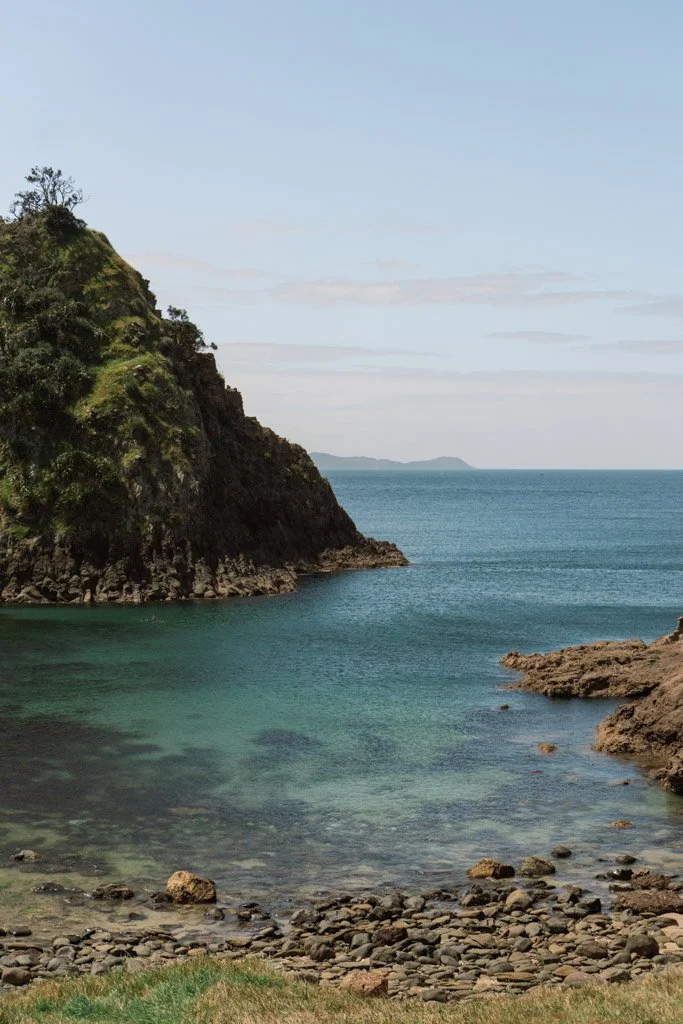
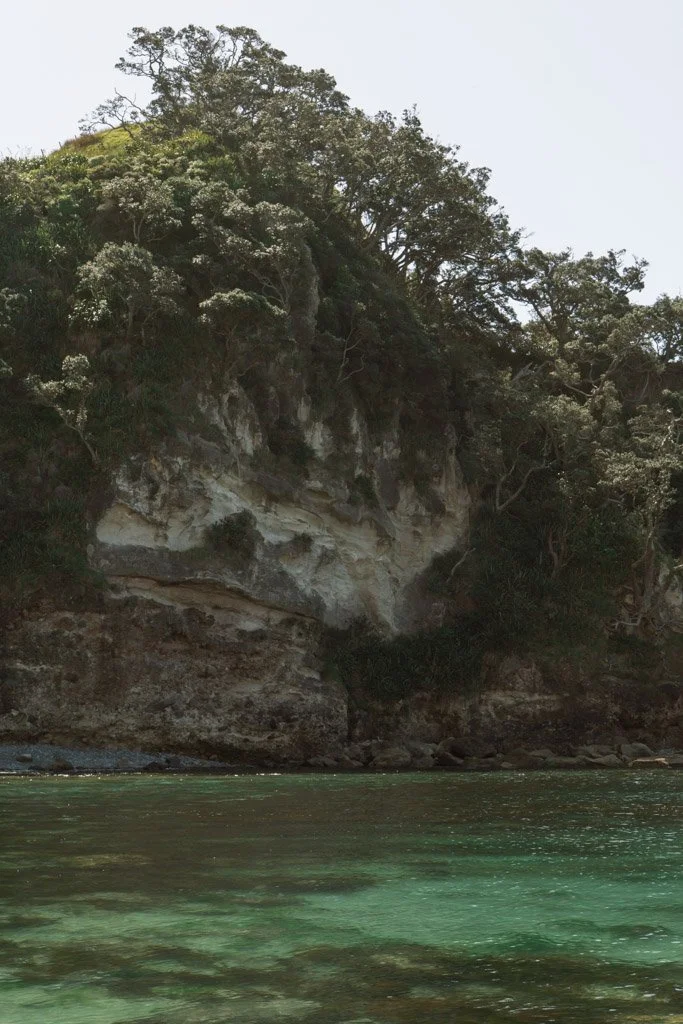
As you walk to the end of Opito Bay, towards the start of the pā walk, you should see a track veer off from the beach – that’s the track to Crayfish Bay. It’s not well marked, and it’s not on Google Maps, as the trail crosses private farmland. But, it’s well known enough that you should see the beaten trail in the grass. Or you’ll spot fishermen emerging from that spot carrying rods and chilly bins. The track to Crayfish Bay is only short, skirting around a hill.
The bay itself is rocky and not ideal for swimming, but if you climb up and around the rocks at the southern corner of the bay (look for carved handholds) and keep sidling around, you’ll come out onto a rocky platform jutting out deeper into the sea. This is a known cliff jump spot; if you’re brave, leap into the water. There are ladder rungs to help you climb back out. I am no cliff jumper, but I still liked climbing around the rocks and watching the waves below. I even spotted a little blue penguin paddling around in the water.
Walks
Whitianga
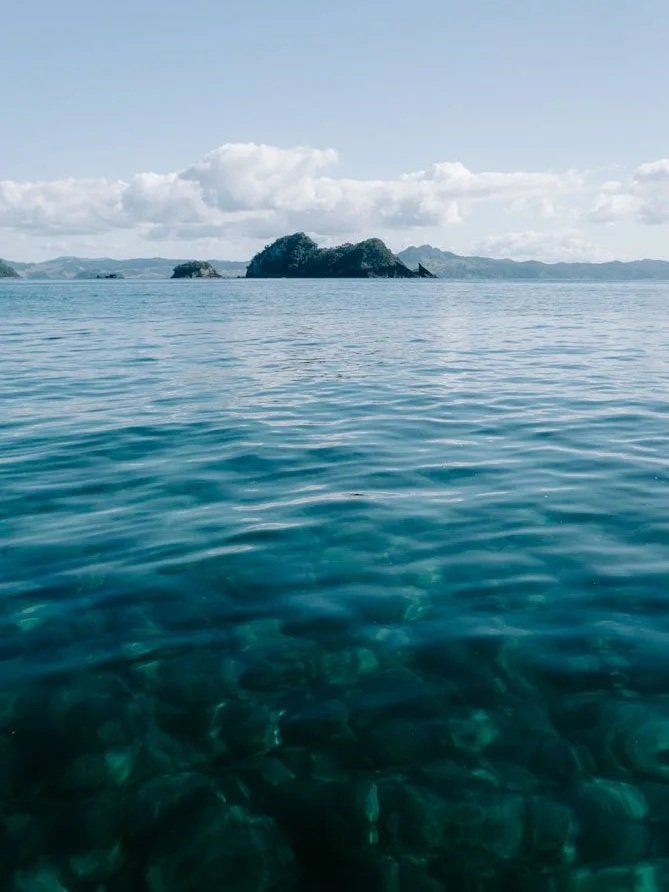
The Te Whanganui-o-Hei/Cathedral Cove Marine Reserve, seen by boat from Whitianga
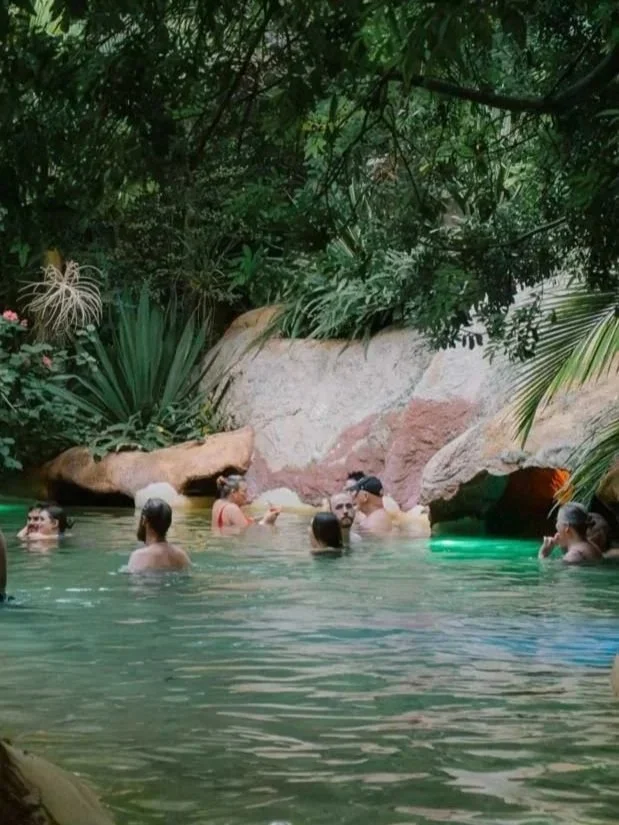
The Lost Spring, Whitianga
Whitianga isn’t the prettiest of Coromandel’s towns, but it is conveniently located, central to most of the peninsula’s sights. It’s also one of the larger towns on the Coromandel, along with Thames, and has a supermarket, hotels, and a range of places to eat. If you like to be close to amenities, Whitianga can be a good place to stop over for the night.
A highlight of Whitianga is The Lost Spring, incongruously located almost in the middle of town. Lush, jungle-like foliage and delightfully kitschy faux rocks and caves surround the pools. It does feel like you’ve somehow strayed into a tropical garden, an impression The Lost Spring wholeheartedly embraces; servers wear colourful tropical shirts and serve drinks from bamboo bars. They are also happy to bring you those drinks in the pool – just swim up to the side to collect them. I would go so far as to say these are some of the best geothermal hot pools in the North Island.
Whitianga is also a good base for boat trips around the Cathedral Cove coastline.
Of these, I highly recommend choosing Cave Cruzer (book direct / on Get Your Guide), a one-man show run by Brian, who has a deadpan sense of humour and a love for throttling his boat into spins. The boat tours all follow a similar route, so it’s Brian’s personality that makes his tour stand out (and some of the others, like the Glass Bottom Boat, feed the fish in the marine reserve. I don’t agree with that approach, so wouldn’t recommend joining their tours).
Hahei and Cathedral Cove
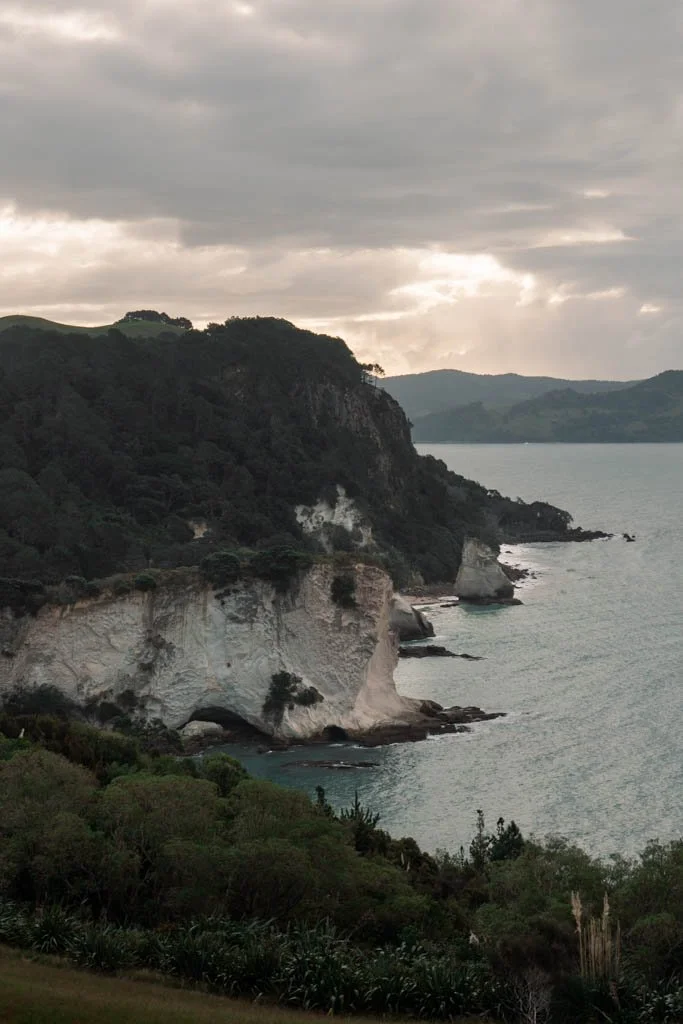
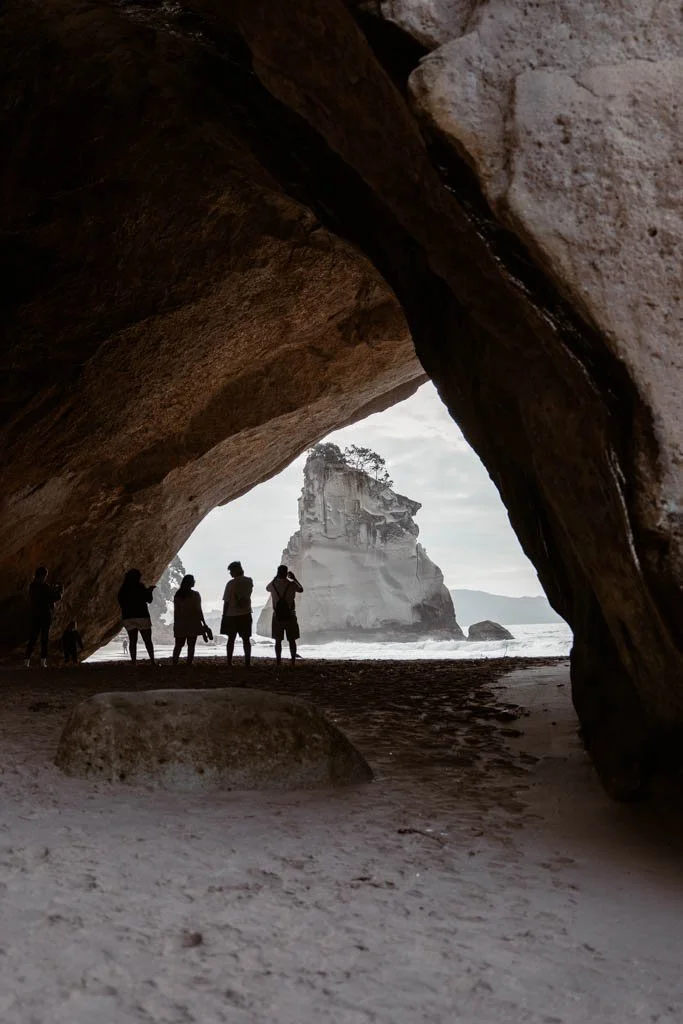
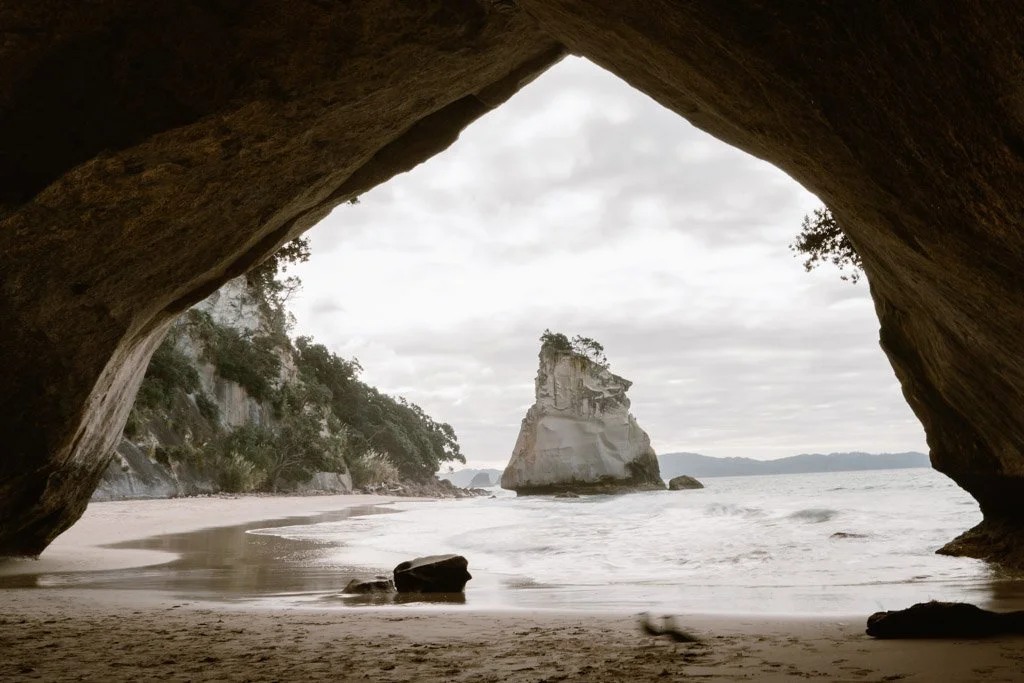
Hahei, a small village spread out along a supremely beautiful beach, is an ideal base for exploring one of the Coromandel’s key highlights. Cathedral Cove, bordered by cliffs of pale limestone with pillars of the white rock rising from the surf and a large stone archway bisecting the beach, lies a short walk, kayak, or water taxi north of Hahei.
In summer, Cathedral Cove is swarmed with people. DOC (who manage the track to Cathedral Cove) even suggest going at low tide – not only because it’s easier to walk through the rock arch at that time, but because there’s more space on the beach when the tide is out.
Go in the early morning for the best chance of a peaceful beach walk (and sunrise). Otherwise, you want to visit a beach that is almost as beautiful as Cathedral Cove, but has nowhere near the vast numbers of visitors, check out Lonely Bay. It’s only a short descent down some steps to the bay, then when you’re there you feel tucked away from the world.
A gentle walking track leads along the coast to the beach. There’s no car parking near the start of the track, which is at the top of a hill reached by a small, residential road leading off from Hahei village centre.
There are two options for walking to Cathedral Cove; park by Hahei Beach and walk the extra distance up the road to the trailhead (which adds around 30 minutes each way) or use the park and ride shuttle service.
The track itself is very well maintained, even concreted in some parts, so it’s easy underfoot. You can expect it to take around 40 minutes one way. With time spent enjoying the beach itself, the whole walk can take around 3 hours return.
Getting to Cathedral Cove
Walk the coastal track (plan to park and ride, or walk an extra 30 minutes each way from the centre of Hahei)
Take a boat tour of the coastline with the zippy little Hahei Explorer (just note it doesn’t land on the beach)
Where to stay in Hahei
Wairua Rainforest River Retreat (I highly recommend)

FEATURED STAY
Wairua Rainforest River Retreat
An exceptional place to stay, I really can’t recommend it highly enough. Tucked away in the forest, with a forest bath, a hot tub under the stars, and a fire pit, Wairua feels like an exclusive little piece of paradise.
Hot Water Beach
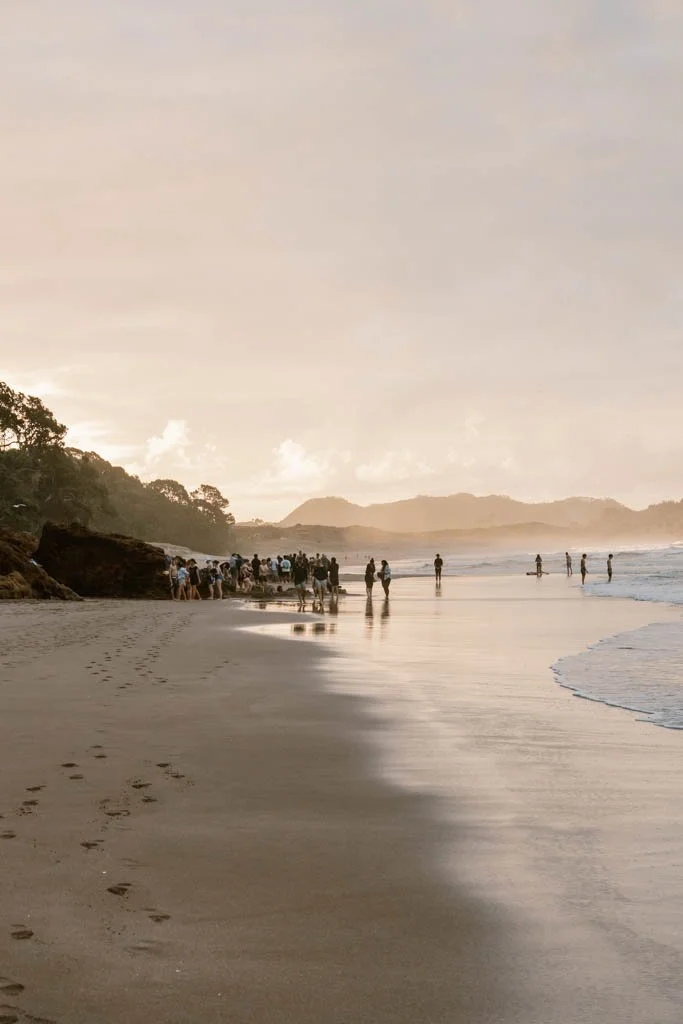
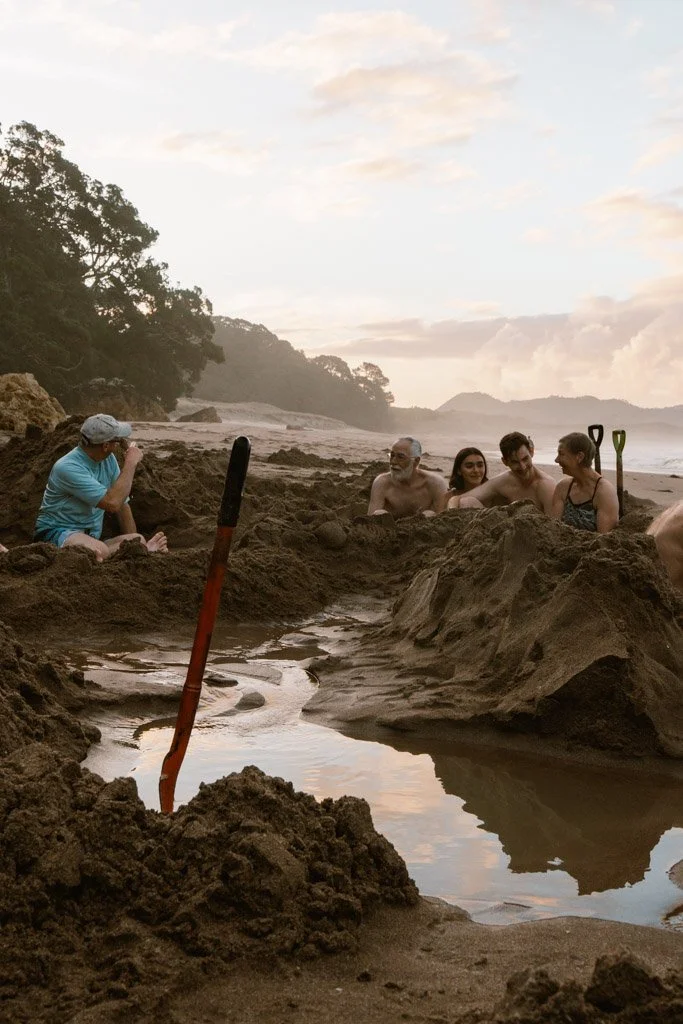
A 10 minute drive from Hahei is the Coromandel’s other (literal) hotspot, Hot Water Beach. In a small area of the beach, thermal springs filter up through the sand. The springs are covered at high tide; you can only access them for around 2 hours either side of low tide. They are easy enough to find, located just beyond the rocks at the southern edge of the beach. You’ll probably spot the crowds first, with many people packed into the small area – the springs are only spread across roughly 20 metres of the beach.
You’ll also need to dig into the sand for the hot water to pool enough to sit in, so take a shovel (some accommodation providers have them on hand, but you can also rent one from the small store by the Hot Water Beach carpark). The other option is to shimmy into someone else's pool once they have vacated it.
The pools themselves aren’t deep; there’s maybe enough water to cover your thighs, but expect to wallow more than bathe. And take care with the hot water. It can come out of the sand hot enough to scald. If you look closely at the sand, sometimes you can see the bubbles coming through, and steam rising.
Overall, between the crowds and the shallow pools, it’s not exactly a relaxing hot springs experience, but the novelty value is high. It’s particularly nice in the late evening or early morning.
Also worth noting is that car parking at the Hot Water Beach Main Carpark is $4.50 an hour. If you want to avoid paying, park at the free Domain Road carpark. From there, it’s only around a 10 minute walk to the hot springs.
Whangamata
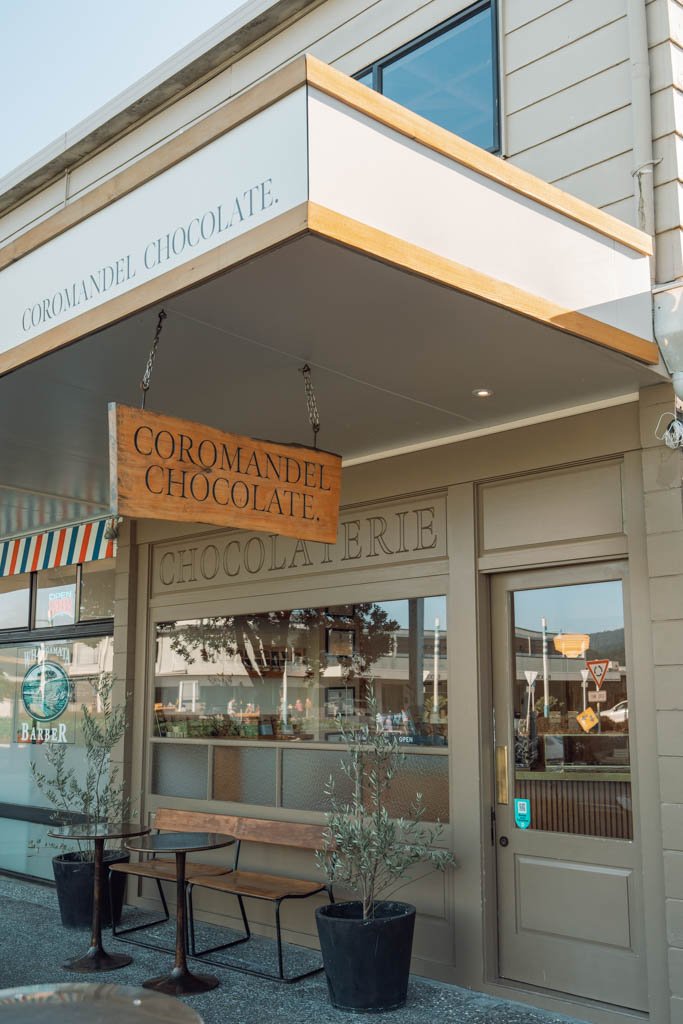
Coromandel Chocolate
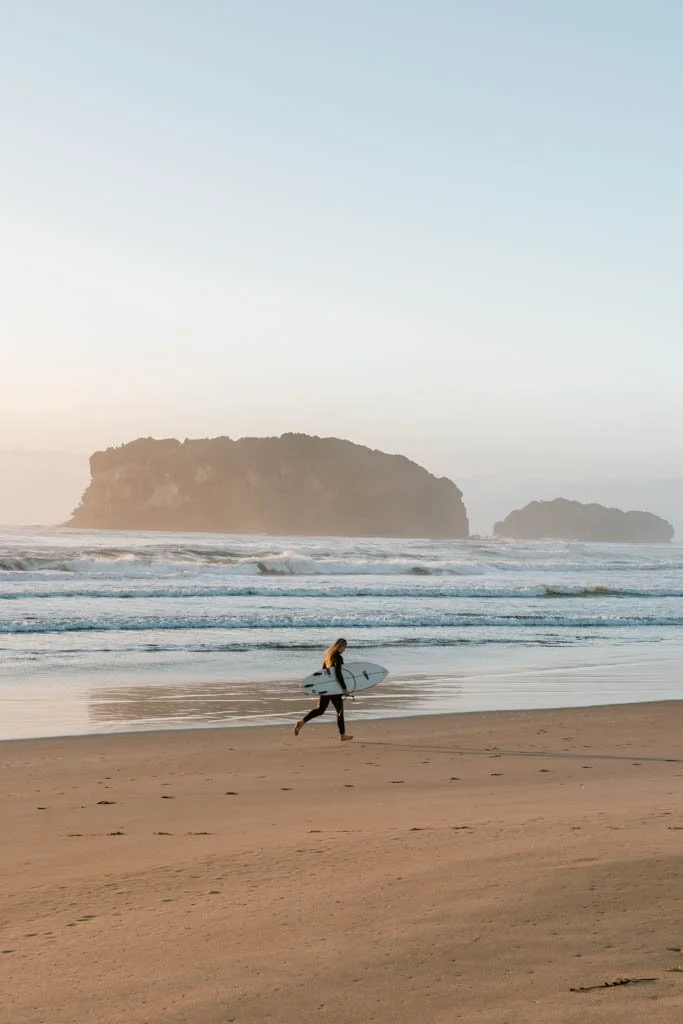
Whangamata is all about the surf. At the northern end of the beach, you’ll see surfers slithering into the water like seals and paddling all the way out to to bar, to catch long, left-hand waves. Laid-back surf culture permeates the town; this is the kind of place you can go barefoot, drink strong coffee, and take long walks on the beach at sunrise. If you’re not a surfer, Whangamata can make a good stopping point on a drive south along the coastline towards Tauranga or Rotorua.
My main reason for stopping in Whangamata is usually to stop by Coromandel Chocolate. This small, family-owned business creates bean-to-bar chocolate using Pacific-sourced cacao beans and traditional French methods. The aroma of chocolate in the shop is so rich and decadent I want to wrap it around myself like a blanket. I truly think this is the best chocolate you can buy in New Zealand in terms of taste. The fact that it’s a small business committed to sustainability,, supporting local and elevating Pacific cocoa is just the cherry on top.
Stops
Bach cafe, for coffee or breakfast
Port Road Project for lunch
Camina for dinner
Thank you for reading
You being here is what makes my life as a travel writer possible, so thank you. I hope this has been helpful and you have come away with a better idea of where to stop on a Coromandel road trip.
All of the photos and words (and spelling mistakes and other errors) on this page are mine, created without help from either AI or other humans.
My goal is to try and make sure your travels around New Zealand are the best they can be, in exchange for your support. Reading my posts, clicking my links, sharing with your friends; all of this helps me keep doing what I’m doing.

AUTHOR BIO
I’m a freelance travel writer from New Zealand with bylines in National Geographic Travel, Conde Nast Traveler, Travel + Leisure and more.
I’ve travelled up and down beautiful Aotearoa and I love sharing my recommendations for the best places to visit in New Zealand.
READ MORE