The best Māori cultural experiences in Rotorua
Rotorua offers some of the most accessible Māori cultural experiences in Aotearoa New Zealand
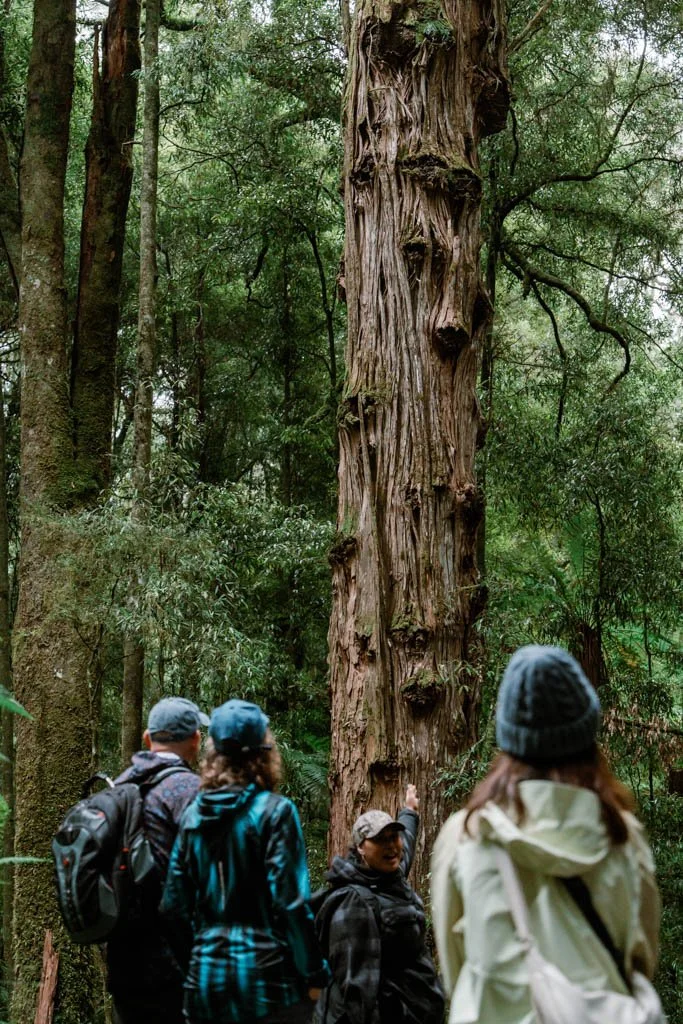
A guided forest walk with Whirinaki Forest Footsteps
Disclosure: This post contains affiliate links, which means I may earn a small commission if you book through those links. I appreciate your support!
Rotorua offers some of the most accessible Māori cultural experiences in the country; after all, Māori guides have been greeting visitors here since the 1870s, when they came to visit the Pink and White Terraces. The pastel-coloured silica terraces were destroyed when Mount Tarawera erupted in 1886, but the custom of local Māori sharing stories and traditions with manuhiri (visitors) lived on.
These days, the main formula for cultural tourism experiences in Rotorua includes kapa haka (song and dance), and hāngī, a traditional earth oven meal. These kinds of introductory, packaged experiences cater to large volumes of tourists there to check off seeing a haka from their New Zealand bucket list
That’s not to say the more polished productions lack ‘authenticity’ – in quotation marks because I don’t think any cultural experiences should be held up as either authentic or inauthentic. If delivered by Māori communities, these experiences are by definition authentic.
As far as I’m aware, all Māori cultural tourism experiences in Rotorua are Māori owned and operated, and employ mostly Māori staff, with Māori performers of the highest calibre. The bigger cultural experiences play an important role in celebrating and supporting Māori culture, not only by sharing it widely but by creating opportunities for Māori communities through jobs, education, and ongoing cultural practice.
It might simply be that, by virtue of their format – designed to share with large audiences, and centred more on entertaining than educating – these experiences might simply not be for you. If that’s the case, not to worry.
There are different ways to engage with Māori culture in Rotorua, including small group options. Since moving to Rotorua, I have been slowly working my way through the different cultural experiences on offer; this is a round up of my thoughts on each one.
In short
Most in-depth look at Māori culture — Whirinaki Forest Footsteps
Best value for money — Te Puia’s Te Pō Combo
Best food — Te Pā Tū
Whirinaki Forest Footsteps
SMALL GROUP | 8 HOURS | NATURE-BASED EDUCATION
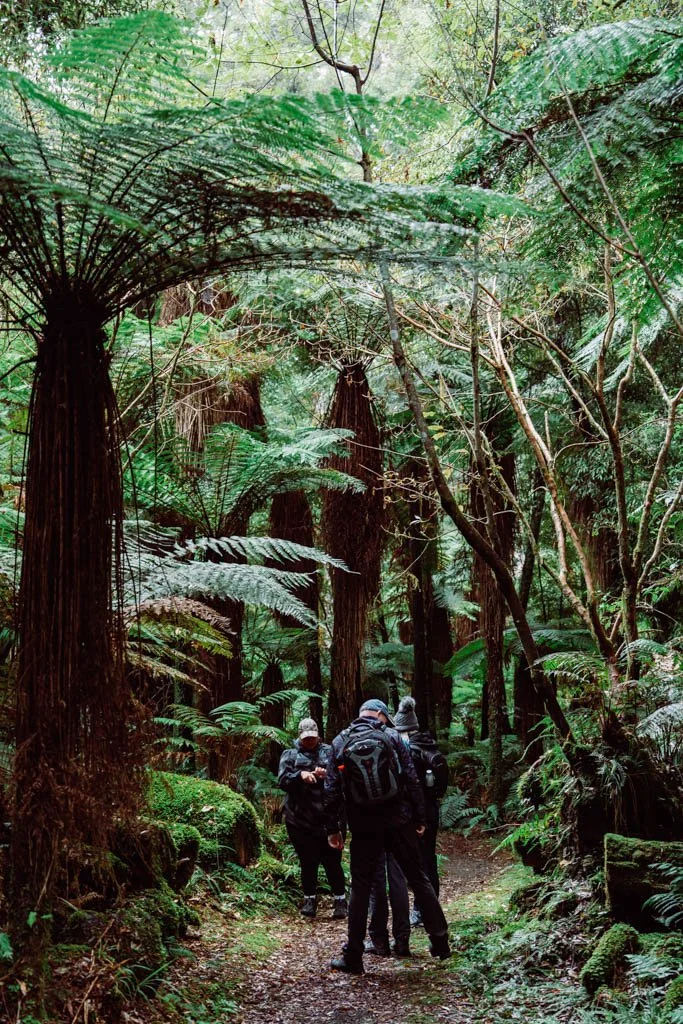
An offshoot of Kohutapu Lodge and Tribal Tours, a small, Māori family-owned cultural tourism business based an hour outside of Rotorua township, Whirinaki Forest Footsteps, was born from a deep connection to the ngahere, the forest.
For Māori, the forest is a source of sustenance, medicine, grounding, and healing. My guide for this tour, Destiny, said that for her, the forest feels like home.
The Whirinaki Forest Footsteps tour is an invitation to experience the forest, slow travel style; near the end of our walk, Destiny left us to sit quietly and observe the sights, sounds, smells of the forest around us, before calling us out of our reverie with song.
The tour begins in Rotorua and on the 90-minute bus journey out to the Whirinaki forest, Destiny spoke about the history of Māori people in the area. The road took us through the pine plantations of the Kaingaroa Forest, where we learned about what it means for Māori to be landlocked – having no physical access to land they rightfully own, without first getting consent. We passed by the Minginui Nursery, a native tree nursery established to help regenerate 640 hectares of pine plantation to native forest, and marae with carved meeting houses.
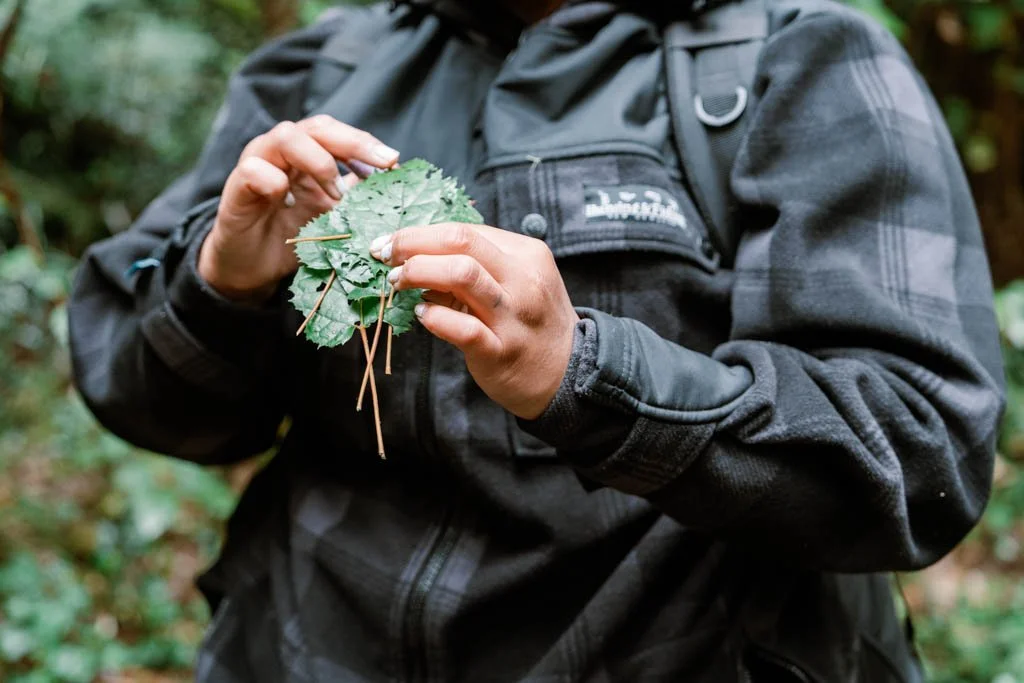
Leaves of the makomako plant, used to treat inflammation
On the two hour walk through the podocarp forest, Destiny spoke to us not only about the trees – how to identify them, their key characteristics – but also about traditional medicine, history, and local communities today. With only a small group, the experience feels intimate and unrehearsed; the six of us on the tour got a look at real life.
Destiny talked candidly about issues in her community, such as gangs, her own troubled past. Our driver Matua Hare spoke about bringing youth who had faced incarceration and substance abuse to the forest to reconnect with their culture.
Although difficult to hear, these were important reminders that although Māori traditions are celebrated in and around Rotorua, there are also forces working to suppress and dismantle Māori culture.
This makes the tour feel less like a transaction and more like an exchange. Choosing to go on these tours and support regenerative tourism is also a choice to support these communities; Whirinaki Forest Footsteps has created job opportunities and gives the local community a chance to engage with ngahere, the forest. Guides are all Māori and born and raised in local communities.
In exchange, you get to learn about Te Ao Māori, the Māori worldview and how it relates to the natural world.
The trip is a full day, lasting around 8 hours, so it’s immersive in a way more mass-market experiences in Rotorua aren’t. If you have a full day to spare, and the idea of learning about culture in a stunning natural environment appeals to you, I highly recommend this tour.
Te Puia
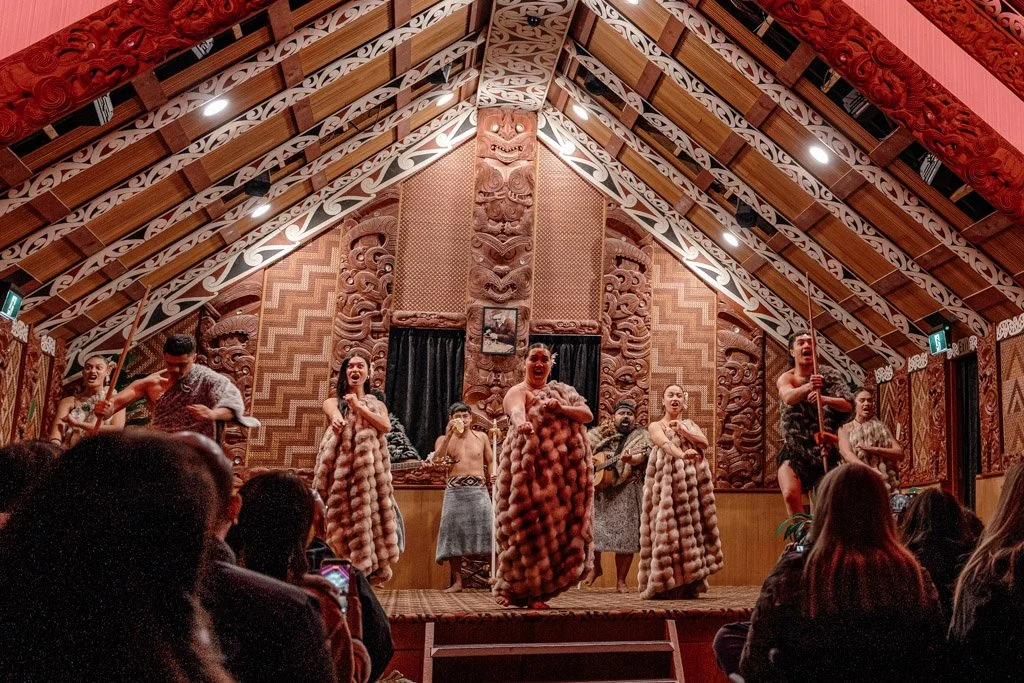
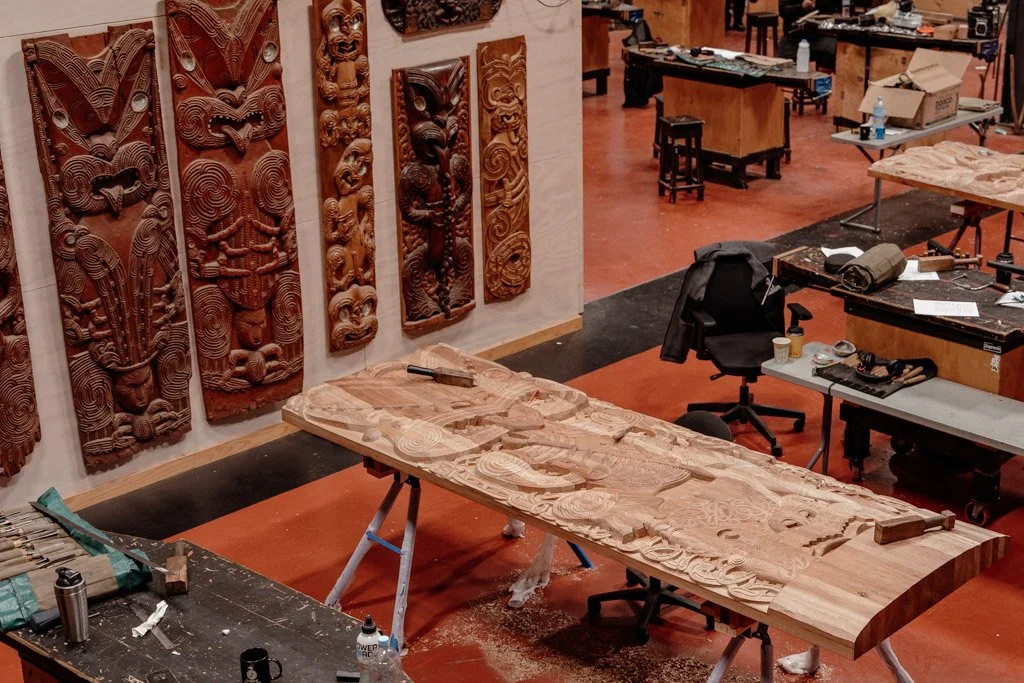
First established in 1963 as an institute for teaching and preserving traditional Māori arts and crafts, Te Puia is a pillar of Rotorua. Set in the Whakarewarewa geothermal valley, Te Puia is home to the mighty Pohutu Geyser, which regularly sends water shooting up to 30 metres high, along with the NZ Māori Arts & Crafts Institute (NZMACI), and a kiwi conservation centre. It’s a big operation, with many groups of visitors passing through each day.
The basic experience is a 90 minute guided tour on which you can see Māori artists and carvers at work, live kiwi birds, and erupting geysers (Te Rā Guided Experience). During the day, you can choose to add on a 30 minute cultural experience (Te Rā Guided Experience + Haka), and a hangi lunch (Te Rā Combo). In the evening you can start with the 90 minute valley tour, followed by a buffet dinner, a 45 minute cultural performance, and a hot chocolate down by the Pohutu geyser (Te Pō Combo), or skip the valley tour and just go for the dinner/performance/geyser by night (Te Pō Experience).
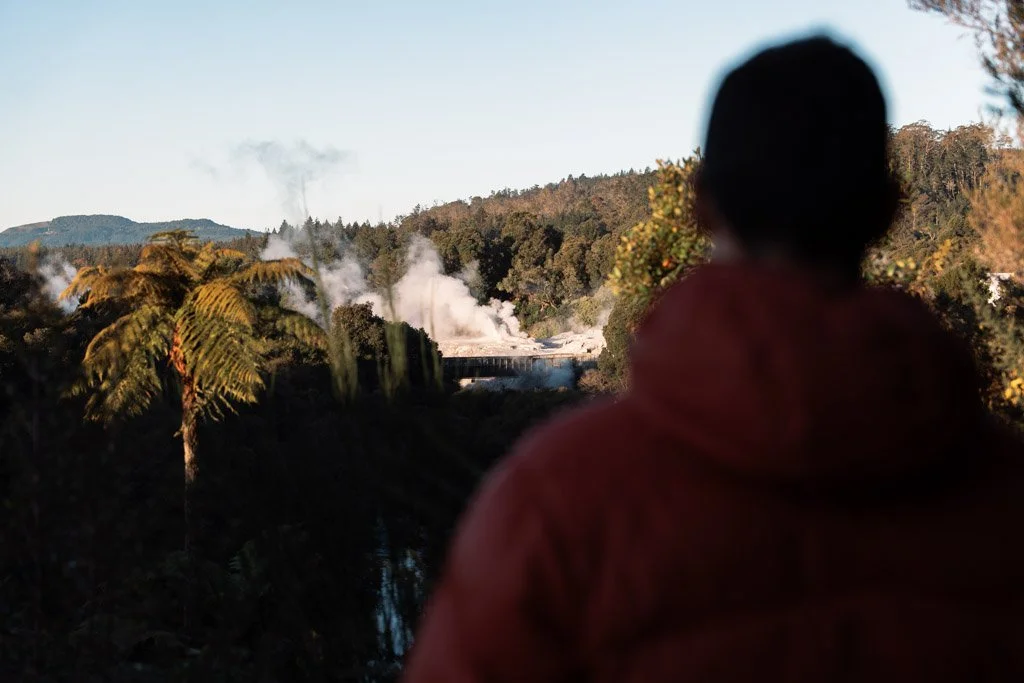
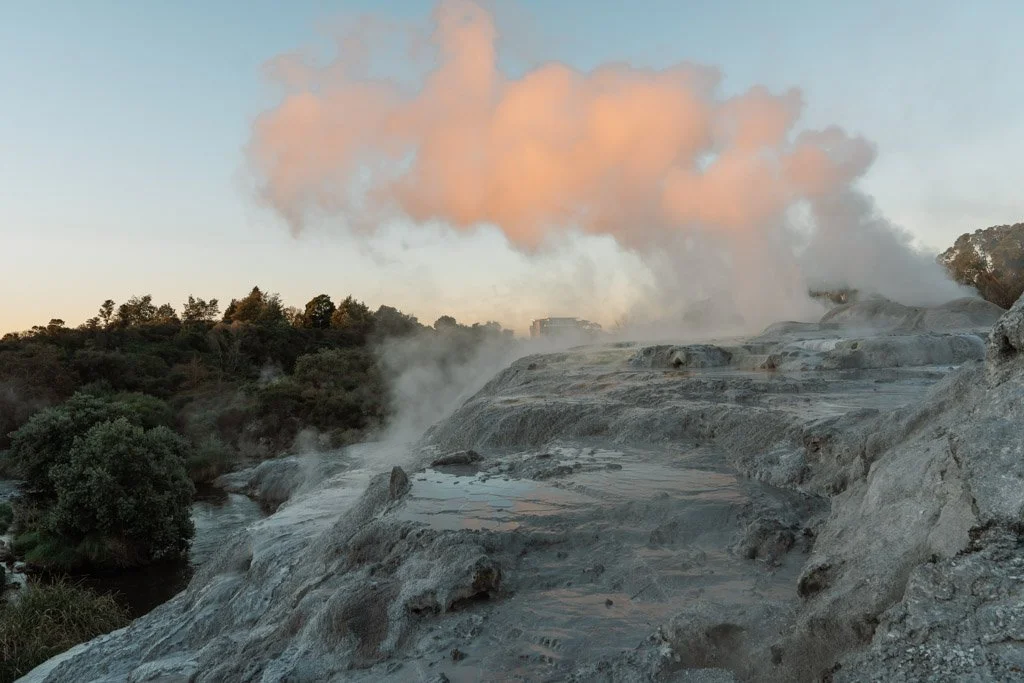
Visiting Te Puia does feel comprehensive, but seeing these the main attractions over the course of 90 minutes feels like you don’t get to dive into any of them in depth. We were shuffled quite quickly through the kiwi house and although the guide gave us free roam around the geyser area, it was only for around 15 minutes. The information given by the guide was also fairly surface level by necessity, as we hopped from one attraction to the next.
In all honesty, I don’t think it’s worth going just for the 90-minute Te Rā Guided Experience alone — it’s not very satisfying as a standalone experience. I visited for the Te Pō Combo, and appreciated the extra time.
The food was better than I expected – not life changing by any means, but it is a good chance to try some traditional Maori food; there is a range of hāngī meat and vegetables on offer, along with things like fried bread. As far as a buffet goes, it was pretty good. And the cultural performance was an excellent display of a traditional pōwhiri (welcoming) ceremony, waiata (songs), and haka.
My favourite part of the evening was sitting on the rocks heated by the geothermal energy beneath them, waiting for the geyser to blow while drinking hot chocolate and watching the billowing clouds of steam. I think I enjoyed it because it felt like the least structured part of the night, kind of just hanging out with our host Ihaka.
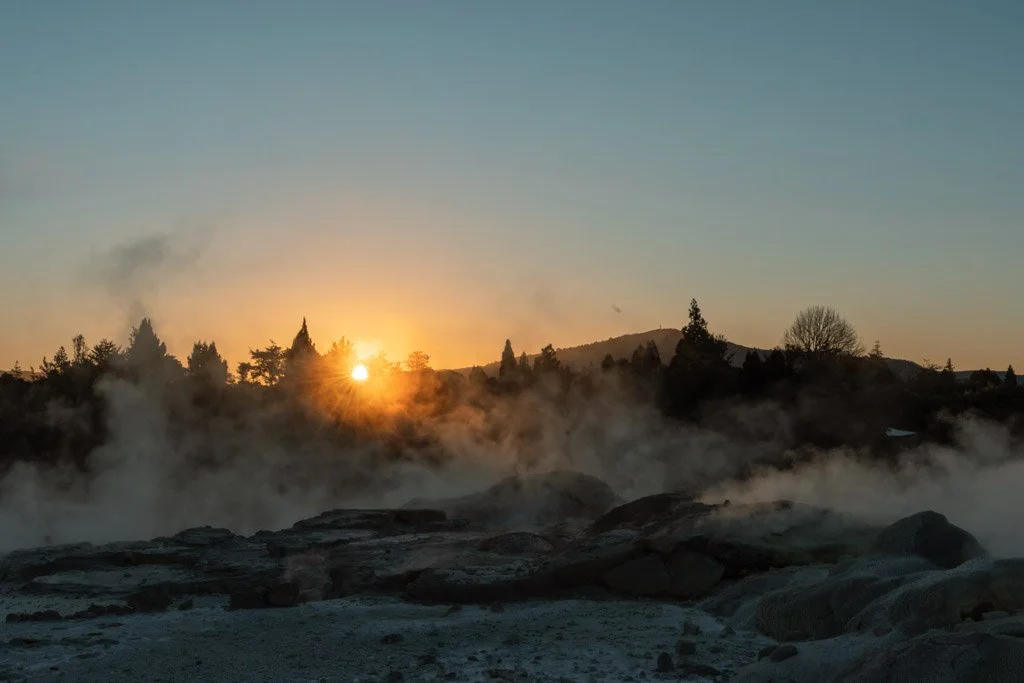
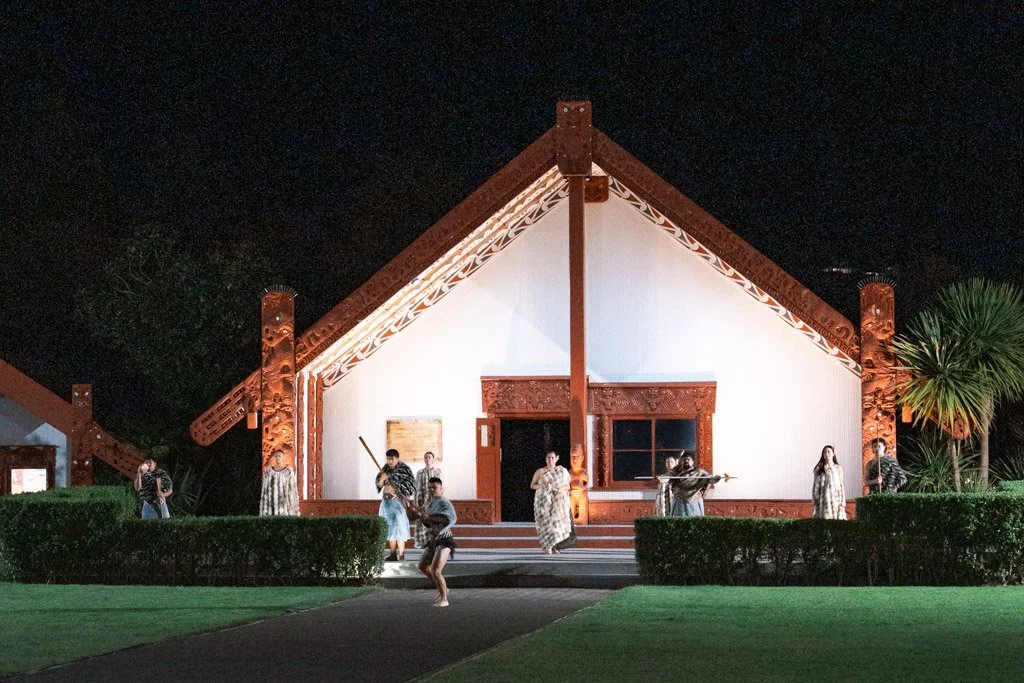
If you want to see a haka, taste hangi food, and see some geothermal activity into the bargain, Te Puia is a great choice. In terms of value for money, it’s hard to beat. Of the ‘dinner and a show’ options in Rotorua, this is the one I would go for. For me, the extra things like seeing a kiwi, and seeing the geyser both during the day and after dark, make Te Puia’s Te Po Combo feel more comprehensive than Te Pa Tu’s evening of dining and kapa haka performances.
The only caveat is that the whole experience skims across the surface of te ao Maori, and is only a small taster of local geothermal activity. If you have the time, a more in-depth tour (like Whirinaki Forest Footsteps) would complement Te Puia, as would a visit to another geothermal park.
The details
I recommend going for the Te Pō Combo
Te Pā Tū
From $290 per adult. I was kindly hosted by Te Pā Tū
LARGE GROUP | KAPA HAKA PERFORMANCES | HANGI FOOD | 4 HOURS
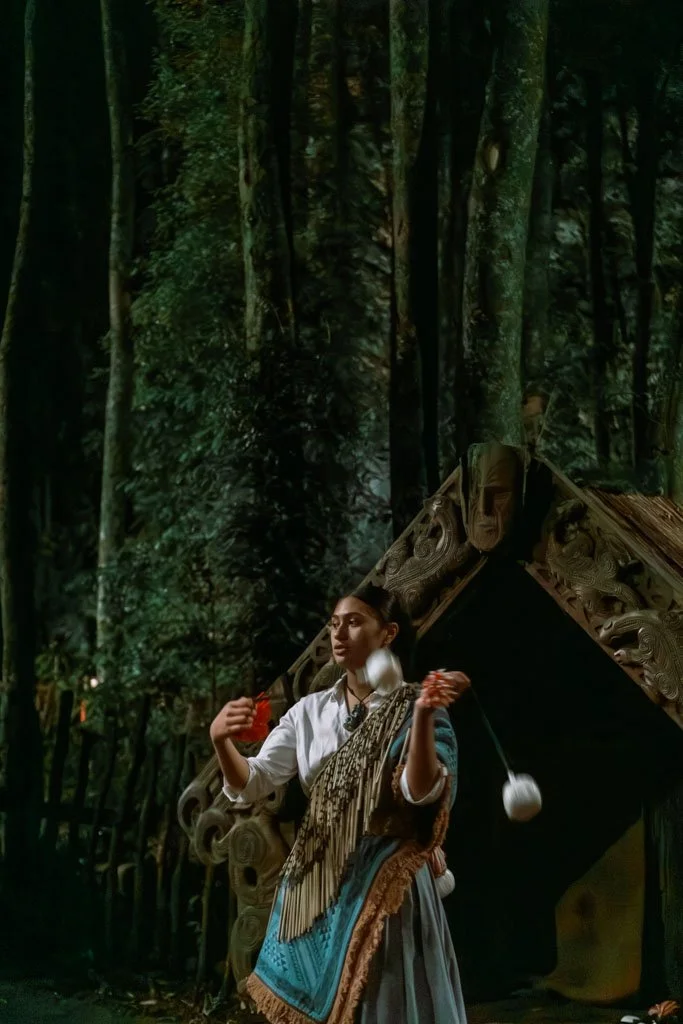
Te Pā Tū offers an evening experience that is ostensibly a dinner and a show; but with an interactive approach, it ends up being much more than that.
Guests are greeted with a pōwhiri (welcome ceremony), then invited to explore a recreated village; you can watch demonstrations of traditional dances, games, and carving in the forest setting, while enjoying canapes.
Take a peek at the hangi (an earth oven filled with hot stones with baskets of meat and potatoes on top) on your way to the dining room, to see how the food is prepared.
The three-course meal is family style, with heaped plates of food shared at each table (go hungry – there’s a lot). The smoky, steamed food from the hangi can be an acquired taste; try it anyway. One of the host's family members is stationed at each table, sharing food with guests and answering any questions.
Talented kapa haka performers sing and dance during the meal.
Overall, it’s a neat way to get a broad introduction to Maori culture, but I’m not sure the quality of the food justifies the price (no complaints about the quantity, though) and keep in mind that it is pitched at large groups, so it has something of a mass tourism feel.
Whakarewarewa Village
From $55 per adult, but deals can be found on BookMe
Admissions open daily 8.30am-3.30pm
VILLAGE TOUR | MID-SIZED GROUPS | 1 HOUR
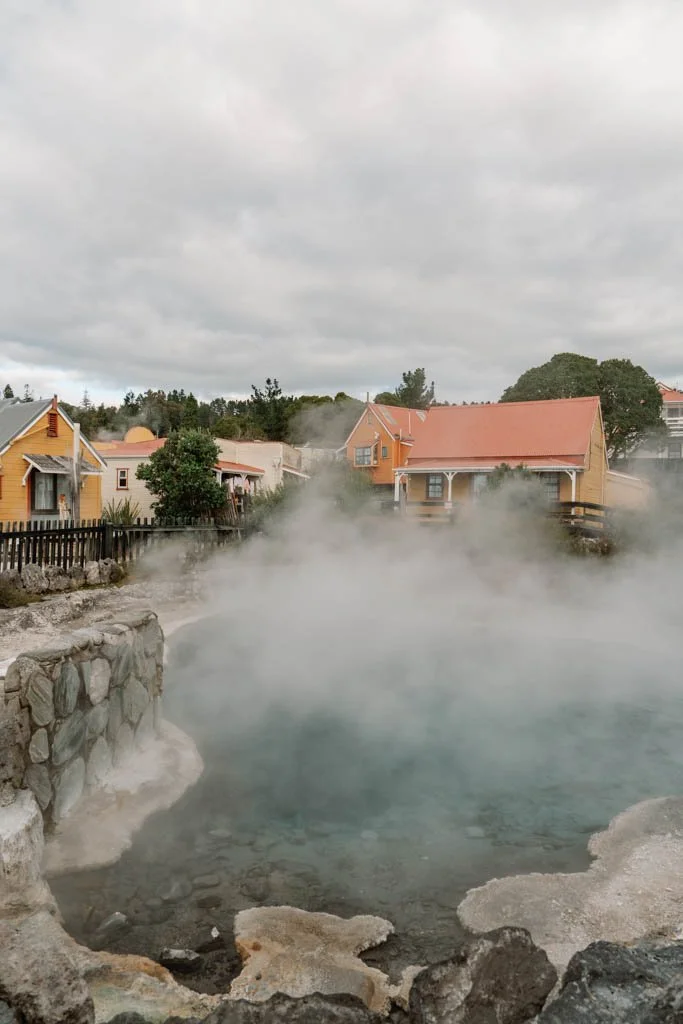
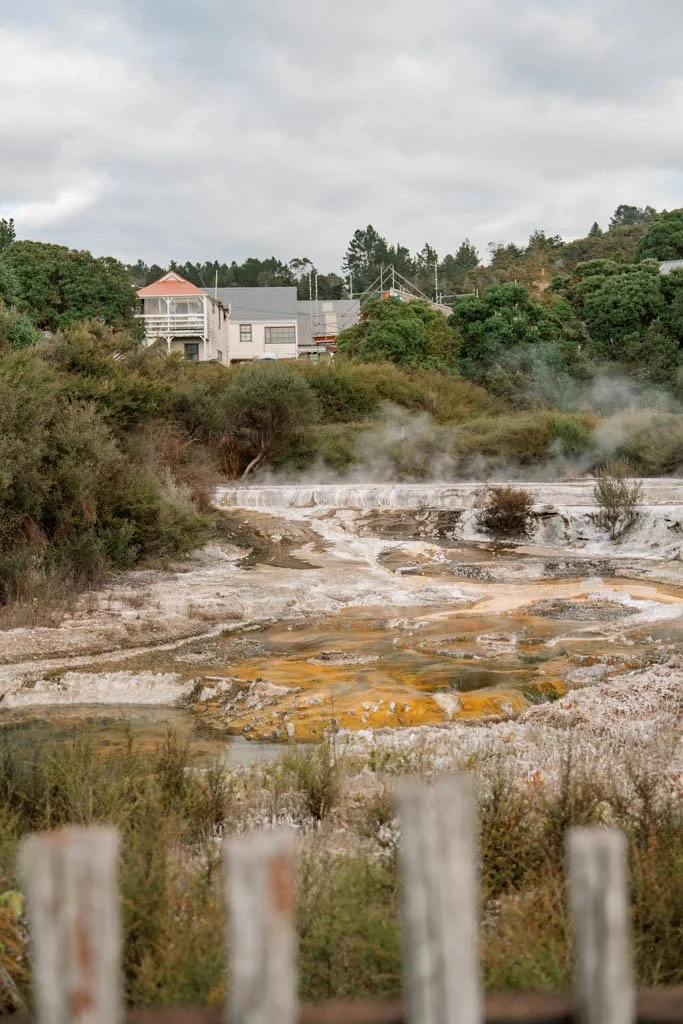
The Tūhourangi Ngāti Wahiao people have welcomed visitors to Whakarewarewa Village for around 150 years. My tour guide through the village, Kylie, was the fifth generation of her family to guide tourists through the spectacularly active geothermal field.
There’s no access to the village without a guide; tours run throughout the day with the last one at 3pm. The village is closed to the public at 4pm each day, so residents can go about their lives, including bathing nude in the communal baths.
The tour is a look at how the residents live amongst the pools of boiling water and vents of billowing steam – including where they bathe and cook in geothermal steam and boiling water. It’s also a glimpse of how the village is slowly crumbling; one by one, houses are becoming uninhabitable as sinkholes and steam vents open up in the ground, and their owners are leaving.
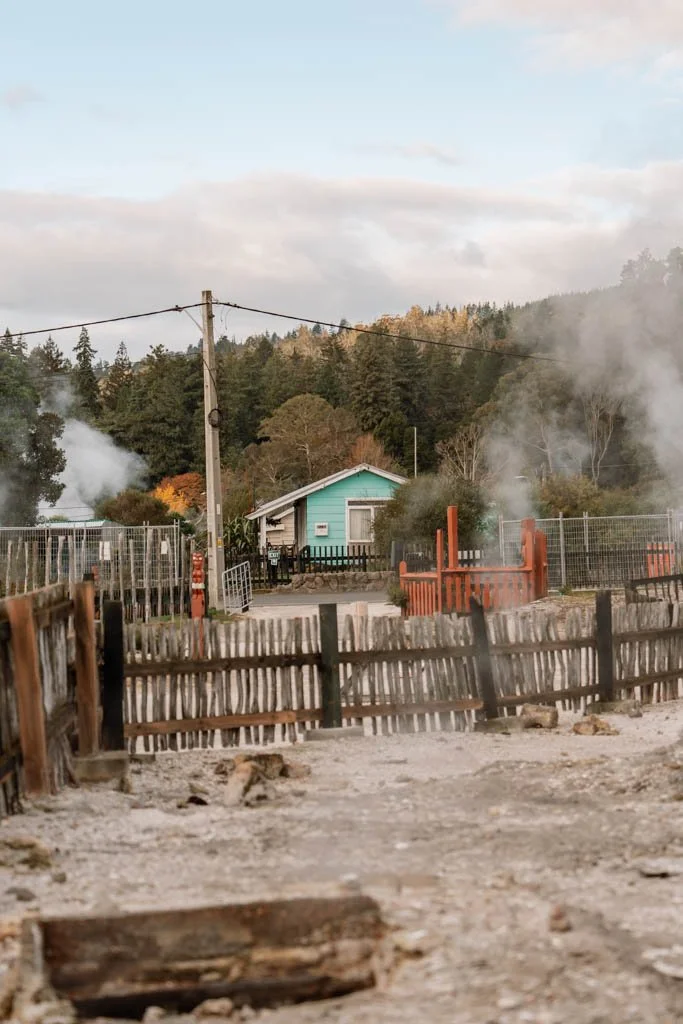
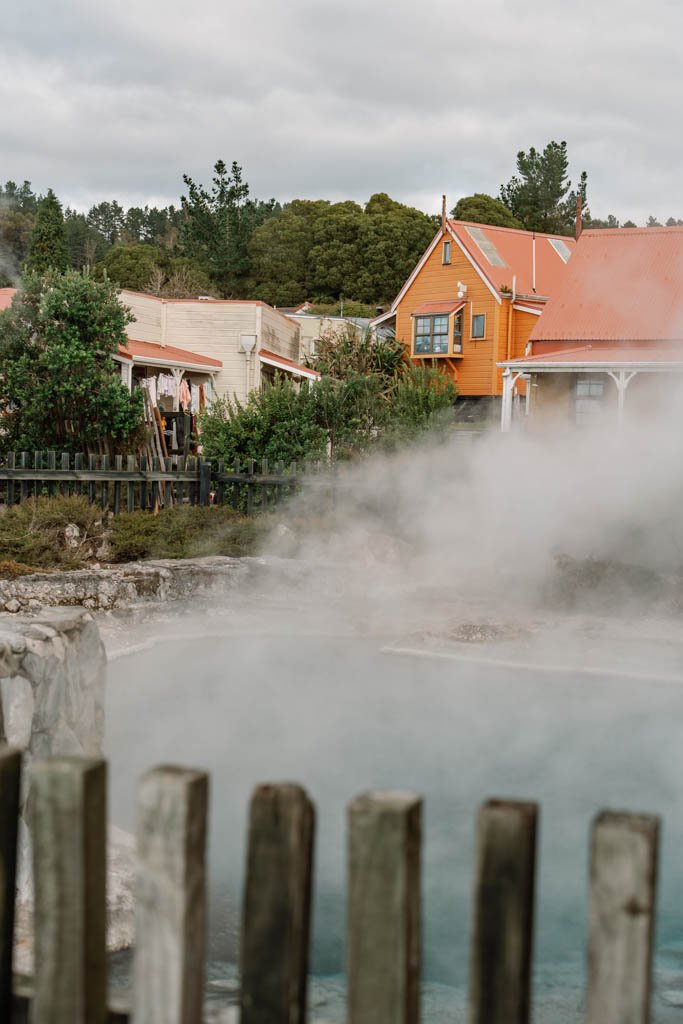
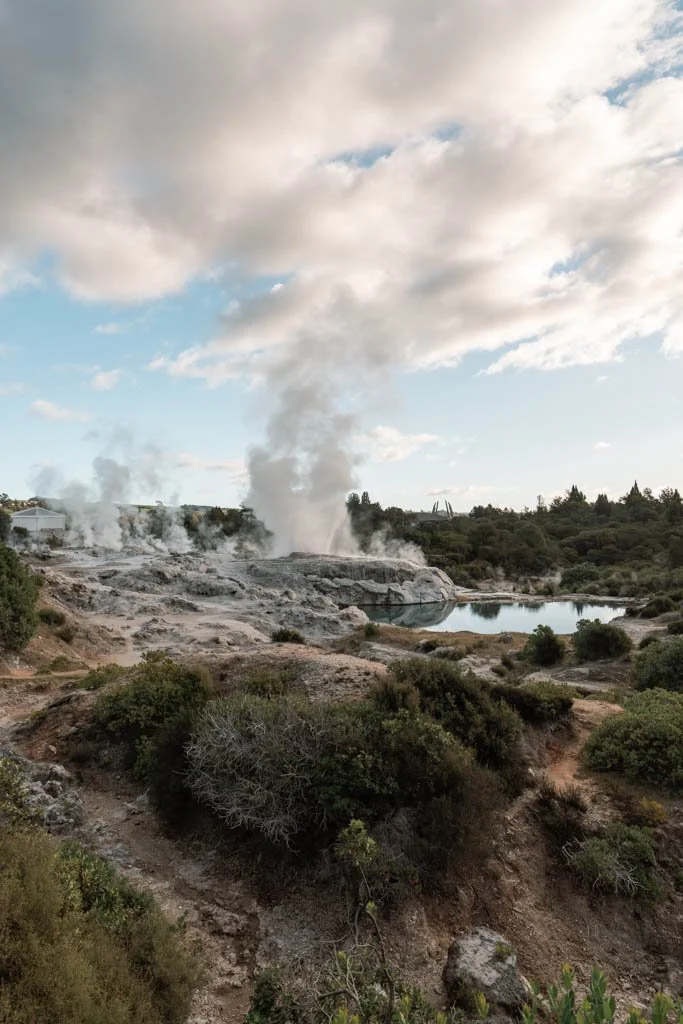
Tours run for a little over an hour, with opportunities to ask questions along the way. Groups are fairly large, though (up to 30 people) and it did feel like a quick whip around the key sights. The focus is also more on life in this geothermal area rather than on Māori culture more broadly (although you can opt to stay for a kapa haka performance. I only visited for the village tour).
Maybe I’m nosy, but I loved learning about everyday details like how many of the houses in the village don’t have hot water piped in – it comes exclusively from the hot pools, via bucket.
A highlight is the view across to the Pohutu and Prince of Wales Feathers Geysers, which also feature as part of Te Puia (Whakarewarewa and Te Puia share the same geothermal field).
The village also offers self-guided geothermal walking trails, but you can’t see the geysers (easily the most impressive feature of this geothermal area) on those walks – there’s plenty of geothermal activity on display during the village tour, so I would save your money for the guided walk.
Hell’s Gate
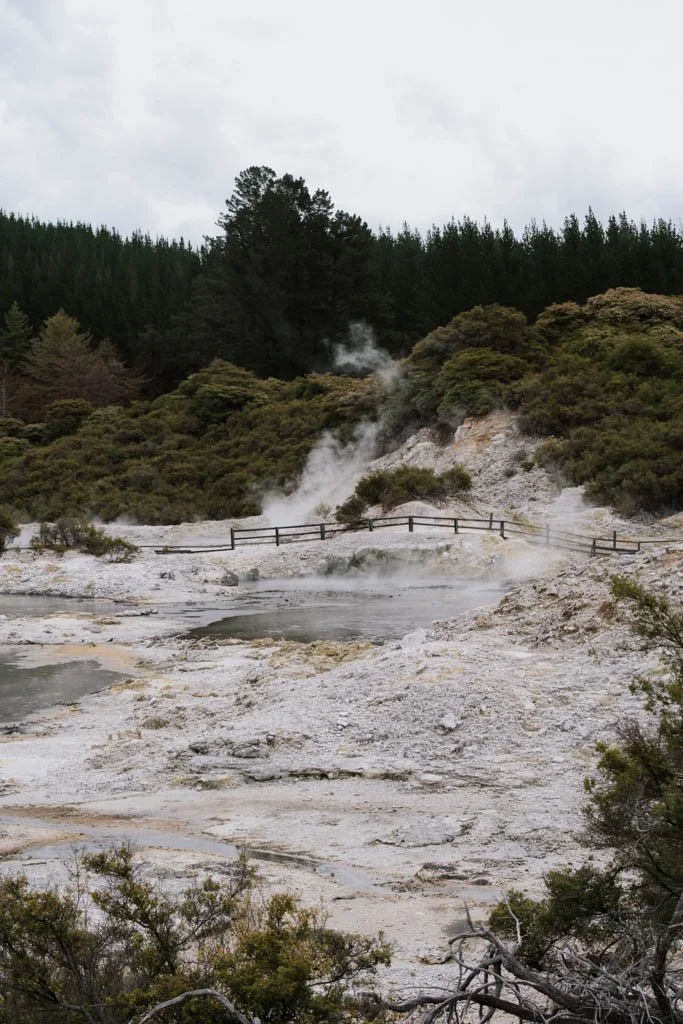
Although primarily a geothermal reserve, Hell’s Gate also weaves in Māori history of the area.
Go for the Hell’s Gate Experience option (essentially combining a guided walk through the geothermal area with the mud spa) and your guide will talk you through how Maori in the past used the thermal waters for healing battle-scarred bodies, and for cooking and bathing.
There’s also the chance to have a go at Māori carving, which is a nice experience.
And, of course, you get to enjoy the mud spa as well.
Ōhinemutu Māori Village
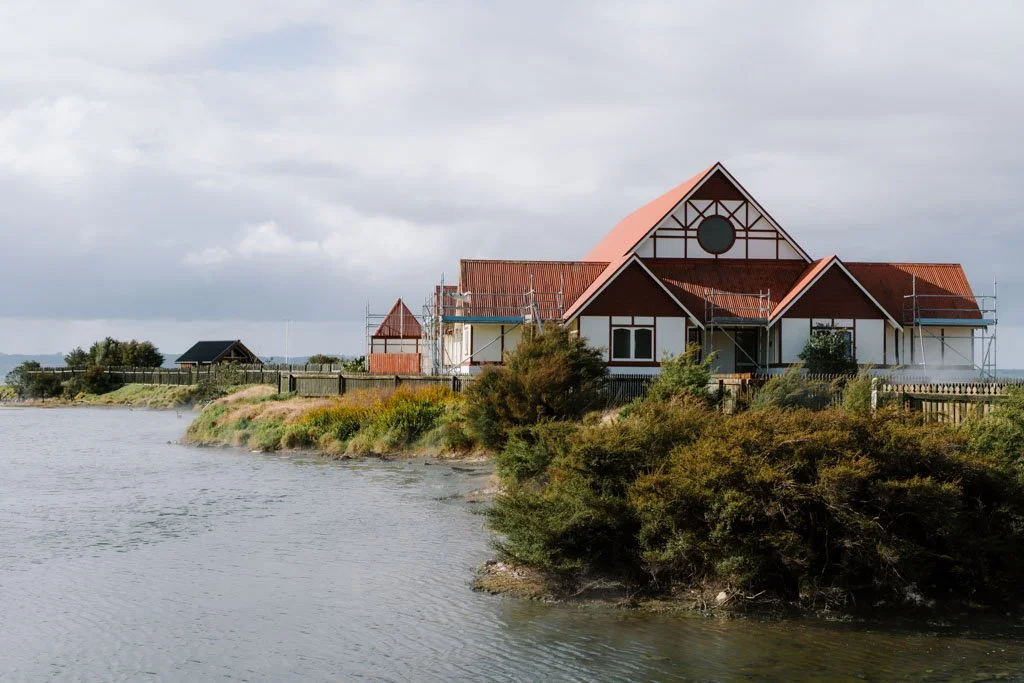
Unlike Whakarewarewa Village, there are no gates or entry fees for Ōhinemutu; you can wander freely (although respectfully) around the lived-in lakeside Māori neighbourhood.
To get there, start at Rotorua’s War Memorial Park and turn left along the lake shore, continuing until you see the Tama-te-Kapua meeting house at the heart of Ōhinemutu – you can’t miss the building with its exquisite carvings. St. Faith’s Anglican Church, across the square, is another standout building, decorated with whakairo (carvings) and tuktuku (woven panels).
The village has plenty of visible geothermal activity; the boiling pools and steam vents are still used for cooking

AUTHOR BIO
I’m a freelance travel writer from New Zealand with bylines in National Geographic Travel, Conde Nast Traveler, Travel + Leisure and more.
I’ve travelled up and down beautiful Aotearoa and I love sharing my recommendations for the best places to visit in New Zealand.
READ MORE