Where to go in New Zealand on your first visit
These are the places and things I recommend for first time visitors — from mountains, to glaciers, to sea
Disclosure: There are affiliate links in this article, which means I may make a small commission if you book through those links. Thanks for your support.
I’ve been travelling around New Zealand for years and there are still places I haven’t seen; my list only ever seems to grow longer, instead of shorter. On my list at the moment is Banks Peninsula for the glamping stays (like the Bearded Poet), wildlife and hiking. Then there’s Rakiura/Stewart Island, the Lake Dunstan cycle trail, and the overnight boat trip on Milford Sound.
So, I understand the struggle of narrowing down what to see on your first visit, when you only have a short time. Hopefully I can help you select a few good options for your first visit. Or at least start to get the lay of the land and figure out how to piece your itinerary together.
The list of destinations below all fit into an itinerary from/to these hubs, and they are all places that truly stand out to me. However, these places come with the caveat that they are among the busiest to visit, as they are so popular. I would also encourage you to mix in a few lesser visited places as well, so you get a balance of touristy/busy and quieter.
None of these places are absolute ‘must sees,’ or ‘unmissable.’ You can see some, or all of them — either way you’ll have a great time. Don’t stress about seeing everything, just pick a couple of places that really draw you in.
The best way to experience New Zealand is on a road trip — read my car rental comparison, or check prices on Discover Cars »
Planning your itinerary as a first-time visitor
New Zealand is not a country you can easily see in a short amount of time. Attractions are somewhat spread out; this is a bigger country than many people realise – comparable in size to Italy, or Colorado. Getting from one place to another takes up a lot of time, thanks to narrow, winding roads in addition to the distance.
There are few places worthy of acting as a base for more than a few days (Queenstown would fit this description; possibly Rotorua in the North Island). Generally speaking, 2-3 nights in each location is more than enough, so your itinerary will look like several stops strung together. Piecing everything together in a logical way is the biggest challenge of visiting – but it’s also what makes New Zealand prime for a road trip.
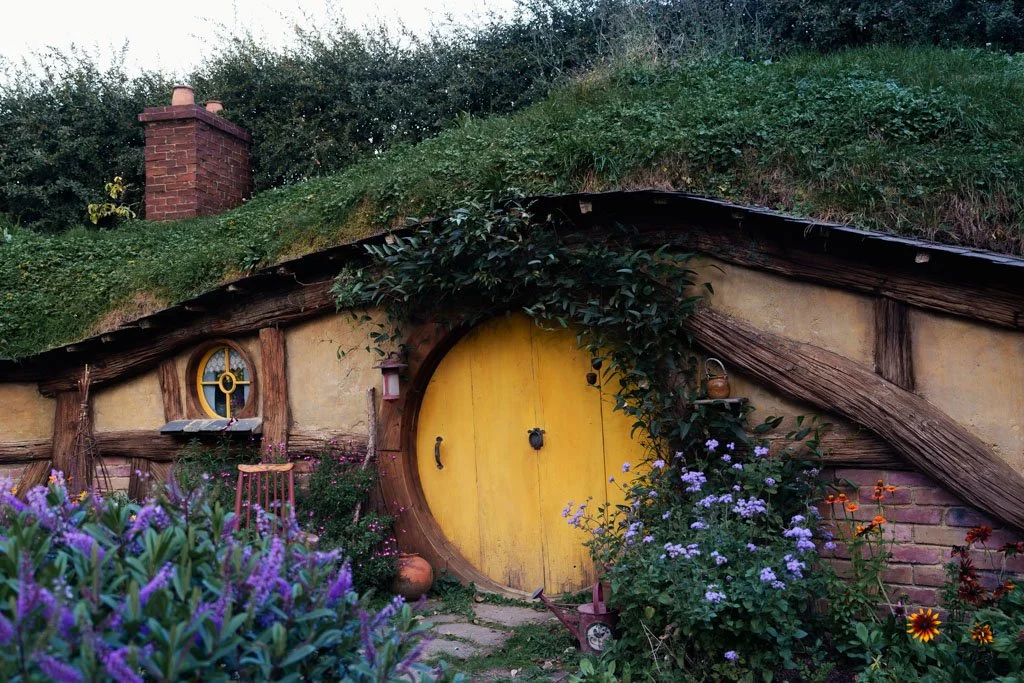
If you only have a week or less, you might be best served by sticking to the North Island’s highlights – a loop of Auckland, Waitomo, Rotorua, and Hobbiton is manageable in a short space of time. Alternatively, you could hop straight to Queenstown and spend your time there – it’s the best location in New Zealand if you want to have one single base, using day trips to explore the wider area. There are so many day tours in Queenstown you can even avoid renting a car, something which is challenging in New Zealand.
In two weeks, you could touch on both the North and South Islands, but you’ll likely be limited to the highlights of both (for example, Auckland, Rotorua, Queenstown, Fiordland, Aoraki Mount Cook). If you want to reach some of the more remote corners of the country, you’d be better off spending the whole two weeks on either island – in the north, that would grant you time to reach the Far North, or Taranaki. In the South, you can do a loop of the South Island in two weeks, heading to Kaikoura, Abel Tasman, and the West Coast, which will give you a little more diversity.
Domestic flights cut down on travel time, but only link bigger centres (for example, you can hop on a direct flight from Rotorua to Christchurch, but not to Queenstown). I would only attempt to drive the length of the country if I had more than three weeks at my disposal; it’s a long way, and the ferry services between the islands can be disrupted by weather or breakdowns.
If you’re lucky enough to have four or more weeks, New Zealand is your oyster. Having the time to get into the lesser explored corners of the islands is bliss. Having a campervan for a trip of that length is even better, as you can leave your itinerary open and plan on the fly. If you’re in a car, you can still keep things somewhat flexible so long as you’re travelling outside the Christmas-mid January madness.
Get itinerary help
If you are feeling very lost and struggling to decide where to go for your first New Zealand trip, feel free to reach out to me. I offer itinerary planning consultations, which is essentially an hour or two where we talk through your trip and I help you map out your itinerary.
If you don’t have the budget for a consultation or just have a couple of smaller questions, feel free to contact me and I’m happy to help anyway.
Waiheke Island
Auckland’s island of wine
If you’re arriving — or departing — on a long haul flight, you’ll probably be weighing up the question of whether or not to stop in Auckland. New Zealand’s largest city is a vast urban sprawl, with enough excellent restaurants and shopping that you won’t get bored if you stop for a night (which I usually recommend; driving after a long flight can be dangerous).
However, if you don’t mind taking just a few more modes of transport, I encourage you to look into spending your Auckland stop over on Waiheke Island, instead of in the centre of the city.
Waiheke is a 40-minute ferry ride from downtown Auckland. It’s very straightforward to get to, even if you’re still disoriented from a flight (from the airport, Uber to the Britomart ferry terminal, then hop on the next ferry. Fullers ferries run almost hourly and you don’t need to book a time, just line up and jump on the next available boat).
This easy access makes it an ideal place to spend your first (or last) day in New Zealand. Waiheke operates on true island time, so once you’ve escaped the bustle of the ferry terminal, you’ll be almost obliged to slow down and relax.
Of course, you can also visit for a day trip, but one or two nights will let you really embrace the island life.
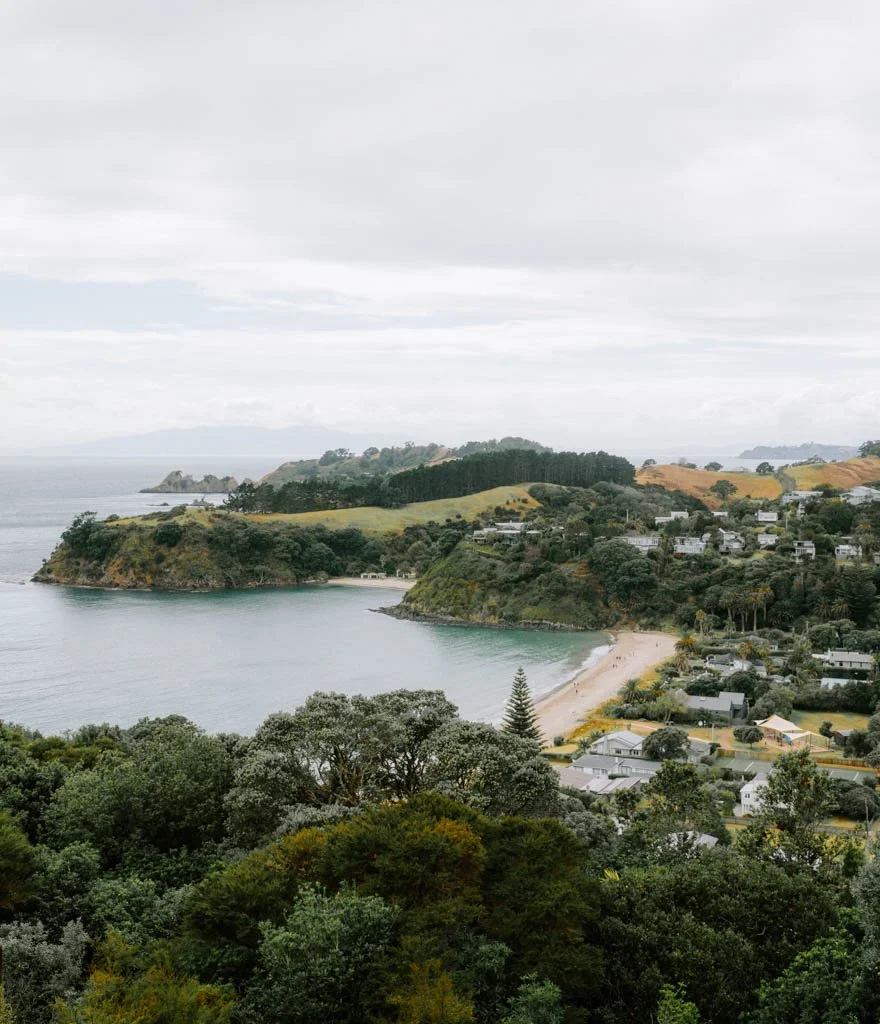
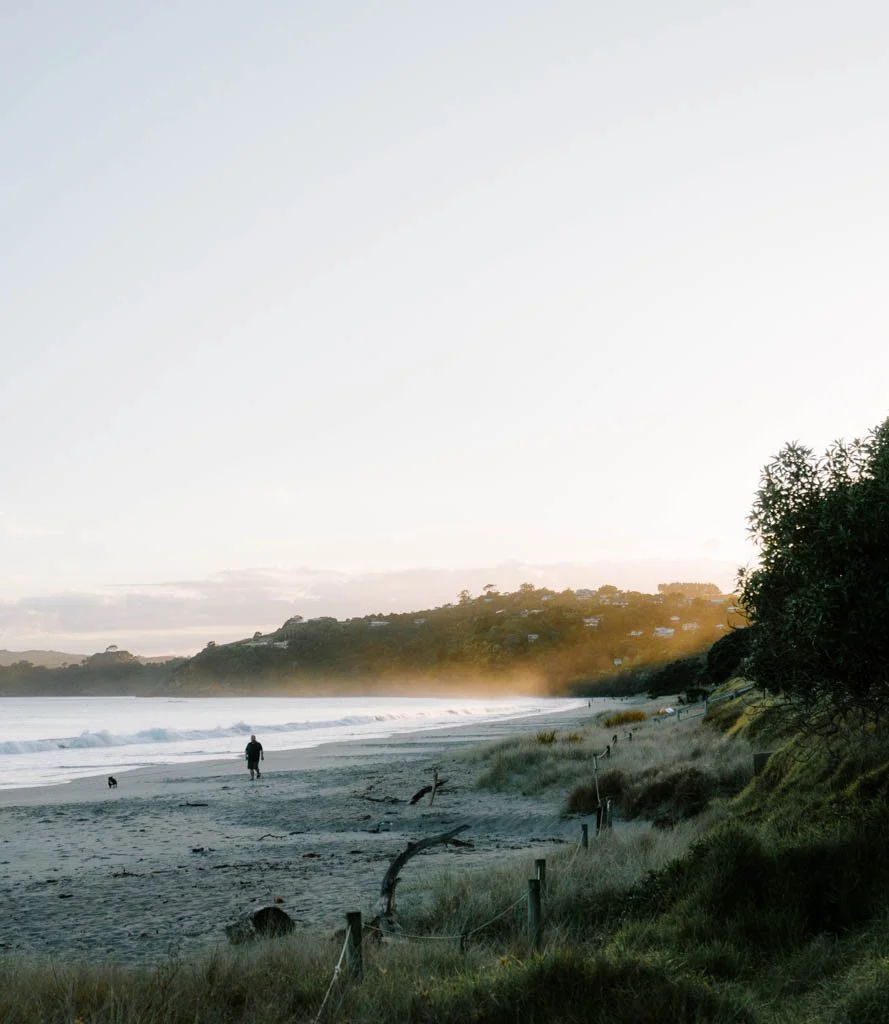
Waiheke is famous for its vineyards, but it also has beautiful beaches, walking trails with sea views, some lovely little markets and galleries, and an abundance of restaurants where you can eat oysters harvested from the island’s waters. The slow pace of life and creative, bohemian population (in amongst the ultra-wealthy and their lavish holiday homes) make Waiheke a seductive place.
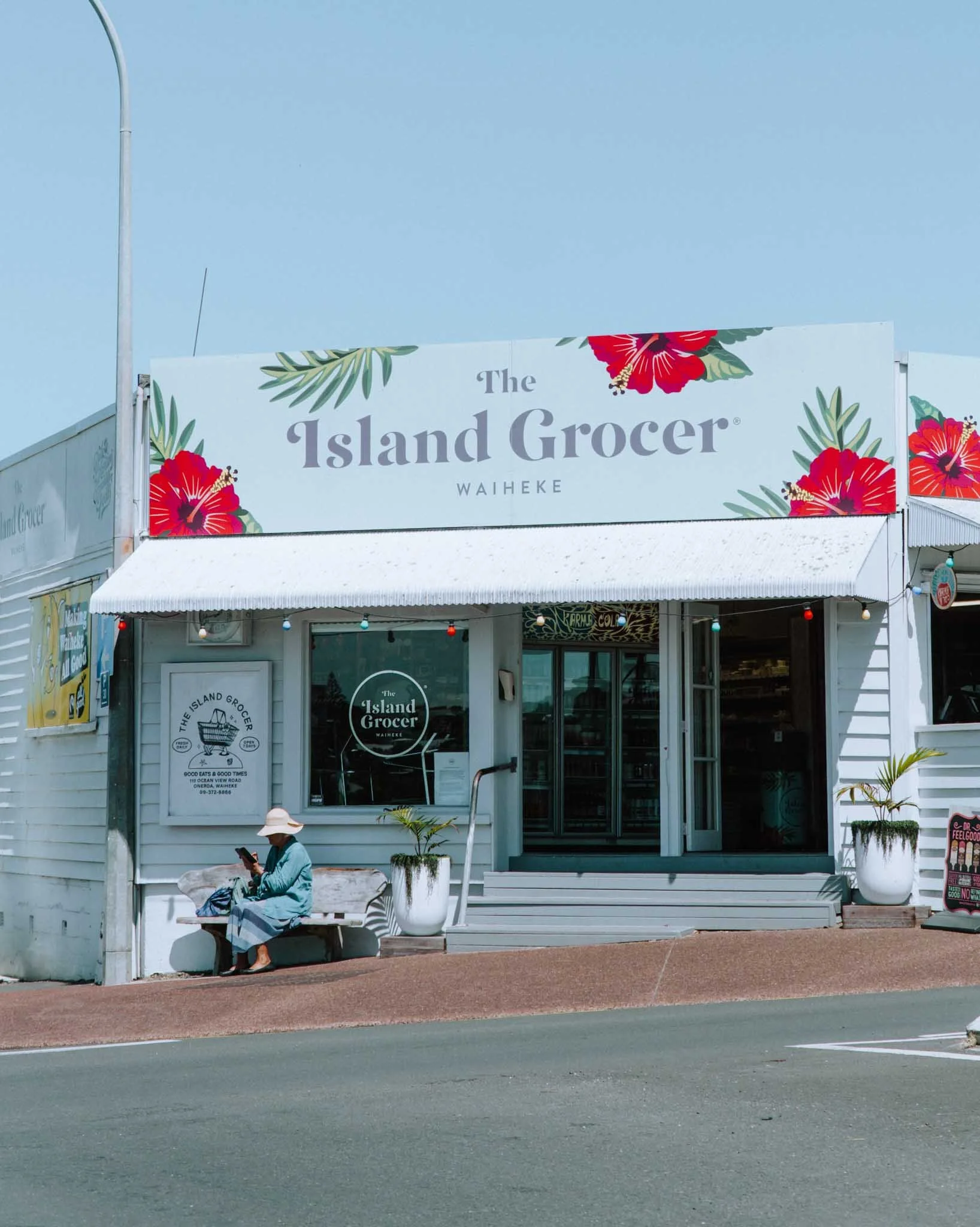
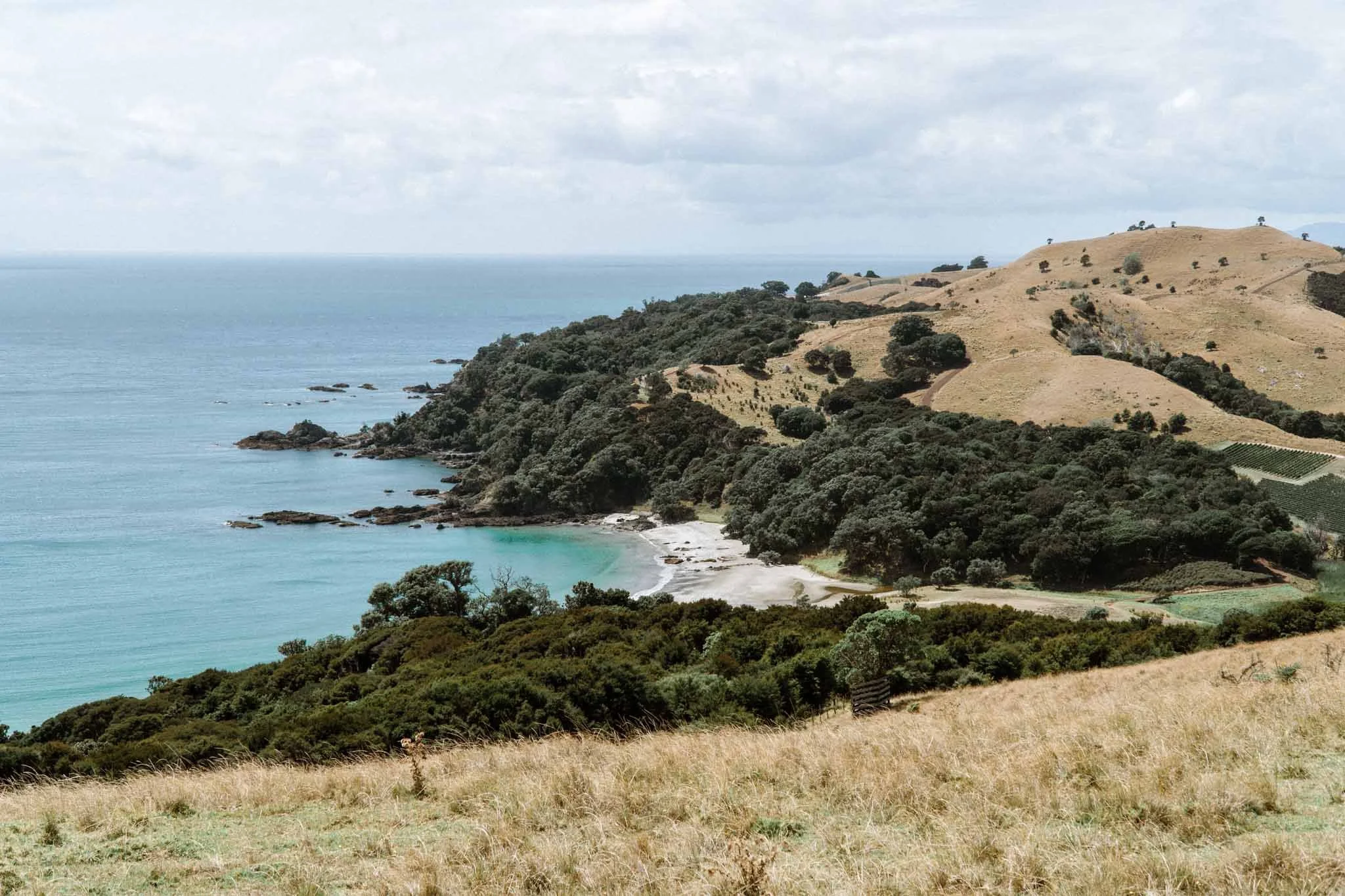
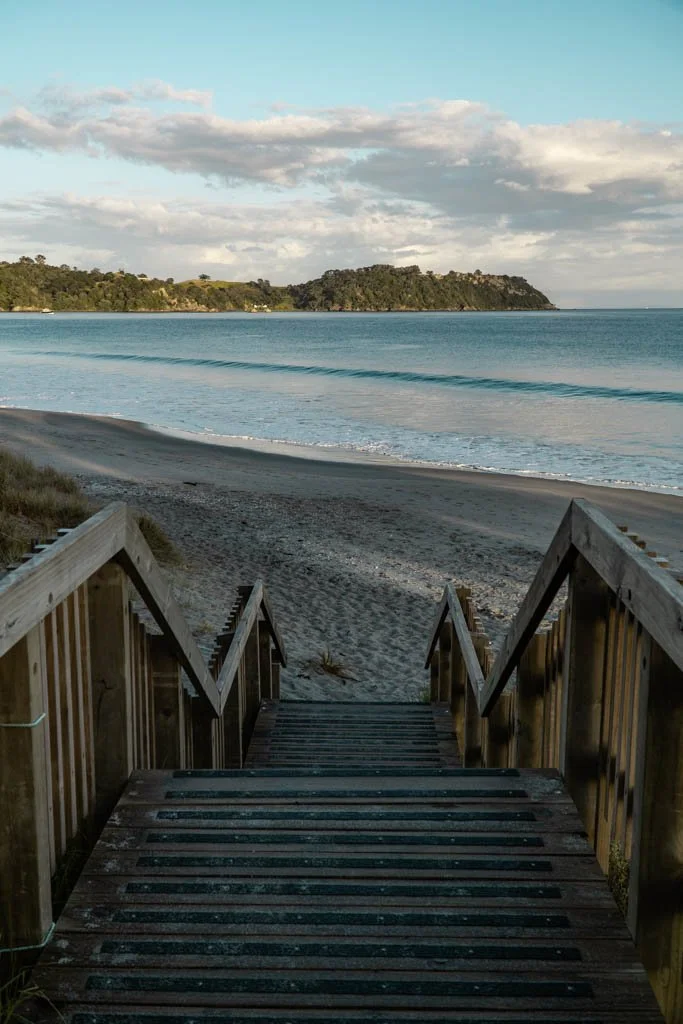
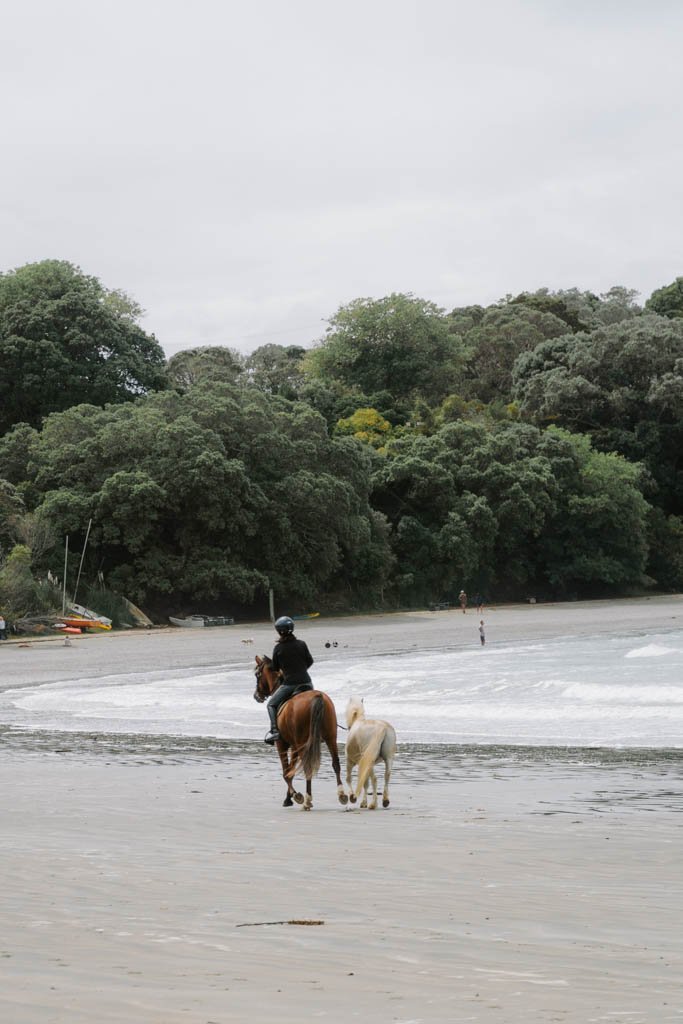
Waiheke Island highlights
Take a wine tour; I recommend going with Kiwi Connect, a small local company, because they like to strike a balance between seeing wineries and scenic places.
How to visit Waiheke Island
Waiheke makes for an easy day trip from Auckland. It’s also a nice place to spend a night or two.
If you’re aiming to explore the vineyards, the easiest way to get around is to book a wine tour.
You can catch public buses around the island, by just tapping on and off with your credit/debit card. They go past many of the more popular vineyards, like Tantalus and Te Motu, so you can visit one or two vineyards (there are several clustered together so you can easily walk between them) and stop for a lavish lunch somewhere.
Rotorua
For geothermal activity and Maori cultural experiences
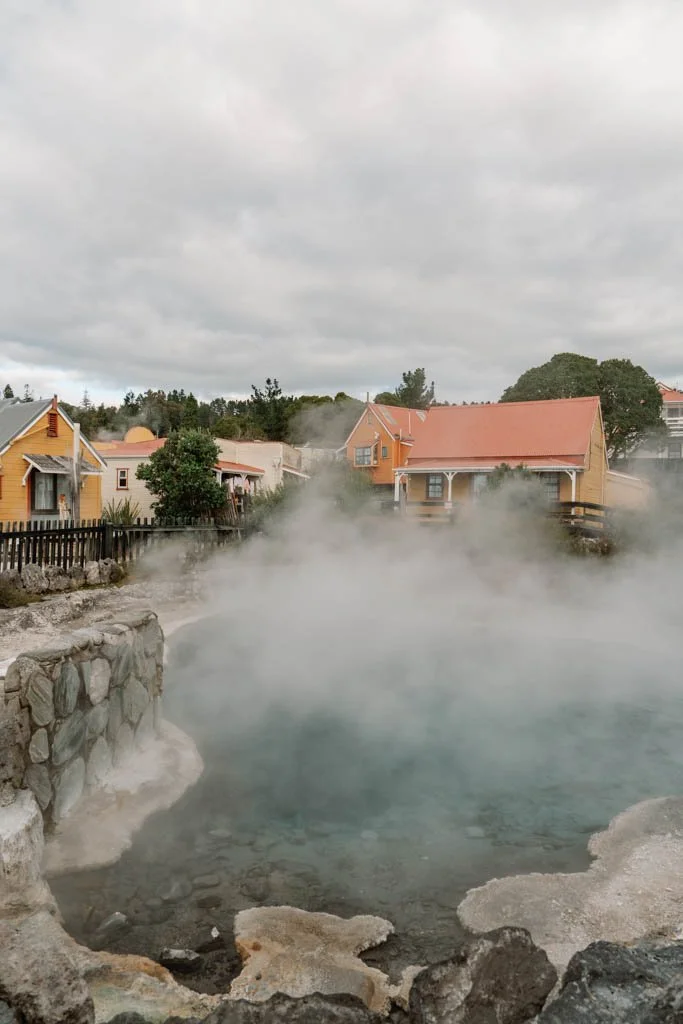
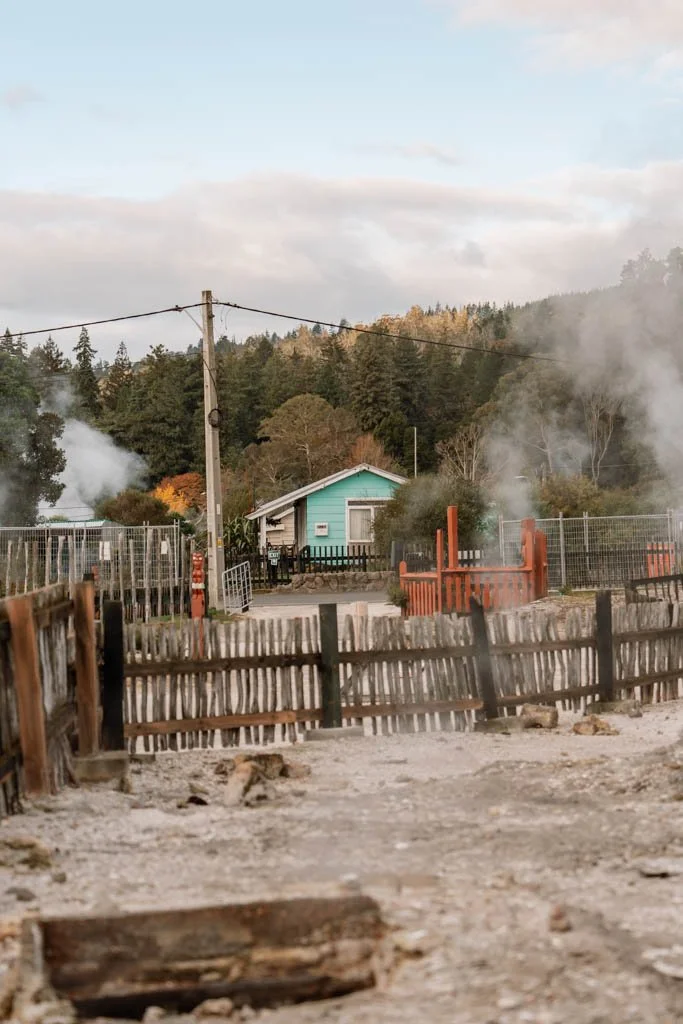
In Rotorua, the fabric of the earth feels thin. Steam, hot water, and boiling mud simmer right below the surface, and in many places, burst through. There must be few towns in the world that reek of sulphur the way Rotorua does, or that have scalding steam surging from storm drains. Sulphur-tinged moonscapes, mud volcanoes, and gushing geysers are all evidence of the heat beneath our feet trying to tear holes in the earth.
The bounty of naturally hot water means the area is layered in Māori history and legends – since their arrival in Aotearoa during the great Polynesian migration of the late 13th century, Māori settlers made use of the hot pools for cooking, bathing, and healing.
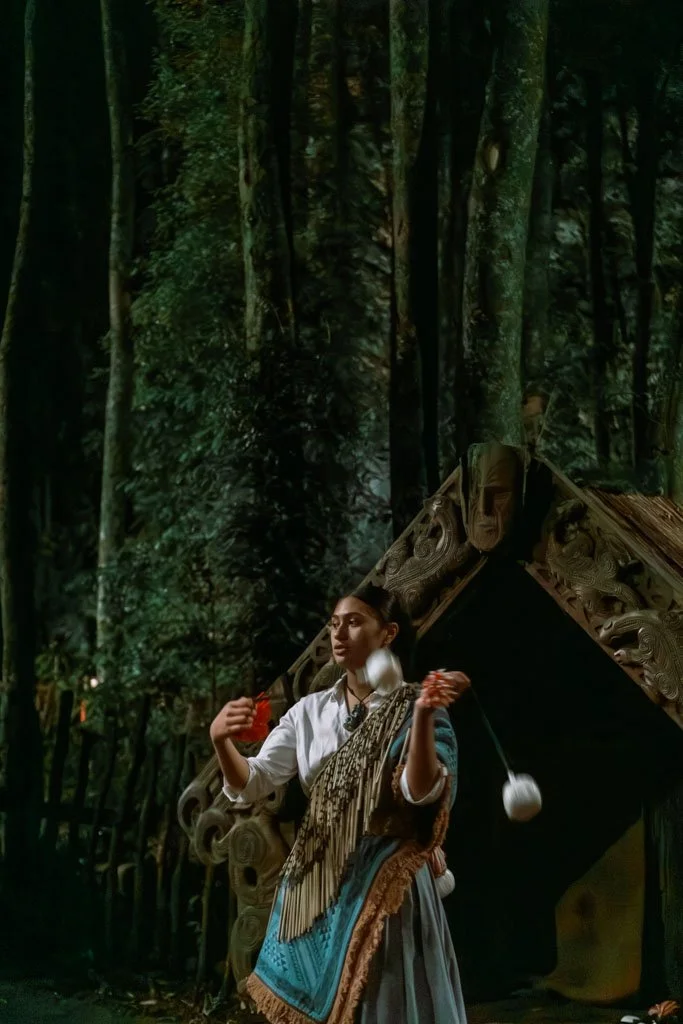
A performer at Te Pā Tū
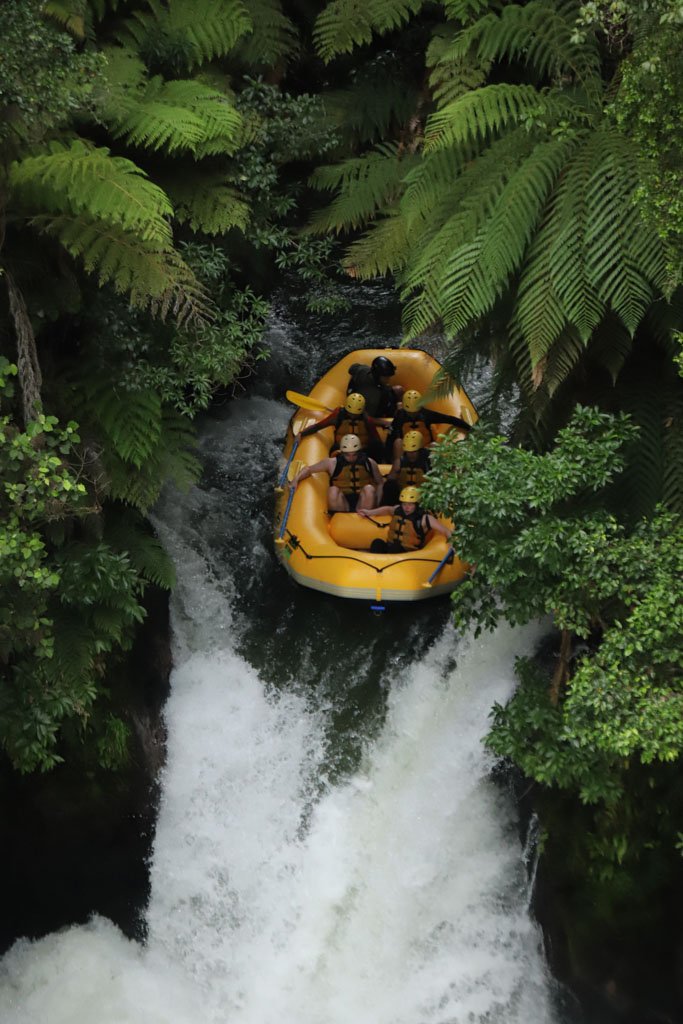
Rafting the Kaituna River
After Europeans arrived, they too were lured in by the geothermal phenomena. The local Te Arawa people became guides, sharing with visitors their cultural traditions, stories, and hospitality as well as the geothermal landscapes.
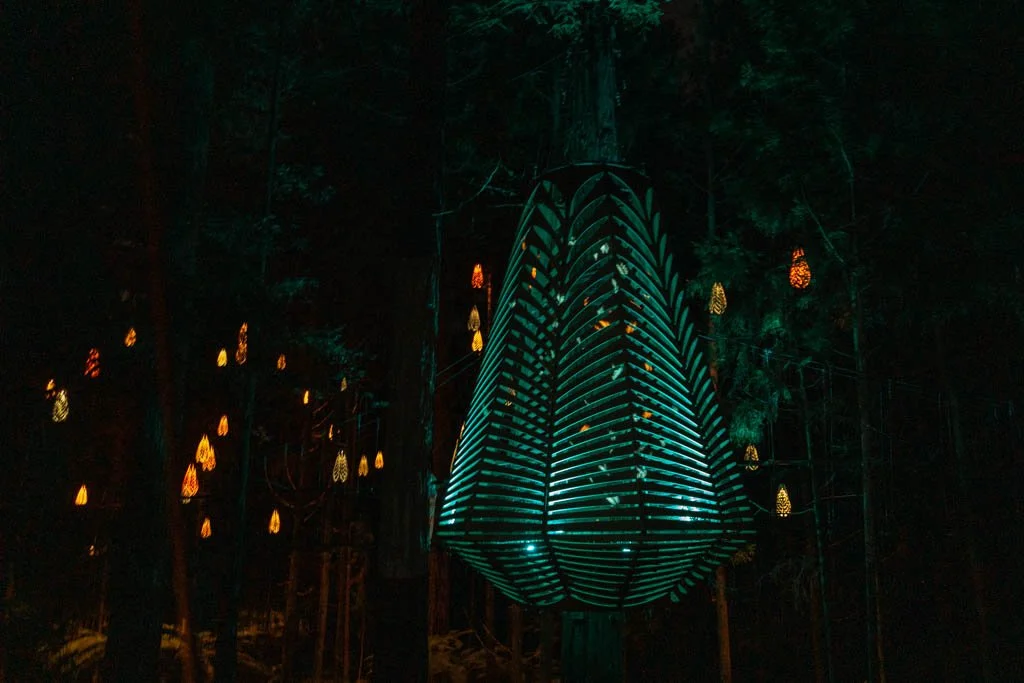
To this day, Rotorua is the best place in Aotearoa New Zealand for travellers to get an introduction to Māori culture. It’s still one of the best places to visit full stop. As well as cultural and geothermal attractions, there’s lakeside hiking, whitewater rafting, and mountain bike trails. And the luge.
Rotorua highlights
Enjoy an evening of kapa haka (traditional song and dance) and hāngī (traditional Māori food) at Te Pā Tū
For a more immersive cultural experience, join Whirinaki Forest Footsteps for a rainforest tour
Walk through Waimangu Volcanic Valley
How to visit Rotorua
Rotorua is only three hours driving from Auckland, near both Hobbiton and Taupo — for longer North Island itineraries, you can add in all of those stops, along with Tongariro National Park and Waitomo Caves, in the west of the North Island.
For shorter North Island trips, you can do a triangle of Hobbiton, Rotorua, and Waitomo Caves before returning to Auckland.
Waitomo Glowworm Caves
For glowworms and surreal underground adventure
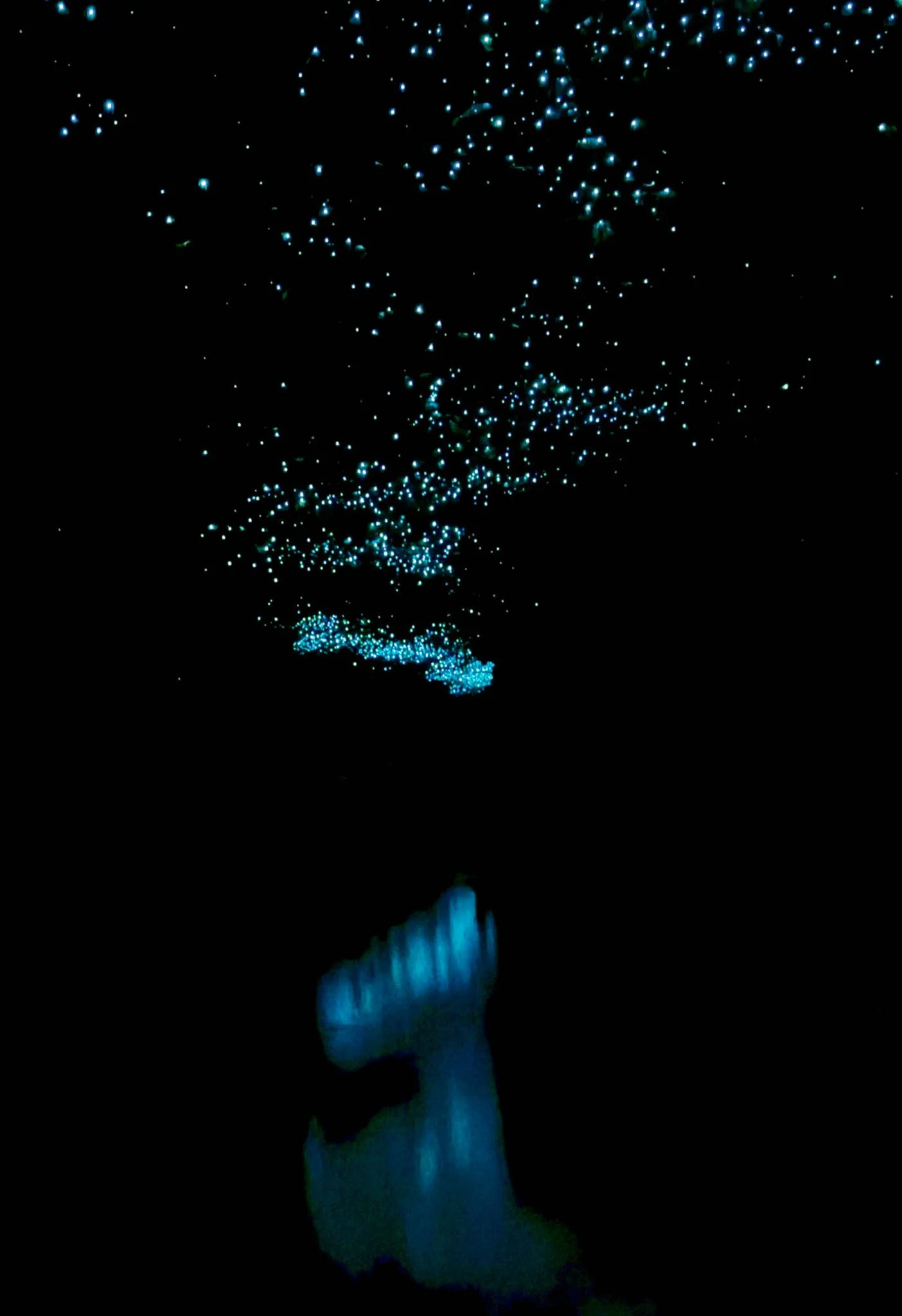
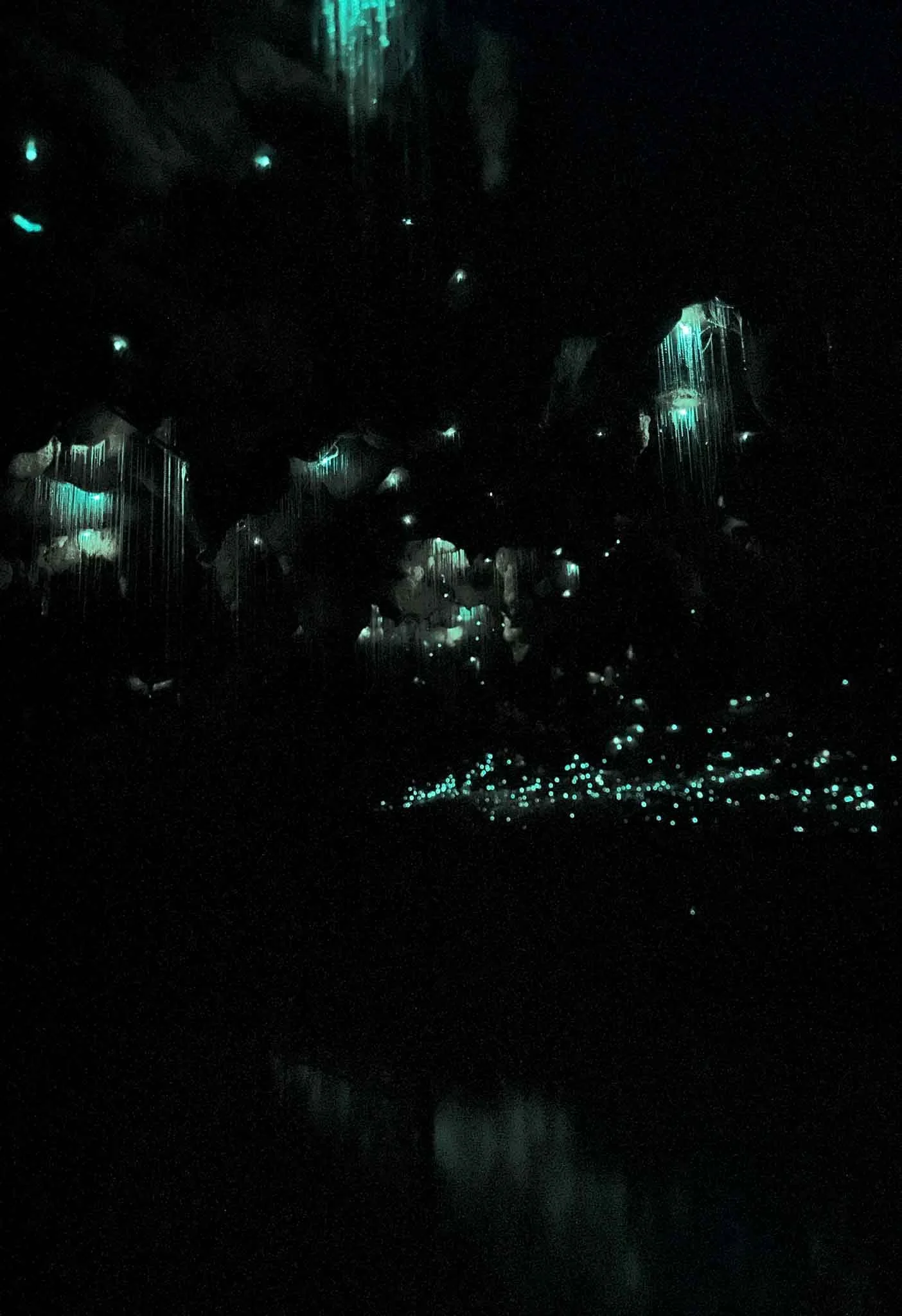
Waitomo is the name of both a tiny village in the Waikato, and the wider district underneath which lies a labyrinth of limestone caves; the name Waitomo comes from the Māori words wai (water) and tomo (hole or shaft).
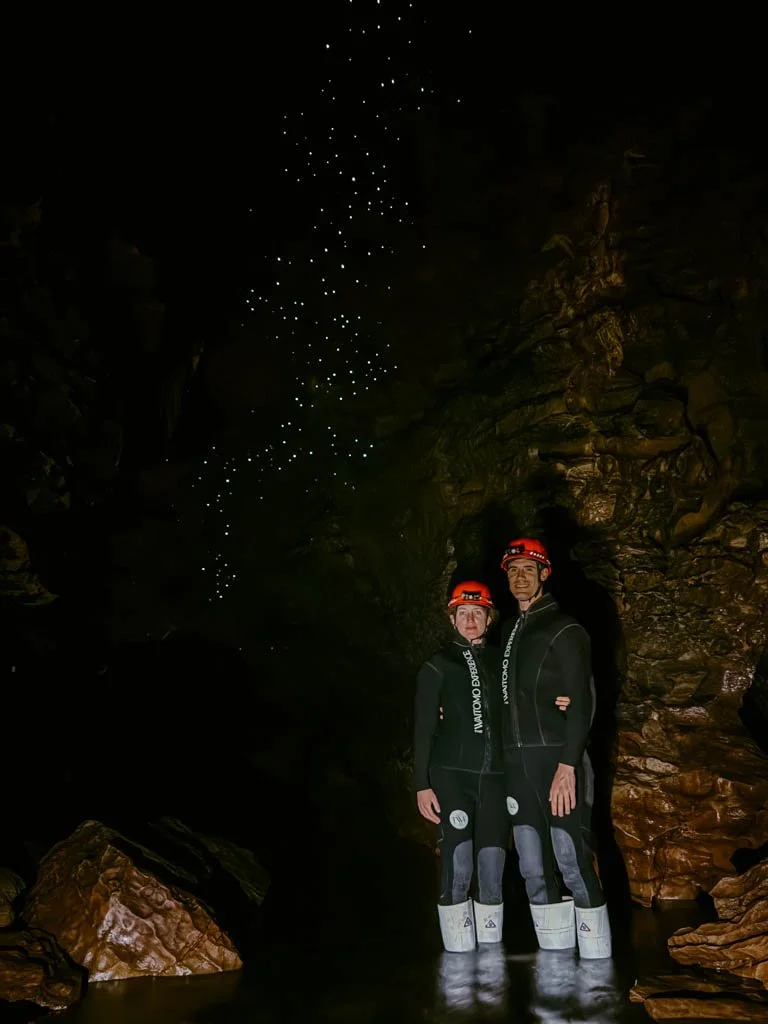
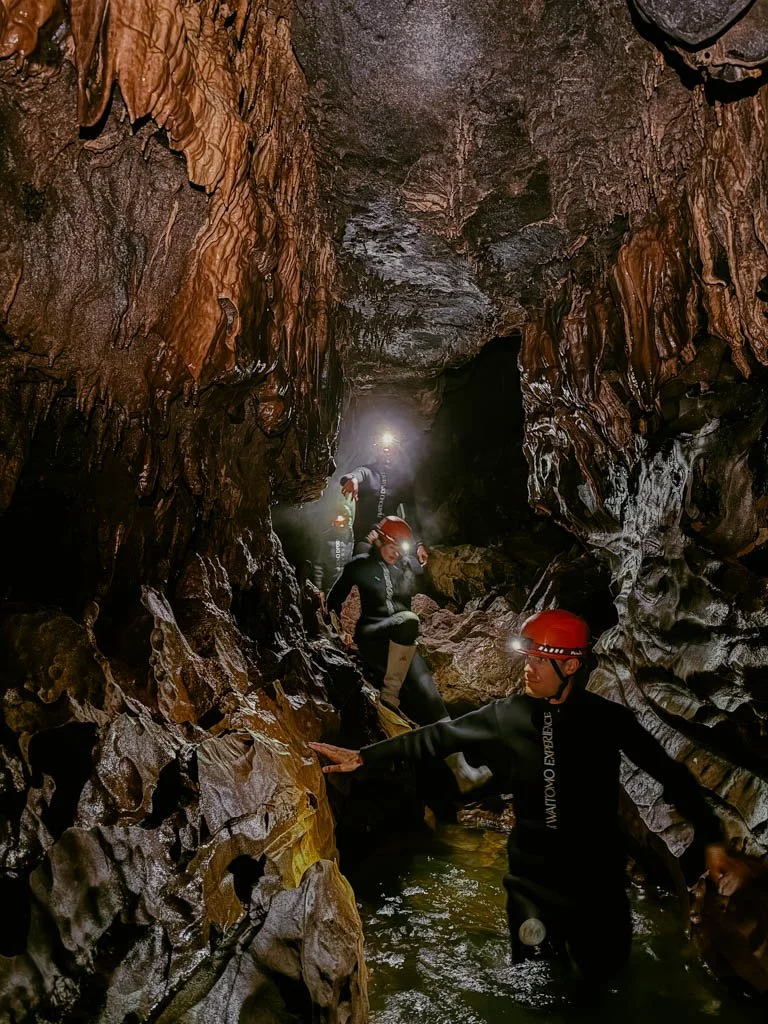
Although glowworms are the star attraction for most visitors to Waitomo, the cave systems with their limestone formations, rivers, and caverns offer caving and adventure opportunities just as enticing as glowing bugs. There are many caves and tours to choose from, ranging from trips where you can keep your feet dry to those where you can jump feet first into pitch black water.
Why add this to your first visit? If you’re planning on spending five days or thereabouts in the North Island, Waitomo fits nicely into an Auckland » Rotorua trip. Add Hobbiton, and you have a logical route around the highlights of the North.
How to visit Waitomo
Waitomo makes a great triangle with Rotorua and Hobbiton. You could cover these North Island’s highlights in 3 days, although you will likely want to spend more time in Rotorua – Waitomo and Hobbiton are easily visited on 2 consecutive days with 1 night in either place.
From Waitomo, you can also carry on down the west coast of the North Island, towards New Plymouth, or head to Raglan.
Waitomo highlights
Climb, float, wriggle, and swim through a beautiful cave — decked out with glowworms — with The Waitomo Experience
For more adrenaline, try the Black Abyss black water rafting trip, which includes an abseil and an underground zipline
If you just want to see glowworms and cave formations, without needing to put on a wetsuit, Speilbound is the best option
Queenstown
An adventure hub and convenient base for exploring Mount Aspiring National Park, the Central Otago Wine region, and Fiordland National Park

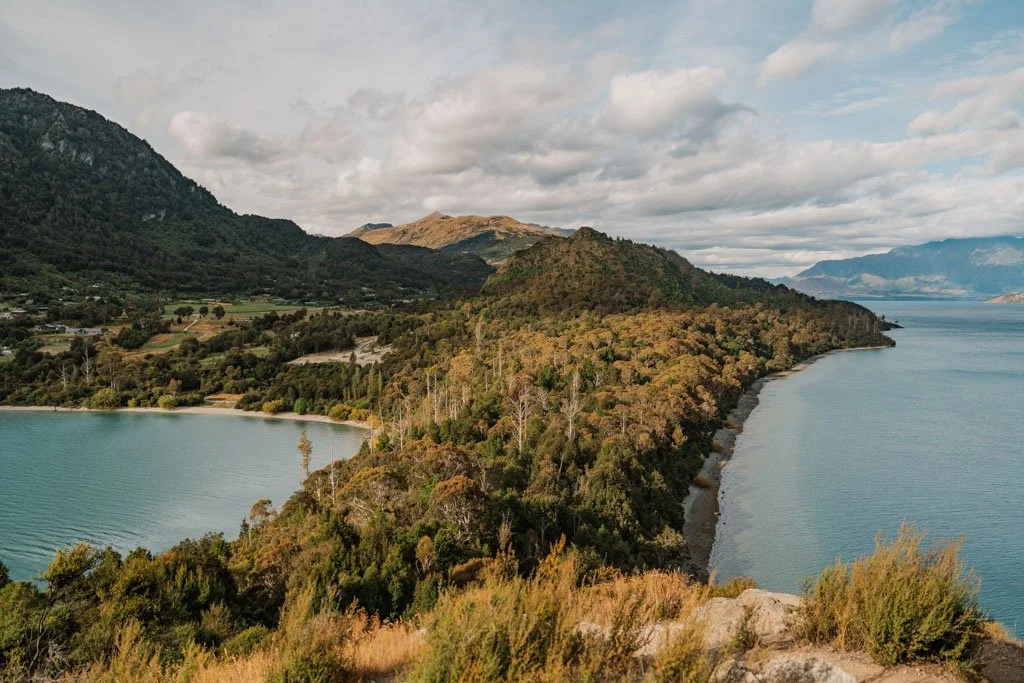
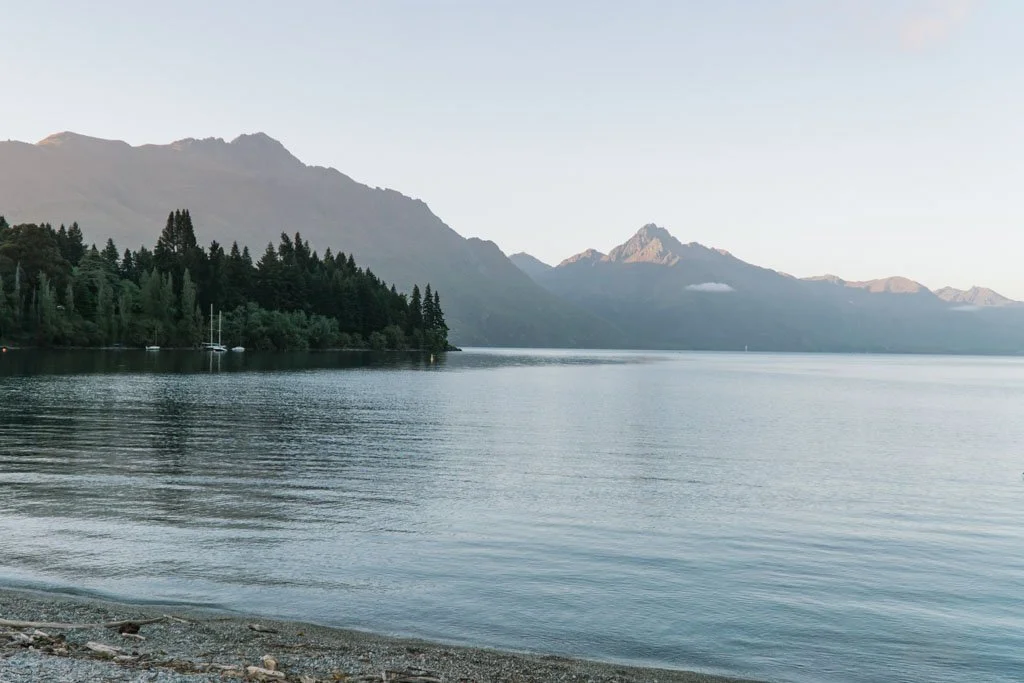
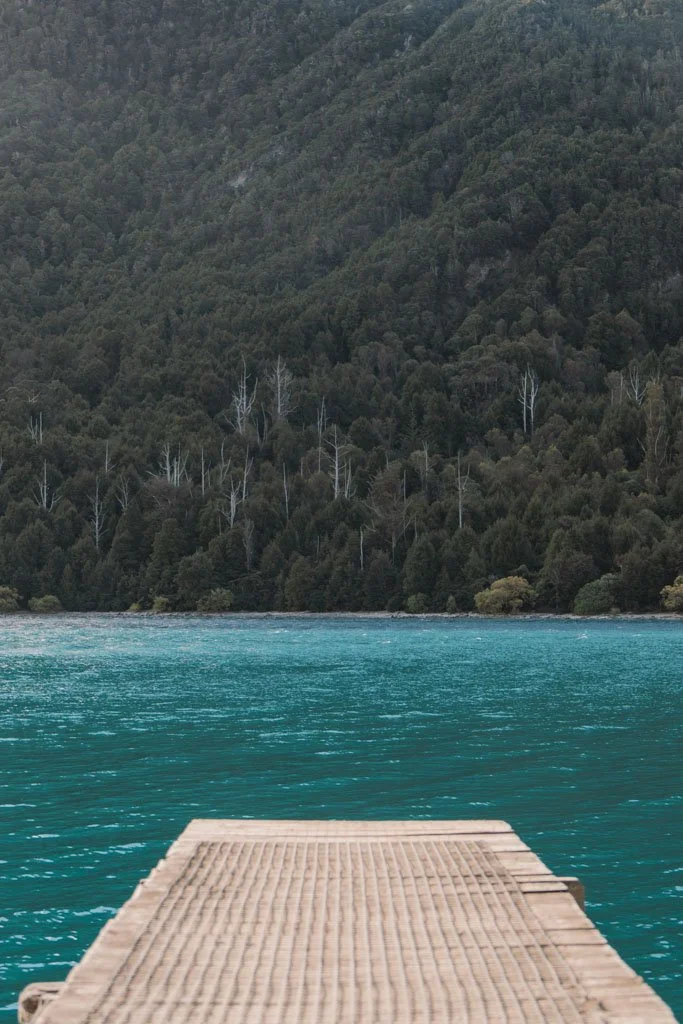
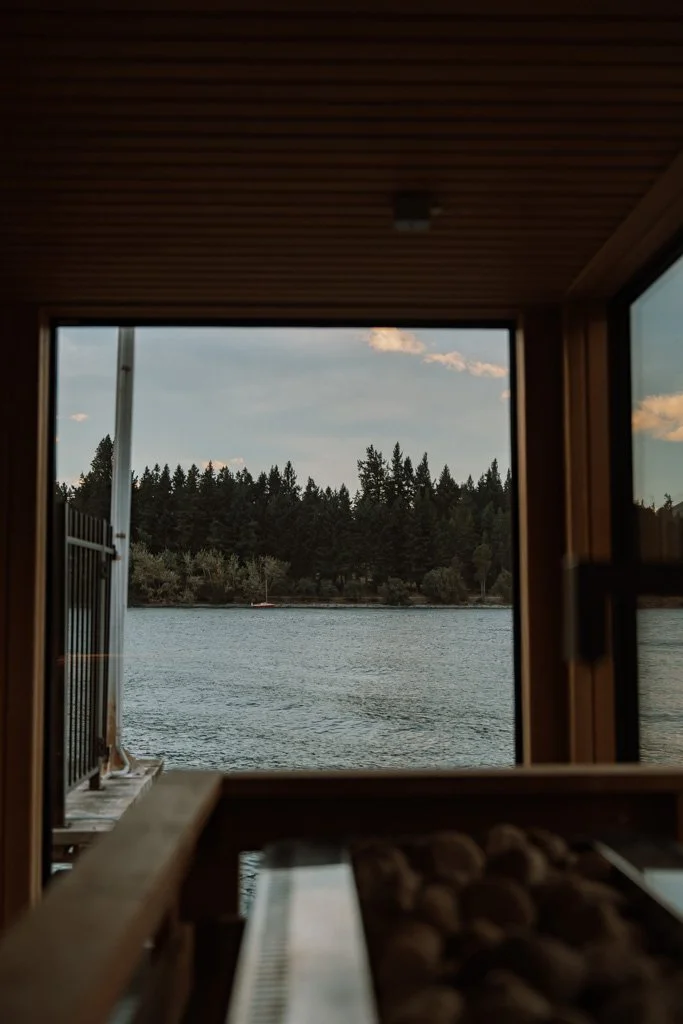
Queenstown is New Zealand distilled; an absurd amount of beauty and energy concentrated into one place. Geographically blessed, Queenstown sits at the confluence of Glenorchy and Mount Aspiring National Park, the Central Otago wine region and – west as the crow flies, but four hours driving southwest by land – the legendary Milford Sound and the rugged wilderness of Fiordland.
With so much nearby, Queenstown makes an excellent base for exploring some of the best activities the country has to offer. This is the adventure hub of New Zealand — from here you can jet boat, bungy jump, sky dive or do any number of wild activities.
It’s also a beautiful town, even if it is a busy resort town.
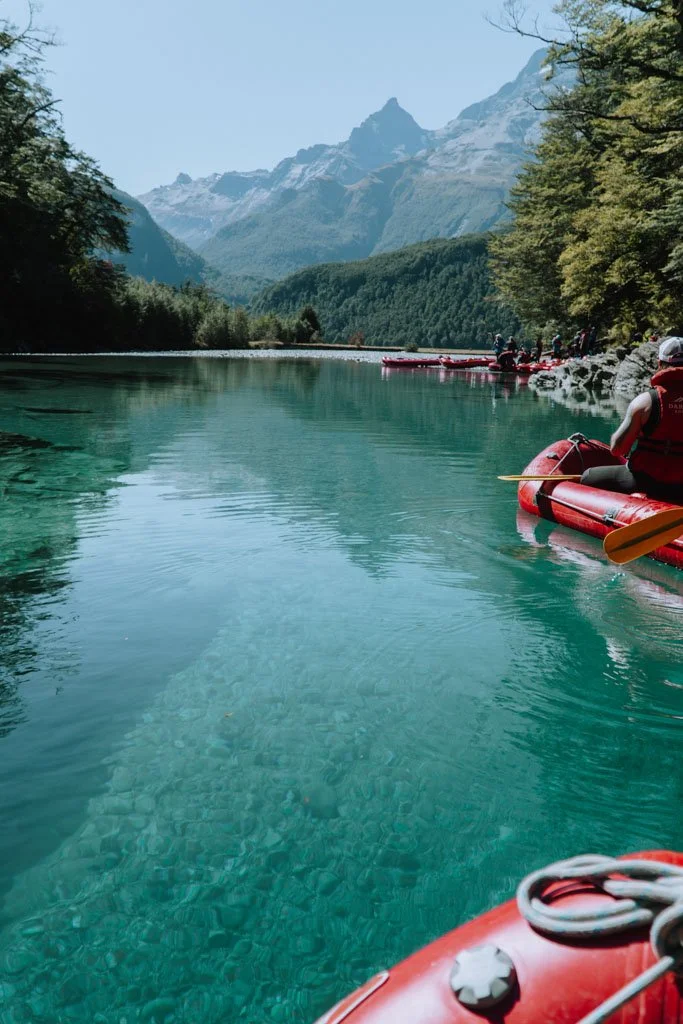
Going ‘funyakking’ is one of the coolest day trips you can do from Queenstown
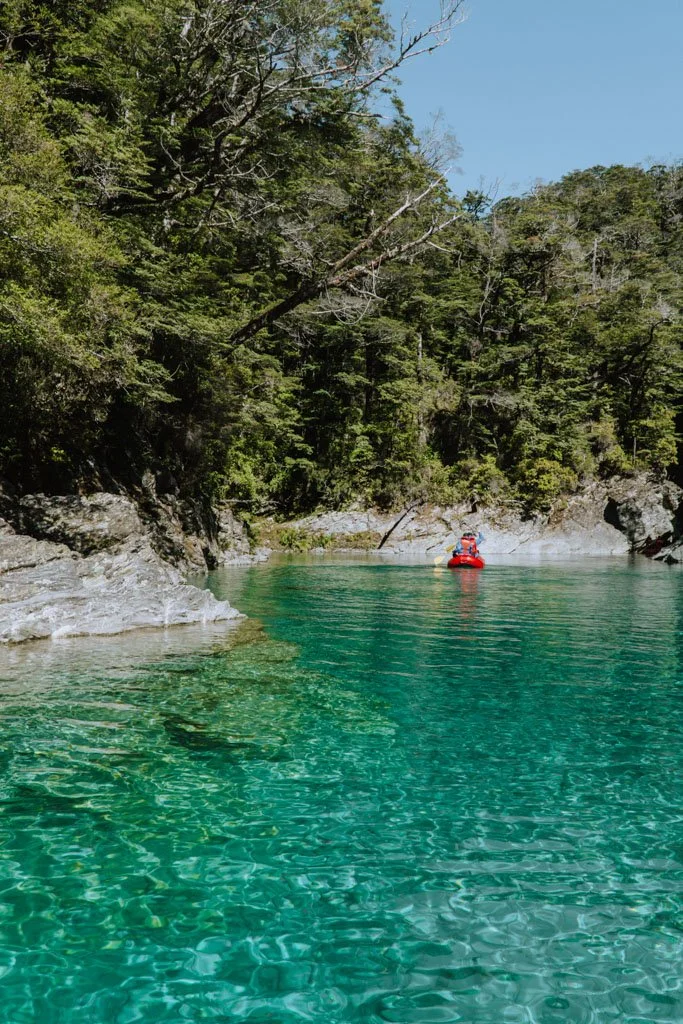
You could stay as long as five days in Queenstown, exploring the area (although if the adrenaline activities and commercialised feel of Queenstown don’t appeal, you might not want to stop here at all).
Milford Sound is a full day tour from Queenstown, and you can also , head to the historic village of Arrowtown, and visit Glenorchy further down the lake.
Queenstown highlights
One of the coolest day trips you can do is a funyak tour in Mount Aspiring National Park, just beyond Glenorchy. Jet boat up the Dart River, and then kayak back down in the inflatable ‘funyaks.’
Visit the vineyards of Central Otago
How to visit Queenstown
If you have two weeks in the South Island, you will almost definitely pass through Queenstown.
From Queenstown, a popular route is to head to Christchurch via Aoraki/Mount Cook and Lake Tekapo.
Alternatively, you can take the longer route from Queenstown to Christchurch via the West Coast glaciers.
For something more off the beaten track, you can do a great road trip around from Christchurch to Queenstown via Dunedin and the East Coast. I love the Catlins area, which is wild and remote — you can see sea lions and penguins here.
Stay
Scenic Suites Queenstown (Queenstown centre)
Driftaway Queenstown (Frankton)
Millbrook Resort (Arrowtown)
Fiordland
For wild rainforests, mountains, and deep fjords

A cruise is the best way to see Milford Sound — I went with RealNZ
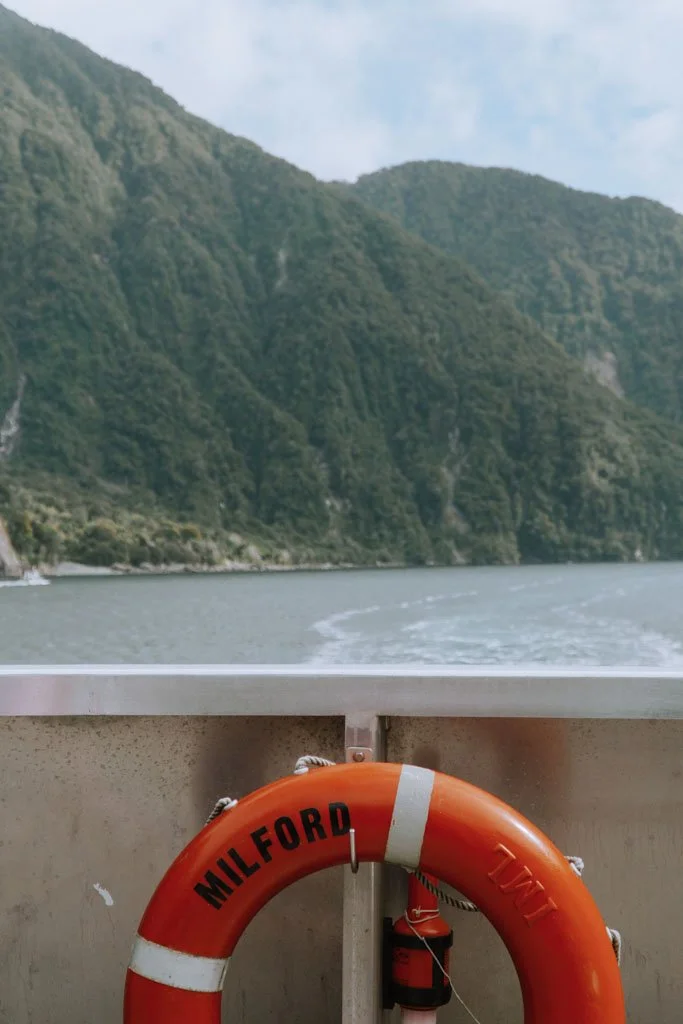
Onboard the Milford Sound cruise with RealNZ

Doubtful Sound — Fiordland is usually on first-time visitors’ itineraries
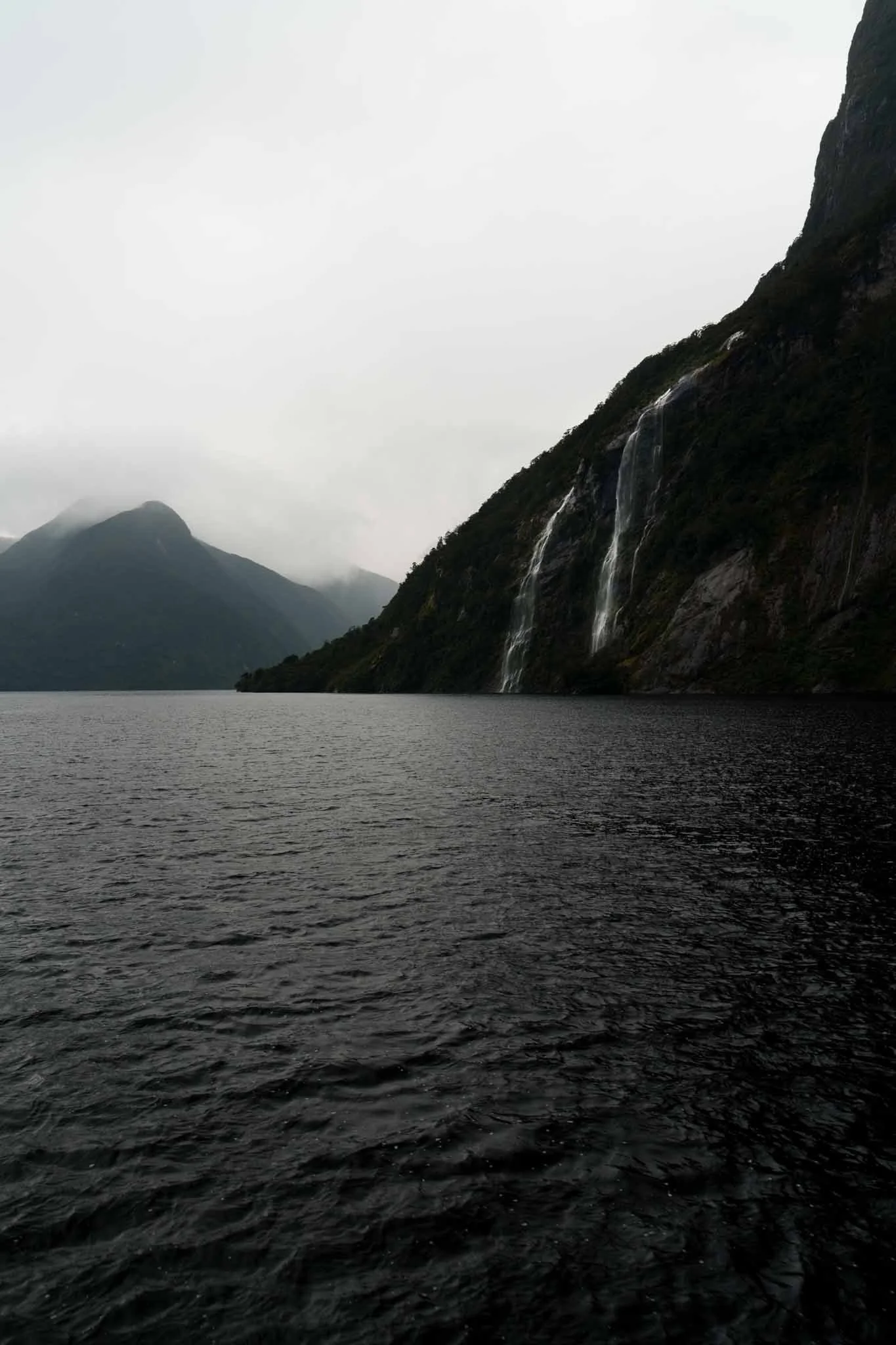
Fiordland National Park is one of New Zealand's greatest wilderness areas. The epic expanse of rich forest, alpine ranges, and glaciers is part of the wider UNESCO World Heritage site, Te Wāhipounamu (the Place of the Greenstone) which spans the South Western corner of the South Island. The national park has been largely untouched by humans, so going deep into Fiordland is a chance to catch a glimpse of ancient New Zealand.
It’s possible to visit Milford Sound (undoubtedly the main attraction in the national park) on a day trip from Queenstown, but if you have the time and are drawn to wilderness, I recommend spending a little more time in the area. The day tour from Queenstown really feels like it’s just skimming over the surface of Fiordland, and the tightly scheduled nature of the very long day trips doesn’t leave a lot of room for wonder.
Te Anau is the main base for exploring Fiordland, being the last town on the highway to Milford Sound. Once you put Te Anau in your rearview, there is almost nothing — no cell reception, no cafes, no hotels — until you reach Milford Sound itself. Nothing, that is, except deep valleys, mountain views, short (and long) walks, and curious kea.
To be honest, though, I prefer Doubtful Sound to Milford Sound. The most incredible thing I have done in Fiordland — and one of the best things in all of New Zealand — was an overnight cruise on Doubtful Sound.
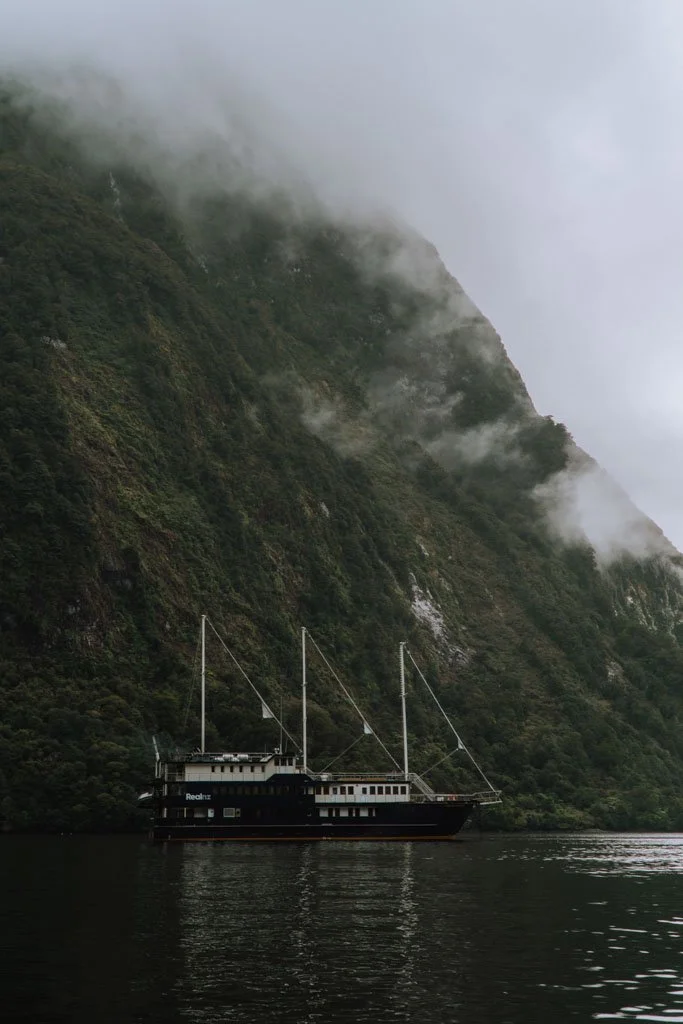
The Navigator is the vessel I sailed on, when I visited Doubtful Sound with RealNZ
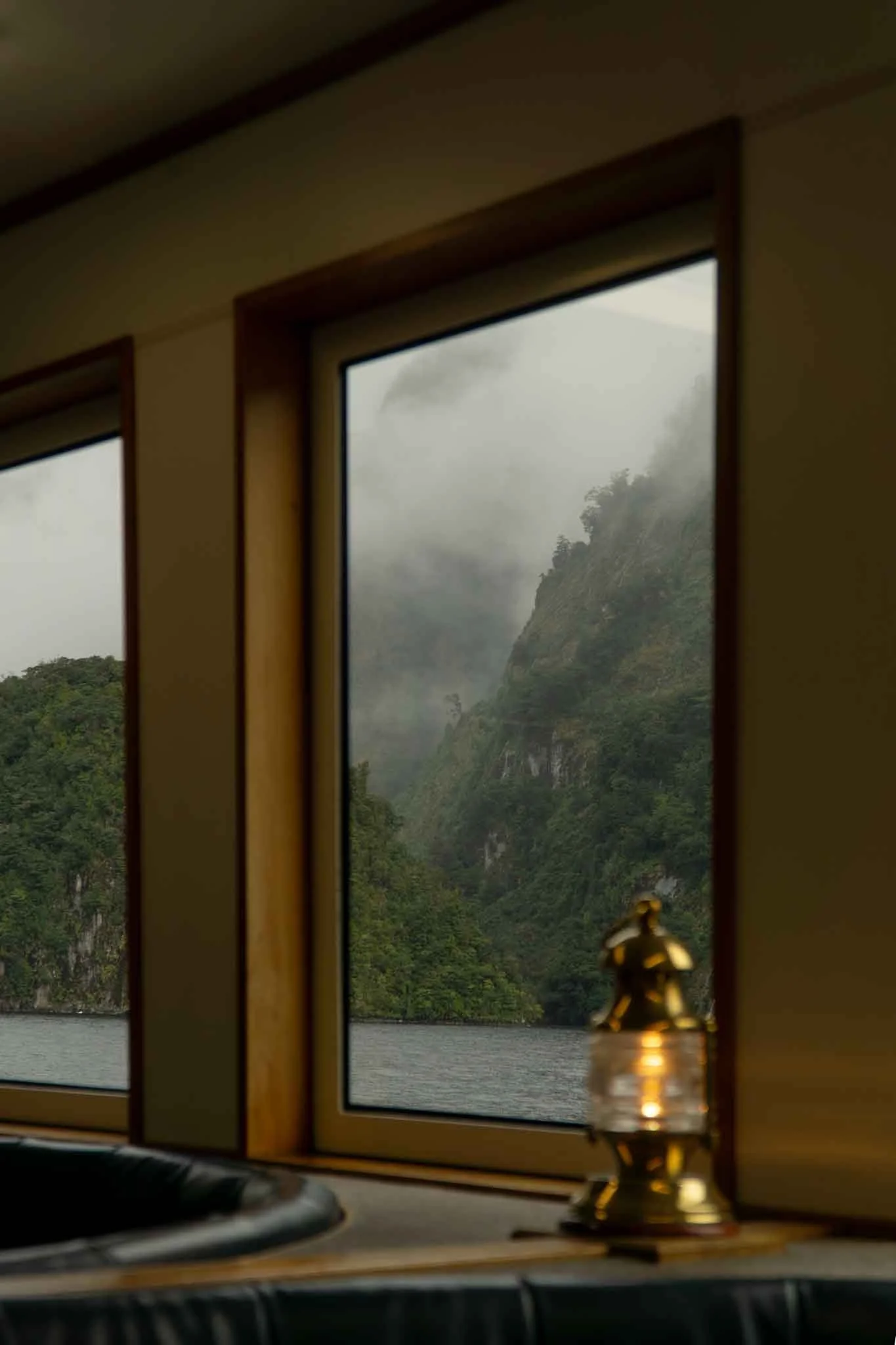
Doubtful Sound is more remote than Milford Sound. There’s no road to the fjord, to reach it you have to take first one boat across Lake Manapouri, then a bus over a gravel road through a mountain pass. When you finally climb onboard the ship at Doubtful Sound, you’ll already feel like you’ve been on an adventure. And, there’s unlikely to be another boat to be seen when you set sail.
I loved the feeling of being fully immersed in Fiordland — swimming in the inky dark sound, kayaking along the shoreline beneath hanging vines, listening to the bird song ringing out across the water.
How to visit Fiordland
Although you can visit Milford Sound on a day trip from Queenstown, it’s not something I recommend unless you’re willing to pay for a flight. It makes for a very long day trip with more time spent in a vehicle than enjoying the beauty of the wild.
Setting off from Te Anau to Milford Sound means a much more manageable (and enjoyable) day trip.
If you’re looking into an overnight trip on either Milford or Doubtful Sound, leaving from Queenstown is less of an issue. Spreading the time to get there and back over two days means your lasting impression will be of the fjords, rather than the interior of a bus.
Wanaka
For hiking, lake views, and a more laid-back vibe than Queenstown
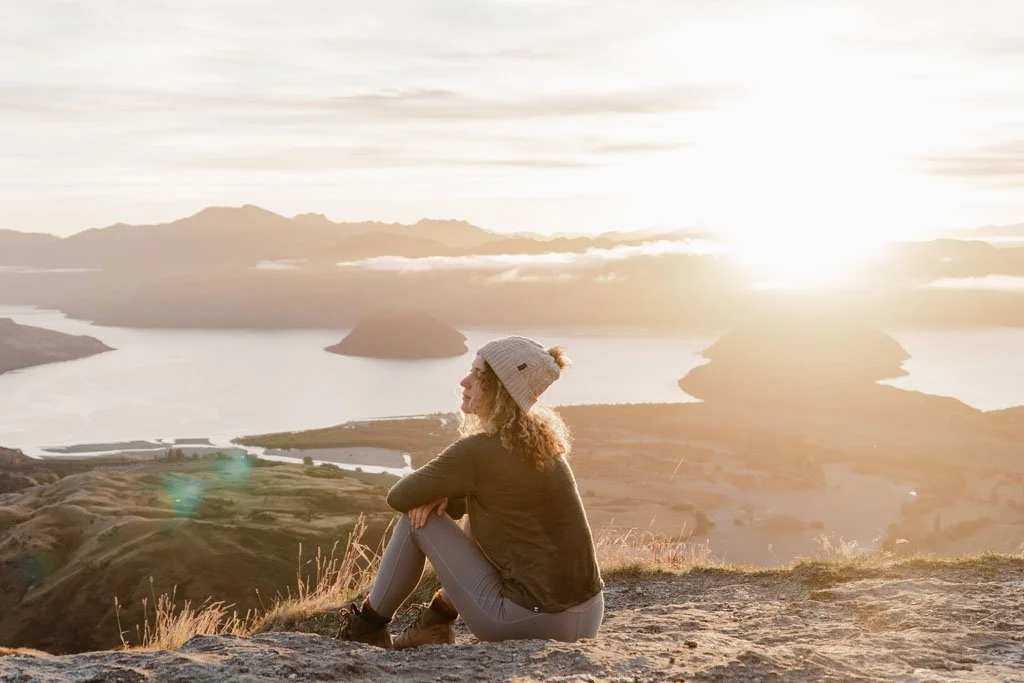
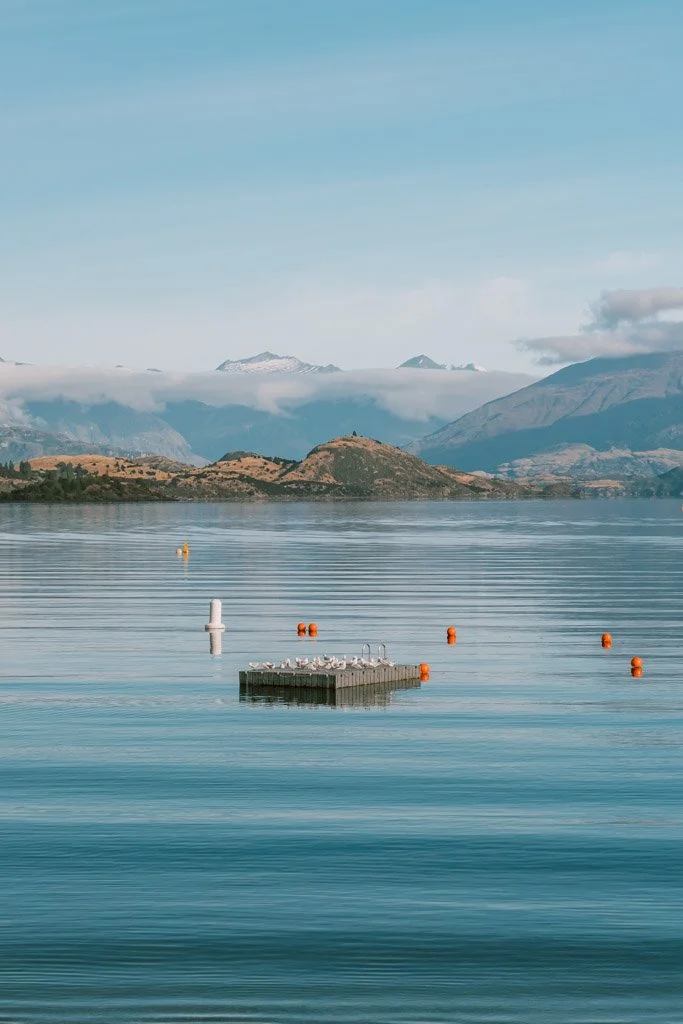
Like Queenstown, Wanaka has lake and mountain landscapes, easy access to hiking, skiing, wineries, and restaurants. Wanaka, however, is smaller, and although by no means a sleepy lakeside town, it has a more laid back vibe.
Where Queenstown is hopped up on thrills, Wanaka is more about the outdoors. Instead of Queenstown’s plethora of fine dining restaurants owned by hospitality groups, Wanaka has a swag of food trucks and owner-operated restaurants. Queenstown has a casino and a Louis Vuitton store; Wanaka is the birthplace of Mons Royale adventure clothing, and has an outdoor shop that also serves coffee.
It’s Wanaka’s independent, adventurous spirit that endears the town to me. It feels easy to be there, even as its popularity threatens to overwhelm the town (I day dream about living there, but it’s increasingly the domain of the wealthy).
Wanaka’s position on the map makes it a prime adventure hub and a logical stop in between South Island highlights. It’s an excellent place to stay on your way to or from either the West Coast of the South Island, or Aoraki Mount Cook National Park. If you plan on staying for a few days, Wanaka is the ideal jumping off point for Mount Aspiring National Park.
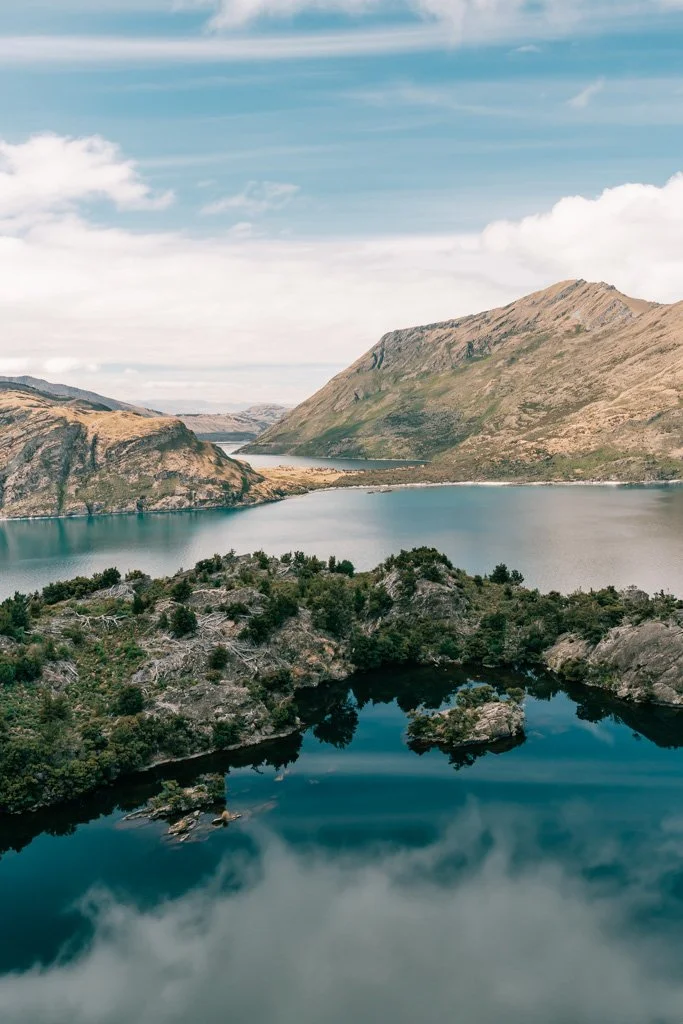
Wanaka highlights
Visit Lake Hawea for a swim in the summer
Go for a (free!) wine tasting at beautiful Rippon
How to visit Wanaka
Wanaka is just over an hour's drive from Queenstown, where you’ll find the nearest airport. There are two routes for getting between the two towns; the Crown Range is a mountainous road with spectacular views (although it can be impassable in winter). This road is steep and features an impressive series of switchback turns, so if you’re in a larger motorhome, you may want to take the lower road along the Kawarau River – this route takes you through Central Otago wine country and past Cromwell.
Wanaka is an ideal stopping point coming from or heading to the west coast and Aoraki. It’s a little less than 3 hours driving to Aoraki/Mount Cook National Park, and 4 hours to Franz Josef.
Aoraki/Mount Cook National Park
For hiking to the spectacular viewpoints of Aoraki, New Zealand’s highest peak
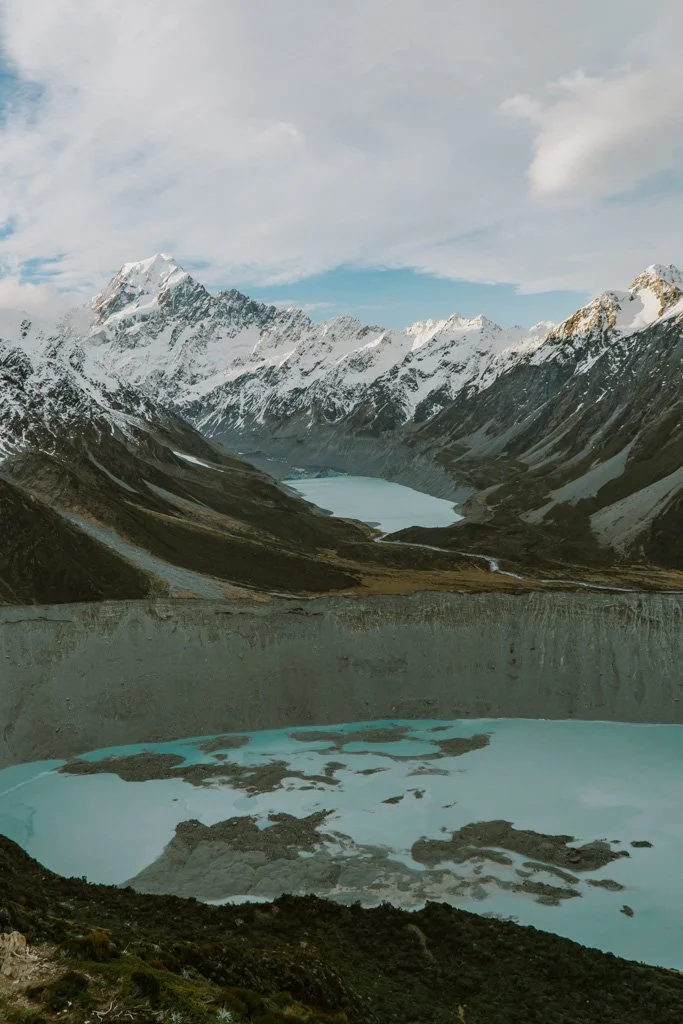

Aoraki/Mount Cook — the cloud piercer — is New Zealand’s highest peak, at 3,724 metres (12,218 feet). The national park lying at the foot of Aoraki is quite possibly the single most beautiful place in New Zealand, a land of rock and ice. The sound of rock and ice falls is almost always present, and even in summer ice bergs drift in the glacial lake below Aoraki.
For somewhere so wildly and dramatically beautiful place, Aoraki/Mount Cook National Park is surprisingly accessible — although it’s worth noting that this easy accessibility and stunning scenery together make Mount Cook a very busy place.
One full day, or one night, is all you really need for visiting Aoraki Mount Cook. There are a handful of walking trails to choose from, depending on your fitness and enthusiasm.
How to visit Aoraki/Mount Cook
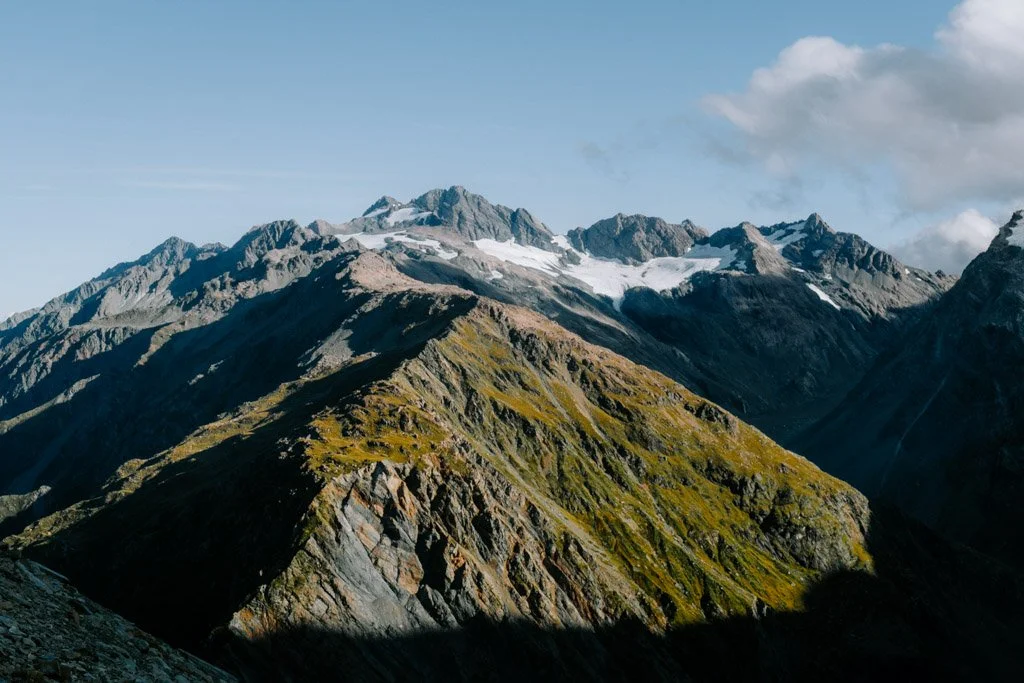
Aoraki is typically a stop on a road trip between Christchurch and Queenstown. From here, you can head to Wanaka for hiking, or Lake Tekapo for lake views, depending on which direction you’ve come from.
I think Aoraki/Mount Cook is also worth the detour if you travel from Queenstown to Christchurch via the West Coast. That adds a few hours to your journey (even though the West Coast is directly across the Southern Alps as the crow flies) but the scenery in Aoraki is unlike anywhere else.
Activities
The Hooker Valley Track is 3 hours return
Sealy Tarns track is around 5 hours return.
Getting up to Mueller Hut and back takes around 7 hours return
Stay
Finding a place to stay in Mount Cook Village is ideal, but rooms are limited and sell out months in advance.
If you can’t find a hotel in the village, check out options in Twizel or Lake Tekapo.
If you’re camping, White Horse Hill is busy but great.
Fox Glacier and Franz Josef
The best destination for glaciers and rainforests


I think it’s well worth making it to the West Coast of the South Island on your first visit. For me, this is the most beautiful part of New Zealand.
The main attractions are the twin glaciers of Fox and Franz Josef, which are spectacular. You can go on a heli hiking trip to either glacier — I If the weather is on your side you can go heli hiking, or just plain hiking to viewpoints — the Alex Knob Track is a fabulous half day walk to a viewpoint of Franz Josef.
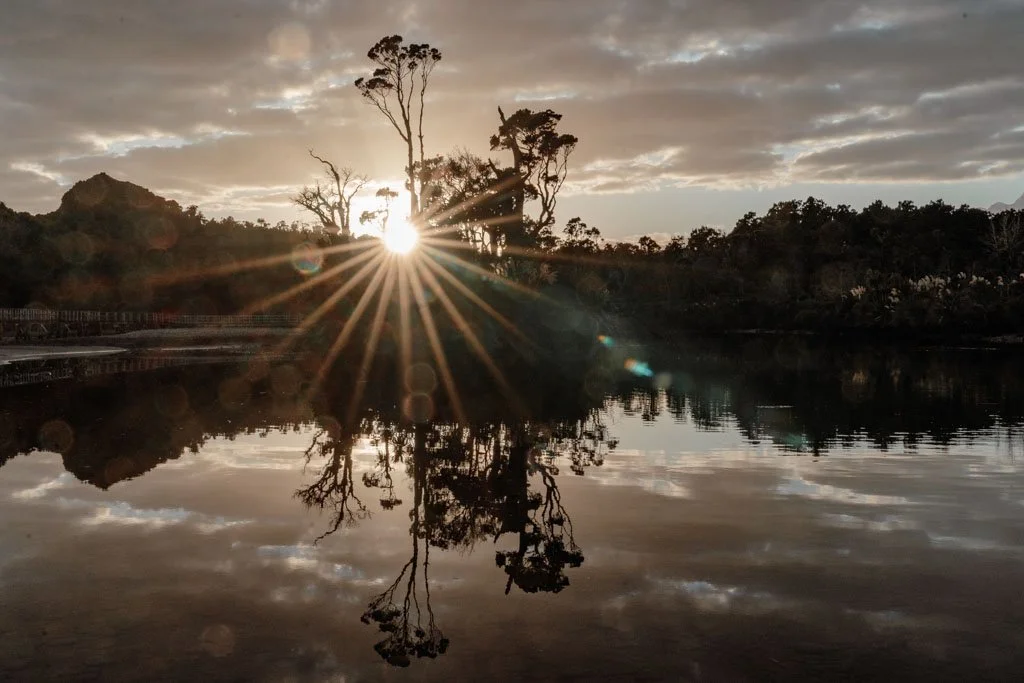
The other special thing about the West Coast is the dense rainforest that grows here. The landscapes and forests of the west coast are very different to the area around Queenstown and Christchurch, so getting this variation can really add to your appreciation of New Zealand on your first visit.
You can also escape the crowds on this coast, as it’s the least populated part of New Zealand.
Franz Josef highlights
Kayak Okarito Lagoon
How to visit Franz Josef
With two weeks in the South Island, the West Coast glaciers make a good stop on a loop around the south (back in the 70s and 80s, locals even called tourists “Loopies" becaue it was — and is still — common to do a loop of the island).
Tongariro National Park
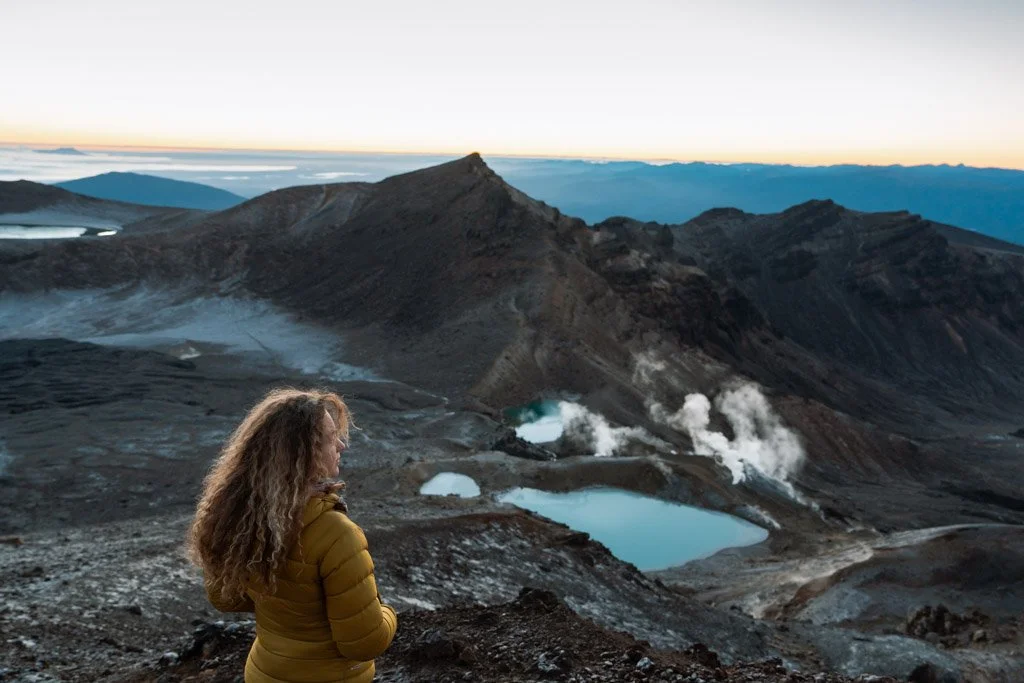
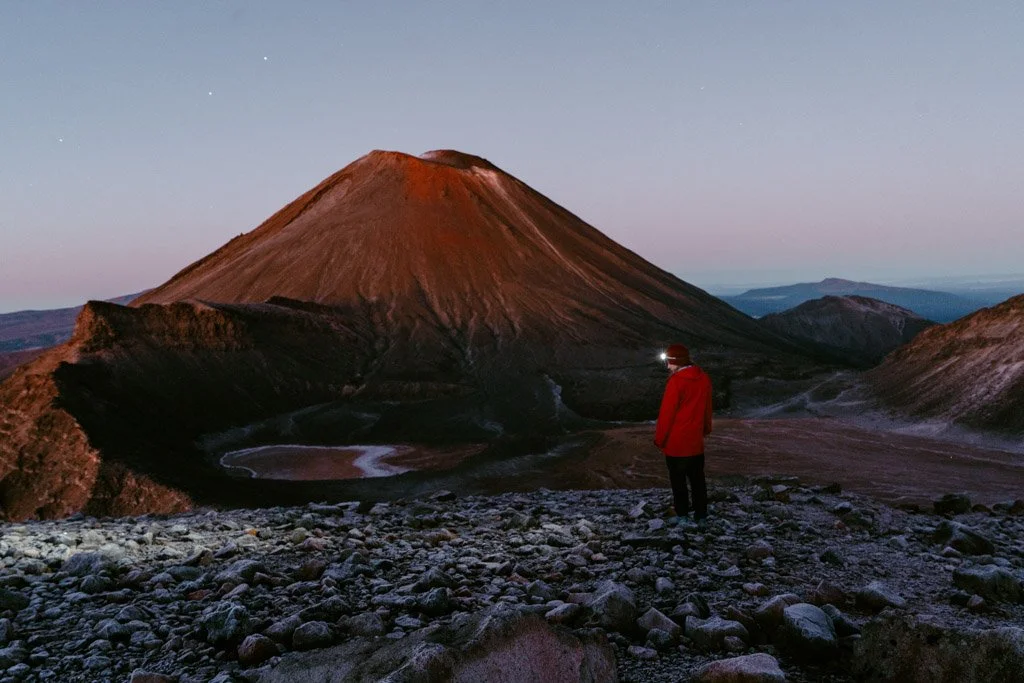
Tongariro National Park, the volcanic heart of the North Island, was New Zealand’s first national park and only the fourth in the world when it was established as a national park in 1887. It's one of New Zealand’s two mainland UNESCO sites (the other is Te Wahipounamu, covering Fiordland and Westland Tai Poutini National Park in the South Island).
The three main volcanoes in the park – Tongariro, Ngauruhoe, and Ruapehu – are all still active. Flat-topped Tongariro (1967m) is the most modest of the trio; the roughly 100,000 people who hike the Tongariro Crossing each summer season are more likely to focus their gaze on the perfect cone of Ngauruhoe (2287m), which is so striking it served as Mount Doom in The Lord of the Rings films. Sprawling Mount Ruapehu (2797m) is the highest mountain in the North Island, despite having a squat, flat top. Between these three mountains lies some of the most striking and unique landscapes in the country – volcanic cones, deep craters, rock-strewn desert and emerald-green lakes. This makes it the premier hiking destination in the North Island.
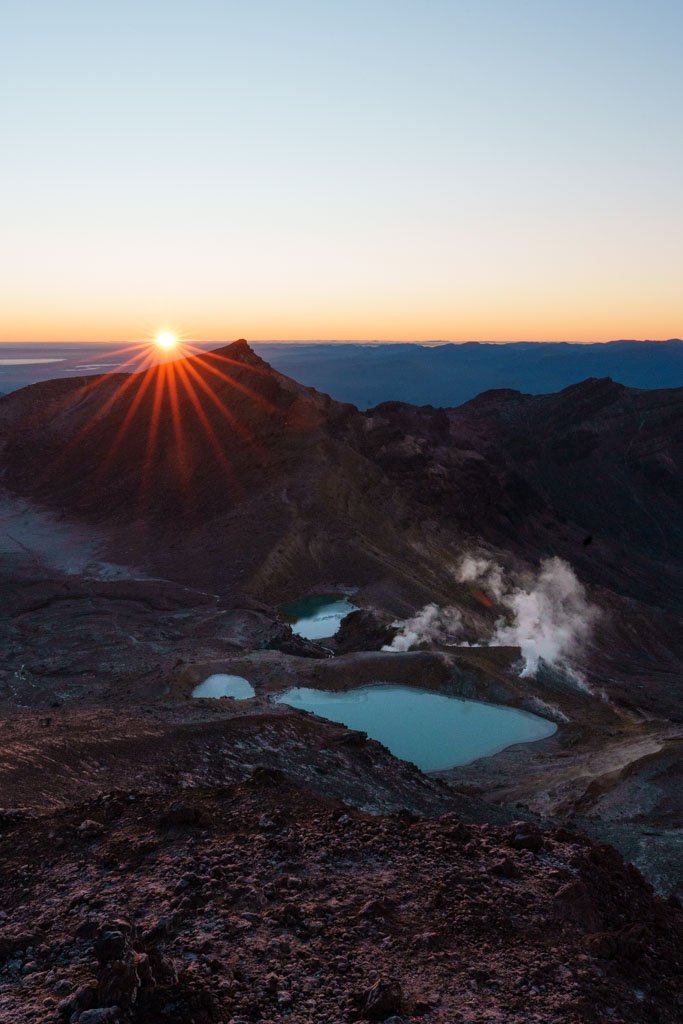
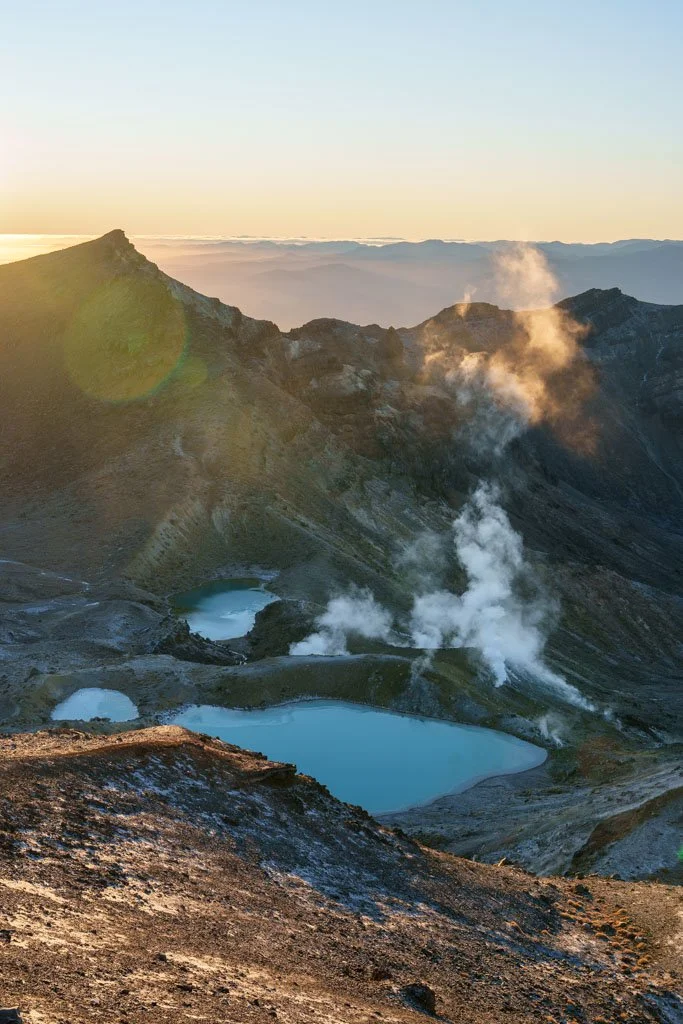
The Tongariro Alpine Crossing is the most popular day walk in the park, but there are plenty of other trails ranging from a short amble to half day hikes. On good weather days, it doesn’t matter too much which path you pick. The vast openness of the park (which is largely cloaked in alpine shrubs, plants, and tussocks) means sweeping views in all directions. When it’s clear, you can see all the way to Mount Taranaki in the southwest.
How to visit Tongariro
Stop by on an Auckland to Wellington road trip
Visit as part of a two week North Island itinerary
Stop off on a three-week, North to South itinerary
Activities
Hike the Tongariro Crossing (you’ll need to get shuttle transport)
Hike to Taranaki Falls or Tama Lakes
Go for a very cold dip in Tawhai Falls
Stay
There are a handful of small villages on the western edge of Tongariro National Park; Waimarino/National Park Village and Raurimu are the closest. You could also head further south to Ohakune, which has several places to stay, and from there you get some great views of Ruapehu.
Kaikoura
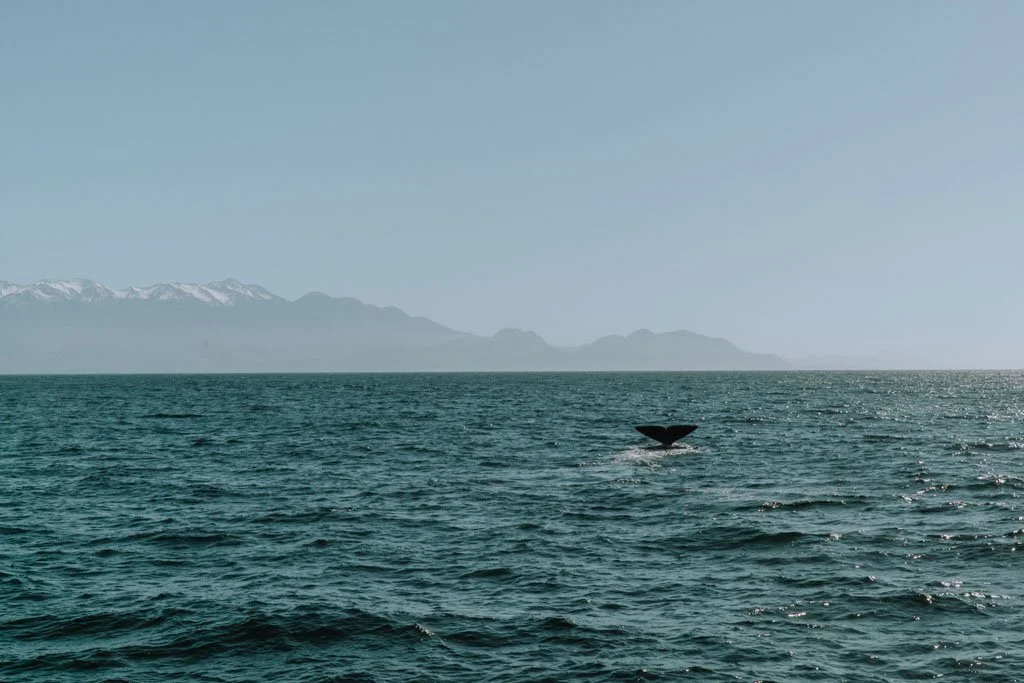
Spot the whale tail flipping out of the ocean, as the sperm whale we were watching dived
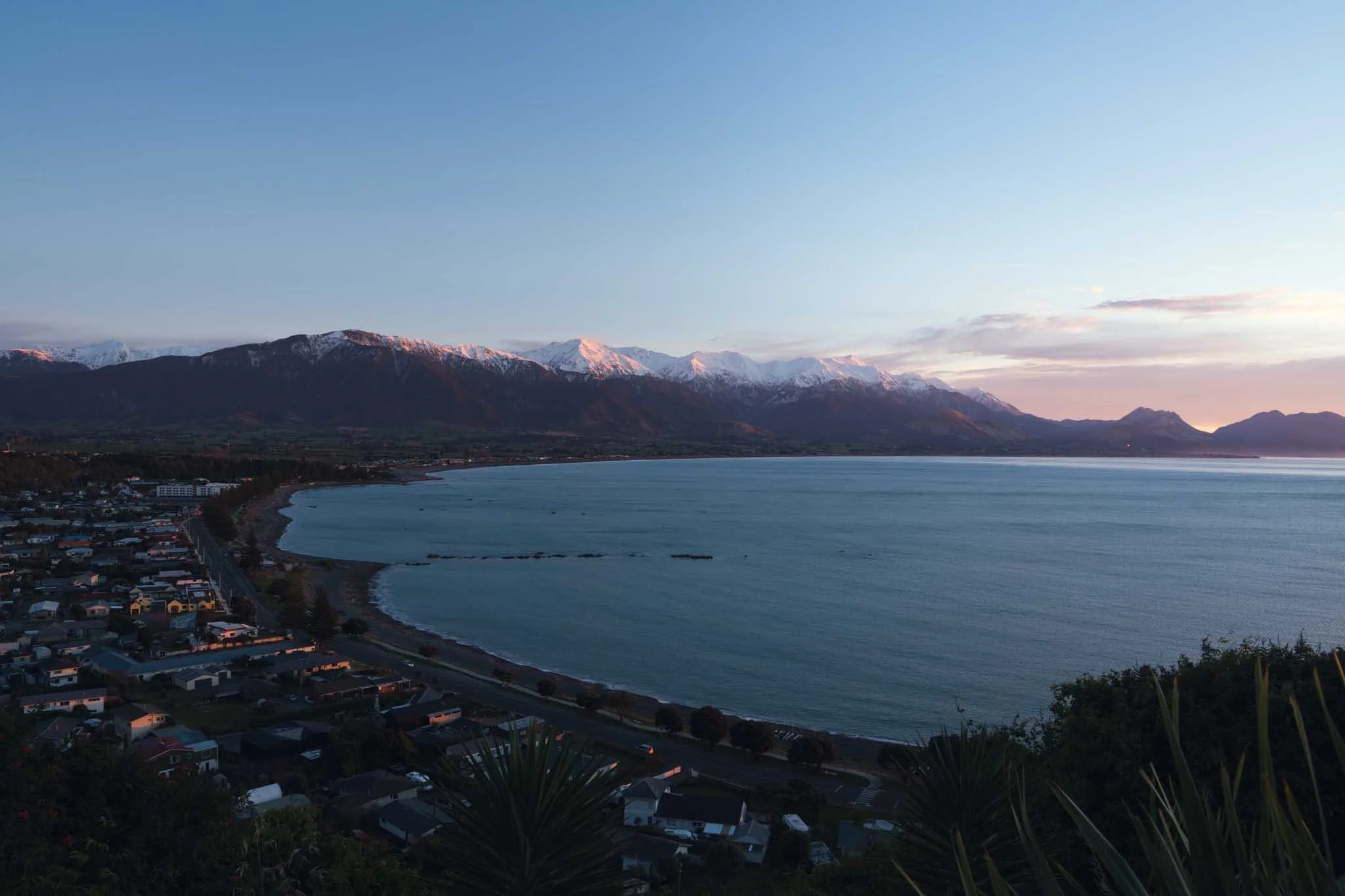
Kaikoura is a stunning spot for your first visit to New Zealand. The wild, coastal town is set between the seaward ranges running down the spine of the South Island. The town itself is low key, a long strip with a railway running through. I like it that way. Despite visitors coming from far and wide to see whales – by boat and by air – dolphins, seals, albatross, and the other marine life that makes this particular part of the coast so special, Kaikoura remains unpretentious.
The reason for such abundant marine life in Kaikoura is the underwater canyon running just off the coastline. It plunges to alarming depths of more than 1 kilometre exceedingly quickly (the whale Watch boat tracks the depth beneath its catamarans, and in the space of a minute or so, the sea floor seems to disappear), funnelling up nutrients from the deep sea which feeds a food chain of cetaceans, seals, and other marine life. The bounty brought by this quirk of oceanic topography is where the town gets its name; kai is food, kōura is the crayfish which flourish in these waters.
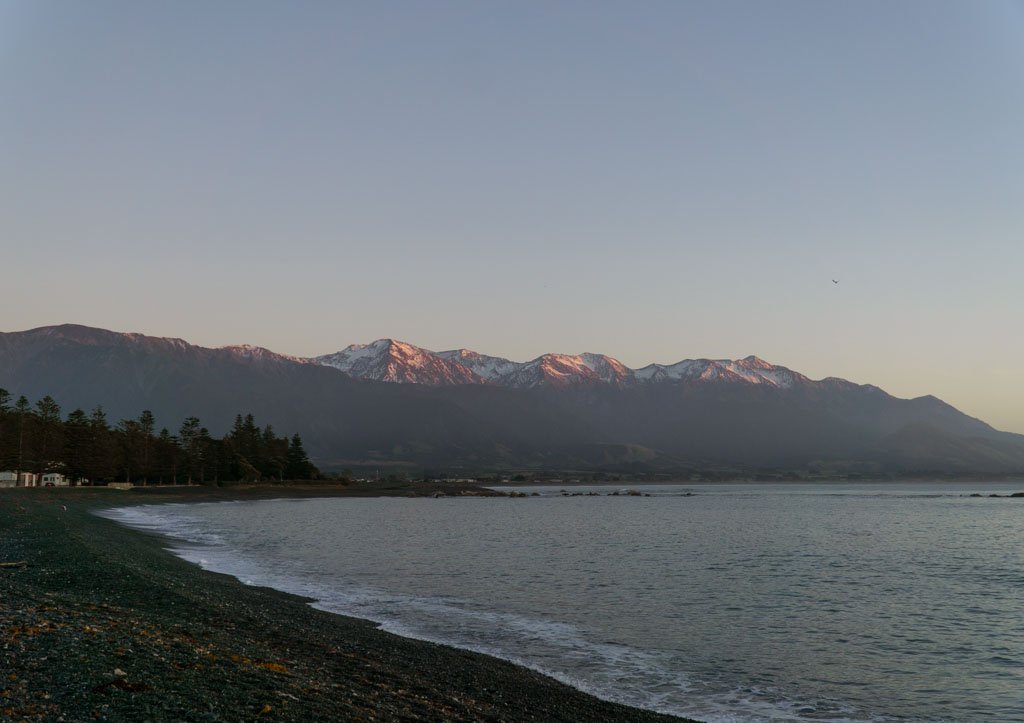
Kaikoura highlights
Or see them from above on a scenic flight
Visit the seal colony on the Kaikoura peninsula
Stop at Nin’s Bin, a crayfish shack along the highway north, for locally caught crayfish.
Stay
Explore the golden beaches of Abel Tasman National Park
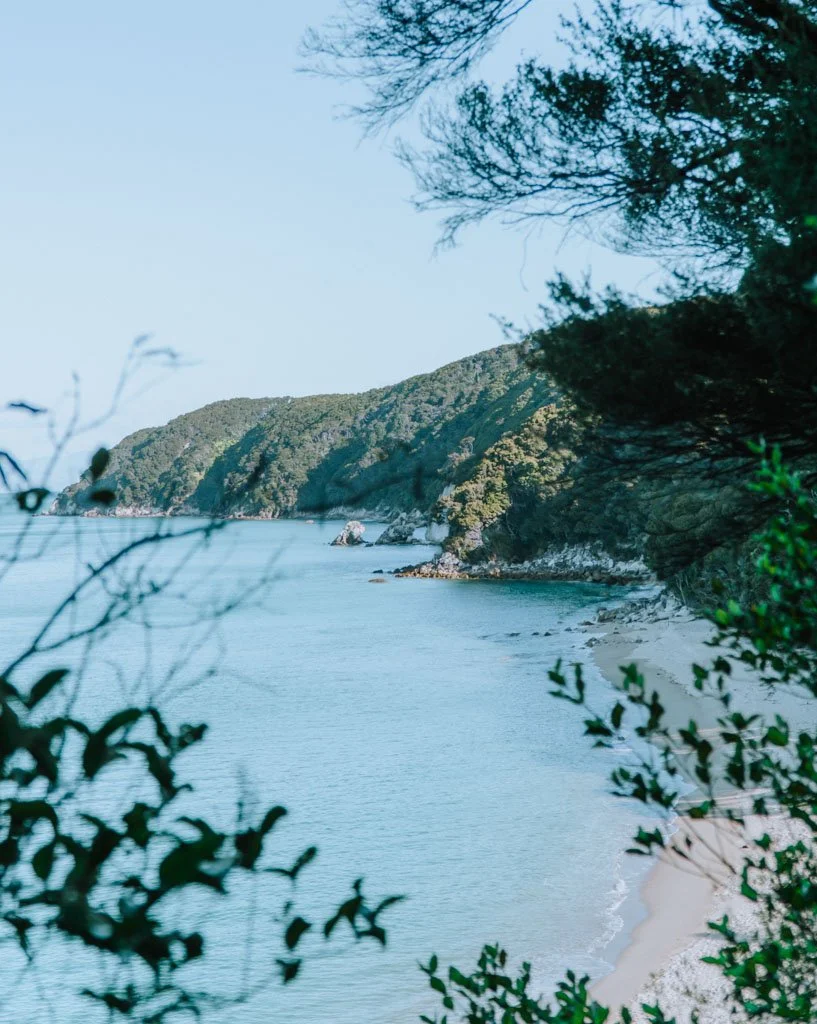
Strings of golden beaches set against a backdrop of native bush — Abel Tasman is one of the most beautiful places in New Zealand.
A coastal hiking trail, the Abel Tasman Coast Track, is one of New Zealand’s Great Walks. Sections can be easily explored on a day trip, or you can try out hut to hut hiking (or campground to campground) here.
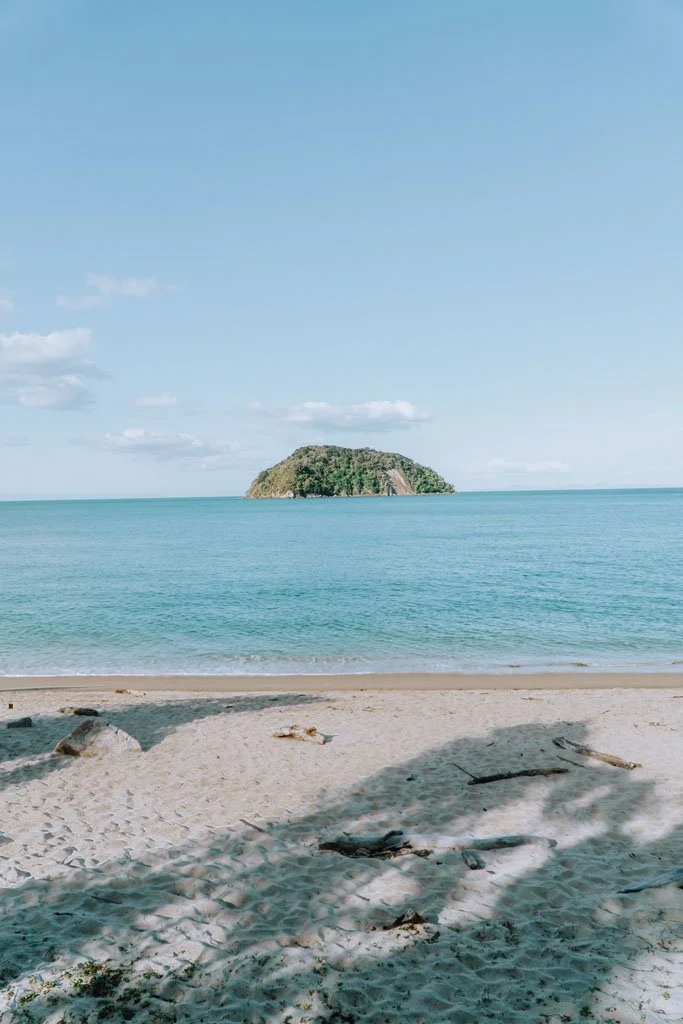
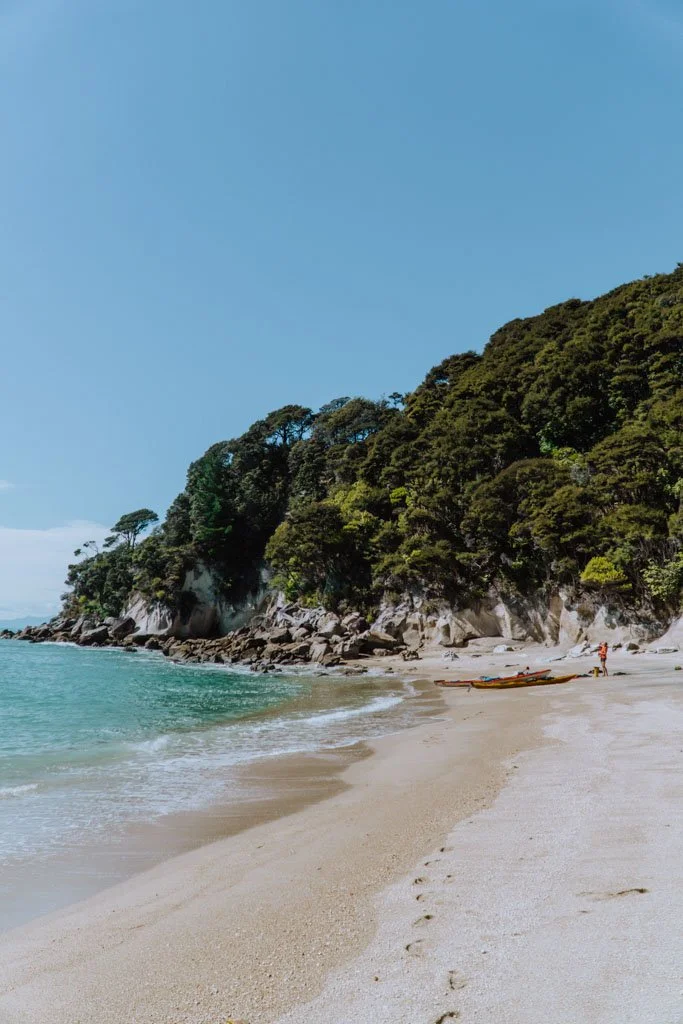
Laid out along the water, Abel Tasman is also the perfect place for a kayak trip.
I don’t have a lot of sea kayaking experience, and I still managed a two day (overnight) kayak — I opted for the two day paddle and one day hike combination, last time I visited.
I have also enjoyed walking and camping in Abel Tasman though.
Thank you for reading
You being here is what makes my life as a travel writer possible, so thank you. I hope this has been helpful and you have come away with a better idea of where to visit on your first trip to New Zealand.
All of the photos and words (and spelling mistakes and other errors) on this page are mine, created without help from either AI or other humans.
My goal is to try and make sure your travels around New Zealand are the best they can be, in exchange for your support. Reading my posts, clicking my links, sharing with your friends; all of this helps me keep doing what I’m doing.
AUTHOR BIO
I’m a freelance travel writer from New Zealand with bylines in National Geographic Travel, Conde Nast Traveler, Travel + Leisure and more.
I’ve travelled up and down beautiful Aotearoa and I love sharing my recommendations for the best places to visit in New Zealand.
READ MORE