What to do on Waiheke Island: A guide for wine, beach & nature lovers
Waiheke Island is Auckland’s most popular day trip destination, thanks to a combination of beaches, wine and laid-back island life
Disclosure: This page contains affiliate links to providers I trust. If you make a booking through these links I may make a small commission — thanks for your support!
Get off the ferry at Waiheke and walk or drive a couple of minutes up the road, and you’ll see a sign: SLOW DOWN, YOU’RE HERE. Waiheke Island — just “Waiheke” to locals — is slow paced and proud of that.
You won’t find flashy resorts or chain hotels on the island; it’s not that kind of place. There are the vineyards, fancy ones, and holiday homes for New Zealand’s wealthiest few.
But, there are also quiet beaches where you can walk barefoot, and a Saturday market in Ostend where you can buy both locally grown vegetables and crystals, or get coffee in a borrowed cup.
This mix of luxury and low-key has come to define Waiheke. I love that you can still find yourself on a nudist beach if you’re not careful, and that if you follow one of the many walking trails around the edge of the island, and you could find yourself in a quiet bay, or a secluded patch of bush.
The island is easily the best day trip destination from Auckland, but it also makes an ideal place to escape for a night or two, especially if you have come to the end of your time in New Zealand and you want a place to cocoon yourself in beachside bliss before stepping on a plane out of the country.
No matter whether you have several days or only a few hours, I encourage you to try and see a little of both sides of Waiheke — the luxe, and the simple. Visit a vineyard, but also stop by a local coffee shop. Go for a nice meal, but pick up a gelato and eat it on the beach afterwards.
There are many more wonderful things to do on Waiheke Island than sipping syrah. Here are a few of my favourite Waiheke Island activities.
Waiheke Island at a glance
Getting there
Island Direct ferries are smaller and quieter, but Fullers are more convenient — buy a ticket for Fullers online and you can just walk up, join the queue, and board the next ferry. The price is roughly the same for both of them.
Fullers also has a combined ferry/hop on hop off bus ticket, which will get you to all of the key places on the island (going where the public bus doesn’t).
Getting around
If you’re looking for a wine tour, I recommend Kiwi Connect’s scenic wine tour
For a DIY option, Go Rentals offers Waiheke rental cars — you can check prices on Discover Cars.
Public buses cover most of the key areas, and you can tap on/off with a credit or debit card. I use Google Maps to check times and routes.
Where to stay on Waiheke
There are many holiday home rentals on Waiheke, along with a growing number of boutique accommodation providers. I have stayed at, and enjoyed, both of these places:
One O One Cabins offer simple, Scandi-style cabins surrounded by native bush, and only a 10 minute walk from Oneroa village
Hidden Valley Waiheke has a series of modern rooms oriented to overlook a green valley close to Palm Beach
Visit Waiheke’s vineyards
The first and undoubtedly most popular thing to do on Waiheke is visit one of the island’s boutique wineries. There are a few dozen wineries you can visit, which can feel overwhelming when trying to narrow down your options.
Book ahead if you’re planning on enjoying lunch at one of the wineries, especially on weekends in summer when the island is flooded with visitors.
Casita Miro
Casita Miro
Casita Miro
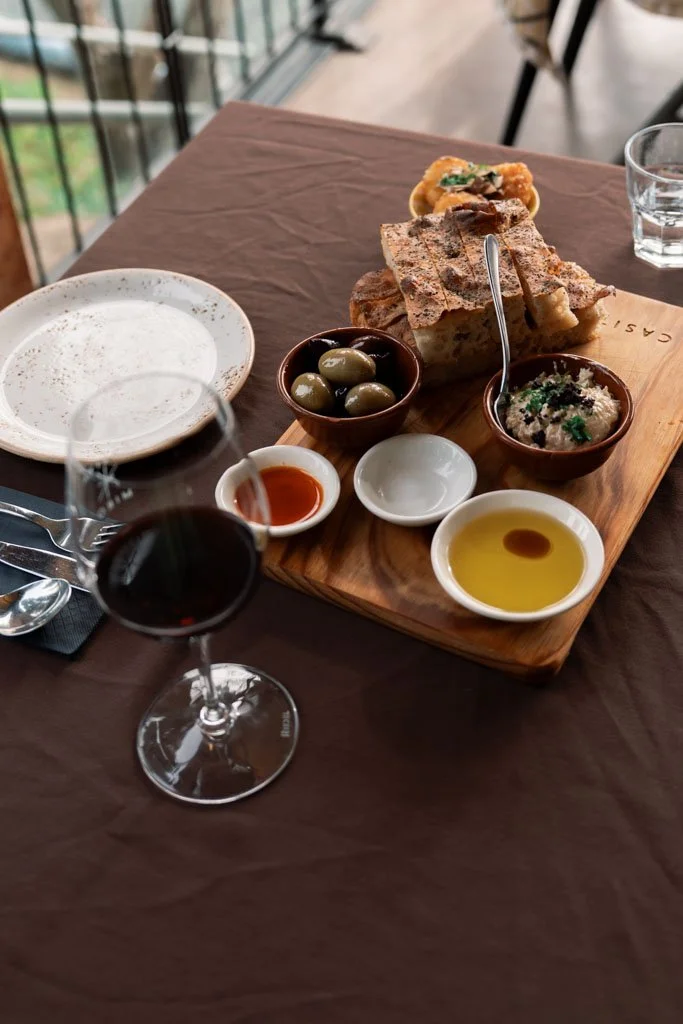
Casita Miro
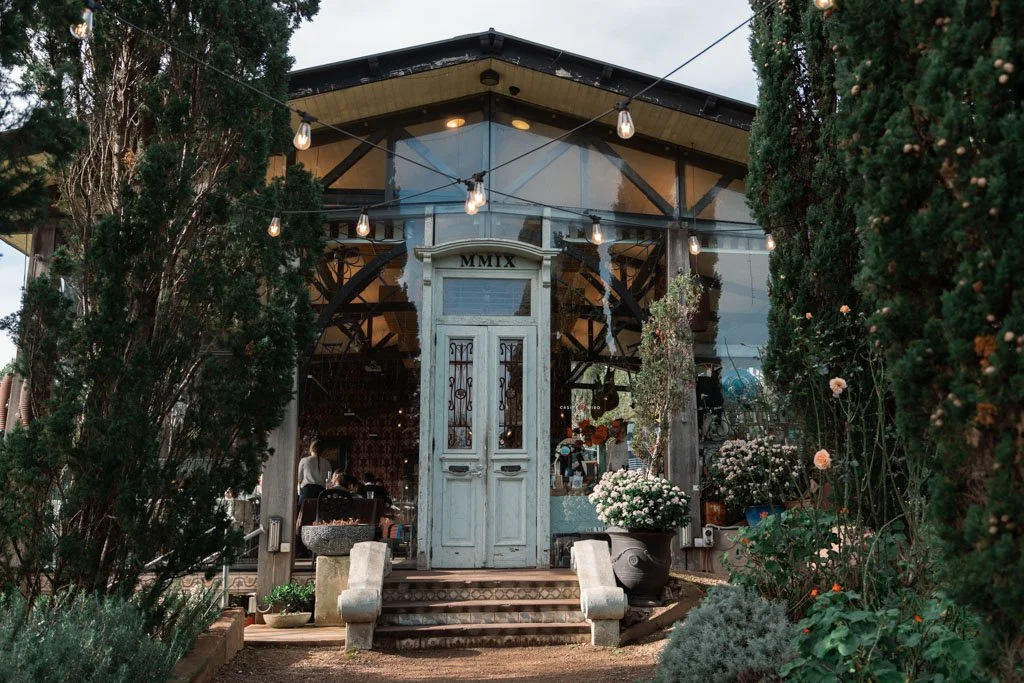
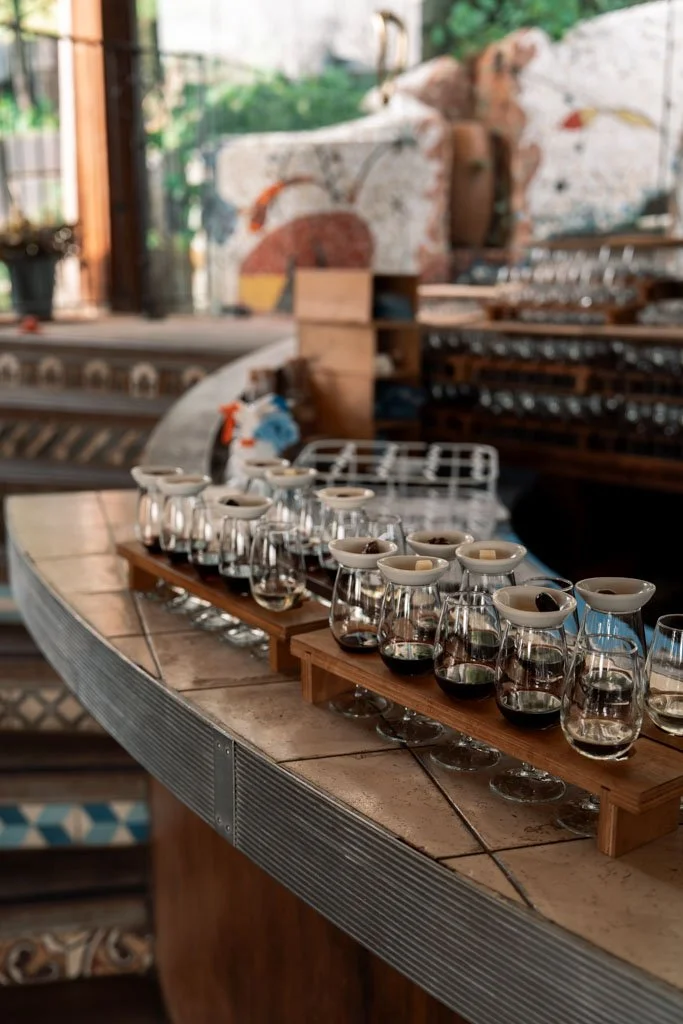
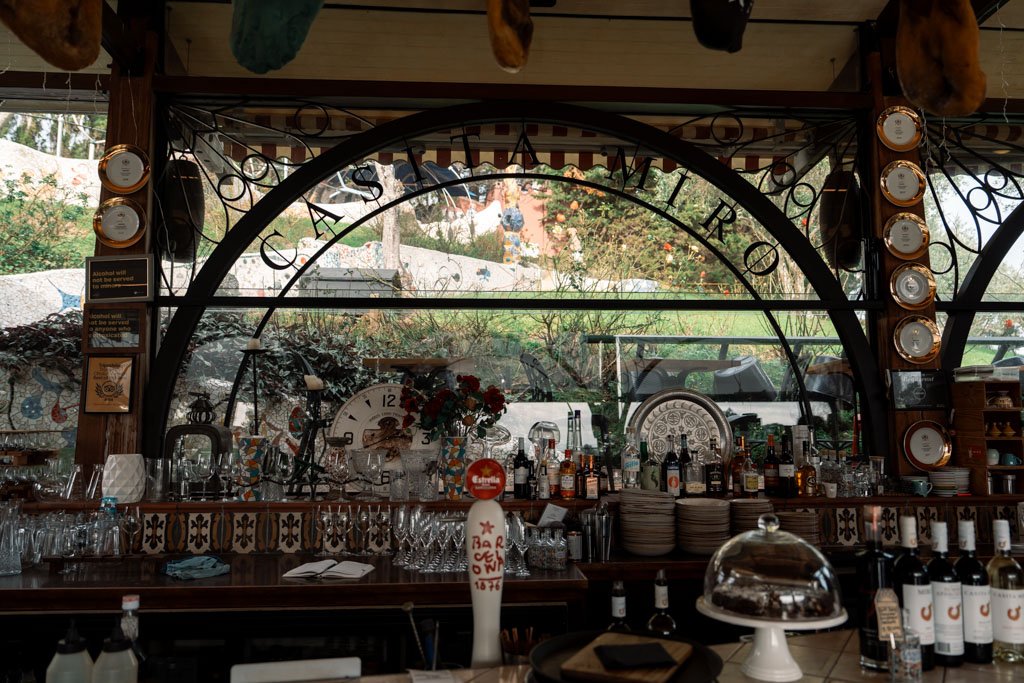
Casita Miro has a beautiful restaurant perfectly positioned to catch sunbeams — you can even see the sea from inside. In the summer months, you can eat and drink from the comfort of bean bags and blankets laid out under olive trees in their garden.
The food is exceptional. I highly recommend ordering the the pan y salsas from the tapas menu, which includes homemade focaccia, alongside olives and olive oil produced from the trees on the lawn outside. The paprika flavoured olive oil is delicious with Casita Miro’s Summer Aphrodisiac red blend wine.
Te Motu
Te Motu
Te Motu
Te Motu
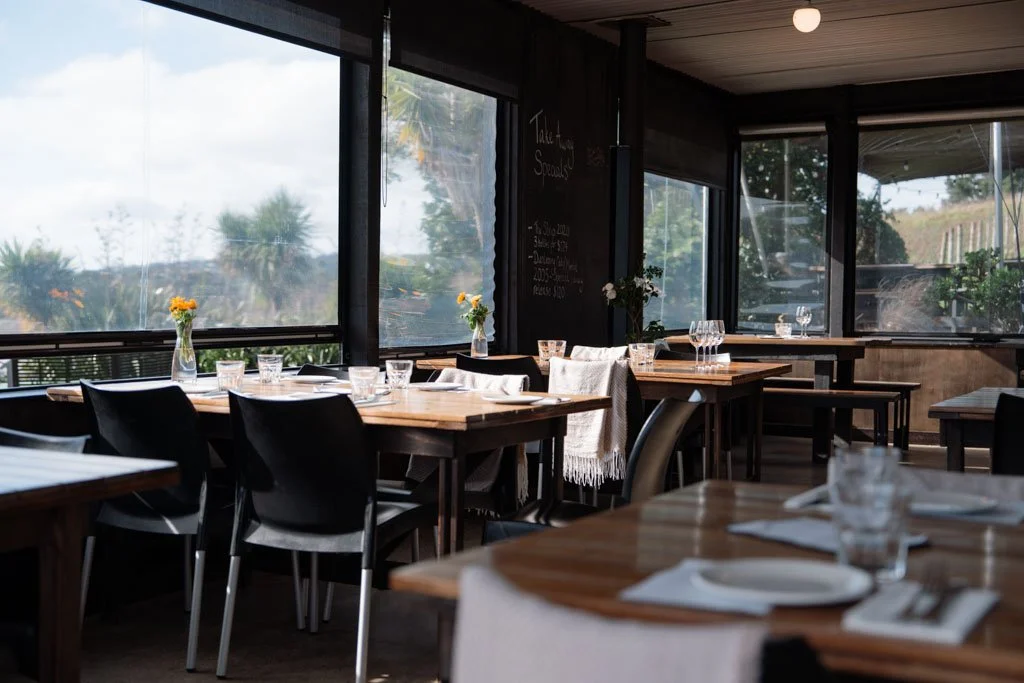
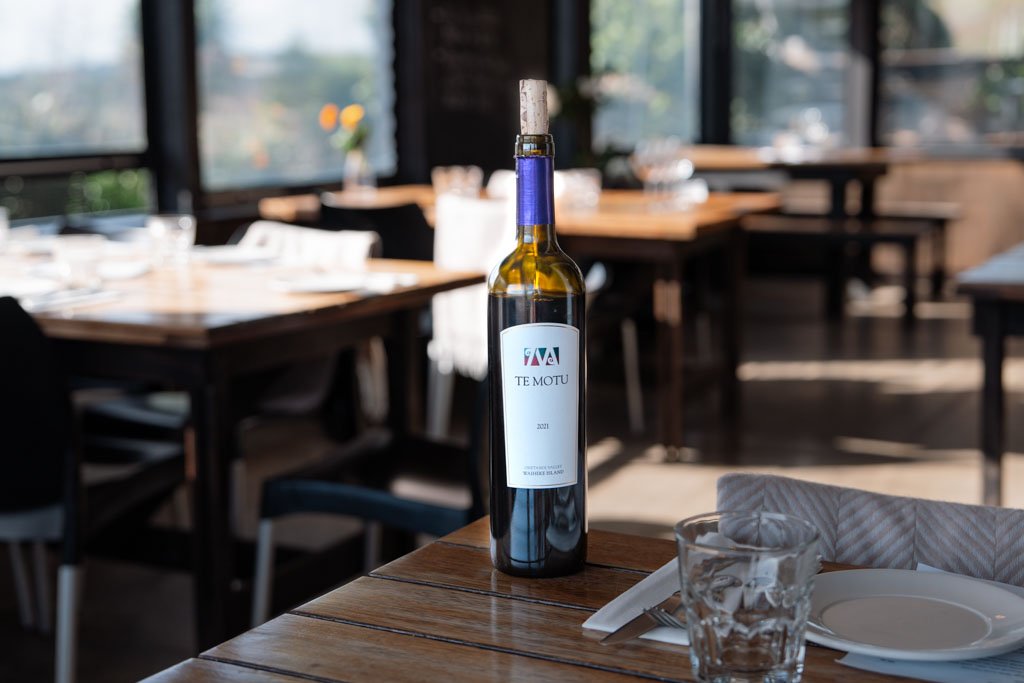
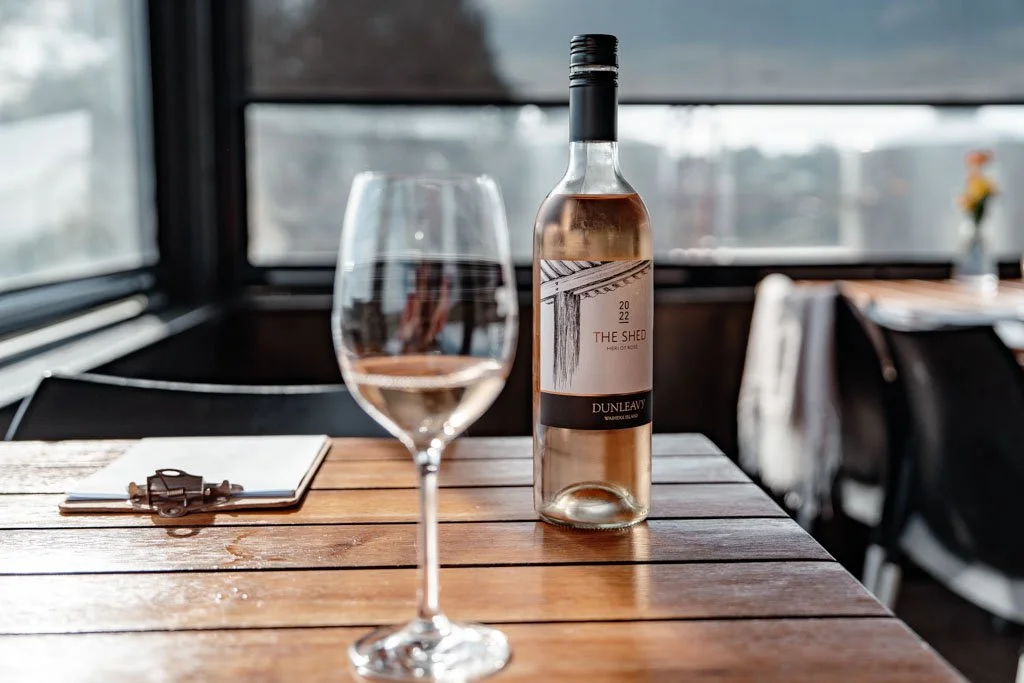
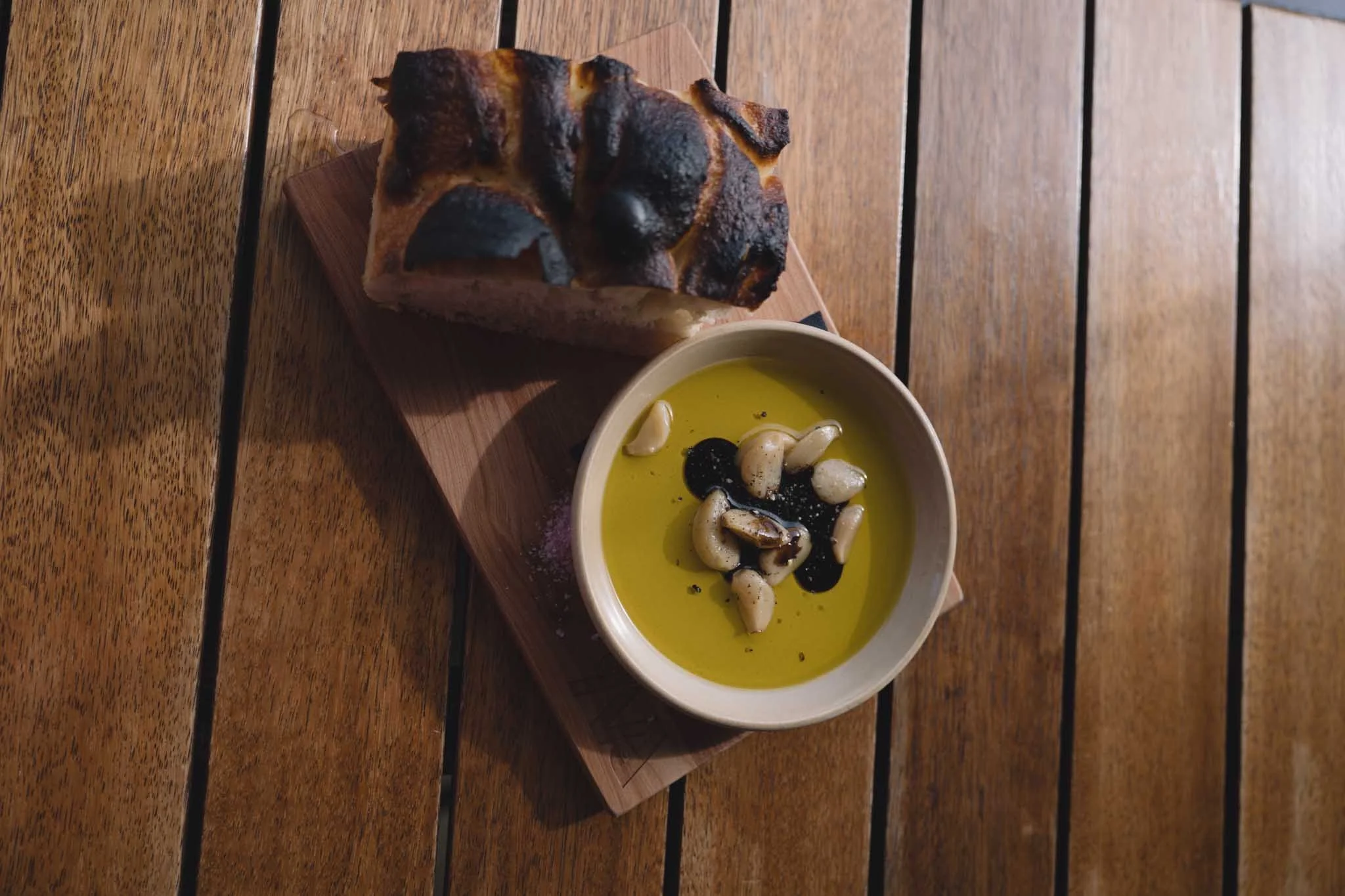
A huge, slightly charred loaf of focaccia was the first thing I saw walking in the door of Te Motu’s The Shed restaurant, resting on a bench by the kitchen. It was so fresh, the portion I ordered was still steaming when it was placed on my table. The food at Te Motu is superb, one of the best places to eat on Waiheke. The short but sweet menu is focused on seasonal ingredients; produce comes from their kitchen garden.
My wine tasting take place seated at a table in the restaurant, and it was lovely making my way through Bordeaux styled blended red wines while enjoying food as well. The setting is relaxed and intimate, with painted black corrugated iron walls and concrete bathroom basins adding to the shed theme.
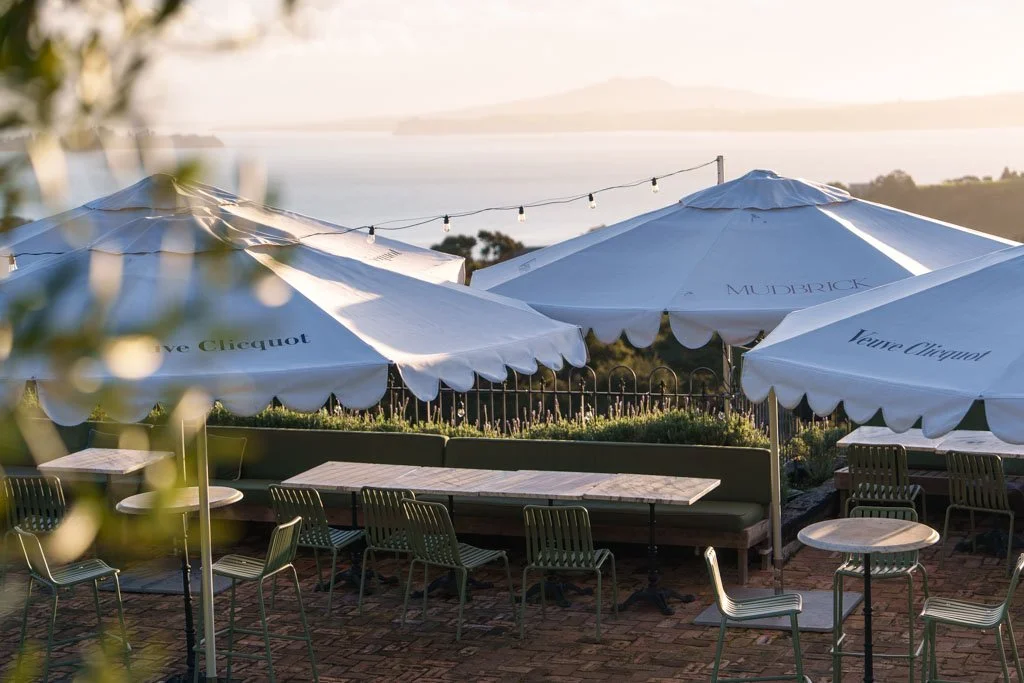
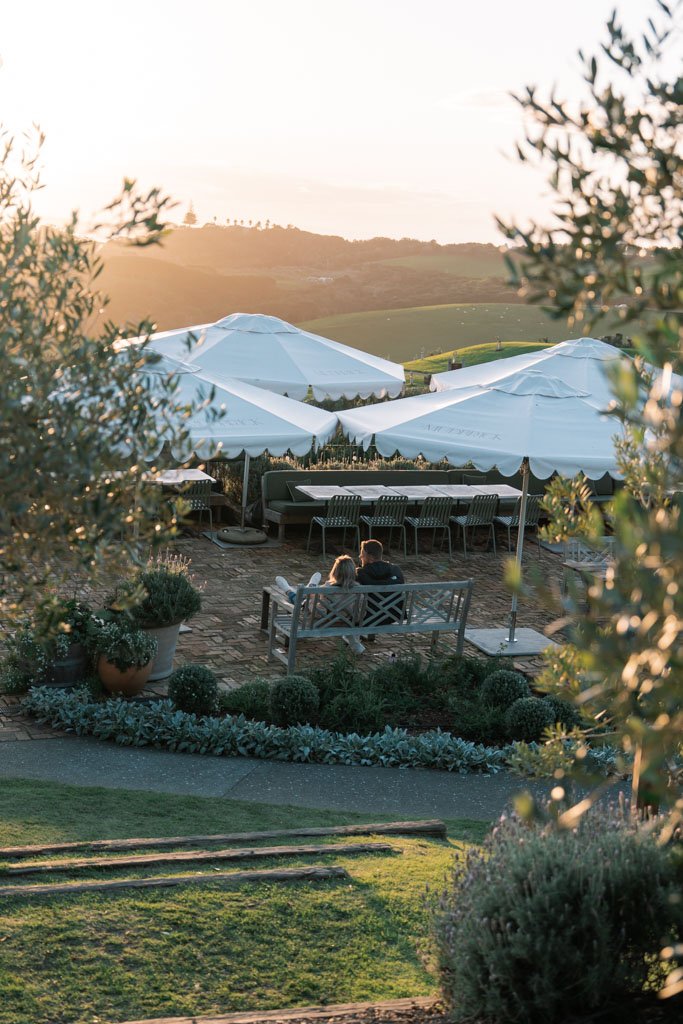
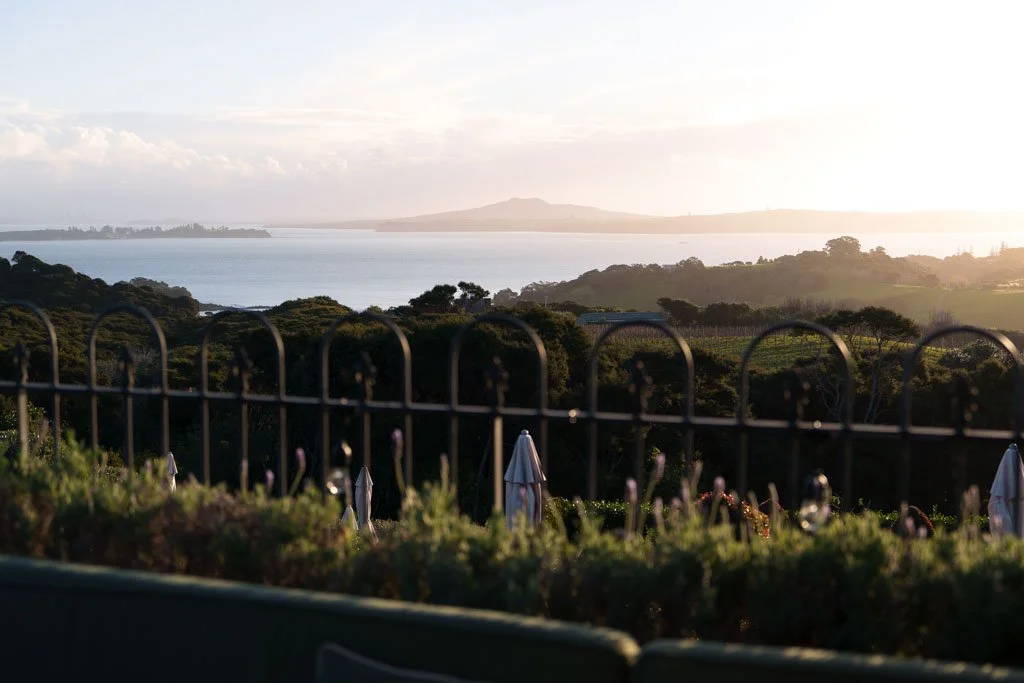
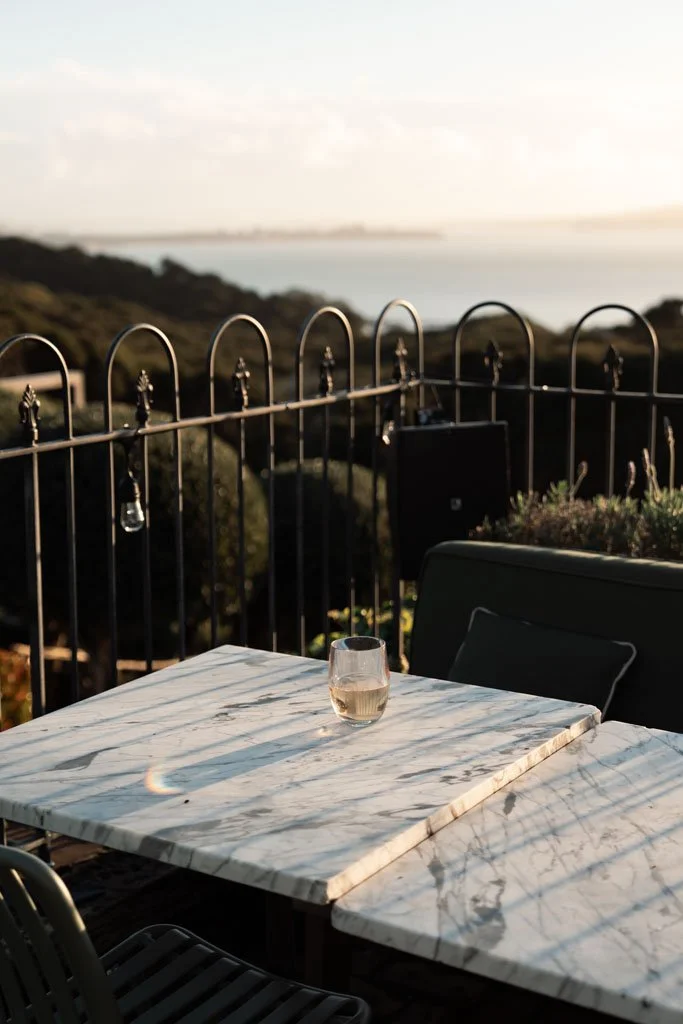
Mudbrick, meanwhile, is easily the best choice for a glass of wine at sunset, with views of Rangitoto that are tinted dreamy gold in the last hour of the day. The rooftop terrace is ideal for golden hour drinks, with a garden of lavender and olive trees to wander through. Mudbrick has exceptionally pretty grounds, and both a bistro and a restaurant for dining.
The details
The easiest way to get around Waiheke’s vineyards is to book a wine tour. That way, you’ll get to see the highlights, tick off several tastings, and not have to worry about transport when you’re stumbling out to the carpark of the third vineyard you visit. I recommend going with Kiwi Connect on their scenic wine tour. They are a small and local company that will ferry you around in electric vans. You can also choose to see the lesser visited eastern end of the island with them.
The cheapest way to get around is via public bus. Buses leave from right outside the ferry terminal and connect the main centres of the island, so you can get around pretty easily. Many of the vineyards are clustered together, so you can actually walk in between them.
Another cost effective option is Fullers’ combined ferry/hop on hop off bus ticket, which will get you to all of the key places on the island (going where the public bus doesn’t).
Renting a car gives you the freedom to explore all corners of the island — explore options on Discover Cars.
Eat your way around Waiheke
For a relatively small island, Waiheke produces some excellent food. There is island-grown olive oil, oysters harvested from just offshore, and plenty of organic veggies. All of this means Waiheke is just as much a destination for food as it is for wine; you could visit the island without drinking a drop, and still leave a satisfied gourmand.
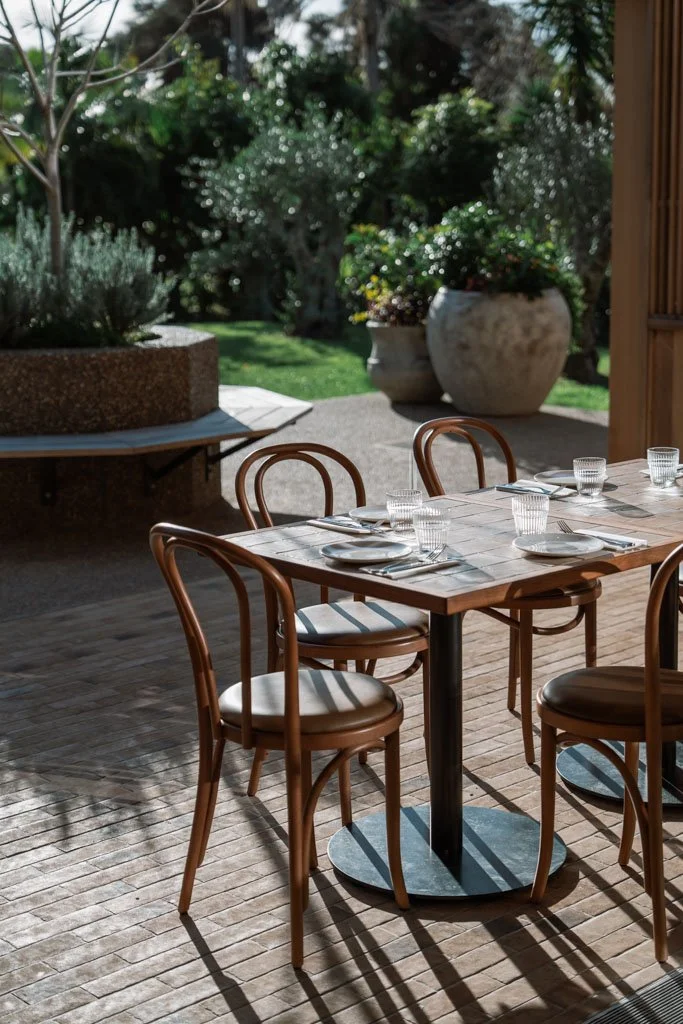
Bistro Allpress
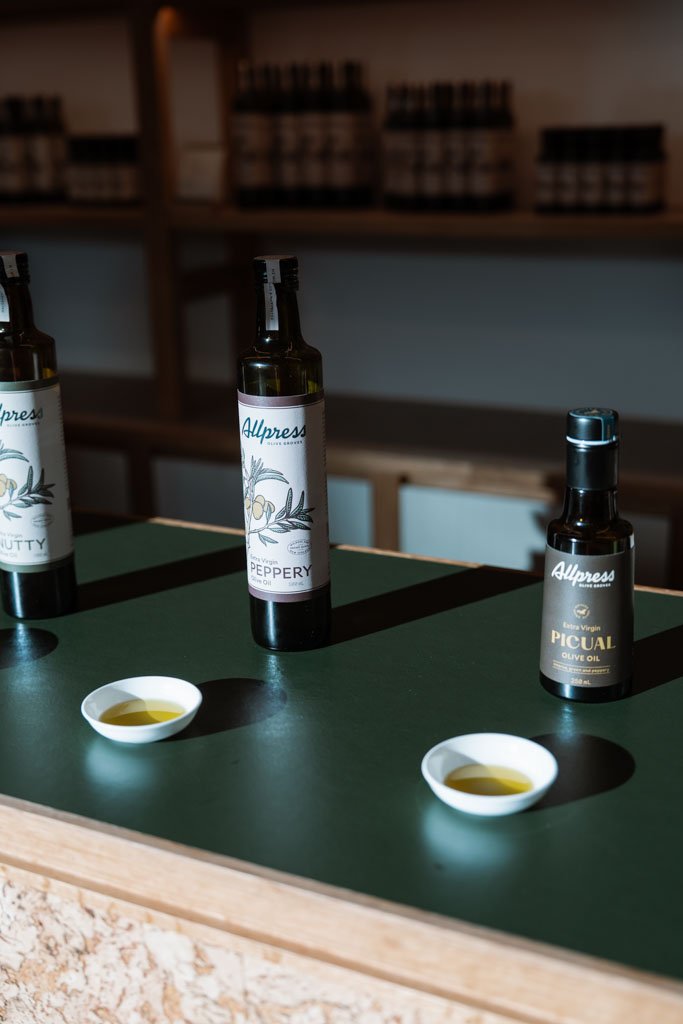
Olive oil tasting
Allpress Olive Groves is well worth visiting while on the island. Waiheke’s microclimate is perfect for growing olives; the dusky green trees are a common sight in winery gardens around the island and some (including Casita Miro and Kennedy Point) produce their own olive oil. At Allpress Olive Groves, olive oil production is the main event, instead of the side gig.
The business (which gets its name from the founder, Michael Allpress, who also founded the coffee brand Allpress Espresso) grows and mills their own olive oils, and in late 2025 opened the brand new Bistro Allpress as a destination for good food that lets olive oil shine. And by that I mean the woodfired pizzas come drizzled with liquid gold, and will leave your fingers slick with oil, in a lavish way. The bistro building is an airy, light filled space accented in pale wood. The outside terrace is set in an amphitheater-like space surrounded by hills lined with olive trees.
There is a tasting room and store on site as well, where you can taste the range of handcrafted extra virgin olive oils and learn how Allpress grow, harvest and mill olives.
There’s no shortage of coffee and home made goodies on Waiheke, either.
Located in the marina at Pūtiki Bay, Floating Cafe KOKO is surrounded by water and perfectly positioned to catch the morning sun. Owners Kohei and Akane Yamashita bring a beautiful Japanese minimalism and attention to detail to both the cafe’s interior and the menu. Their speciality – aside from the stellar coffee served in colourful cups – is rice breads and sweets, freshly baked in-house every day. The rice bagels are chewy and slightly sweet, and there is a small cabinet of sandwiches made on rice bread as well. Everything is gluten free.
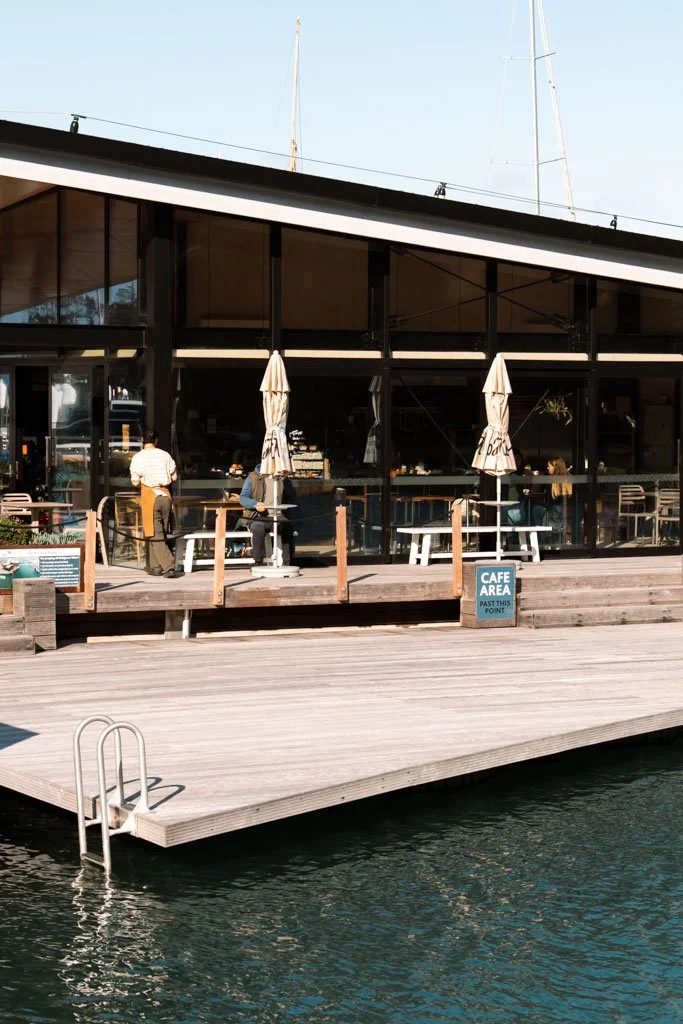
Floating Cafe KOKO
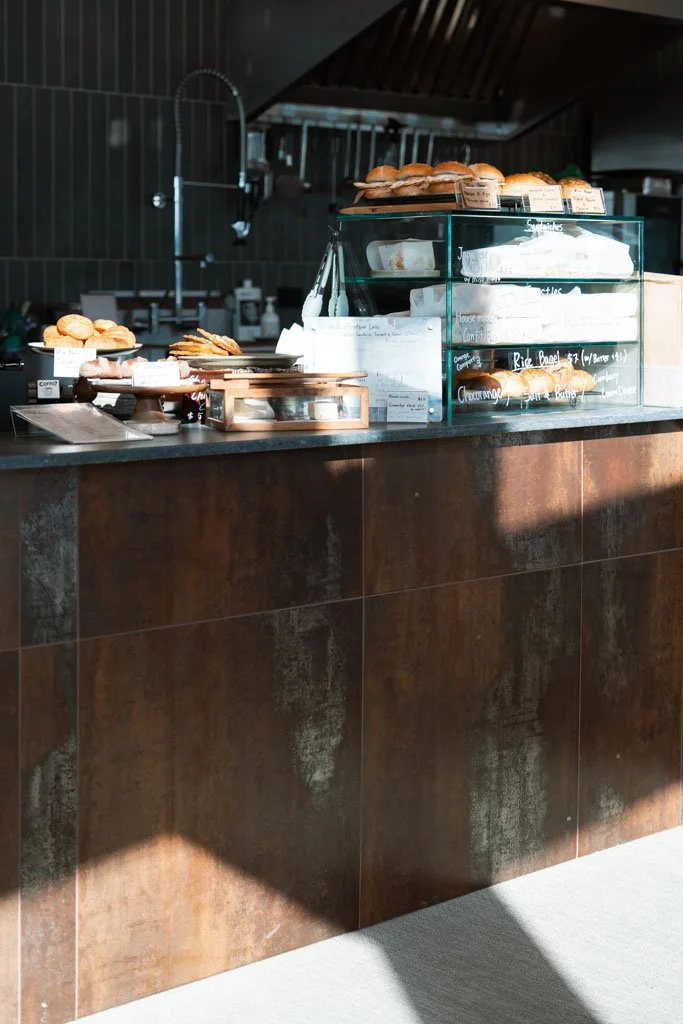
Floating Cafe KOKO
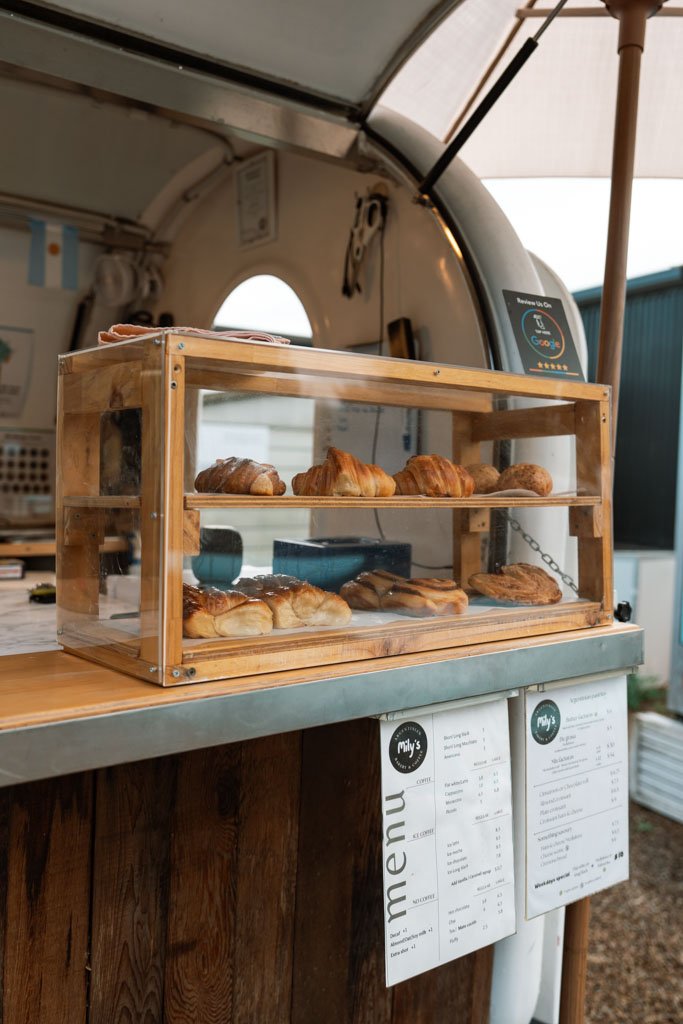
Mily’s
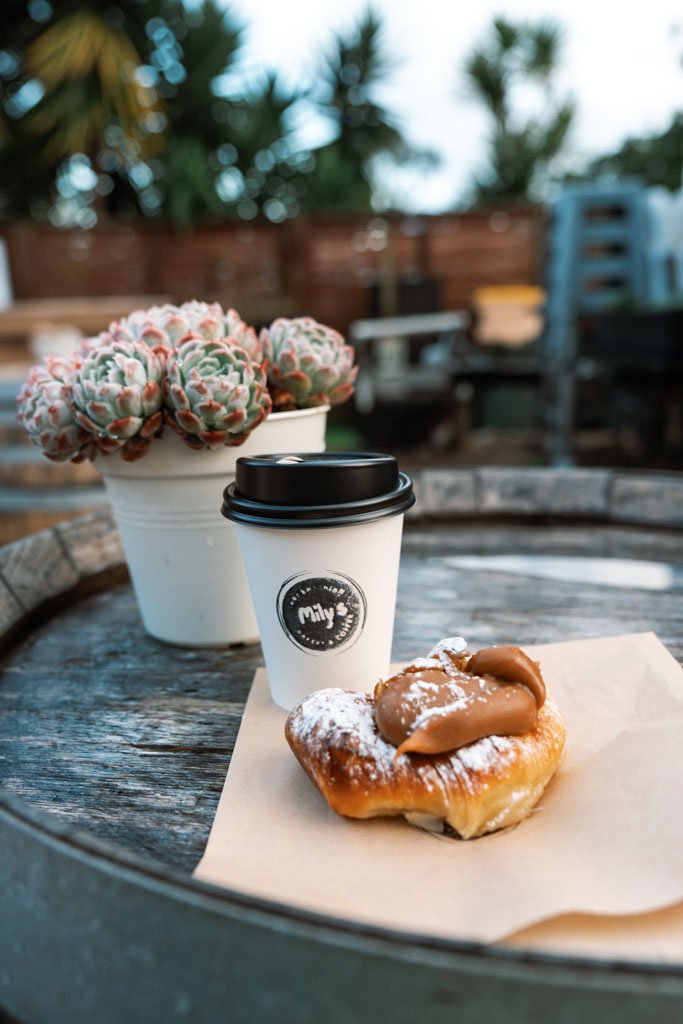
Mily’s dulce de leche media luna
A lovely little coffee cart in Ostend, surrounded by mismatched and quirky outdoor seating, Mily’s (run by Argentinians Mili and Tavi) serves golden, buttery handmade Argentinian pastries to go with your morning coffee. The medialuna with dulce de leche was a deliciously decadent morning treat.
Speaking of morning treats, Island Frenchie in Oneroa is a true local go-to. Tucked into an old shipping container next to Island Gelato, this little café serves creative breakfast and lunch (often with homemade bread), as well as classics like French croissants and my personal favourite, custardy canelé with a crunchy, caramelised exterior.
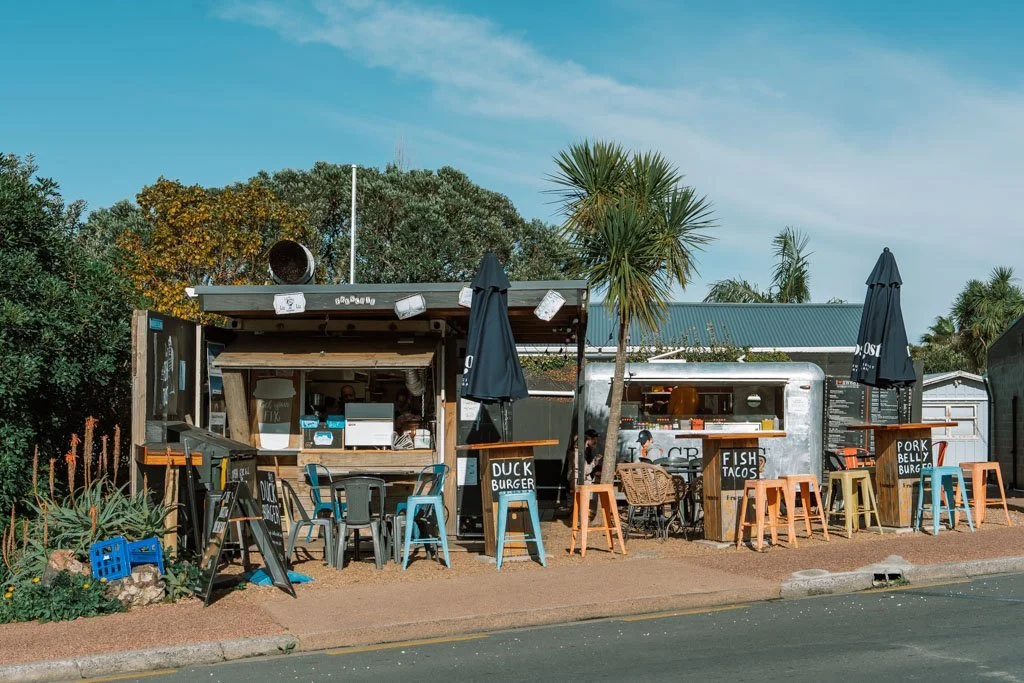
Island Frenchie
Another favourite of mine is Mia Yeast. It’s worth going to Onetangi just to stop by this organic German bakery, but if you don’t get that far they also have a stall at Ostend’s Saturday market. Everything is handmade from scratch with love by bakers Susann and Jan, who will be more than happy to detail the ingredients of each item.
One of the first stops I usually make on Waiheke is The Island Grocer, a family-operated deli and grocery store which is well-stocked with everything you need for a picnic. Gather a selection of spray-free fruit, bread, sandwiches or other locally-made goodies and wander down to Oneroa Beach or neighbouring Little Oneroa.
Either beach is perfect for swimming, basking in the sunshine, and picnicking on your foraged goods.
In the late afternoon, make your way to Island Gelato for a cone. Try the feijoa coconut swirl, a truly island-like flavour made from New Zealand’s beloved summer fruit — if you’ve never tried feijoa before, now’s your chance. It tastes a little like pineapples, or perfume, depending on who you ask.
Go for a walk around the island

Walking tracks start from the ferry terminal, which makes walking around Waiheke easy
There are plenty of things to do in Waiheke Island that don’t involve wine and food. I have visited on day trips just to walk around the island. The water views and beaches are so stunning.
The Te Ara Hura trail is a network of walking tracks that loop around the entirety of Waiheke Island. Walking sections of this trail is one of the most overlooked activities on Waiheke.
One of the easiest parts of the trail to tackle is the section from Matiatia to Oneroa.
You can start the trail as soon as you get off the ferry. Just take a left from the Matiatia ferry terminal and follow the trail. It takes around two hours to walk around the coast to Oneroa village.
The track is gorgeous, looping past quiet bays and giant mansions alike. It’s nice to see more of Waiheke outside the polished vineyards and restaurants.

The Fisherman’s Rock walk
From Oneroa, you can walk back to the ferry terminal via the Oneroa Forest Path in around 40 minutes, so this walking trail makes a great option for a day trip from Auckland.
Or make your way to the Fisherman’s Rock path, which starts from Little Oneroa Beach and follows a coastal route past rocky coves and picnic spots.
Whakanewha Regional Park is another of Waiheke’s hidden gems, and a great destination for a walk. Although it’s located on the western side of the island, so the beaches aren’t as pretty as the white sand bays of the east coast, the regional park is an excellent spot for bird watching.
Waiheke Island is possum free, which means native bird and plantlife can thrive.
While walking through Whakanewha park, keep an eye out for endangered dotterels on the seashore, as well as tui, kereru, and other birds flitting through the trees. A five kilometre walk — the Park Walk — loops around the park through coastal forest, past a stream with small waterfalls, and along the coast. It takes around 2.5 hours.
Sink your toes into white sand at one of Waiheke’s beaches
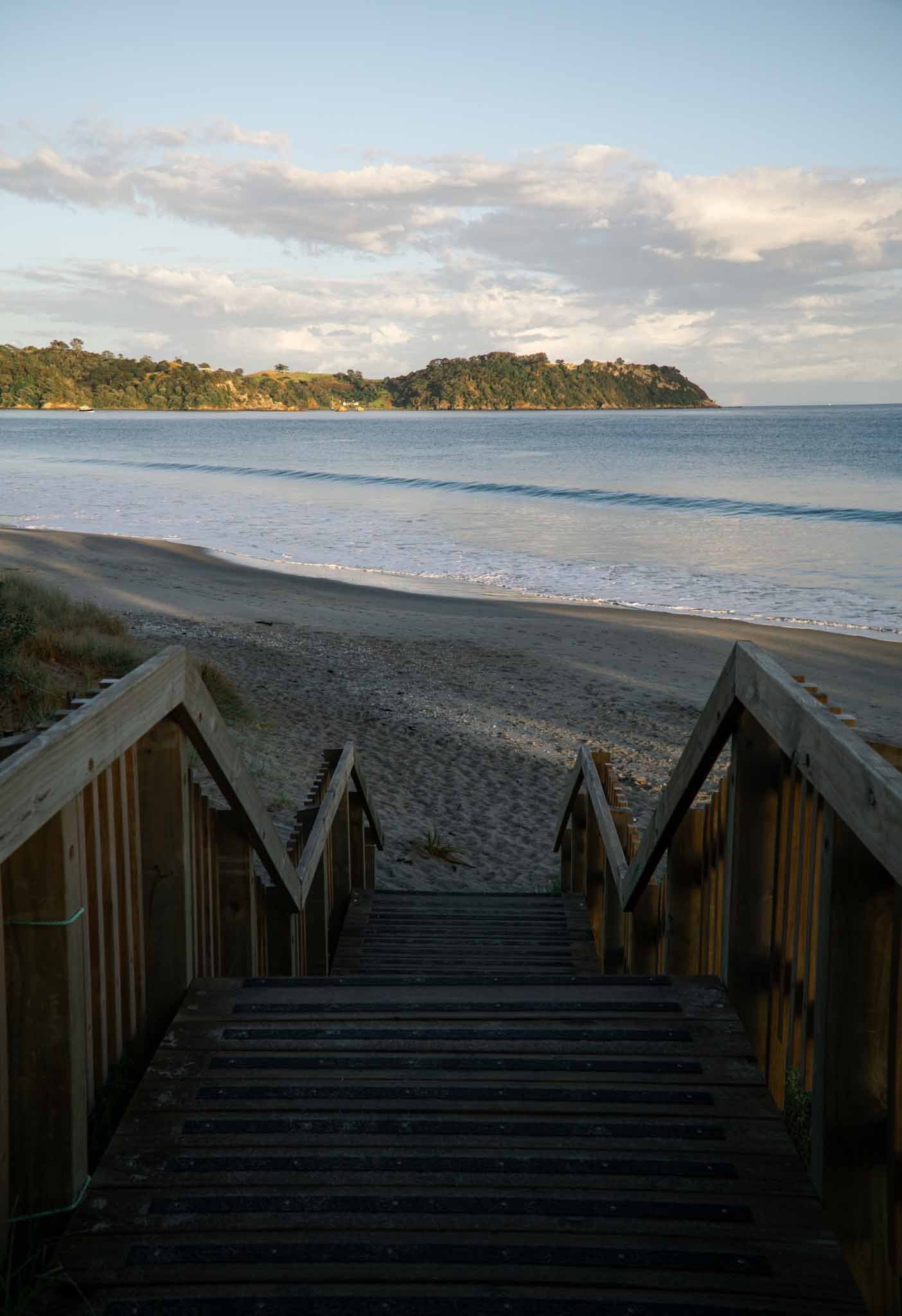
Onetangi Beach in the morning

One of my favourite things to do on Waiheke Island is head to the beach. The northern edge of the island is lined with white-sand bays. Calm, still waters make these beaches perfect for swimming, and the soft sand is ideal for lounging.
Oneroa is one of my top beaches in the whole Auckland region. The water is like blue glass and the sand as soft and white as vanilla gelato. Little Oneroa Beach, a small bay at the eastern end of Oneroa Beach, is a secluded spot to spend a few hours.
Onetangi Beach is also beautiful. It’s a longer stretch of sand, so a good place for beach walks.
If you’re brave, you can make your beach visit a nude one. Waiheke Island wasn’t always a luxury getaway. The island used to be the domain of hippies before fancy vineyards and swarms of hen’s parties took over the island. The unofficial nudist beach at Little Palm Beach feels like a slice of the old Waiheke Island. You can catch a glimpse of a more bohemian way of life here.
This small bay is tucked away from the larger Palm Beach, so it has a lovely private feel. The beach is a pretty spot to swim and sunbathe. I came here with a group of friends unaware that people like to hang out here nude. We slowly realised we were the most dressed people on the beach. After a couple of hours of building up the courage, we finally stripped off and went for a swim. It was fun!
Although that was a surprise to realise, it’s not at all creepy and you’ll see people of all ages (and shapes and sizes) stripping off and enjoying the sunshine.
See Waiheke’s creative side at the markets and galleries around the island


On Saturdays, Ostend bursts to life with market stalls sprawling along the street and on the grassy area outside the community hall.
Browse alfajores at The Argentinian Bakery) there is a large Argentinian population on Waiheke, so this is nearly a cultural experience), organic produce and spray-free greens from the community garden, second hand books, honey and olive oil produced on the island, and handcrafted jewellery.
If you’re after coffee, collect a reusable cup from one of the zero waste stations.
I’m also a fan of the ramshackle Red Shed Arts Collective Gallery. Housed in a building dating back to the 1920s – which looks like it has barely been renovated in that time – this gallery is a cooperative of artists from around Waiheke. There’s a range of sculpture, ceramics, painting, and photography, with some great little knick knacks to take home as souvenirs.
Going beyond wine: More places to get a drink on Waiheke

Photo - Waiheke Distilling Co
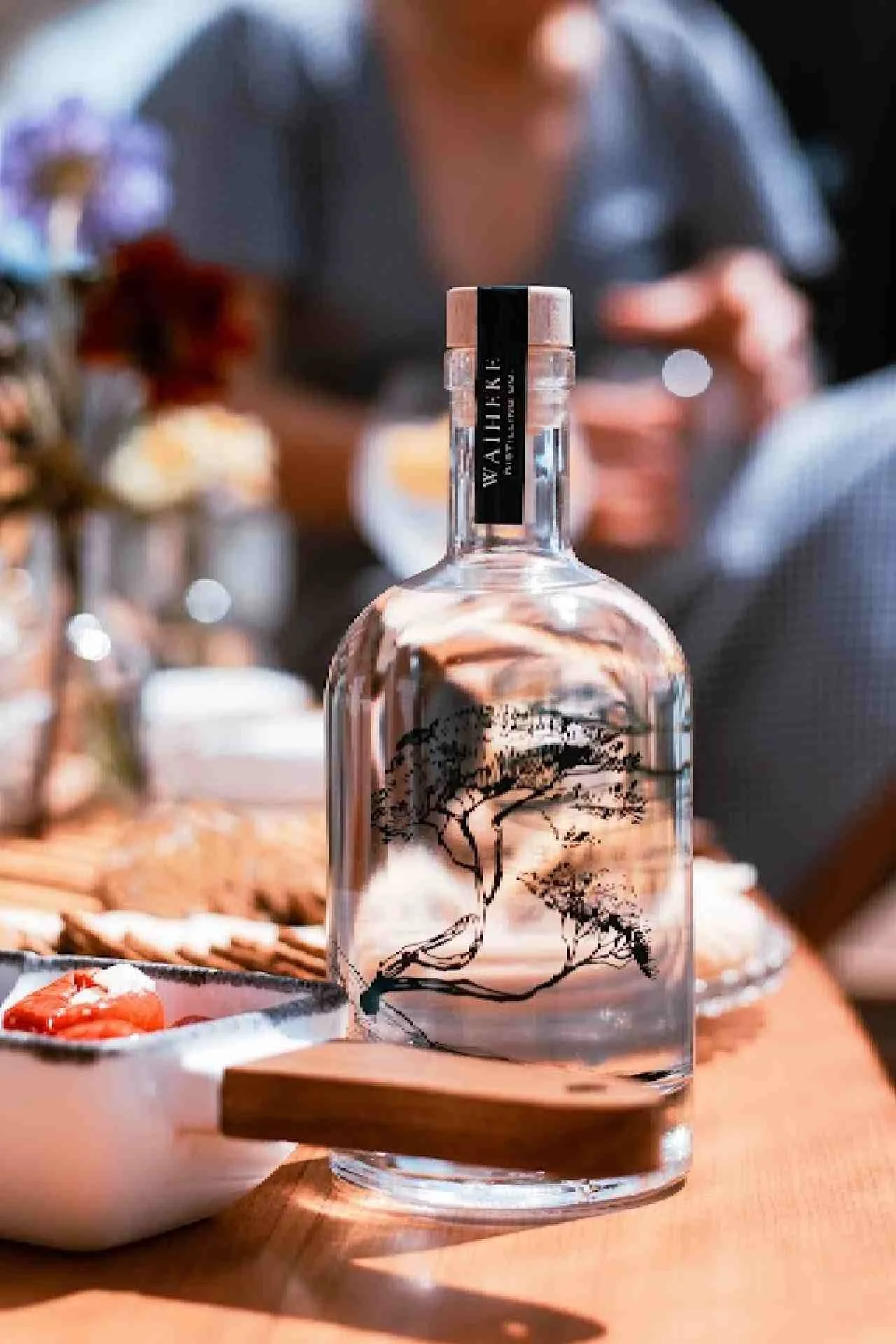
Photo - Waiheke Distilling Co
Waiheke Distilling Co might be one of New Zealand’s most scenic distilleries, set on the ridge above Cowes Bay.
It’s a little out of the way, but worth the trip. Plus it’s only a 10-minute drive from Man O’War, so you can easily combine the two.
The craft distillery has a garden bar where you can enjoy a gin and tonic with a view. And what a view it is, looking out across other islands studding the bright blue water of the Hauraki Gulf.
You can also take home a bottle as a Waiheke souvenir — try the Spirit of Waiheke gin, which is crafted from dried New Zealand kelp.
The Heke is a super fun bar, with lots of outdoor seating and games to get stuck into.
Food is prepared over a wood fire. It’s a great place to park up for the afternoon and enjoy a long island Waiheke iced tea (or four).
It also makes a nice change of pace from fancy vineyards, if you’re with a family or group.
If you’re looking for somewhere to enjoy some live music with a view, check out Aperitivo in Oneroa.
Where to stay on Waiheke
There aren’t any large hotels on Waiheke; accommodation on the island is mostly in the form of holiday houses with the occasional boutique luxury lodge. There are a handful of holiday home management companies on Waiheke, but they all seem to list properties on Airbnb, so that’s a good place to start looking for accommodation. These are the places I have stayed, and enjoyed.
One O One Cabins
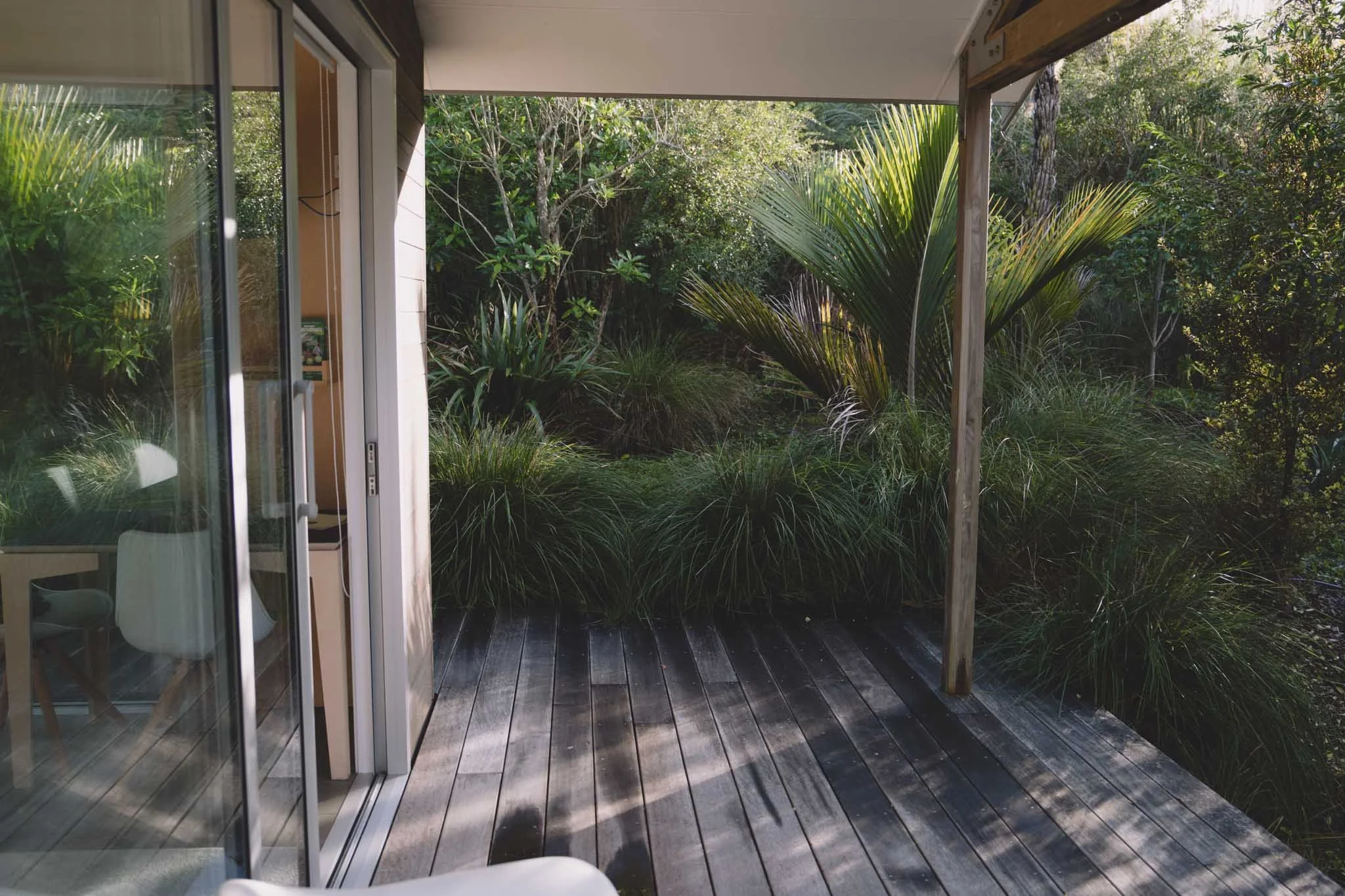
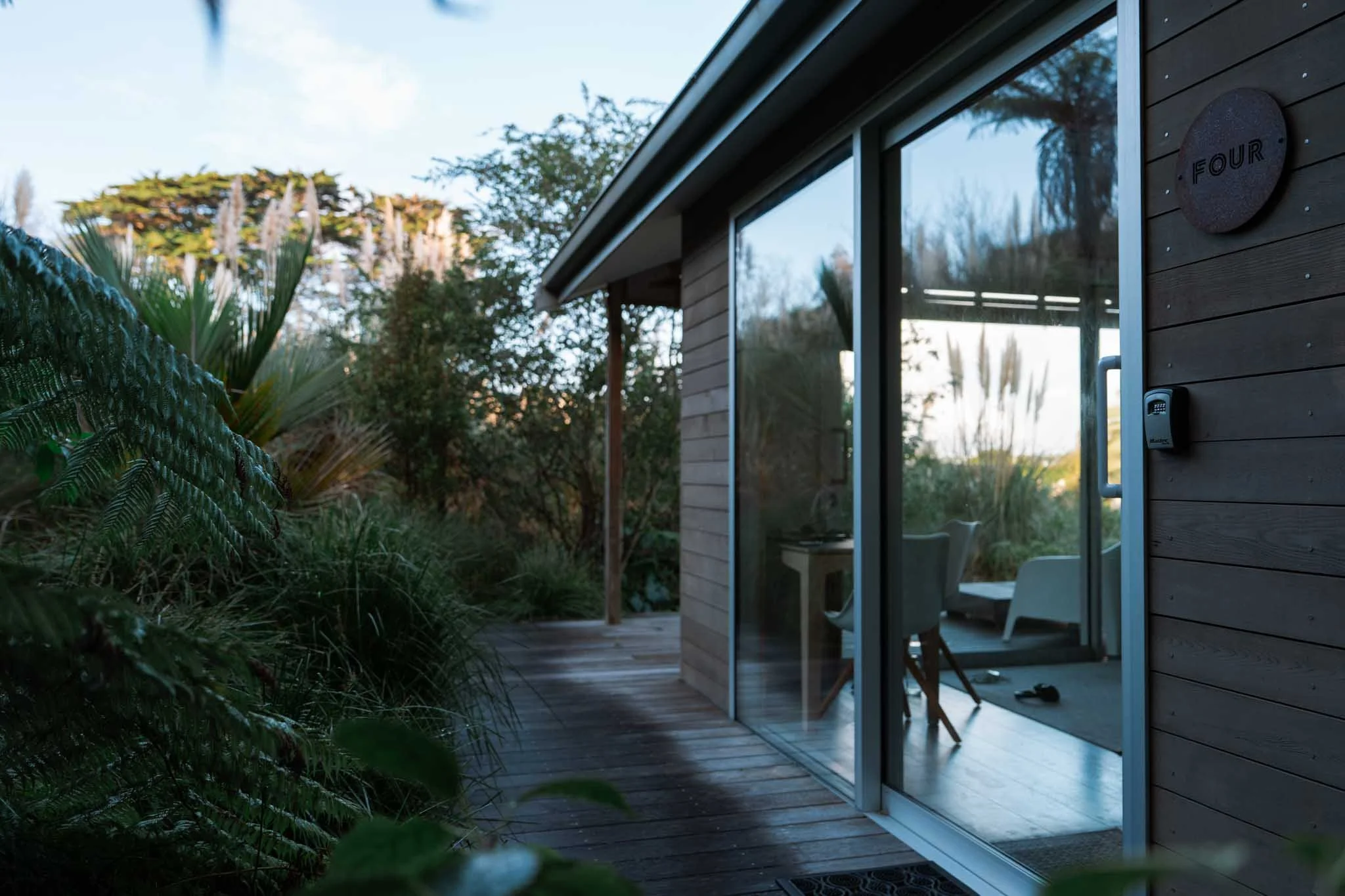
Although only a 10 minute walk from Oneroa village (and 15 minutes walking from the ferry terminal, and a 20 minute walk from Mudbrick) these sun-dappled cabins are surrounded by native bush. The path to the cabins is steep, but it's a short sharp climb. Everything inside is modern, with pale wood and a Flox painting above the bed. Floor to ceiling windows look out to native bush, and the deck came with hammocks as well as chairs. The kitchenette was surprisingly well equipped, with complimentary chocolates.
My cabin was the highest, so entirely private. I stayed in Cabin Four, furthest from the road, and I could still hear a little road noise; Cabin One might be a little noisier but it's hardly a busy road. I had to pass by the other cabins on my way down the driveway and could see into the living areas, so they have a little less privacy.
The details
Studio rooms from $220 — book via Booking.com
Hidden Valley Waiheke
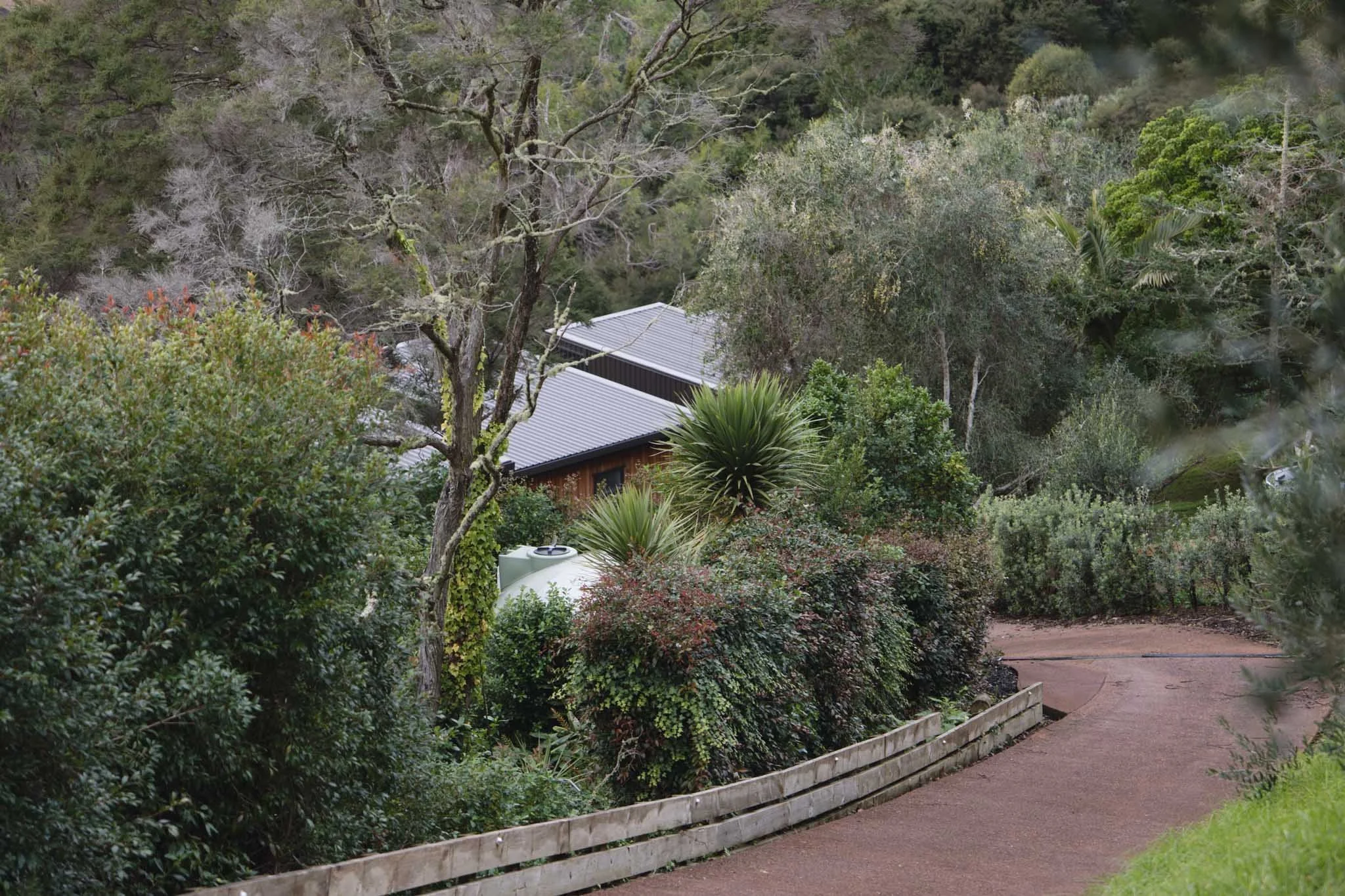
Pod style accommodation located down a very steep driveway (a sign at the top recommends 4WD vehicles only, but the owner assured me regular vehicles are fine as long as you go slowly), Hidden Valley is modern, clean, and well equipped. My studio – the Fantail Suite – had an air fryer along with the standard toaster and kettle. The view is of a green valley, and the benefit of the perilous driveway is that the property is blissfully quiet.
There was no coffee machine, or chocolates on arrival, and the folder of local recommendations was disappointingly bland, but that’s nit picking; for the most part, this was a flawless stay.
The details
Rooms from $250 for a studio — book via Booking.com
Waiheke Backpackers Hostel
Run by Auckland council, this hostel is basic but clean, and it’s stunningly well located on a hill above Onetangi Beach. Tables in the front garden overlook the sea, and Casita Miro is only a ten minute walk away. It’s one of the most economical options for a night on Waiheke.
The details
Dorm beds start from $40 — book via Booking.com
Thanks for reading
My life as a travel writer wouldn’t be possible without you, so thank you for taking the time to read my work.
All of the recommendations in this article are the result of my personal, on-the-ground research. I only mention places I have actually been to, and as much as I can, I pay my own way, with the goal of being fully independent. I refuse to use AI, or outsource any part of the running of this website.
In short, I’m trying to be as trustworthy as possible; I hope this article has been at least a little useful in planning your visit to Waiheke.

AUTHOR BIO
I’m a freelance travel writer from New Zealand with bylines in National Geographic Travel, Conde Nast Traveler, Travel + Leisure and more.
I’ve travelled up and down beautiful Aotearoa and I love sharing my recommendations for the best places to visit in New Zealand.
READ MORE