Plot a route through the volcanic landscapes and wine regions of the North Island.
Disclosure: This itinerary contains affiliate links, which means I make a small commission (at no extra cost to you!) if you make a purchase via those links. Thanks for your support!
From where I live, in Rotorua, many of the North Island’s highlights are within easy reach. Thermal hot springs and geothermal parks surround the town; the underground caverns in Waitomo, and the moonscapes of Tongariro National Park are just a couple of hours away.
This volcanic heart of the North Island is the ideal base for exploring when you only have 10 days.
With a little more than a week at your disposal, you can also reach some of the wilder corners of the North Island, as well. While you could do a loop — Auckland to Waitomo, then Rotorua, and then back to Auckland — making your way south means you can touch on the wild coastlines and excellent wineries in the Wairarapa.
In this 10 day North Island itinerary, I have mapped out a journey from Auckland down through the heart of the island, with a mix of adventure and relaxation. I hope this gives you inspiration for exploring Te Ika-a-Māui.
Getting around
This 10 day North Island itinerary is designed for self driving. I have included hotel recommendations, but all of these destinations are just as well suited to campervans.
For campervans, I recommend Big Little Campers. Use the promo code PETRINADARRAH for 5% off.
10 day North Island itinerary overview
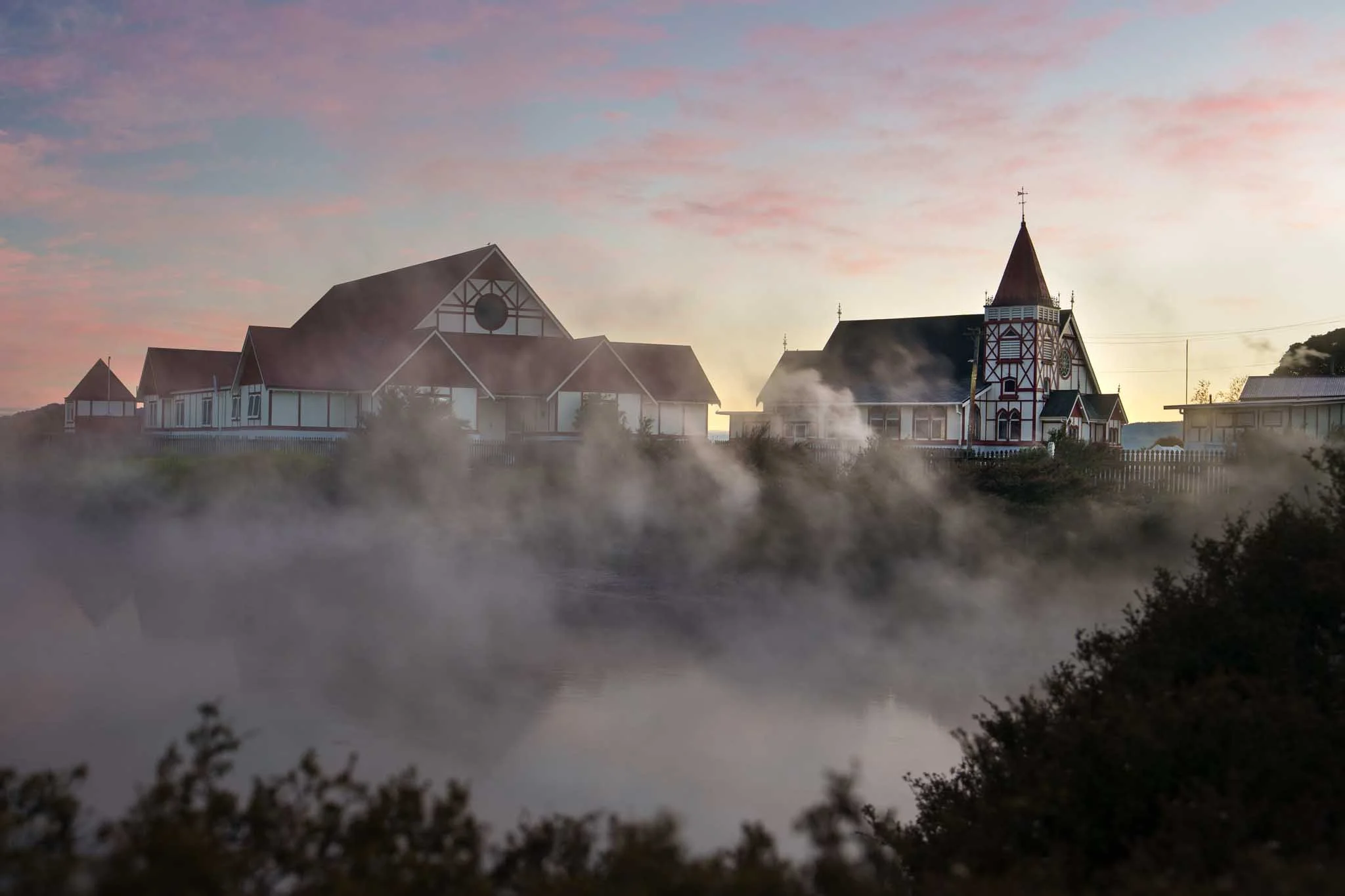
Sunrise at Ohinemutu in Rotorua
With 10 days in the North Island, you can save a little time by making this a one-way itinerary. You could easily loop back up to Auckland from Tongariro, stopping by the Coromandel on the way, but heading towards Martinborough and Cape Palliser takes you further off the beaten track.
Ending in Wellington, you can either fly to your next stop or catch the Northern Explorer train back to Auckland (you could also catch the train down to Wellington and travel north; there’s no inherent advantage either way).
Another option is to catch the ferry to Picton, to continue your travels in the South Island.
Ultimately, this 10 day trip can be either perfectly self-contained, introducing you to the North Island’s highlights and a few lesser known places, or it can be part of a longer New Zealand itinerary.
Day 1: Auckland
Day 2: Waitomo
Day 3: Rotorua (via Hobbiton)
Day 4: Rotorua
Day 5: Rotorua to Tongariro
Day 6: Tongariro
Day 7: Masterton
Day 8: Castlepoint to Martinborough
Day 9: Cape Palliser and wineries
Day 10: Wellington
Day 1 | Find your feet in Auckland
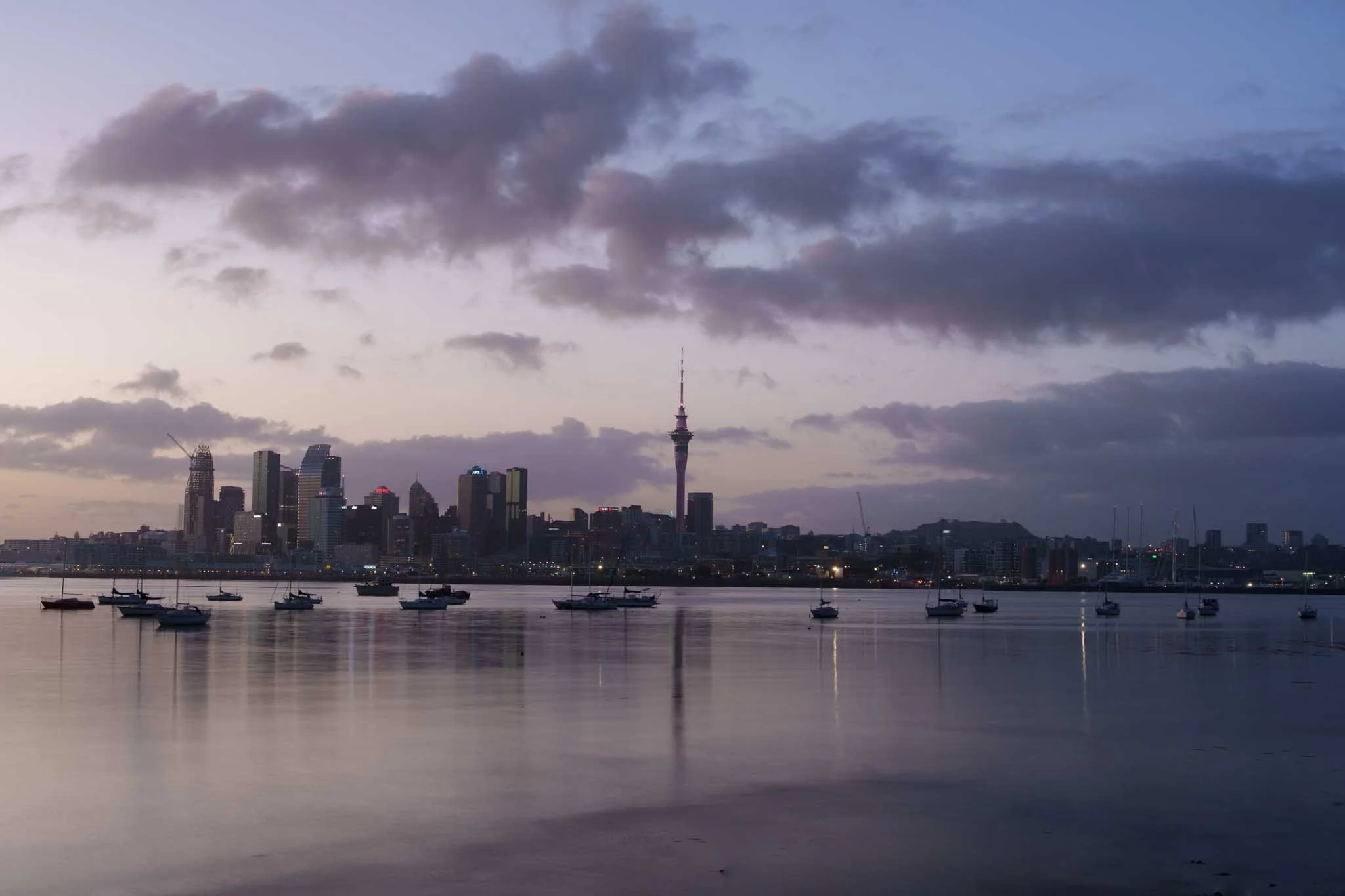
Auckland is unlikely to be your favourite stop on your North Island itinerary, but seeing as most international visitors arrive here after a long flight (often across mind-boggling date lines) it makes sense to stop for a night.
Auckland city has pockets of beauty, and plenty to offer on the dining front; the main challenge is that it can take time and perseverance to find parts of the city to love. On a 10 day North Island visit, that time is better spent elsewhere.
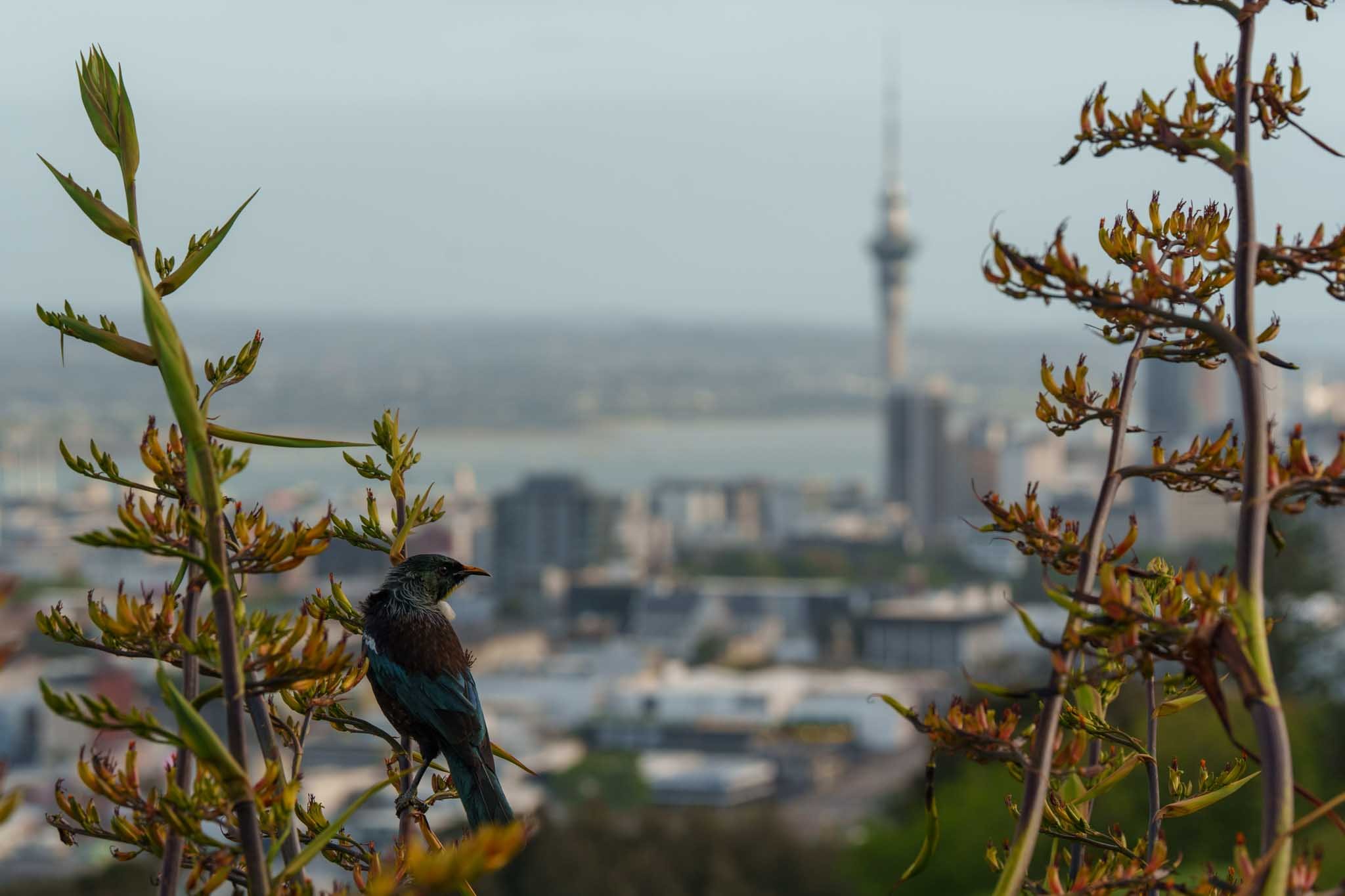
Views from Mt Eden, Auckland

Views from Mt Eden, Auckland
For a flying visit, your best bet is to find a hotel somewhere central (ideally around Britomart or the waterfront).
If you’d prefer to skip Auckland city altogether, but don’t want to drive after a long flight (a wise choice), an excellent option is to head straight to Waiheke. The island is easy to reach; Uber from the airport to the ferry terminal, and hop on the next ferry, they run at least every hour.
Once on the island, you can get to your accommodation via taxi, then get around on foot or by public bus. Waiheke feels worlds apart from the centre of Auckland, and the combination of sea views, white-sand beaches, and glossy vineyards can mean a thoroughly enjoyable way to recover from jetlag.
Either way, you can pick up a rental car from the centre of Auckland, rather than the airport, to save yourself the cost and stress of driving and parking in central Auckland. Most car rental companies have depots close to the city centre.
Stay in Auckland
Hotel Debrett is my top pick; right in the centre of downtown Auckland, it features unique decor in a heritage building (and you get a complimentary drink on arrival).
Stay on Waiheke
Day 2 | Waitomo
Drive time: 2.5 hours
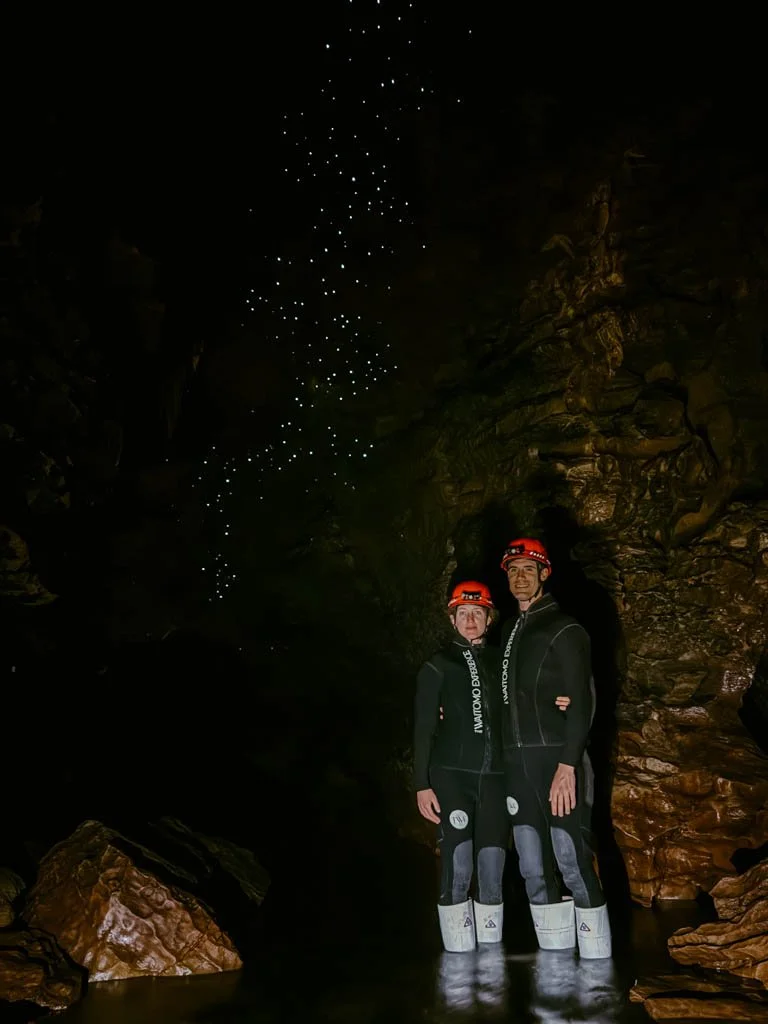
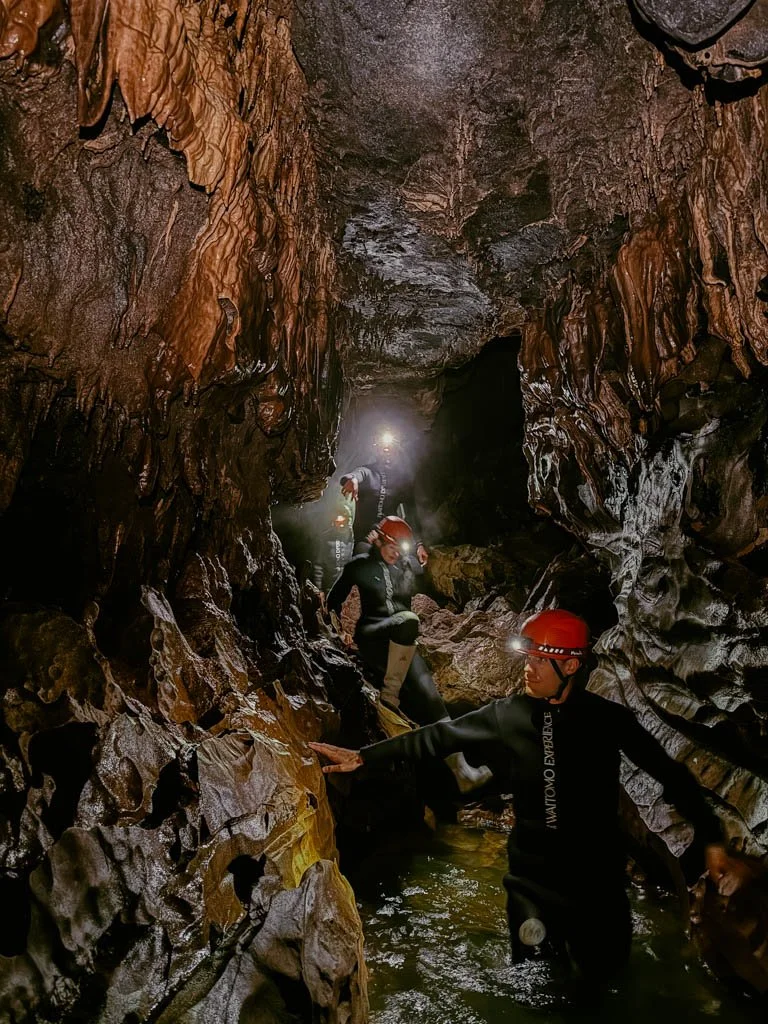
Two and a half hours south of Auckland is the rolling green farmland of the Waitomo area, beneath which lies an immense cave system containing limestone formations, rivers, and caverns. The name Waitomo comes from the Maori words wai (water) and tomo (hole or shaft).
Although glowworms are the star attraction for most visitors to Waitomo, the cave systems with their limestone formations, rivers, and caverns offer caving and adventure opportunities just as enticing as glowing bugs. There are many caves and tours to choose from, ranging from trips where you can keep your feet dry to those where you can jump feet first into pitch black water.
The cave with the most beautiful rock formations is Okohua Cave, visited by The Waitomo Experience. This trip features a bit of everything; walking, swimming, and floating along in rubber tubes. A more adventurous option is the black water rafting trip with Discover Waitomo. The Black Abyss tour includes an abseil and an underground zipline, along with black water rafting. Spellbound, meanwhile, focuses on glowworms rather than caving action, in caves that are much quieter than the main Waitomo Glowworm Cave.
Most of the tours have afternoon options, so you can arrive in leisurely time from Auckland.
After the tour of your choice, you can choose to spend the night in the Waitomo area, or continue on to stay closer to Hobbiton or even push on to Rotorua. The rural areas around Waitomo and Hobbiton both offer idyllic, rolling green farmland. There are some very pretty places to stay; it’s a good opportunity to find a farmstay.
Activities
Choose The Waitomo Experience for a lovely balance of walking, swimming, and floating through caves in rubber tubes. Use the code PETRINA when booking direct for a 10% discount.
Go for The Black Abyss tour for the most adventurous black water rafting experience
Choose Spellbound for stunning glowworms without the thrills.
Stay near Waitomo
Stay near Hobbiton
Day 3 | Hobbiton, then Rotorua
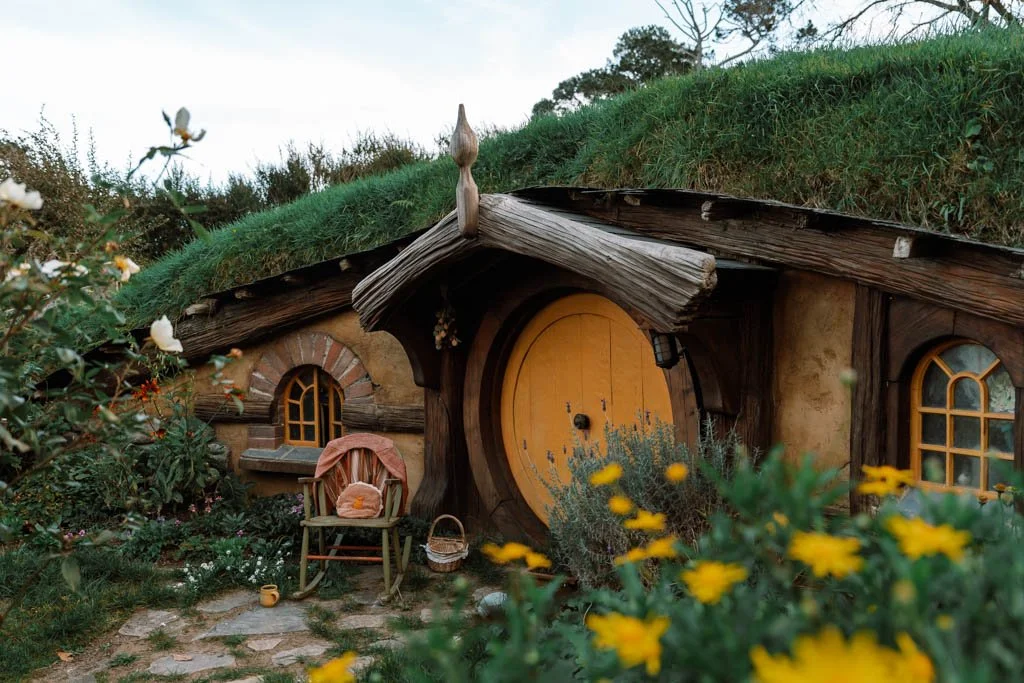
Hobbiton, although a very structured tourist stop, is still wonderful. If you’re organised enough to book in advance, and you have a little luck on your side, I recommend going for the Second Breakfast tour (you’ll be in the first group through the gate).
If you end up going for the signature movie set tour, it’s still a lovely little excursion, if somewhat crowded.
After a morning Hobbiton tour, you can be in Rotorua (a one hour drive south) around lunchtime.
Visitors have been flocking to Rotorua’s thermal waters and volcanic wonders since the 1870s. Back then, many came to see the Pink and White terraces of silica deposits, which were destroyed in the 1886 Mt Tarawera eruption. The fabled terraces may be gone, but there are still plenty of natural wonders luring visitors to Rotorua.
Your first introduction to New Zealand’s most dynamic thermal area is likely to be a whiff of sulphur-rich air as you drive into town. Rotorua is built right on top of a geothermal system which sends steam up through storm drains, and makes mud pools bubble in public parks.
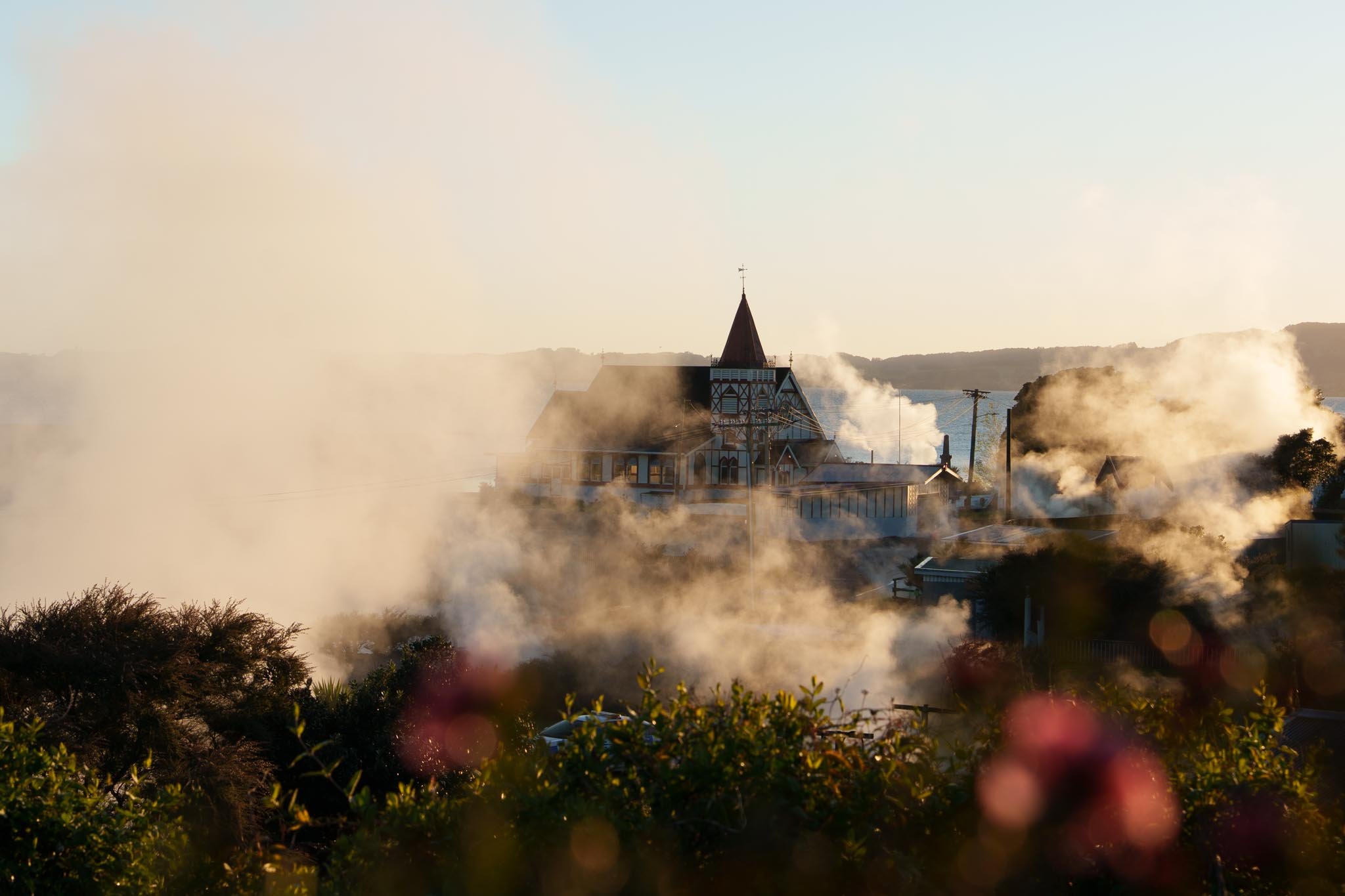
Ohinemutu, Rotorua

The geothermal activity means Rotorua has an abundance of thermal water. For a laid back afternoon, you could check out one of the thermal spas in town. I recommend Wai Ariki, which takes around two hours and includes saunas, a mud and steam room, and hot pools with lake views.
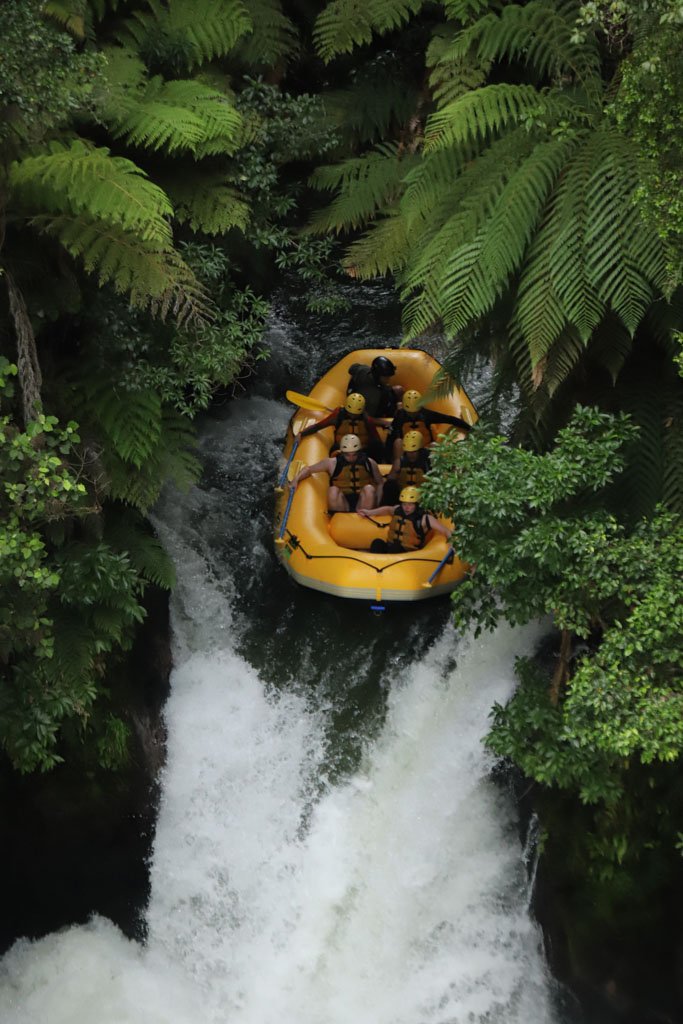
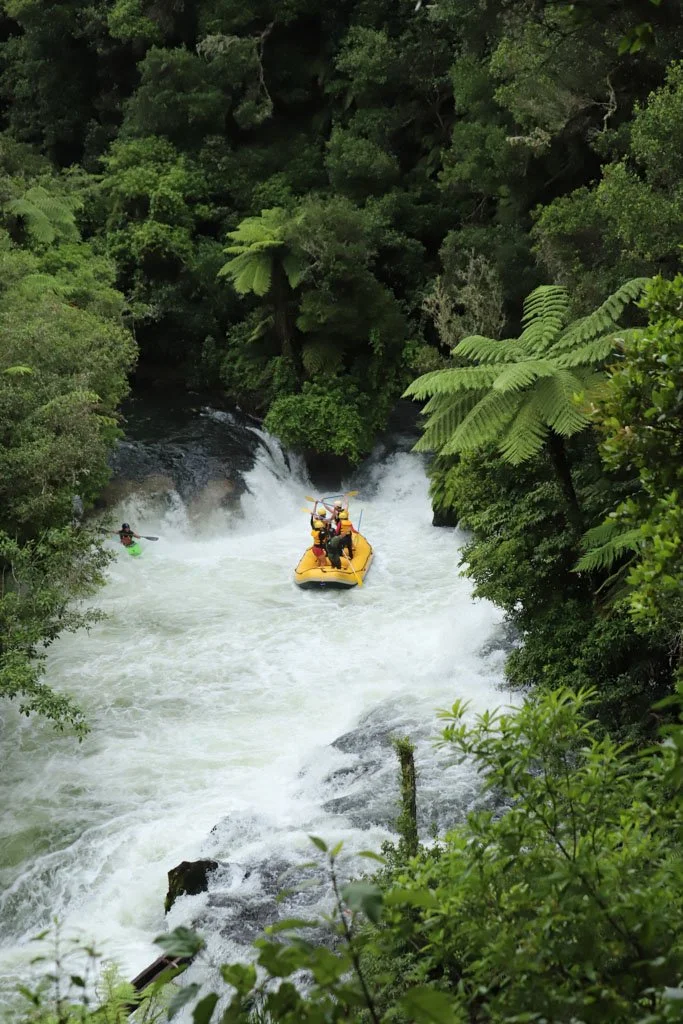
The lakes and forest around the town mean it is also something of an adventure hub. There is plenty of zip lining and mountain biking to be done around the town, but my top adventure activity in Rotorua is white water rafting. The Kaituna River features the highest commercially rafted waterfall in the world; it’s also very beautiful.
For your first afternoon in Rotorua, you could dive straight into thrills (and possible spills) with Rotorua Rafting (my top choice because you get a free sauna after the experience), plus you can nip next door to Okere Falls Store for a post-rafting burger.
Later in the evening, check out the Redwoods Nightlights.
Day 4 | Rotorua
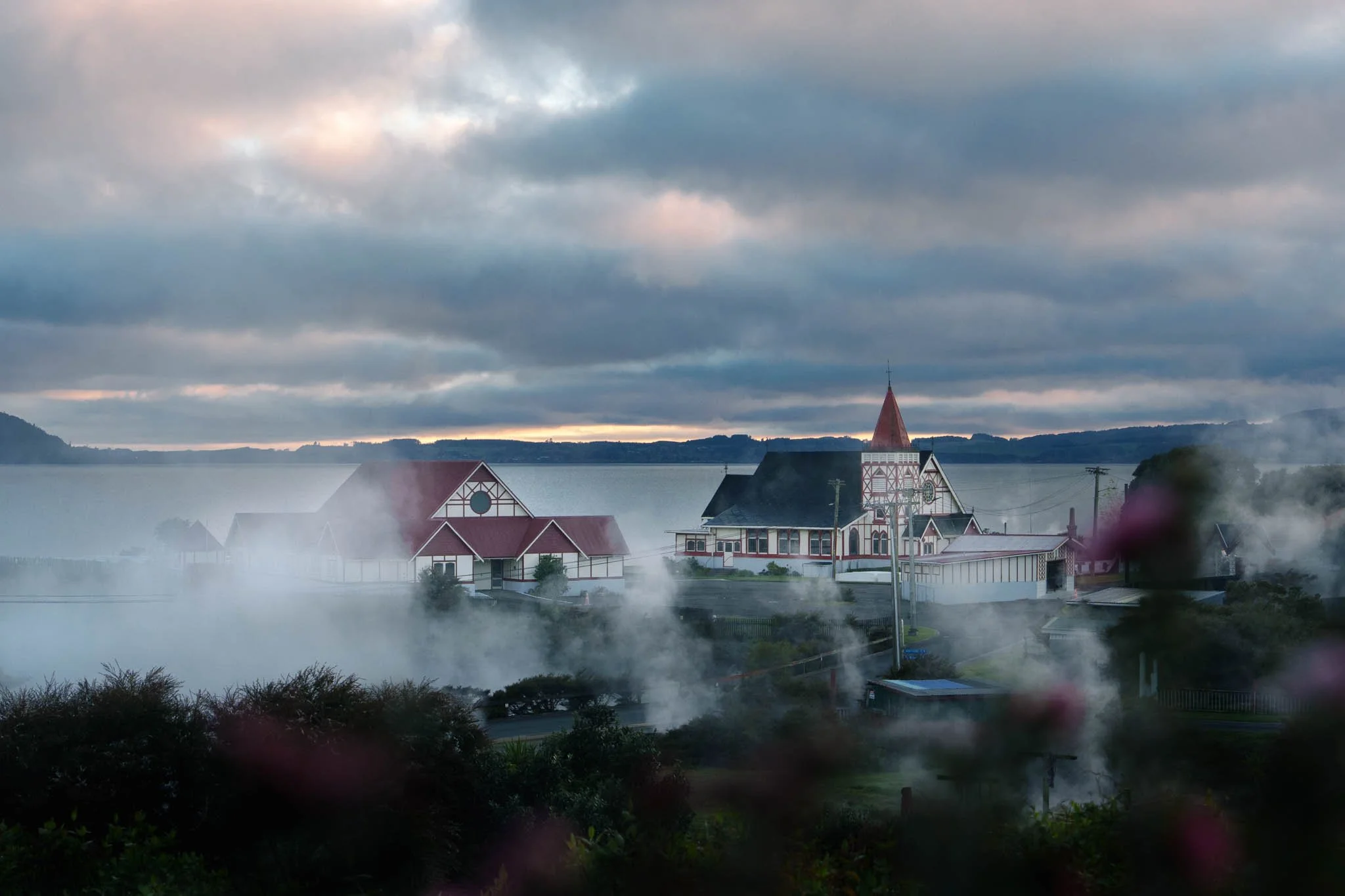
Ohinemutu, Rotorua
Rotorua is the most accessible place in New Zealand to get to know Māori culture.
The main formula for cultural tourism experiences in Rotorua includes kapa haka (song and dance), and hāngī, a traditional earth oven meal. These kinds of experiences cater to large volumes of tourists; it’s a convenient way to get an introduction to Māori culture, but don’t expect it to feel intimate.
Of the large group experiences, my favourite is Te Puia. The basic experience is a 90 minute guided tour on which you can see Māori artists and carvers at work, live kiwi birds, and erupting geysers (Te Rā Guided Experience). In the evening you can start with the 90 minute valley tour, followed by a buffet dinner, a 45 minute cultural performance, and a hot chocolate down by the Pohutu geyser (Te Pō Combo). I recommend the Te Pō Combo; it’s a great all-round experience.
If you want to learn more about Māori culture in a small group setting, you can spend a whole day with Whirinaki Forest Footsteps. This forest tour is unique in Rotorua, and is the best way to immerse yourself in Māori traditions, storytelling, and see more of the social challenges Māori people face today
Activities
Visit Te Puia for the Te Pō Combo
Enjoy a Māori guided forest tour with Whirinaki Forest Footsteps
Day 5 | Rotorua to Tongariro
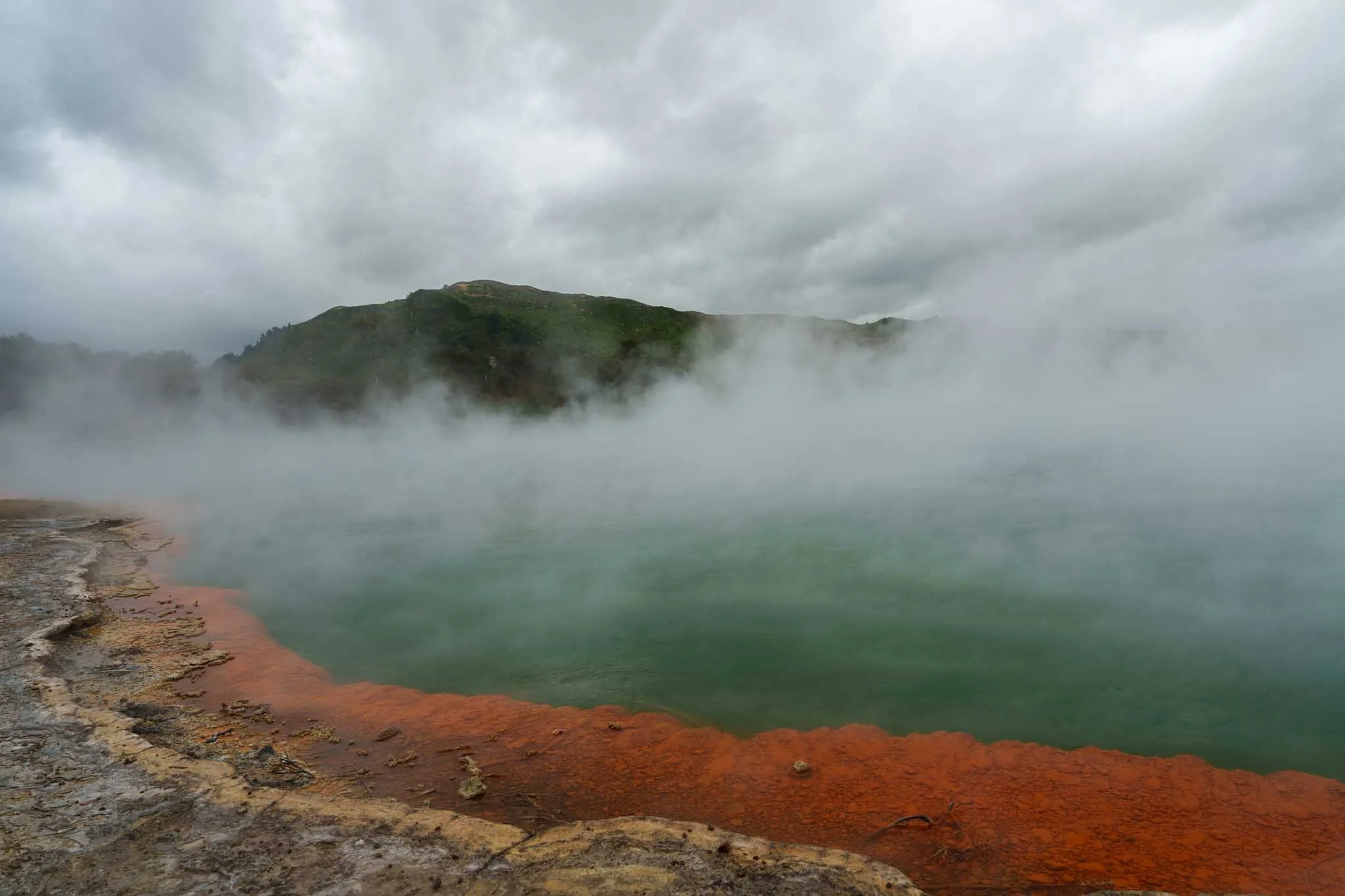
Wai O Tapu
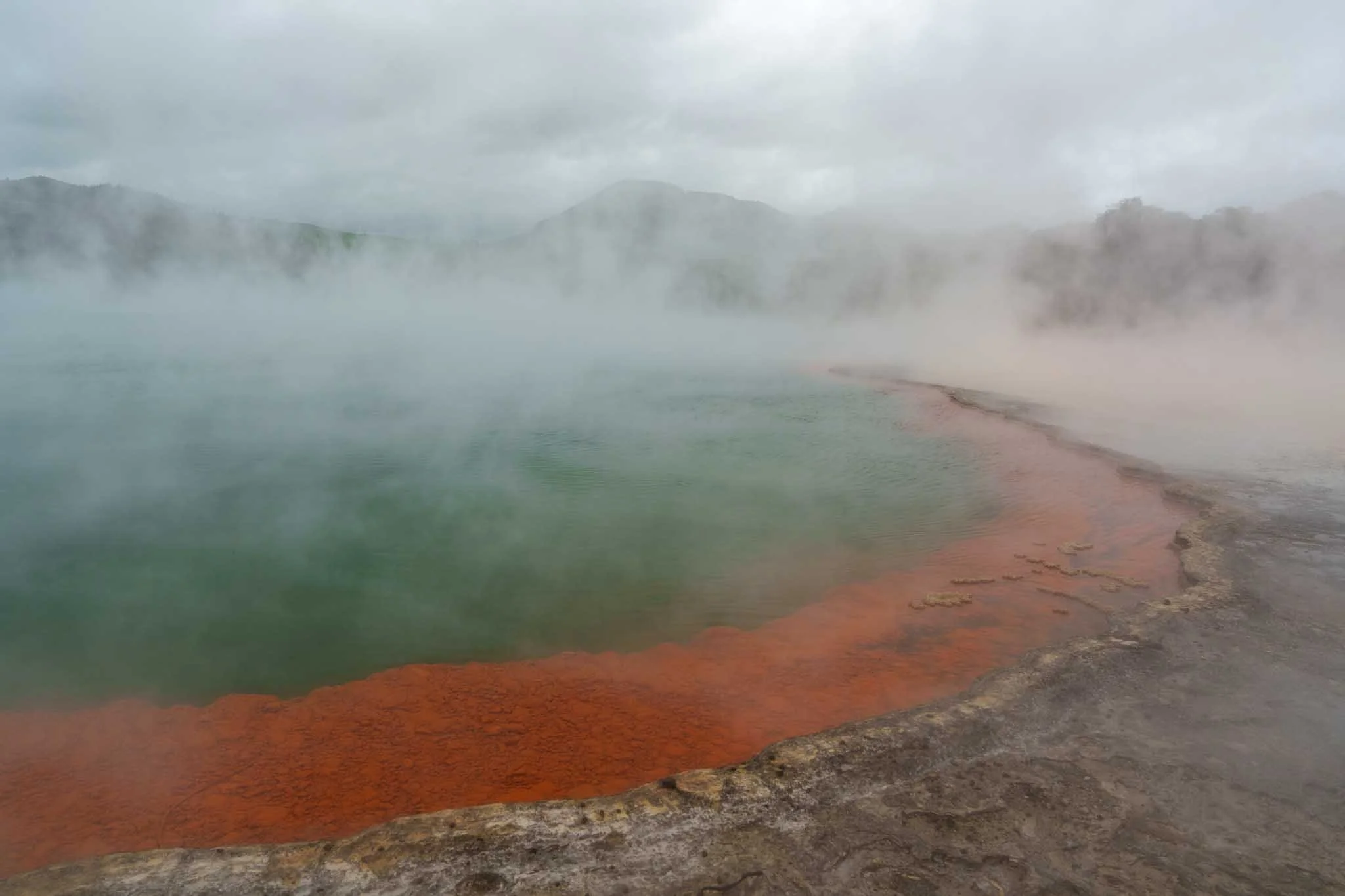
Wai O Tapu
From Rotorua, the drive south towards Taupō (pronounced “toe paw”), a fantastically large lake, takes you right past several geothermal areas.
Wai O Tapu is more or less directly en route, as is the (free) Hot’N Cold stream. Orakei Korako is more of a detour off the Rotorua-Taupo road, but that’s part of its charm; it’s a quiet, peaceful park. If you like to escape crowds, it’s a great option.
Closer to Taupo, Huka Falls is an impressive but always busy waterfall lookout spot. It only takes 15 minutes to walk to the viewing platform and back. The thundering falls are a result of the Waikato River, normally 100m wide, being forced through a 15m wide canyon; the torrent of blue water is an astonishing sight. Just brace for crowds.
Taupo town is right on the edge of the lake, with views across to Ruapehu and Ngauruhoe. With plenty of places to stay and eat, it makes for a logical stopover before visiting Tongariro National Park (around 1 hour 20 minutes further south). Shuttles leave from Taupo for the Tongariro Crossing in the morning.
You can continue on south — the town of Taupo is small and not overly interesting. Getting closer to the park means fewer places to eat, and a smaller selection of accommodation, but you’ll be closer to trail heads in the morning, plus the mountain views are better.
The Tongariro Crossing is the ultimate hike in Tongariro National Park. It’s a demanding, full day hike, but if you’re up for it, it’s the best hike in the North Island.
However, it does require a good weather window, and as an alpine crossing the weather on the track is notoriously fickle. It’s for this reason that I recommend allotting two days for Tongariro, to give you the best chance of getting clear weather.
On the worse weather day, you can either take the opportunity to relax (especially if you book into a glamping stay), or explore some of the activities around Taupo. Even if you do end up with two perfect hiking days, as roughly the midway point on the trip, a day of doing not much might be welcome.
Stay in Taupo
Stay closer to Tongariro
There are a handful of small villages on the western edge of Tongariro National Park; Waimarino/National Park Village and Raurimu are the closest. You could also head further south to Ohakune, which has several places to stay, and from there you get some great views of Ruapehu.
The Quarters, Turangi
Silverstone Lodge (Waimarino)
Day 6 | Tongariro National Park
Drive time from Taupo to Tongariro: 1 hour
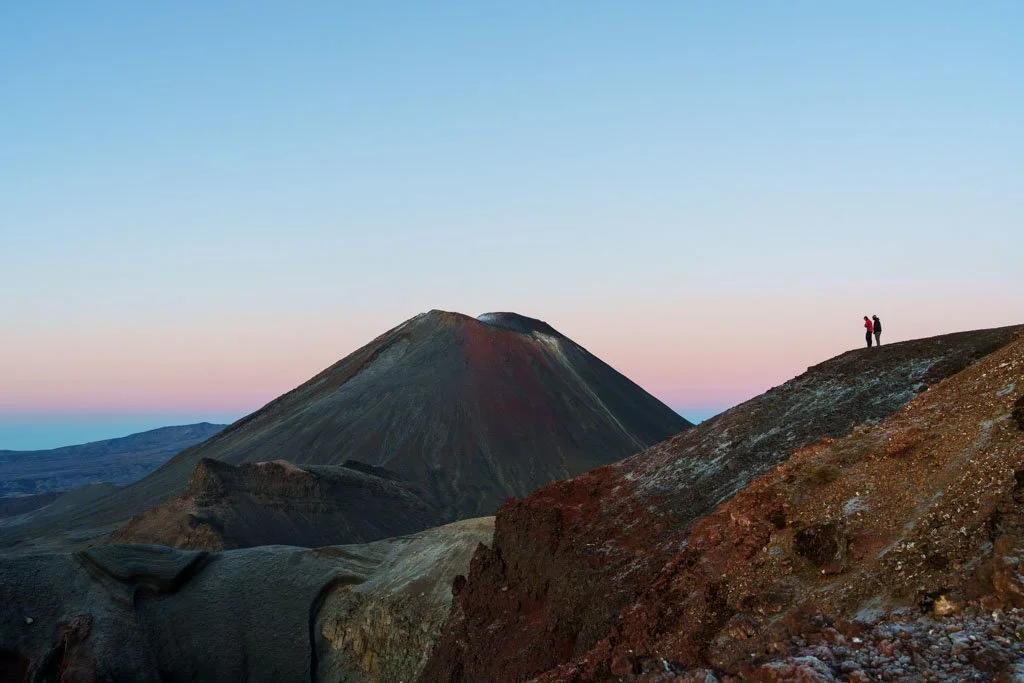
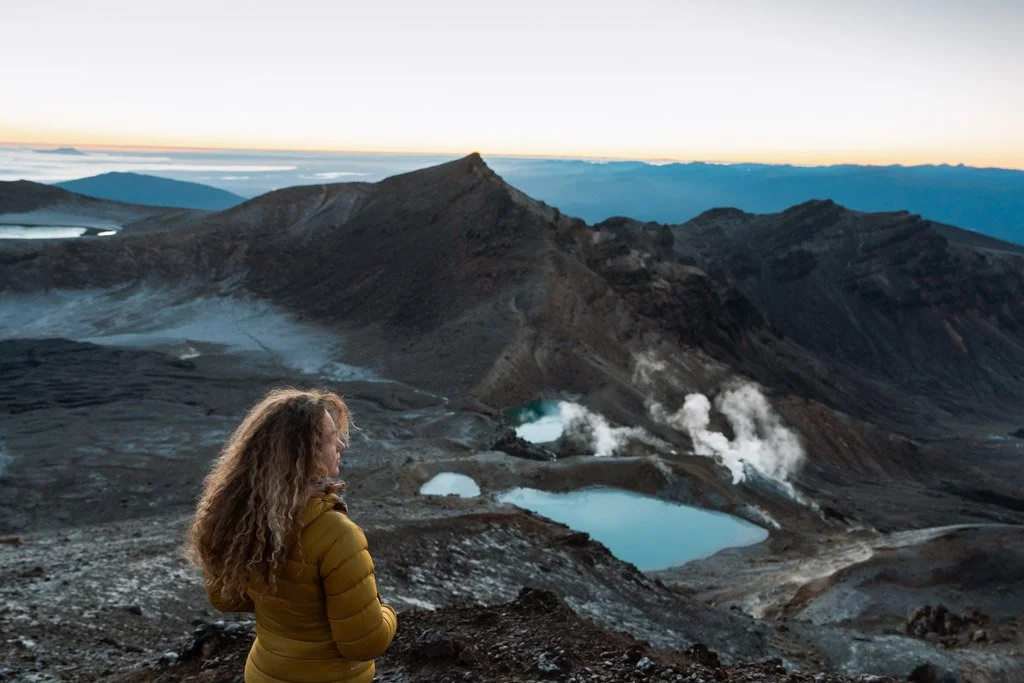
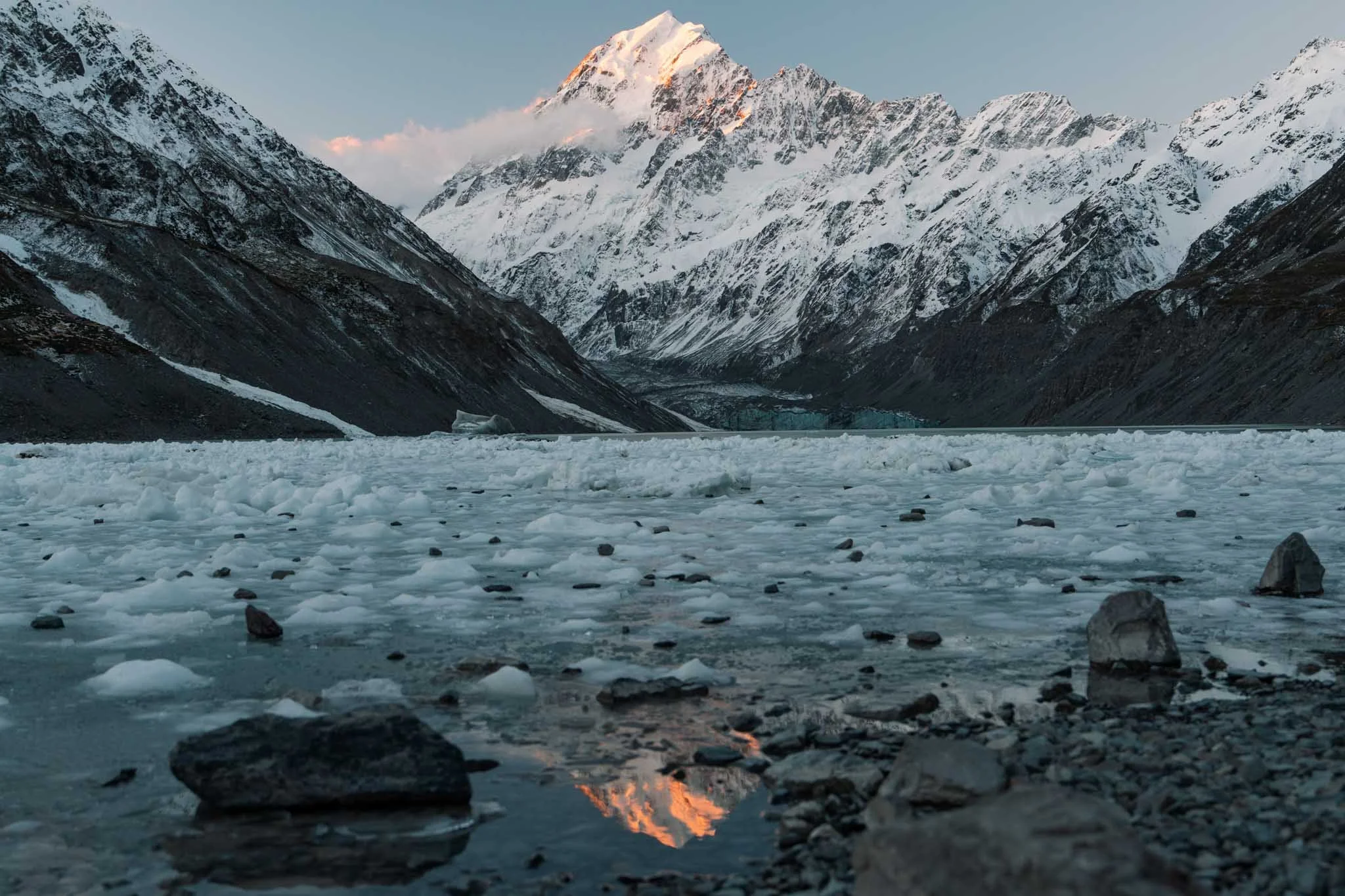
Tongariro National Park, in the heart of the North Island, is a UNESCO World Heritage Site. It’s also home to some of the most striking and unique landscapes in the country, like volcanic cones, deep craters, rock-strewn desert and emerald-green lakes. This makes it the premier hiking destination in the North Island.
Although roads run around each edge of the park – State Highway bordering the eastern edge – Tongariro can be logistically tricky to navigate.
The easiest entry point to the park is from Highway 4 on the western flank, on the road which runs to Whakapapa Village and onwards to Whakapapa ski field. In Whakapapa Village, you’ll find the DOC visitor centre, plenty of car parking, and the trail head for a few walks, including the Taranaki Falls and Tama Lakes track.
If you want to hike the Tongariro Crossing, it’s almost impossible to do so without arranging some form of transport; there is a 4 hour parking limit at the Mangetepopo carpark (the most popular starting point for the hike) and you won’t make it as far as the Red Crater and Emerald Lakes in that time.
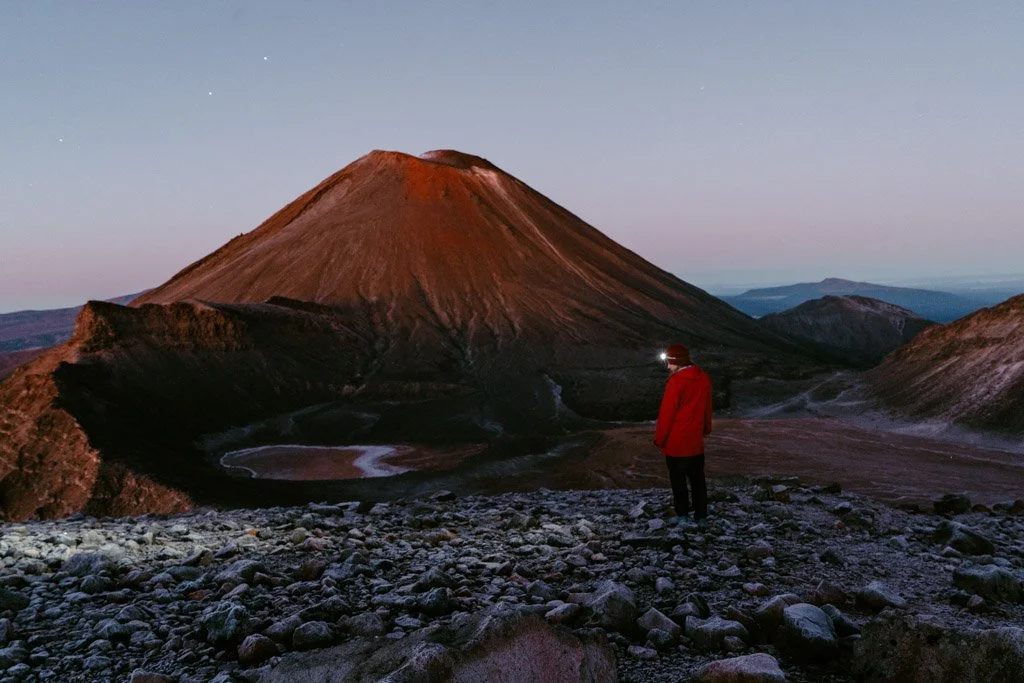
The hike is best walked as a one way trek, anyway; you can choose to meet a shuttle at the end point, or park at the end and have a shuttle take you to the start of the track. The second option involves and extra kilometre of walking (to reach the free carpark where you can leave your vehicle all day) but gives you more time freedom, as you won’t need to rush to keep to the shuttle schedule.
Activities
Hike the Tongariro Crossing — you’ll need shuttle transport; I recommend the option of parking at the end and shuttling to the start, for maximum flexibility.
Take a shorter walk to Taranaki Falls or Tama Lakes
Stay
The Quarters, Turangi
Silverstone Lodge (Waimarino)
Day 7 | Masterton
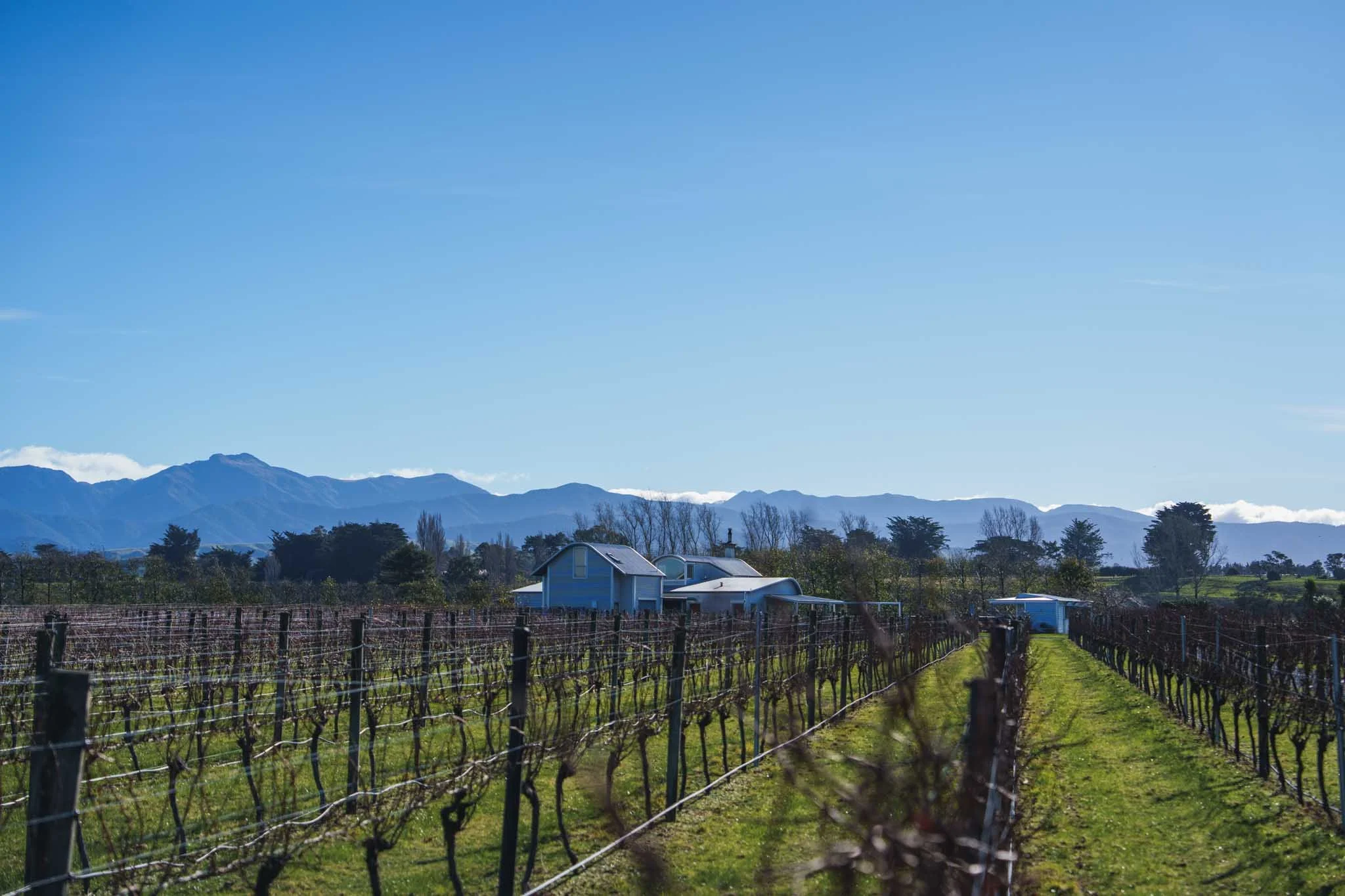
The day after hiking the Tongariro Crossing, you’ll most likely want a slow day. Make your way over to Masterton, which is a nondescript town but serves as a good base for visiting Castlepoint the following day.
Just outside of Masterton is Le Gra Vineyard, a lovely bed and breakfast — the room is adjacent to the owners’ and winemakers’ house. Nicky and Brian are very kind hosts and they make impeccable wine. You can opt to have wine tasting and platters packed with Nicky’s homemade preserves in the evening.
It’s a beautiful spot, and very easy to settle in with a glass and a platter. If you happen to be there on a Friday, you could head over to the Watermill Bakery for a pizza. Otherwise, I recommend doing nothing but relaxing.
Stay
Itinerary notes
You could also head out to Castlepoint this evening — as an east facing part of the coast, the sunrise light there is better for photography (if you’re willing to set an early alarm the following day), but I also loved spending the last golden hour of the day out there.
Day 8: Castlepoint to Martinborough

In the morning, head out to Castlepoint. It’s a one hour drive from Masterton, but well worth the detour.
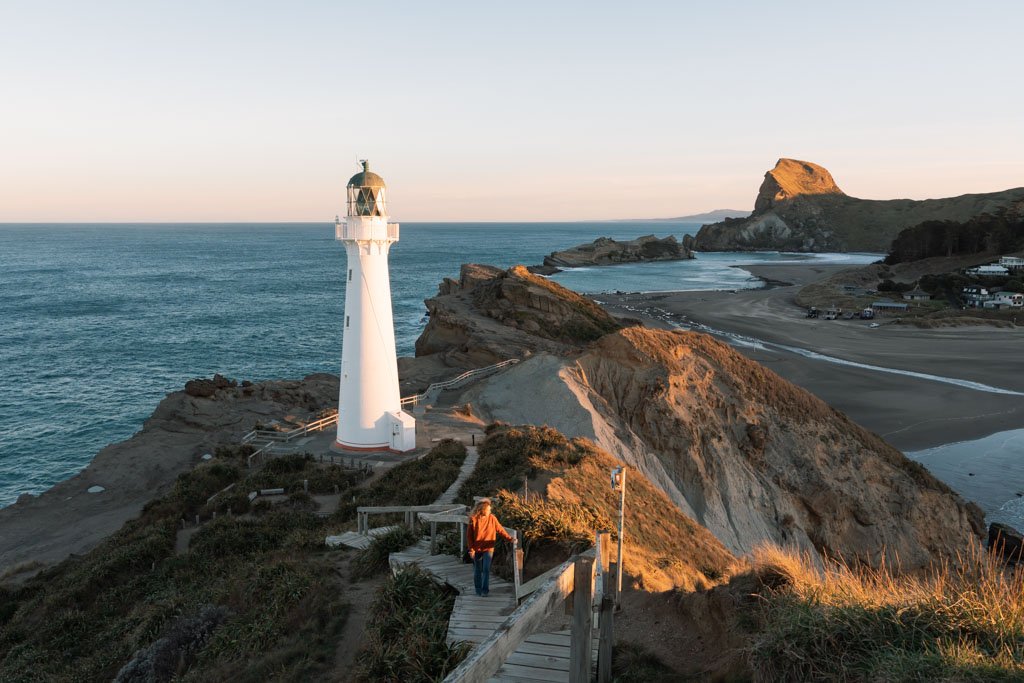
Castlepoint has a special kind of magic. The lonely lighthouse on its tower of rock, the sandy shores around the lagoon, and the jutting lump of Castle Rock make this section of the wild Wairarapa Coastline unique. There’s not much to do here other than stroll the beach and walk to lookout points.
After spending the morning in Castlepoint, make your way slowly down to Martinborough. A series of small towns line State Highway 2 as it tracks south, making for a good number of stops. A highlight is the Clareville Bakery; the cafe is set inside an old church and serves some of the best pies in the country.
Another excellent stop is Greytown, which has several lovely antique stores and its own gin distillery (hidden at the back of a quirky emporium).


Day 9 | Cape Palliser and Martinborough’s wineries
It’s worth spending a full day in Martinborough. If you want to take it easy, you could very easily just enjoy the village and its wineries.
Poppies does an excellent platter, or Moy Hall has a pretty restaurant with garden seating by the vines. On weekends, Colombo has great pizza and wine tasting flights (I loved their Pinot Gris). There are many other cellar doors offering tastings; I recommend Margrain for its laid-back environment and delicious Chenin Blanc.
If you still have the energy to explore, the road trip out to Cape Palliser (roughly an hour each way) is a stunning drive with exceptional coastal scenery, seals, and a candy-striped lighthouse.
If you’re more interested in nature than wine, you can make the jaunt out to Cape Palliser last a full day.
Add in the Putangira Pinnacles walk, to see the unusual rock formations that appeared in The Lord of the Rings: The Return of the King. And add in the two hour return walk out to the Stonewall Waterfall at the Stonewall Scenic Reserve. A lot of this track is trudging through a sheep paddock, but it’s worth it to see the waterfall (which is also an excellent place to swim). When I visited in mid winter, seal pups were playing in the waterfall and the river below, and watching their antics was a highlight of visiting the area.
Stops
Stop by Land Girl Cafe on your way to Cape Palliser
Check out the seals at the North Island’s largest seal colony
The wineries
Day 10 | Wellington
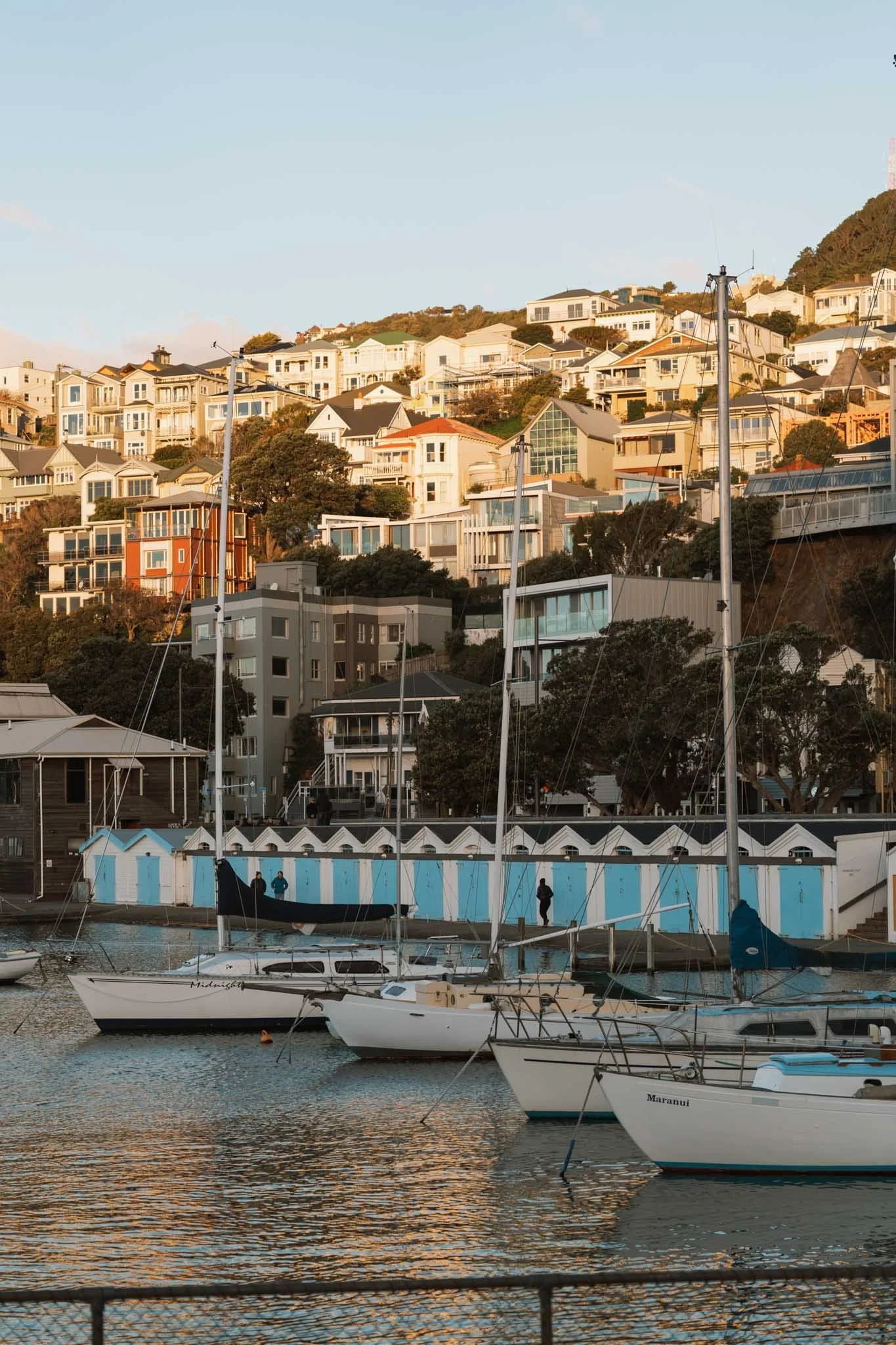
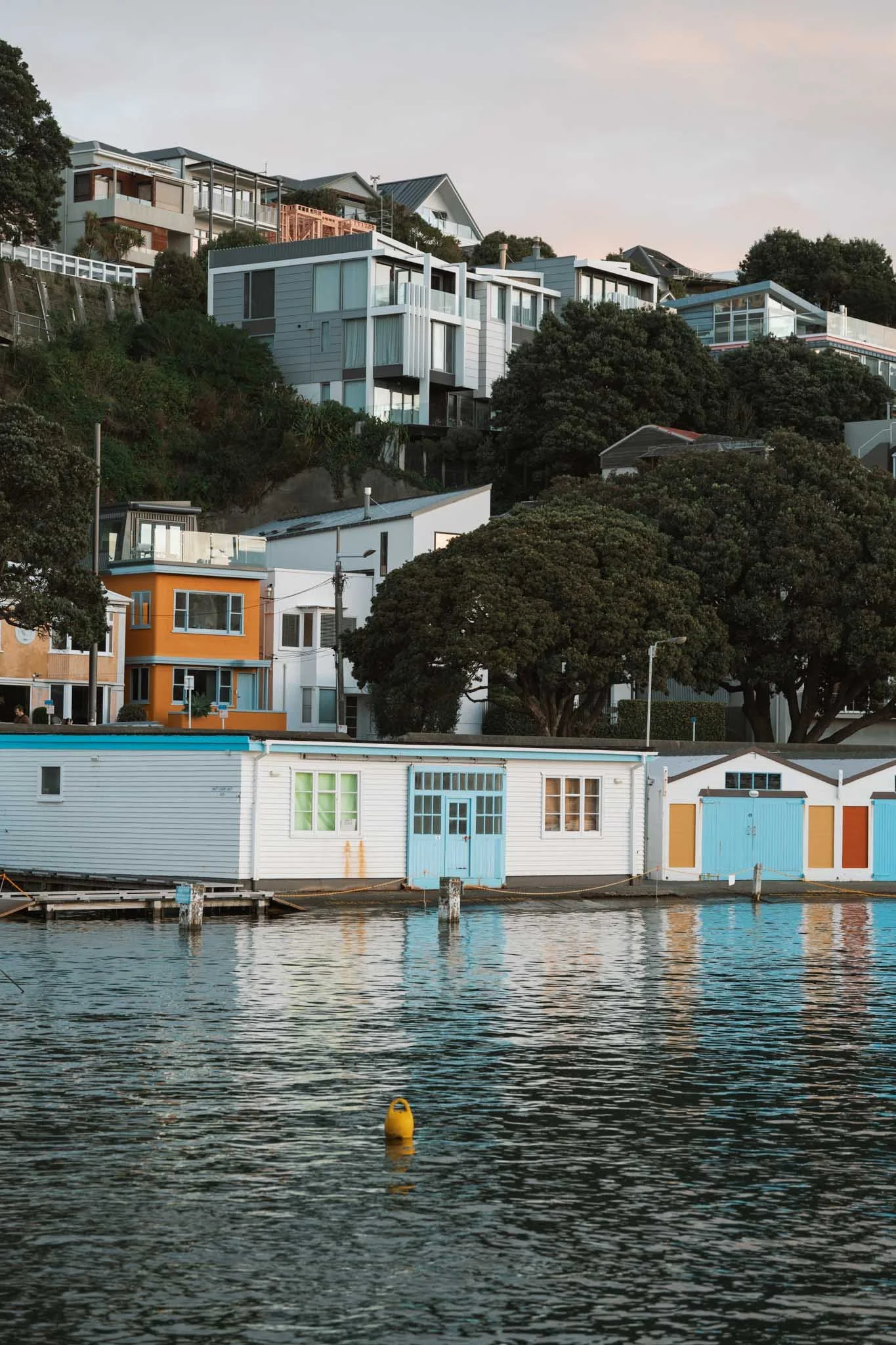
From Martinborough, it’s a short (but very winding) road over the Remutaka Range to Wellington. An obligatory stop on the way is C’est Cheese in Featherston, for a cheese scone, but aside from that you can make a beeline for the capital.
Wellington is a lovely city that is fun to explore. If you have the time, one afternoon is enough to visit Te Papa and the waterfront, and visit one of the city’s excellent restaurants.
I prefer to spend my time outside of cities, so I wouldn’t worry too much about carving out more time for Wellington; better to enjoy Martinborough and the Wairarapa region than worry about making it to Wellington with time to spare for exploring the city.
Itinerary notes
From Wellington, you can catch a flight to the South Island (there are direct flights to Nelson, Blehheim, Christchurch, or Dunedin) or a short flight back to Auckland.
Another option, should you have time, is to catch the Northern Explorer train from Wellington to Auckland. It’s an 11 hour trip that cuts straight up the island, so you’ll see some scenery you will have missed on the drive down. Just note that the train runs on alternating days, so you’ll need to schedule this carefully.
Stay
Ohtel Wellington
The Intrepid Hotel
The Cobbler
Author bio
I’m a freelance travel writer from New Zealand with bylines in National Geographic Travel, Conde Nast Traveler, Travel + Leisure and more. These days, most of my writing is for this website — I’m making it my mission to be the most trustworthy source of information for your trip to New Zealand. I don’t accept sponsorships, I pay for almost everything myself, and I spend months travelling New Zealand each year, all to deliver the best insider travel intel on this country.

Read more